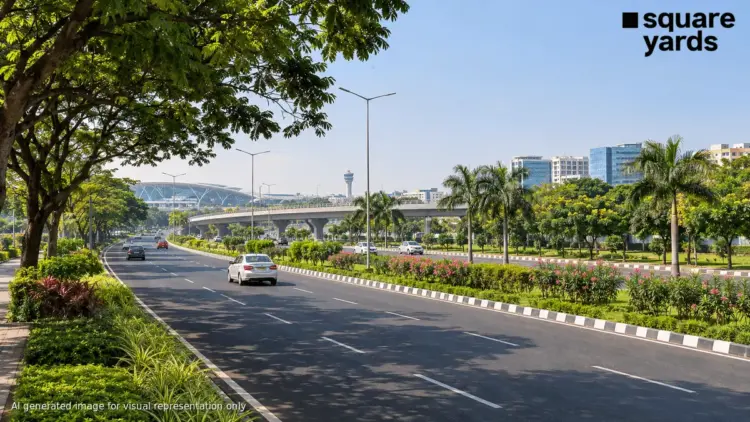
Chennai, Tamil Nadu – In a significant move to redefine the urban landscape and improve the first impressions of the "Gateway to South India," the Tamil Nadu state government has greenlit the ambitious "Gateway of Chennai" project. This initiative, part of a broader infrastructure overhaul under the Chief Minister’s Integrated Urban Development Mission (CMIUDM), aims to transform the 4.8-kilometer stretch between Chennai International Airport and the Kathipara Junction into a world-class urban corridor.
With an allocation of Rs. 138.11 crore dedicated to the Greater Chennai Corporation (GCC) for this and related works, the project signifies a shift in urban planning—moving beyond mere road repair toward comprehensive streetscape enhancement. As of early November 2026, the project has transitioned from the planning phase to active implementation, marking a pivotal moment for the city’s infrastructure.
Main Facts: The Scope of the Gateway of Chennai Project
The Gateway of Chennai project is not an isolated roadwork endeavor; it is the flagship component of a massive 680-project package approved for the Greater Chennai Corporation. The primary focus is the 4.8-km airport-entry corridor, which serves as the primary artery for travelers entering the city.
Key Objectives:
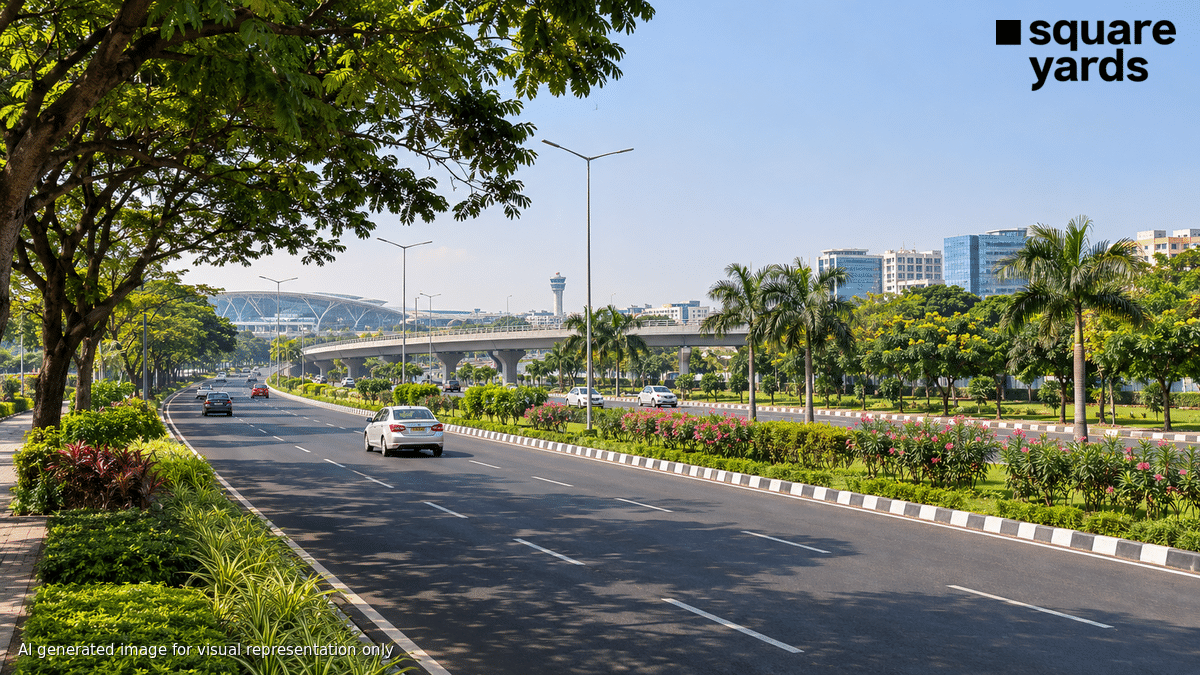
- Aesthetic Overhaul: The project aims to create a "Green Corridor" through extensive landscaping, the installation of modern lighting, and the development of aesthetic pedestrian zones.
- Infrastructure Durability: The wider package includes the relaying of nearly 148.1 km of roads across Chennai, utilizing a mix of bituminous, concrete, and interlocking-block materials.
- Pedestrian-Centric Design: Unlike traditional road projects, the Gateway project emphasizes footpaths and pedestrian safety, ensuring that the stretch is navigable and welcoming for those on foot.
- VIP Park Redevelopment: A specialized segment of the initiative involves the complete redevelopment of the VIP Park near the airport, further enhancing the corridor’s visual appeal.
The funding for these works comes from the CMIUDM, a state-wide mission that has sanctioned a total of 2,880 urban infrastructure projects across Tamil Nadu, with a total investment of Rs. 376.65 crore.
Chronology: From Sanction to Site Survey
The journey of the Gateway of Chennai project has moved rapidly through the administrative pipeline to ensure minimal delay in execution.
- Project Sanctioning: Earlier in 2026, the state government, under the CMIUDM, identified the need for a comprehensive upgrade of Chennai’s primary entry points. The Sanction Committee approved the allocation of Rs. 138.11 crore specifically for the GCC’s 680-work package.
- Contractor Mobilization: Following the approval, the GCC initiated the tendering and contractor selection process. By late October 2026, contractors were officially brought on board.
- The Site Survey (October 30, 2026): On October 30, a comprehensive contractor survey was conducted along the 4.8-km stretch. This survey was critical for mapping existing utilities, assessing the condition of current footpaths, and identifying areas for landscaping.
- Commencement of Work (November 2026): Following the survey, initial groundworks were scheduled to begin within the first week of November. This phase includes the removal of encroachments, clearing of debris, and the commencement of road-leveling preparations.
Supporting Data: Technical Specifications and Financial Allocation
The "Gateway of Chennai" is part of a larger technical roadmap designed to improve the longevity of the city’s road network. The following data breaks down the 680 road and related projects under the GCC’s purview:
Road Composition and Length
| Project Category | Number of Projects | Total Length (km) |
|---|---|---|
| Bituminous Roads | 595 | 136.57 |
| Concrete Roads | 58 | 8.47 |
| Interlocking-Block Roads | 25 | 3.06 |
| Total Road Package | 680 | 148.1 |
Financial Distribution
- Total State-Wide Sanction (CMIUDM): Rs. 376.65 crore.
- Greater Chennai Corporation Allocation: Rs. 138.11 crore.
- Project Focus: The Gateway project (Airport to Kathipara) represents the highest-profile segment of this expenditure.
The 4.8-km Corridor Details
The specific stretch from the Airport to Kathipara is slated for:
- High-Mast and Decorative Lighting: To improve nighttime visibility and safety.
- Green Buffers: Strategically planted trees and shrubs to reduce the urban heat island effect and absorb vehicular emissions.
- Signage Upgrades: International-standard wayfinding signage to assist tourists and commuters.
Official Responses and Guidelines: A New Standard for Roadworks
The Sanction Committee and the Greater Chennai Corporation have issued strict directives to ensure that these projects do not repeat the mistakes of the past. One of the most significant official mandates involves the "milling" and "leveling" of roads.
The "No Raising Levels" Directive
In a move lauded by urban planners and residents alike, the Sanction Committee has directed all local bodies, including the GCC, to ensure that existing road levels are not raised during the relaying process.
Why this matters:
- Flood Prevention: For years, the practice of layering new asphalt over old has raised road levels above the plinth level of adjacent homes, leading to severe flooding during the monsoon.
- Drainage Integrity: Maintaining the original road level ensures that the existing storm-water drain (SWD) network remains effective.
- Official Accountability: Contractors are now required to mill the existing surface before laying new material, a process that will be strictly monitored by GCC engineers.
GCC’s Commitment to Quality
Official spokespersons from the GCC have emphasized that the Gateway project is a "prestige project" for the city. "The focus is not just on speed but on the quality of the finish. This corridor is the face of Chennai. From the quality of the interlocking blocks on the footpaths to the species of plants chosen for the green corridor, every detail is being scrutinized," noted a senior official involved in the project.
Implications: Real Estate, Economy, and Urban Identity
The Gateway of Chennai project is expected to have far-reaching implications, extending beyond the mere convenience of travel.
1. Impact on Local Real Estate
The areas immediately adjacent to the corridor—specifically Alandur and Guindy—are expected to see a shift in market perception.
- Current Market Sentiment: As of September 2026, indicative asking rates in Alandur hover around Rs. 10,850 per square foot (psf), while Guindy commands a higher premium at Rs. 15,650 psf.
- The "Amenity Premium": While the project is a streetscape improvement rather than a new transport link (like a Metro line), it significantly enhances "livability." Better lighting and walkable footpaths often lead to a rise in demand for residential rentals and commercial office spaces.
- Investor Caution: Analysts note that these projects do not immediately inflate property prices. Sustained growth will still depend on broader factors such as proximity to IT parks, Metro connectivity, and civic services. However, the beautification makes these areas more "marketable" to high-end tenants and corporate offices.
2. Urban Heat and Environmental Benefits
By integrating "green corridors" into the 4.8-km stretch, the project addresses the environmental challenges of urban Chennai. The use of native plant species and the creation of green buffers can help lower the ambient temperature of the asphalt-heavy corridor, providing a more pleasant micro-climate for pedestrians and commuters.
3. Boosting City Branding and Tourism
As the primary route from the airport to the city center and the IT corridors of OMR, the Airport-Kathipara stretch is often the only part of the city many business travelers see. Transforming this into a lush, well-lit, and organized gateway serves to boost Chennai’s image as a modern, well-maintained metropolis, potentially influencing investment decisions and tourism perceptions.
4. Infrastructure Synergy
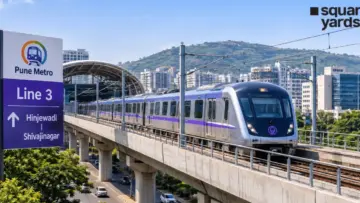
The project complements existing infrastructure like the Kathipara Cloverleaf Flyover—one of the largest in Asia—and the Chennai Metro Rail. By improving the "last-mile" experience for pedestrians and enhancing the visual landscape around these hubs, the city creates a more cohesive transport ecosystem.
Conclusion: A Vision for a Modern Chennai
The commencement of the Gateway of Chennai project represents a milestone in the city’s evolution. Under the Chief Minister’s Integrated Urban Development Mission, the state is signaling that urban development is no longer just about utility; it is about aesthetics, environmental responsibility, and the quality of life.
While the immediate focus is on the 4.8-km stretch between the Airport and Kathipara, the ripple effects—from improved drainage via the "no-raising" policy to the potential boost in local real estate appeal—will be felt across the city. As the work begins this November, the residents of Alandur, Guindy, and the millions of travelers who pass through this corridor each year look forward to a transformation that truly reflects the spirit of a modern Chennai.
The success of this project will likely serve as a blueprint for other "Gateway" projects across Tamil Nadu’s major urban centers, setting a new benchmark for how cities welcome the world.