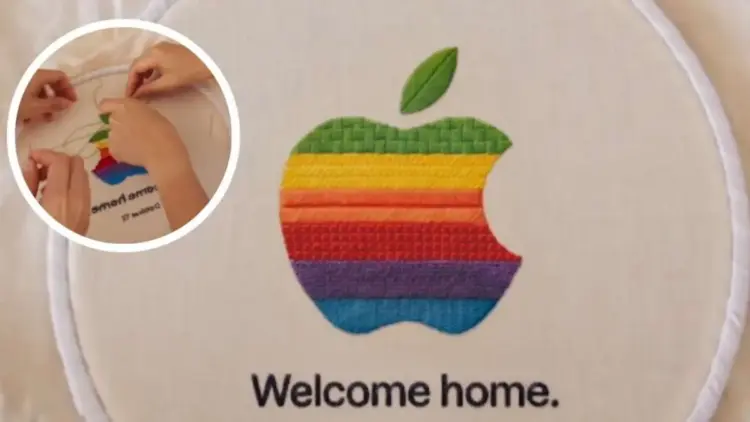
CUPERTINO, CA – October 9, 2026 – Apple Inc. is poised to redefine its presence in the burgeoning smart home market with its highly anticipated "Welcome Home" event, scheduled for October 13 in New York. Set to commence at 9 am ET (6:30 pm IST), this event is generating significant buzz, signaling a profound strategic pivot for the tech giant towards a more integrated and sophisticated domestic ecosystem. Far from a typical product unveiling, the "Welcome Home" branding, coupled with subtle teasers from Apple’s leadership, suggests an immersive "Apple Experience" designed to showcase the harmonious integration of technology into daily life.
The event’s primary focus is expected to be a groundbreaking new home hub, tentatively dubbed "HomePad," alongside significant updates to the popular HomePod mini and the Apple TV 4K. These devices are not merely incremental upgrades; they represent Apple’s ambitious vision to establish a central, intelligent control point for the modern home, leveraging its renowned ecosystem, privacy principles, and design prowess.
Main Facts: Unveiling Apple’s Home-Centric Ambition
The core of Apple’s upcoming presentation revolves around three key product categories, each playing a critical role in the company’s refreshed smart home strategy:
-
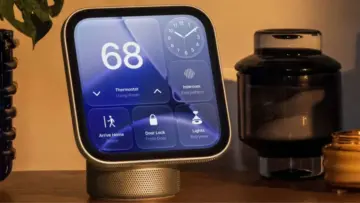
The HomePad Hub: This is the undisputed star of the show, anticipated to be Apple’s first dedicated home hub with a visual interface. Reports suggest a versatile device featuring a 6-inch display, offered in two distinct form factors: a wall-mountable version for seamless integration into interior design, and a table-top model equipped with a speaker base, positioning it as a direct competitor to existing smart displays. Its operating system, likely "homeOS" based on tvOS, is expected to offer intuitive control over smart home devices, integrated Apple applications, a calendar, and widgets, transforming it into the digital heart of the household. Crucially, a built-in camera is rumored to facilitate FaceTime calls and interactive recipe videos, while advanced presence sensors with voice and facial recognition could offer personalized experiences for each family member. The projected starting price in the US is around $350 (approximately Rs 33,000), placing it squarely in the premium smart home device segment.
-
Updated HomePod mini: The compact and popular HomePod mini is slated for a refresh, retaining its iconic design but benefiting from substantial internal upgrades. These include a faster processor, a new N1 networking chip, support for cutting-edge wireless standards like Wi-Fi 7 and Bluetooth 6, and enhanced Thread connectivity. The introduction of new color options would add a touch of personalization, while significant AI enhancements for Siri are expected to elevate its conversational capabilities and smart home control.
-
Next-Generation Apple TV 4K: The entertainment hub is also in line for a powerful overhaul. Speculation points to the inclusion of the same N1 chip as the updated HomePod mini, a more powerful A19 or A19 Pro chip for superior performance, and up to 12GB of RAM. These upgrades would not only enhance streaming and gaming experiences but also bolster its capabilities as a robust HomeKit hub, further integrating it into Apple’s smart home ecosystem with improved Siri AI functionalities.

This triumvirate of devices, working in concert, aims to deliver a cohesive, intuitive, and secure smart home experience, signaling Apple’s serious intent to capture a larger share of a market currently dominated by rivals.
Chronology: Apple’s Evolving Smart Home Narrative
Apple’s journey into the smart home is not a recent endeavor but a carefully orchestrated evolution spanning over a decade, marked by both innovation and learning. Understanding this trajectory is crucial to appreciating the significance of the "Welcome Home" event.

2014: The Dawn of HomeKit. Apple first formally entered the smart home arena with the introduction of HomeKit, a framework designed to allow users to control compatible smart home accessories using their iOS devices and Siri. At its inception, HomeKit was ambitious but faced challenges related to limited device compatibility, a complex setup process for some accessories, and a relatively niche user base. The emphasis, however, was already on security and privacy, setting Apple apart from many competitors.
2017-2018: The Original HomePod. After years of speculation, Apple launched the original HomePod in early 2018. Positioned primarily as a premium smart speaker with exceptional audio quality, it also served as a HomeKit hub. While critically acclaimed for its sound, its high price point ($349), limited smart assistant functionality compared to Amazon Alexa and Google Assistant, and delayed market entry meant it struggled to gain significant market share against cheaper, more feature-rich competitors. This experience provided Apple with valuable insights into consumer expectations for smart speakers and home hubs.

2020: A Strategic Course Correction with HomePod mini. Recognizing the need for a more accessible entry point, Apple introduced the HomePod mini. Priced at a more competitive $99, it retained strong audio quality for its size, significantly improved Siri capabilities, and, most importantly, integrated the Thread networking protocol. Thread was a game-changer, promising lower latency, greater reliability, and broader interoperability for smart home devices, laying crucial groundwork for a more robust ecosystem. The HomePod mini quickly became a popular choice, indicating Apple’s ability to adapt and refine its smart home strategy.
2021-Present: Building Interoperability with Matter. Apple became a founding member of the Connectivity Standards Alliance (CSA) and a key proponent of Matter, a new open-source, royalty-free connectivity standard for smart home devices. Matter aims to simplify device setup, improve compatibility across different ecosystems (including Apple Home, Google Home, Amazon Alexa, and Samsung SmartThings), and enhance security. Apple’s strong support for Matter, alongside its integration of Thread into devices like the HomePod mini and Apple TV 4K, demonstrates a clear commitment to an open, interoperable smart home future, while still leveraging its own robust ecosystem.

The "Welcome Home" event on October 13, 2026, therefore, is not an isolated launch but the culmination of years of development, learning, and strategic adjustments. It represents Apple’s most comprehensive and aggressive move yet to establish a dominant and differentiated position in the smart home landscape, moving beyond individual devices to offering a fully integrated "experience."
Supporting Data: Deep Dive into Expected Features and Market Context
The leaked specifications and anticipated features for the upcoming devices paint a picture of a meticulously engineered smart home ecosystem designed for power, convenience, and security.

The HomePad: A New Paradigm for Home Control.
- Display and Interface: The rumored 6-inch screen is crucial. Unlike the screenless HomePod, this allows for visual feedback, intuitive touch controls, and the display of rich content. Its "homeOS" interface, derived from tvOS, is expected to feature customizable widgets for quick access to information (weather, traffic), integrated Apple apps (Messages, Apple Music, Photos), a family calendar, and a unified smart home control panel. This visual interface would bridge the gap between simple voice commands and complex device management, offering a more complete user experience.
- Camera Capabilities: The inclusion of a camera for FaceTime is a natural extension of Apple’s communication suite, turning the HomePad into a video conferencing hub for the home. Furthermore, its potential use for interactive recipe videos, guided workouts, or even as a security monitor during specific times, unlocks new functional dimensions.
- Presence Sensors and Personalization: Advanced voice and facial recognition, coupled with presence sensors, are perhaps the most ambitious features. This could enable the HomePad to automatically adjust lighting, thermostat settings, or music playback based on who is in the room. Imagine waking up, and the HomePad recognizes you, displays your personalized schedule, and plays your preferred morning playlist, all while ensuring privacy through on-device processing.
- Pricing Strategy: At an estimated $350, the HomePad is positioned as a premium device. This aligns with Apple’s typical market strategy, focusing on high-quality materials, superior user experience, and robust privacy features to justify a higher price point. It will compete directly with high-end smart displays from Google and Amazon, but Apple will likely differentiate through deeper ecosystem integration and privacy assurances.
HomePod mini Refresh: Enhancing the Everywhere Speaker.

- Processor and Networking: A faster processor and the N1 networking chip will not only improve Siri’s responsiveness but also enhance inter-device communication within the Apple home ecosystem. The adoption of Wi-Fi 7 and Bluetooth 6 ensures future-proofing and faster, more reliable connectivity for streaming and device pairing.
- Thread Support: Deepening Thread integration is vital for the HomePod mini’s role as a border router for Matter devices. This allows a wider array of smart home accessories, regardless of brand, to communicate reliably and efficiently with the Apple Home ecosystem.
- Siri AI Features: Siri has often been a point of critique for Apple’s smart home offerings. Enhanced AI features are crucial for more natural language processing, complex query handling, and proactive assistance, transforming Siri from a basic command interpreter into a truly intelligent assistant.
Apple TV 4K Update: More Than Just Entertainment.
- Performance Boost: The A19 or A19 Pro chip, coupled with up to 12GB of RAM, signifies a substantial leap in processing power. This will deliver smoother 4K HDR streaming, more graphically intensive gaming experiences through Apple Arcade, and faster app loading times.
- Enhanced Hub Capabilities: With the N1 chip and improved Siri AI, the Apple TV 4K solidifies its position as a central HomeKit hub. It can reliably manage a larger number of smart devices, process complex automation rules, and integrate seamlessly with the HomePad for a unified control experience.
Ecosystem Expansion: Beyond Apple’s Core Hardware.

- LG-Related Accessories: Reports of LG-branded indoor cameras, thermostats, and video doorbells being teased alongside Apple’s event are highly significant. This suggests a strategic partnership approach, where Apple works with established hardware manufacturers to expand the range of HomeKit-compatible devices. This move could accelerate the adoption of HomeKit by offering a wider variety of well-designed, integrated accessories directly endorsed by Apple, ensuring a seamless user experience from day one. This also hints at Apple’s focus on essential smart home categories, such as security, climate control, and access.
- Matter and Thread: The Pillars of Interoperability: Apple’s continued emphasis on Thread and Matter is a clear message to the industry and consumers: the future of the smart home is open and interoperable. By championing these standards, Apple aims to break down the walled gardens of proprietary ecosystems, allowing users to choose devices from various manufacturers that still integrate seamlessly with Apple Home. This strategy could attract a broader consumer base who might have been hesitant to commit to a single brand’s ecosystem.
These technical and strategic details underscore Apple’s commitment to building a robust, high-performance, and user-friendly smart home environment that prioritizes integration and interoperability while retaining its core values of privacy and design excellence.
Official Responses: The Art of the Tease
Apple’s communication leading up to its events is a masterclass in strategic ambiguity, leveraging subtle hints and carefully crafted branding to generate anticipation without revealing specifics. The "Welcome Home" event is no exception.

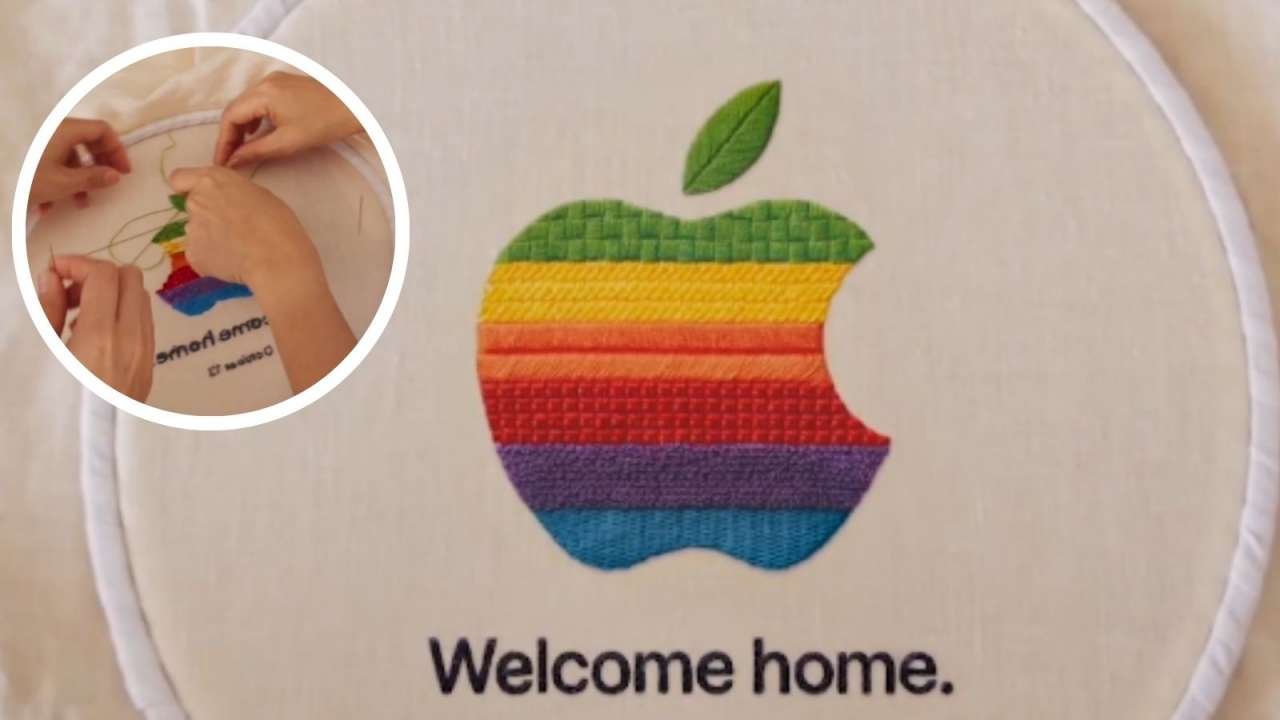
Greg Joswiak’s X Tease: Marketing chief Greg Joswiak’s tweet on X (formerly Twitter) served as the primary official teaser. The retro Apple logo evoked nostalgia, hinting at a foundational or pivotal moment, while the "Welcome Home" tagline itself directly points to a focus on domestic technology. More subtly, the context of Joswiak’s past statements and Apple’s known commitments to standards like Thread allowed tech enthusiasts to quickly infer the smart home direction. Such teasers are not accidental; they are precisely engineered to engage the tech community and generate pre-event discussions, setting the narrative before the official announcements.
"Apple Experience" Branding: The distinction that this is an "Apple Experience" rather than a "standard keynote" is particularly telling. A keynote often implies a rapid-fire succession of product announcements with technical specifications. An "experience," however, suggests a more immersive, narrative-driven presentation. It implies a focus on how these new devices feel to use, how they integrate into daily life, and the emotional connection they foster. This shift in branding suggests Apple intends to showcase the holistic benefit of its smart home ecosystem, emphasizing seamless integration, ease of use, and the enrichment of daily routines, rather than just raw hardware power. It’s about selling a lifestyle, not just products.

These official communications, while minimal in detail, are rich in implication. They signal Apple’s renewed, serious commitment to the smart home, hinting at products that are not just smart but also deeply personal and integrated into the fabric of the home.
Implications: Reshaping the Smart Home Landscape
The "Welcome Home" event carries significant implications for Apple, its competitors, and the broader smart home market.

For Apple: Solidifying Ecosystem Lock-in and Market Expansion.
The HomePad, coupled with enhanced HomePod mini and Apple TV 4K, represents Apple’s most comprehensive strategy to integrate its ecosystem deeper into the home. By providing a central, visually interactive hub, Apple aims to become the default control layer for users’ smart homes. This strengthens ecosystem lock-in, encouraging users to invest further in Apple’s hardware and services. If successful, this move could significantly grow Apple’s presence in a market where it has historically played a more niche role compared to Amazon and Google. It positions Apple not just as a device maker, but as an orchestrator of the entire home environment. The focus on privacy, a core Apple differentiator, will also be crucial in gaining consumer trust, especially with devices featuring cameras and presence sensors.
For Competitors: Intensified Rivalry and Innovation Pressure.
Amazon, with its Echo Show devices, and Google, with its Nest Hubs, currently dominate the smart display market. Apple’s HomePad will enter this arena as a formidable premium contender. Its emphasis on seamless integration with the Apple ecosystem, advanced privacy features, and potentially superior design and build quality will put pressure on competitors to innovate further. The adoption of open standards like Matter, however, also means that competitors cannot rely solely on proprietary lock-in. They will need to compete on features, pricing, and user experience, fostering a more dynamic and competitive market. Samsung, with its SmartThings platform, and other players will also need to adapt to a more robust Apple presence.

For the Smart Home Market: Driving Maturity and Adoption.
Apple’s entry with a dedicated, feature-rich home hub could significantly accelerate the maturity and mainstream adoption of smart home technology. Apple’s reputation for user-friendly interfaces and reliable performance could attract a new wave of consumers who have been hesitant due to complexity, security concerns, or lack of interoperability. The "Apple Experience" branding, focusing on lifestyle benefits, could help demystify smart home technology and make it more appealing to a broader audience beyond early adopters. The strong support for Matter and Thread will also push the entire industry towards greater interoperability, ultimately benefiting consumers by offering more choice and flexibility.
For Consumers: Enhanced Convenience and Privacy Considerations.
Consumers stand to gain a more integrated, intuitive, and potentially more secure smart home experience. The HomePad’s visual interface and personalized features promise a new level of convenience and automation. However, with advanced features like cameras and facial recognition come increased responsibilities regarding data privacy and security. While Apple has a strong track record in this area, users will need to be informed and empowered to manage their data and privacy settings effectively. The pricing of the HomePad will also dictate its accessibility, likely appealing to Apple’s premium customer base initially.

Long-term Vision: A Stepping Stone to Spatial Computing in the Home?
The "Welcome Home" event may also be seen as a foundational step towards Apple’s broader ambitions in spatial computing and augmented reality. A device that understands who is in the room, where they are, and what their preferences are, could serve as an essential anchor for future AR experiences within the home. The HomePad could become the hub that stitches together digital and physical realities, paving the way for more immersive and context-aware interactions. The rumored follow-up event on October 27, potentially featuring new Macs and an OLED iPad mini, suggests a broader ecosystem strategy where the home is a critical component of Apple’s connected device universe.
In conclusion, Apple’s "Welcome Home" event is far more than just a product launch. It is a strategic declaration of intent, signaling a comprehensive and renewed commitment to making the smart home truly intelligent, intuitive, and seamlessly integrated. By addressing past limitations, embracing open standards, and leveraging its unparalleled ecosystem and brand loyalty, Apple is poised to significantly reshape the future of how we interact with our homes. The world will be watching on October 13 to see if Apple can indeed make us all feel truly "welcome home."