PERSONAL FINANCE
As October 28, 2026, unfolds, India’s dynamic precious metals market continues to navigate a complex interplay of global economic currents, shifting local demand patterns, and fluctuating currency exchange rates. This daily recalibration of value for gold and silver holds significant implications for investors, consumers, and the broader Indian economy, reflecting both international market sentiments and domestic financial realities.
Main Facts: A Snapshot of Today’s Market
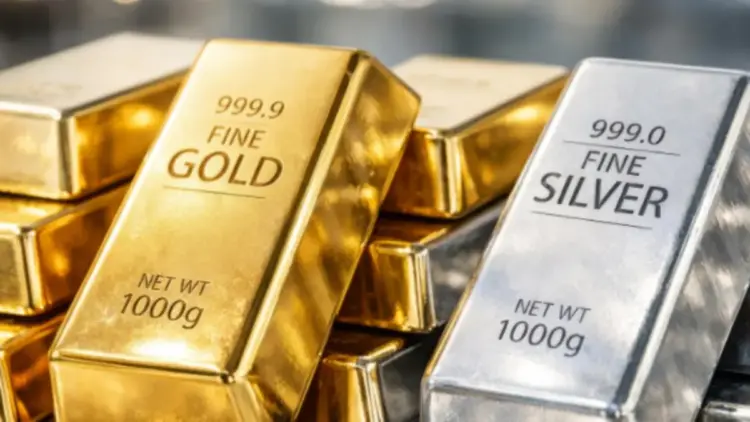
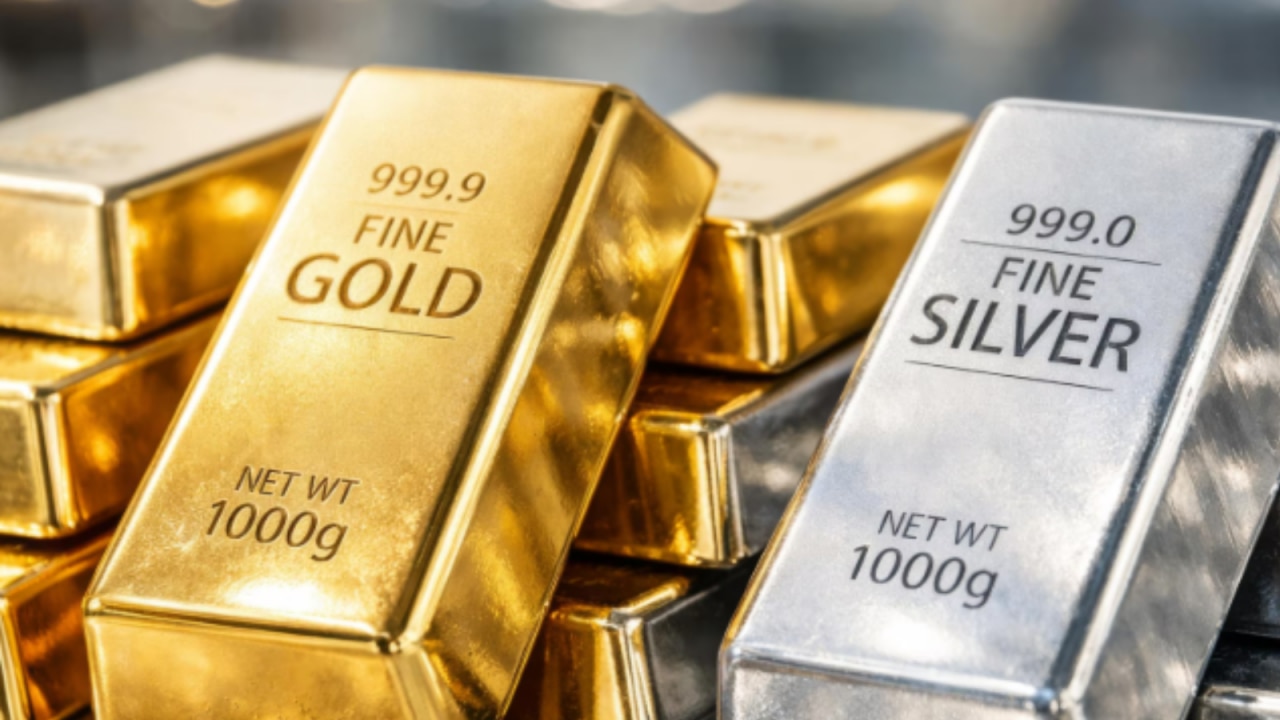
Today, the Indian bullion market presents a nuanced picture, with gold demonstrating a marginal uptick influenced by persistent global demand and inflationary pressures, while silver maintains its robust industrial and investment appeal. The allure of these metals, deeply ingrained in India’s cultural and economic fabric, ensures their daily price movements are closely watched across the nation.
Gold’s Steady Ascent: Today’s Rates
As of October 28, 2026, gold prices in India have experienced a slight yet noticeable increase, a trend largely attributed to global market dynamics and the omnipresent threat of inflation. This subtle rally underscores gold’s enduring role as a safe-haven asset amidst economic uncertainties.
The benchmark 24K gold (999 purity) is presently valued at Rs 14,330 per gram nationwide. For those eyeing jewellery purchases, 22K gold (91.67% pure, the standard for most Indian ornaments) is pegged at Rs 13,086 per gram. These figures represent the national average, with slight variations across major metropolitan centres.
City-wise Gold Rates (24K & 22K) on October 28, 2026:

- Delhi:
- 24K Gold: Rs 14,345 per gram
- 22K Gold: Rs 13,151 per gram
- Mumbai:
- 24K Gold: Rs 14,330 per gram
- 22K Gold: Rs 13,136 per gram
- Kolkata:
- 24K Gold: Rs 14,330 per gram
- 22K Gold: Rs 13,136 per gram
- Chennai:
- 24K Gold: Rs 14,330 per gram
- 22K Gold: Rs 13,136 per gram
These city-specific rates, often sourced from reputable aggregators like Good Returns, illustrate the minor logistical and demand-supply variations that can exist within the national pricing framework.
Silver’s Enduring Appeal: Current Valuations
While gold often garners the spotlight, silver maintains its significant position in both investment portfolios and traditional Indian consumption. Today, silver prices reflect a blend of global industrial demand and local investment interest.

The price of 999 pure silver is approximately Rs 2,19,900 per kilogram. For sterling silver (925 purity), often used in intricate ornaments and silverware, the rate stands at Rs 2,20,000 per kilogram. It’s important to note that while silver is generally less expensive than gold, its price volatility can be pronounced due to its dual role as a precious metal and an industrial commodity.
City-wise Silver Rates (999 Purity) on October 28, 2026:

- Delhi: Rs 2,199 per 10 grams
- Mumbai: Rs 2,199 per 10 grams
- Kolkata: Rs 2,199 per 10 grams
- Chennai: Rs 2,199 per 10 grams
These uniform rates across major cities indicate a relatively stable national pricing mechanism for silver today, though local premiums and discounts can emerge based on immediate supply and demand dynamics.
A Look Back: The Recent Trajectory of Precious Metals
Understanding today’s prices requires contextualizing them within recent historical trends. The journey of gold and silver over the past year, and particularly the last quarter, has been marked by significant global economic shifts and domestic market responses.

Gold’s Path Through 2026
The year 2026 has been a period of cautious optimism and intermittent volatility for gold. Following a robust performance in late 2025, driven by geopolitical tensions and concerns over global economic slowdowns, gold prices initially saw a slight correction in early 2026 as central banks signaled aggressive interest rate hikes to combat inflation. However, this downward pressure was often offset by renewed safe-haven buying whenever market uncertainties resurfaced.
From Q2 2026 onwards, a sustained inflationary environment, coupled with a deceleration in global economic growth projections, began to underpin gold’s resilience. Investors increasingly turned to gold as a hedge against currency debasement and market instability. Over the last three months, leading up to October 28, gold has witnessed an average appreciation of approximately 4-5%, recovering from earlier dips and solidifying its position above key psychological thresholds. The current price of Rs 14,330 per gram for 24K gold reflects this upward trajectory, maintaining momentum from the preceding festive season demand that typically commences around September.

Silver’s Rollercoaster Ride
Silver, often termed "poor man’s gold," has followed a more erratic, albeit generally upward, path. Its dual nature as an industrial metal means its price is highly sensitive to global manufacturing output and technological advancements, in addition to its appeal as a store of value.
Earlier in 2026, silver prices experienced significant fluctuations, initially benefiting from the burgeoning demand for electronics, solar panels, and electric vehicles, where it is a critical component. However, any signs of a global industrial slowdown or supply chain disruptions quickly translated into price corrections. Over the past six months, silver has shown a net gain of roughly 6-8%, occasionally outperforming gold during periods of strong industrial recovery, but also exhibiting greater volatility. The current price of Rs 2,19,900 per kilogram indicates a period of relative stability following earlier peaks and troughs, buoyed by consistent demand from both the industrial sector and retail investors who see it as an affordable entry point into the precious metals market.

The current pricing on October 28, 2026, for both metals, therefore, is not an isolated event but a continuation of these broader trends, shaped by an intricate dance between global macroeconomics and localized market forces.
Unpacking the Influential Factors
The daily valuation of gold and silver in India is a result of numerous interconnected factors, ranging from international economic policies to domestic cultural practices. A deeper understanding of these drivers is crucial for anyone engaging with the precious metals market.

Global Economic Headwinds and Tailwinds
The international landscape profoundly dictates the direction of gold and silver prices.
- Global Inflationary Pressures: Persistent inflation across major economies, particularly in the US and Europe, remains a primary driver for gold prices. As fiat currencies lose purchasing power, gold’s appeal as a traditional inflation hedge strengthens, leading to increased demand from institutional investors and central banks. Today’s slight increase in gold reflects this ongoing concern.
- Interest Rate Policies: Decisions by major central banks, especially the US Federal Reserve, on interest rates have a significant impact. Higher interest rates typically make non-yielding assets like gold less attractive compared to interest-bearing bonds. However, if rate hikes are perceived as insufficient to curb inflation, or if they trigger recessionary fears, gold can still rally. The current environment sees a delicate balance, where inflationary concerns are outweighing the allure of moderately higher bond yields.
- Geopolitical Instability: Conflicts, political tensions, and economic sanctions globally often trigger safe-haven buying. Gold and, to a lesser extent, silver, are considered reliable assets during times of uncertainty, leading to price surges as investors seek refuge from market volatility. While no major new conflicts are reported today, underlying geopolitical risks contribute to the baseline demand for these metals.
- Strength of the US Dollar: Gold is priced in US dollars globally. A stronger dollar typically makes gold more expensive for holders of other currencies, potentially dampening demand and leading to lower dollar-denominated prices. Conversely, a weaker dollar makes gold cheaper and can boost demand. The current USD-INR exchange rate, influenced by the dollar’s global strength, directly impacts the rupee-denominated prices.
Domestic Demand Drivers
India’s unique cultural and economic context creates distinct demand patterns for gold and silver.

- Festive and Wedding Seasons: India’s love affair with gold is legendary, especially during festivals like Diwali, Dhanteras, Akshaya Tritiya, and the perennial wedding season. These periods witness a surge in demand for jewellery, coins, and bars, pushing prices upward. While October 28 is not a major festival day, the proximity to the overarching festive quarter (leading up to December) keeps demand robust.
- Investment Demand: Beyond cultural consumption, a significant portion of gold and silver demand in India comes from investment. Many households view precious metals as a traditional and reliable store of wealth, particularly in rural areas where access to formal financial instruments might be limited. The current inflationary environment further fuels this investment demand as people seek to protect their savings.
- Monsoon Performance: The health of India’s agricultural sector, heavily reliant on the monsoon, indirectly influences gold demand. A good monsoon often translates to higher rural incomes, subsequently boosting the purchasing power for gold and silver, particularly in the vast rural hinterlands.
- Industrial Demand (for Silver): India’s growing manufacturing sector contributes to the demand for silver, especially in electronics, photography, and renewable energy (solar panels). This industrial uptake provides a baseline demand for silver, insulating it to some extent from purely speculative swings.
The Currency Conundrum: USD-INR Exchange Rate
The exchange rate between the Indian Rupee (INR) and the US Dollar (USD) is a critical determinant of local precious metal prices. Since gold is globally benchmarked in dollars, any depreciation of the Rupee against the Dollar makes imported gold more expensive in Rupee terms, even if the international dollar price remains stable. Conversely, an appreciating Rupee can make gold cheaper. The current exchange rate environment, reflecting global dollar strength and India’s trade balance, plays a pivotal role in today’s price calculations, directly impacting the landed cost of imported bullion.
Expert Perspectives and Industry Sentiments
To fully grasp the market’s pulse, it’s essential to consider the views of industry veterans, market analysts, and economic commentators. Their insights often provide a forward-looking dimension to the current price trends.

Analysts Weigh In on Gold’s Future
"The slight uptick in gold prices today, while modest, is indicative of a broader market sentiment leaning towards caution," notes Dr. Anjali Sharma, a leading bullion market analyst based in Mumbai. "With global inflation proving more sticky than initially anticipated and central banks navigating a tightrope walk between taming prices and avoiding a deep recession, gold’s role as a safe haven is increasingly emphasized. We anticipate this underlying demand to provide a strong floor for gold prices in the coming months, with potential for further gains if geopolitical tensions escalate or global growth concerns deepen."
Another perspective comes from Mr. Rajesh Kumar, a commodity strategist at a prominent financial firm. "What we’re observing is a classic flight to quality. While equity markets have seen some recovery, the fundamental economic uncertainties persist. Investors are diversifying into gold, not necessarily for speculative gains, but for capital preservation. The Rs 14,330 mark for 24K gold is a psychologically important level, and holding above it signals sustained confidence in the metal."

Jewellers and Retailer Sentiments
For jewellers, today’s prices present a mixed bag. "Any increase, even a slight one, can make customers think twice, especially if they’re on a budget for wedding jewellery," says Mr. Sunil Agarwal, proprietor of a multi-generational jewellery store in Delhi. "However, the cultural significance of gold means that during festivals or important family events, demand remains relatively inelastic. People will still buy, perhaps opting for lighter pieces or slightly lower purity, but the purchase will happen."
He adds, "The sustained high prices also mean higher working capital requirements for us, but it also reflects the intrinsic value that customers seek. The clarity on 22K and 24K prices, city-wise, helps us guide our customers better."

Silver’s Industrial and Investment Outlook
"Silver’s performance is intrinsically tied to global manufacturing. While gold is largely a monetary asset, silver’s industrial demand component makes it more susceptible to economic cycles," explains Ms. Priya Singh, a commodity research head. "The current stability in silver prices, around Rs 2,19,900 per kilogram, suggests a healthy balance between industrial consumption, particularly in renewable energy sectors, and investment appetite. As the world pushes for green energy transition, silver’s long-term industrial demand looks robust, potentially leading to higher price floors in the future."
Industry experts also highlight the growing popularity of silver as an affordable investment option for retail investors. "Many new investors who find gold prohibitive are turning to silver ETFs or physical silver coins and bars," observes Mr. Sanjay Mehta, a bullion dealer in Kolkata. "It offers a similar hedge against inflation but at a lower entry cost, making it an attractive proposition for a wider demographic."

Implications and Future Outlook
The current prices and underlying market dynamics for gold and silver have far-reaching implications for various stakeholders and suggest potential trajectories for the precious metals market in India.
For Investors: Navigating Opportunities and Risks
For investors, today’s prices highlight gold’s continued role as a resilient asset. The slight increase reaffirms its safe-haven status, making it an attractive option for portfolio diversification, especially for those seeking to hedge against inflation and market volatility.

- Gold as a Hedge: In an environment of persistent inflation and economic uncertainty, gold remains a preferred hedge. Investors might consider increasing their allocation to gold, either through physical bullion, Sovereign Gold Bonds (SGBs) issued by the government, or Gold Exchange Traded Funds (ETFs) for liquidity and ease of trading.
- Silver’s Dual Appeal: Silver offers a unique blend of industrial growth potential and precious metal stability. Its current valuation makes it an appealing choice for investors looking for exposure to both commodity cycles and safe-haven characteristics.
- Timing the Market: While the current trend is upward for gold, investors should remain cautious of sudden shifts in global economic policy or geopolitical events that could trigger corrections. Dollar strength and central bank rhetoric on interest rates will continue to be critical watch factors.
For Consumers: Strategic Purchases
Indian consumers, particularly during the ongoing festive and wedding seasons, face slightly higher costs for their gold and silver purchases.
- Budgeting for Jewellery: With 22K gold at Rs 13,086 per gram, consumers may need to adjust their budgets or consider purchasing lighter jewellery pieces. The transparency of city-wise rates, like Delhi’s slightly higher 24K price, allows for informed decisions based on location.
- Investment vs. Ornamentation: The cultural importance of gold often blurs the lines between investment and ornamentation. Consumers buying for both purposes might find today’s prices a fair reflection of gold’s long-term value, encouraging them to proceed with planned purchases despite the marginal increase.
- Silver’s Affordability: Silver remains a more accessible option for many, particularly for gifts and everyday jewellery. Its relatively stable price today ensures that this segment of the market remains vibrant.
Broader Economic Impact
The movement of gold and silver prices has broader ramifications for the Indian economy.

- Import Bill and Current Account Deficit: India is a major importer of gold. Higher global prices and increased domestic demand translate into a larger import bill, which can put pressure on the country’s current account deficit and the Rupee.
- Inflationary Pressures: While gold acts as a hedge against inflation for individuals, its rising prices can also be seen as an indicator of underlying inflationary pressures within the economy.
- Financialization of Savings: Government initiatives like Sovereign Gold Bonds aim to channel physical gold demand into financial instruments, reducing reliance on physical imports and promoting productive use of capital. The continued high prices of physical gold might encourage more investors to look towards these alternatives.
Future Outlook: Navigating the Unpredictable
Looking ahead, the trajectory of gold and silver prices will largely depend on the evolution of key global and domestic factors:
- Global Economic Slowdown vs. Resilience: If major economies slide into a deeper recession, gold’s safe-haven appeal will strengthen further. Conversely, a stronger-than-expected global recovery might divert funds towards riskier assets, potentially tempering gold’s ascent.
- Inflationary Path: Whether inflation moderates or persists will be crucial. Sustained high inflation will continue to support gold prices.
- Central Bank Policies: Future interest rate decisions by central banks globally, and the Reserve Bank of India domestically, will directly influence the cost of holding non-yielding assets.
- Geopolitical Landscape: Any new geopolitical flashpoints could rapidly drive up demand for precious metals.
- Domestic Demand Momentum: The ongoing festive and wedding season demand, extending into early 2027, will continue to provide strong support for prices within India.
In conclusion, October 28, 2026, sees India’s precious metals market reflecting a delicate balance of global economic anxieties and robust domestic demand. While gold enjoys a marginal uptick driven by its safe-haven appeal, silver maintains its dual role as an industrial commodity and an accessible investment. As these trends evolve, stakeholders will continue to monitor the intricate dance of international and local factors that determine the daily value of these cherished metals.