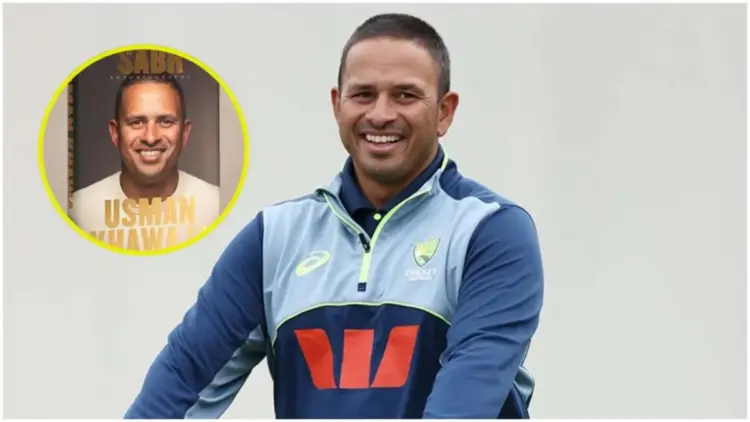
Khawaja’s revelations are not merely a rehashing of old wounds; they represent a deliberate attempt to broaden the scope of responsibility, suggesting that the entire Australian team was aware of the illicit practice. He also questions the thoroughness of the subsequent inquiry, revealing that despite his close proximity to Cameron Bancroft during the fateful Test match, he was never investigated. While firmly stating his intention is "not a witch hunt," Khawaja’s candid account demands a collective reckoning, arguing that only a handful of players were made to "cop this flak for a long time," while others, equally aware, remained shielded.
The Core Allegations: Collective Knowledge and a Flawed Probe
At the heart of Khawaja’s narrative lies the assertion that the use of sandpaper to alter the condition of the ball was not an isolated act by a rogue trio but rather a widely known, if tacitly accepted, practice within the team. This contradicts the initial findings and public perception, which largely confined the blame to then-captain Steve Smith, vice-captain David Warner, and opening batter Cameron Bancroft. Khawaja’s account directly challenges this simplified narrative, implying a systemic issue that extended beyond the three sanctioned players.
Furthermore, Khawaja articulates a deep dissatisfaction with Cricket Australia’s investigation. He describes the probe as feeling "rushed" and highlights a glaring inconsistency: "I don’t feel like it was a thorough investigation because I never got investigated, and I was sitting next to Cameron Bancroft the whole time." This personal anecdote underscores a critical flaw in the inquiry’s methodology, raising questions about its comprehensiveness and commitment to uncovering the full truth. If a player in such close proximity to the act was overlooked, it suggests a narrow focus that potentially missed wider complicity or at least a broader culture of awareness.
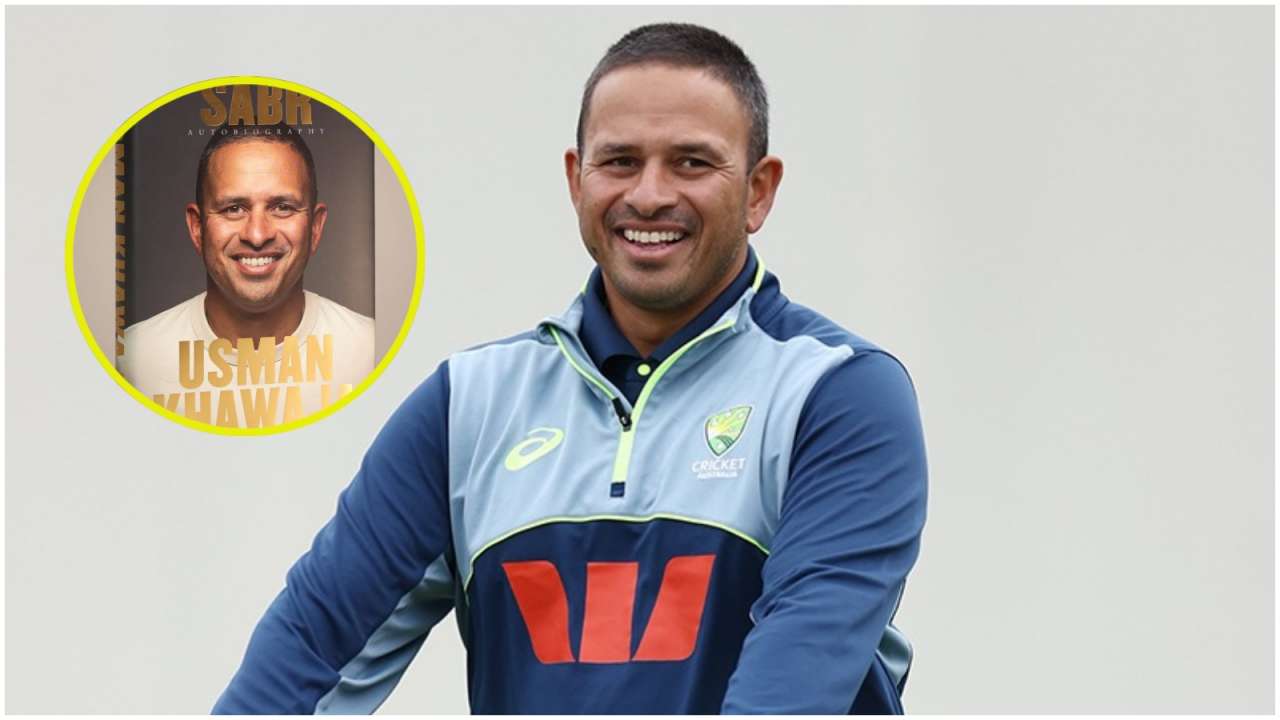
Khawaja’s stated goal is not to target individuals but to foster an environment where the team collectively acknowledges its role. He expresses empathy for Smith, Warner, and Bancroft, who endured severe public condemnation and lengthy bans. By sharing his "truth," Khawaja hopes to encourage others who were part of the 2018 squad to also speak candidly, believing that a more honest and holistic understanding of the events is crucial for healing and moving forward. He explicitly states that he has "deliberately avoided naming individuals," reinforcing his desire for collective accountability rather than individual persecution.
Sandpapergate: A Stain on Australian Cricket’s Legacy
To fully appreciate the gravity of Khawaja’s current revelations, it is essential to revisit the defining moments of the Sandpapergate scandal and its immediate aftermath. The incident, unfolding on a global stage, irrevocably altered the trajectory of Australian cricket and left an indelible stain on its reputation for fair play.
The Unfolding Drama in Cape Town (March 2018)
The stage was set during the third Test match between Australia and South Africa at Newlands, Cape Town, in March 2018. The series was fiercely contested, marked by intense on-field rivalry and off-field verbal sparring. On the third day of the Test, during South Africa’s second innings, television cameras captured Australian opening batsman Cameron Bancroft appearing to rub a yellow object on the ball before putting it down his trousers. The images, broadcast live, quickly went viral, igniting a firestorm of speculation and outrage.
Initially, Bancroft and Smith addressed the media, admitting to a pre-meditated plan to tamper with the ball. Bancroft stated he had used "yellow tape" with granules from the pitch to alter the ball’s condition, an admission that was later revised to sandpaper. Smith, as captain, took responsibility, acknowledging that the "leadership group" was aware of the plan. This initial admission, delivered with a casualness that shocked many, only intensified the global condemnation. The incident was a blatant breach of Law 41.3 of the Laws of Cricket, which strictly prohibits any artificial alteration of the ball.
The immediate fallout was severe. The International Cricket Council (ICC) banned Smith for one Test and fined him 100% of his match fee, while Bancroft received a 75% fine and three demerit points. However, public and governmental pressure on Cricket Australia mounted rapidly, demanding a far more stringent response.
Cricket Australia’s Swift and Decisive Action
Under immense scrutiny, Cricket Australia launched its own investigation, spearheaded by then-CEO James Sutherland and head of integrity Iain Roy. The investigation was conducted rapidly, concluding within days. Its findings were damning. CA determined that Smith, Warner, and Bancroft were the only players with direct knowledge of the plan to use sandpaper.

The punishments handed down by Cricket Australia were unprecedented in modern cricket history:
- Steve Smith: Banned from all international and domestic cricket for 12 months and stripped of the captaincy for two years.
- David Warner: Banned from all international and domestic cricket for 12 months and permanently barred from holding any leadership position in Australian cricket.
- Cameron Bancroft: Banned from all international and domestic cricket for 9 months.
All three players were also required to undertake community service in cricket. The severe sanctions reflected the profound damage inflicted upon Australian cricket’s reputation and the perceived breach of the spirit of the game. The trio were sent home in disgrace, facing a hostile media and a devastated public. Their tearful press conferences upon arrival in Australia became iconic images of sporting shame. The incident led to a complete overhaul of the team’s leadership, with Tim Paine taking over the Test captaincy and Aaron Finch later assuming white-ball leadership.
The Longstaff Review: Beyond the Immediate Punishments
While the immediate punishments addressed individual wrongdoing, the Sandpapergate scandal prompted a deeper introspection into the culture of Australian cricket. In the wake of the incident, Cricket Australia commissioned an independent review into its culture and organisational governance. Led by Dr. Simon Longstaff, the "Ethics Centre" review, released in October 2018, painted a stark picture of a "win at all costs" mentality that had permeated Australian cricket.

The Longstaff Review found that Cricket Australia itself bore some responsibility for the environment that led to the ball-tampering. It described an "arrogant" and "controlling" culture within CA, which had contributed to a detachment between the administration and the players, fostering a climate where ethical boundaries could be blurred. The review concluded that the pursuit of commercial success and an aggressive on-field image had, over time, eroded the moral foundations of the sport. It made 42 recommendations aimed at reforming CA’s governance, leadership, and ethical framework, including measures to empower players to speak up and to foster a more inclusive and ethical culture. The review implicitly suggested that while three players executed the act, the broader system had created the conditions for it.
Usman Khawaja’s Truth: "Sabr" and the Call for Collective Accountability
Eight years on, Khawaja’s voice emerges not from a place of vindictiveness, but from a considered reflection, encapsulated in his book’s title, Sabr, an Arabic word meaning patience and perseverance. His memoir offers a deeply personal and professional account, providing a crucial insider perspective that challenges the established narrative and seeks a more comprehensive understanding of a pivotal moment in Australian cricket.
Dispelling the "Witch Hunt" Narrative
Khawaja is acutely aware of the potential for his revelations to be misconstrued as an attack on former teammates. He has gone to great lengths to clarify his intentions, particularly in interviews following the book’s release. Speaking to ABC, Khawaja unequivocally stated, "this has never been a witch hunt for me." He reiterated that he deliberately avoided naming individuals in his book, a conscious choice aimed at focusing on the systemic issues rather than singling out more players for blame.

His motivation, he explains, stems from a deep empathy for Smith, Warner, and Bancroft, who bore the immense weight of public and institutional condemnation. "It’s only been those three guys who’ve had to cop this flak for a long time," he observed. Khawaja’s desire is to alleviate this burden by advocating for a broader acknowledgment of responsibility. He hopes that by sharing his "truth," others who were part of the 2018 squad will feel empowered to speak honestly about their own knowledge and experiences, thereby fostering a shared sense of accountability. He emphasizes his friendships with current and former teammates like Pat Cummins, Mitchell Starc, Shaun Marsh, and Mitch Marsh, underscoring that his critique is not born of animosity but a desire for integrity.
The Ethics of Omission: Khawaja’s Uninvestigated Proximity
Perhaps one of the most striking details in Khawaja’s account is his revelation about not being investigated by Cricket Australia, despite his close proximity to Cameron Bancroft during the ball-tampering incident. "I never got investigated, and I was sitting next to Cameron Bancroft the whole time," he disclosed. This detail is not merely a trivial point; it raises profound questions about the thoroughness and scope of CA’s investigation.
If a player in the immediate vicinity of the primary perpetrator was not questioned, it suggests a potentially narrow and perhaps rushed inquiry. This omission could imply that CA’s focus was predominantly on establishing who physically executed the act and who authorized it, rather than exploring the broader culture of awareness or tacit acceptance within the team. Khawaja’s statement challenges the conclusion that only Smith, Warner, and Bancroft had direct knowledge, suggesting that the investigation itself might have been incomplete in its pursuit of the full picture. His feeling that the investigation "felt rushed" resonates with the external perception at the time that CA needed to act swiftly to mitigate reputational damage, potentially at the expense of a truly exhaustive inquiry.

The Weight of Responsibility: Why Now?
The timing of Khawaja’s revelations, eight years after the event, is significant. While some might question the delay, it is often in the quiet space of reflection that individuals process traumatic or challenging experiences. Writing a memoir provides a unique platform for such introspection, allowing Khawaja to present a comprehensive narrative of his career and life, within which Sandpapergate undoubtedly played a defining role.
His decision to speak out now, when the immediate heat of the scandal has long subsided, suggests a desire for genuine closure and a rectification of the historical record, rather than a pursuit of immediate sensationalism. It also aligns with the typical lifecycle of sporting memoirs, where players often share their most profound insights once their careers are mature or concluded, offering a more detached and nuanced perspective. Khawaja’s current standing as a respected, senior figure in Australian cricket, known for his thoughtful and articulate commentary, lends considerable weight to his words. His call for collective responsibility, rather than further individual blame, frames his intervention as an act of restorative justice for the team’s integrity.
Broader Context: Ball-Tampering History and Cricket’s Moral Compass
Khawaja’s revelations also invite a broader discussion about the history of ball-tampering in cricket and the sport’s ongoing struggle with maintaining its "spirit." While Sandpapergate was arguably the most high-profile and severely punished instance, ball-tampering has a long and somewhat checkered history. From using bottle tops and zippers to applying lip balm or mints, players have historically sought ways to alter the ball’s condition to gain an advantage.

However, the severity of the 2018 incident lay in its premeditation, the use of an artificial abrasive, and the perceived breach of trust by a top-ranked international team. The global outrage was not just about the act itself, but about its perceived implications for the integrity of the game. Khawaja’s claims of wider knowledge within the team, if true, would mean that the problem was more deeply ingrained than previously understood, extending beyond the individual failings of three players to a broader cultural issue within the dressing room. This connects directly to the findings of the Longstaff Review, which highlighted a cultural environment conducive to such breaches. His words suggest that while the immediate culprits were punished, the underlying cultural issues may not have been fully addressed or acknowledged by all involved.
Official Silence and Anticipated Reactions
The gravity of Usman Khawaja’s claims demands a response, yet the immediate aftermath of his book’s release has been met with a cautious silence from official bodies and many of the players involved. This silence, while understandable given the sensitivity of the issue, only amplifies the questions Khawaja has raised.
Cricket Australia’s Stance: Past Investigations and Future Considerations
Cricket Australia, having conducted its comprehensive investigation and implemented the recommendations of the Longstaff Review, officially considers the Sandpapergate matter closed. Their official stance has long been that the three sanctioned players were the only ones with direct knowledge of the plan to use sandpaper. Khawaja’s assertions directly challenge this conclusion.

It is highly unlikely that Cricket Australia would reopen its investigation based solely on a memoir, especially one that deliberately refrains from naming new individuals. However, the revelations do put CA in an awkward position. To ignore them completely risks appearing dismissive of a senior player’s credible account and the lingering questions about the thoroughness of their original inquiry. Any official statement from CA would likely reiterate their confidence in the original investigation’s findings and the steps taken since to foster a more ethical culture. They might emphasize the importance of moving forward and focusing on the current team’s values, without explicitly confirming or denying Khawaja’s claims. The challenge for CA is to acknowledge the concerns raised without undermining the integrity of their past actions or reigniting a deeply painful chapter.
Voices from the Dressing Room: The Unspoken Code
The current Australian team, many of whom were teammates with Khawaja in 2018, finds itself in a delicate situation. Players like Pat Cummins and Mitchell Starc, whom Khawaja specifically named as friends, are now leaders within the team. Publicly contradicting Khawaja, a respected elder statesman, would be difficult, but confirming his claims could destabilize the current team dynamic and reignite a media firestorm.
The cricketing world often operates with an unwritten code of silence regarding dressing-room secrets, particularly those involving controversial incidents. While Khawaja has broken this silence, it remains to be seen if other current or former players will follow suit. Any response from current players would likely be carefully worded, emphasizing team unity, respect for Khawaja, and a focus on the present and future of Australian cricket. They might acknowledge the difficulties of the past without directly endorsing Khawaja’s specific allegations about collective knowledge. The pressure on these players, especially those in leadership roles, to navigate this complex terrain will be significant.

Punditry and Public Discourse: Echoes from the Past
Khawaja’s book has already ignited a renewed wave of discussion among cricket pundits, commentators, and the wider public. For years, there has been a lingering suspicion among some that the Sandpapergate scandal involved more than just three players. Khawaja’s account gives credence to these long-held doubts, providing an insider’s perspective that was previously absent.
Former players, journalists, and fans will undoubtedly scrutinize Khawaja’s words, comparing them to previous statements from Smith, Warner, and Bancroft, who have at various times hinted at wider knowledge or an oppressive team culture. The media narrative will likely shift from simply recalling the incident to analyzing the implications of Khawaja’s claims for the integrity of the original investigation and the broader accountability of the team. This renewed discourse will test the sport’s capacity for introspection and its willingness to confront uncomfortable truths, even eight years later.
The Enduring Aftermath: Implications for Australian Cricket
Usman Khawaja’s decision to reopen the Sandpapergate wound is not without significant implications. While his stated aim is healing and collective accountability, the act itself will inevitably stir the pot, impacting current team dynamics, Cricket Australia’s historical record, and the broader narrative of integrity in sport.

Reopening Old Wounds: Impact on Team Cohesion
The current Australian team, under Pat Cummins’ captaincy, has largely distanced itself from the ‘win at all costs’ culture that preceded Sandpapergate. Cummins himself has spoken extensively about playing "the right way" and fostering a team culture based on respect and ethical conduct. Khawaja’s revelations, however, force the team to confront a difficult past, potentially reopening old wounds among players who were part of the 2018 squad.
While Khawaja’s approach is empathetic and aimed at broader understanding, the very act of discussing collective knowledge could create an uncomfortable atmosphere. Those who remained silent might feel pressure, while those who were punished might feel a renewed sense of injustice. The challenge for team management will be to navigate these complexities, ensuring that the focus remains on the team’s current values and future aspirations, without dismissing the validity of Khawaja’s historical perspective. It could, however, also serve as a catalyst for deeper, more honest conversations within the team, ultimately strengthening their collective resolve to uphold ethical standards.
Accountability and Transparency: A Lingering Challenge for CA
Khawaja’s questioning of Cricket Australia’s investigation poses a significant challenge to the organization’s narrative of having thoroughly addressed the scandal. If the investigation was indeed "rushed" and missed key players, it raises questions about CA’s commitment to full transparency and accountability in the face of crisis. While CA has implemented many reforms since 2018, Khawaja’s memoir implies that a full and honest reckoning with the past might still be incomplete at an organizational level.

This could lead to renewed calls for CA to provide a more detailed public account of its investigation processes, particularly concerning the scope and questioning of players beyond the central trio. While a new investigation is unlikely, the pressure to acknowledge the perceived shortcomings of the original probe and to reaffirm its commitment to ethical governance will be considerable. CA’s response to Khawaja’s book will be a test of its current leadership’s willingness to engage with critical historical perspectives.
Khawaja’s Legacy: A Voice for Integrity
Usman Khawaja’s decision to speak out, knowing it would generate controversy, solidifies his reputation as a thoughtful, principled, and courageous voice within Australian cricket. Already respected for his cricketing prowess and his articulate nature, this act burnishes his legacy as someone willing to prioritize integrity and truth over convenience or self-preservation.
His memoir, Sabr, transcends mere autobiography; it becomes a significant historical document, offering an alternative and potentially more complete account of one of Australian cricket’s darkest chapters. Khawaja has positioned himself not as a whistleblower seeking retribution, but as a moral compass, urging his sport to fully reconcile with its past to build a more robust and ethical future. His actions could inspire other athletes in various sports to come forward with their own truths about systemic issues.

The Unfinished Narrative of Sandpapergate
Eight years on, Sandpapergate continues to cast a long shadow over Australian cricket. Khawaja’s revelations confirm that for many, the narrative of three rogue players was always too simplistic. His memoir suggests that the scandal was a symptom of a deeper cultural malaise, and that while the visible wounds have healed, the underlying scars remain.
The ultimate implication is that the story of Sandpapergate is not yet complete. It invites a new generation of players, administrators, and fans to grapple with the complexities of sporting ethics, the pressures of elite competition, and the profound responsibility that comes with representing a nation. Khawaja has reopened a crucial conversation, reminding everyone that true accountability often requires more than just punitive measures; it demands honest reflection, collective responsibility, and a genuine commitment to learning from the past, no matter how uncomfortable that learning may be.