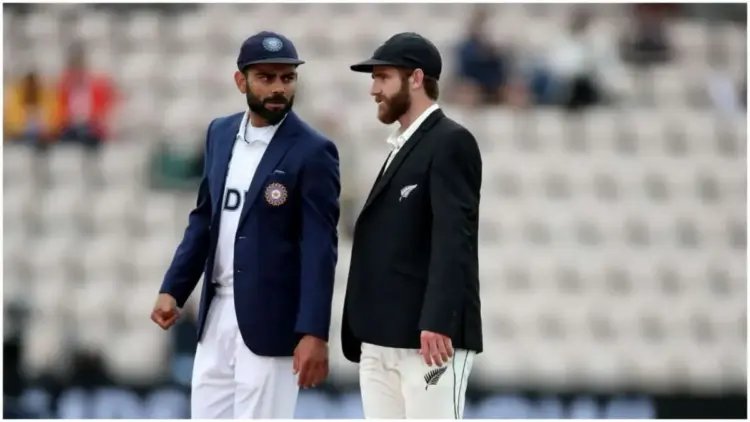
A cricketing brotherhood transcending fierce rivalries, New Zealand’s former captain Kane Williamson has revealed a deeply personal conversation with India’s batting maestro Virat Kohli, a chat that proved pivotal in his decision to retire from international cricket. Describing the exchange as "looking in the mirror," Williamson’s insights shed light on the unique bonds forged at the pinnacle of professional sport and the profound introspection required when an elite athlete contemplates stepping away from the game they have dominated for years.
The revelation, made during an appearance on the popular "Between Two Beers" podcast, offers a rare glimpse into the private struggles and shared wisdom among contemporary cricketing legends. Williamson’s decision to conclude his illustrious international career, though anticipated by many given the relentless demands of the modern game, was evidently solidified by the understanding and empathy he found in a fellow captain and competitor.
The Mirror Effect: A Conversation of Shared Destinies
Main Facts
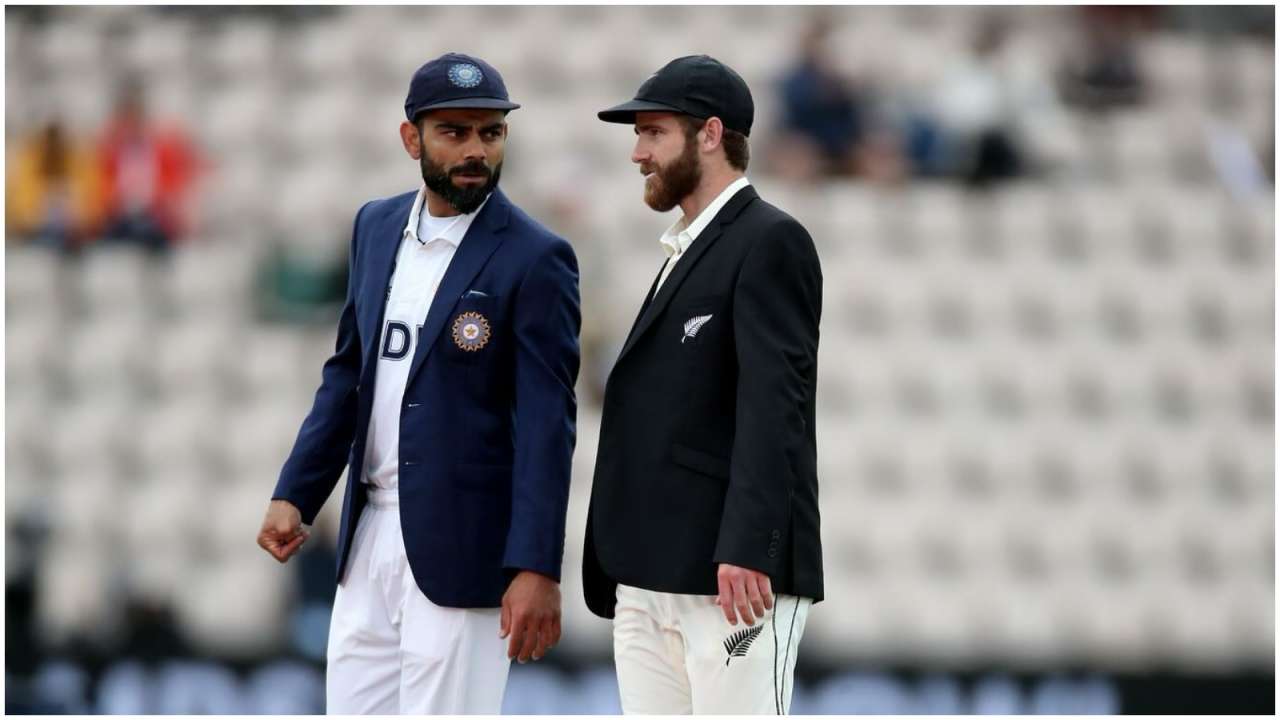
Kane Williamson, one of New Zealand’s most revered cricketers, publicly announced his retirement from international cricket. Just a day prior to this significant life decision, Williamson engaged in a profound conversation with Indian superstar Virat Kohli. This discussion, which Williamson described as akin to "looking in the mirror," deeply resonated with him due to their strikingly parallel careers and shared experiences at the highest echelons of the sport. The mutual understanding and vulnerability shared during this chat ultimately affirmed Williamson’s conviction that it was the right time to step away.
Williamson explicitly stated on the "Between Two Beers" podcast: "I spoke to a number of people I trust and I’ve been really, really close with. And then I actually had a really, really cool chat with Virat like the day before I announced it, and it was really like looking in the mirror, just sharing the experiences that we’ve had in the game for so long." This profound sentiment underscores the depth of their connection, extending beyond mere professional acquaintance to a genuine camaraderie built on shared trials and triumphs.
Chronology: From U19 Rivals to Global Icons
The intertwined careers of Kane Williamson and Virat Kohli offer a compelling narrative of two prodigious talents rising concurrently to global superstardom. Their paths first notably crossed during the 2008 ICC Under-19 Cricket World Cup semi-final, where Kohli led India to victory over Williamson’s New Zealand side. Both captains at such a tender age, this early encounter foreshadowed decades of respectful rivalry and mutual admiration.

Over the next decade and a half, both players ascended to the captaincy of their respective senior national teams, carrying the immense hopes and expectations of millions. Kohli, with his aggressive dynamism and record-breaking run-scoring, transformed the Indian team into a formidable force across all formats. Williamson, renowned for his calm demeanor, strategic acumen, and elegant batting, similarly guided New Zealand to unprecedented heights, including reaching two ICC Cricket World Cup finals and clinching the inaugural ICC World Test Championship title in 2021.
Their careers mirrored each other in numerous ways:

- Captaincy: Both assumed the mantle of national leadership during peak periods of their playing careers, facing immense pressure and scrutiny.
- Batting Prowess: Both established themselves as central figures in the "Fab Four" of modern batting (alongside Joe Root and Steve Smith), consistently delivering match-winning performances.
- Global Recognition: Both garnered immense respect worldwide, not just for their skills but also for their sportsmanship and leadership qualities.
- Personal Milestones: Intriguingly, both players also experienced fatherhood around similar times, adding a new dimension to their lives and perspectives, a factor Williamson specifically highlighted in their conversation.
"There’s no one else I think, even players in your own team, from, at times, that have just been in that exact same position for the exact same length of time, captaincy roles, children at the same time. Like we sort of live this parallel thing," Williamson elaborated, emphasizing the unique confluence of professional and personal experiences that made their bond so singular. This shared understanding of the multifaceted demands of elite sport, coupled with the profound changes in their personal lives, created a fertile ground for a truly empathetic exchange.
Supporting Context: The Unseen Burdens of Elite Sport
The conversation between Williamson and Kohli delves into the often-unseen psychological landscape of elite athletes. While the public witnesses the glory, the centuries, and the victories, the relentless pursuit of excellence takes a significant toll. The demands include:

- Constant Performance Pressure: Every game, every innings, every ball is scrutinized, with millions of fans and media outlets dissecting every move.
- Physical Endurance: A packed international schedule, extensive travel, and rigorous training regimes push bodies to their limits.
- Mental Fortitude: The ability to bounce back from failure, handle criticism, and maintain focus under intense pressure is paramount.
- Sacrifice of Personal Life: Extended periods away from family, missing key life events, and living in a constant bubble can lead to isolation and burnout.
Williamson’s revelation highlights that even at the very top, athletes grapple with universal human experiences. Kohli, having recently stepped down from captaincy across all formats for India and navigating his own career evolution, likely offered invaluable perspective. He had already made "some of those big decisions," as Williamson noted, giving him a unique vantage point from which to advise a peer facing similar crossroads. The vulnerability shared in their chat speaks volumes about the trust and respect that existed between them, allowing them to discuss "real vulnerable stuff and how you were feeling and and just connect over it."
Official Responses: The Evolving Philosophy of the Game
Williamson’s detailed account on the podcast served as the primary official response regarding the impact of this conversation. He articulated how his discussion with Kohli revolved around their changing approach to the game and the evolution of their motivations over time.

"It’s funny like your approach to the game and how you treat it and how you go about it. If or when that starts to change and that was largely what we were sharing and and the pursuit and this was a lot of the conversation," Williamson explained. This "pursuit," the relentless drive to improve oneself and the team, defines the career of an elite athlete. However, after 16 years of living that pursuit every single day, the core motivation can inevitably shift.
Williamson further elaborated on this internal transformation: "It’s like ‘man this 16 years on this pursuit and every day is how ‘do I get better, how do I get this team better every day’ and we were talking a lot about that and you do it for a long time your life changes and for the better." He acknowledged the love for the game and the dedication poured into it, but also the inevitable point where life outside cricket begins to assert its importance.

The challenge, as Williamson saw it, was identifying when one starts doing things for reasons that are no longer genuinely one’s own. "Like you do something and you love it for so long, you give it everything and then you do have to put it down, but your life does change and therefore you can find yourself in positions that you’re doing things for reasons that aren’t yours, you know, and I don’t think you can do that for a long time," he stated. This profound insight speaks to the authenticity required to sustain a career at the highest level. When the internal fire shifts, or external pressures overshadow personal drive, it becomes a signal for change.
The conversation with Kohli helped Williamson process these changing dynamics. "I was in that space because I didn’t want to make any sort of drastic decisions on it, but I could see and feel that it was changing a bit," he revealed. The validation and shared experience from Kohli, who had likely navigated similar feelings, provided the clarity Williamson needed. "And we were just talking about this and it’s funny because you play this sport and there’s potentially a profile that’s attached to it and fans that come and watch and it’s an amazing thing to be a part of, but you don’t play it for that," he concluded, highlighting that the true essence of playing lies beyond the external accolades. This deep, honest exchange with Kohli allowed Williamson to reconnect with his intrinsic motivations and realize his time was up.

Implications: The Human Side of Sporting Greatness
The implications of Williamson’s revelation are far-reaching, extending beyond the immediate context of his retirement.
1. The Power of Peer Support in Elite Sport:
This story underscores the critical role of peer support, particularly from those who have walked a similar path. While coaches, family, and agents offer valuable advice, the understanding of a fellow competitor, especially one of Kohli’s stature, is unique. They share a common language of pressure, expectation, and sacrifice that few others can truly comprehend. This interaction serves as a powerful testament to the importance of athletes fostering genuine connections that transcend national loyalties and on-field rivalries. It suggests that even the fiercest competitors can be the most empathetic confidantes.

2. Normalizing the Struggle of Retirement for Athletes:
Retirement for elite athletes is often depicted as a joyous transition or a necessary evil. However, it’s a profound psychological shift, often involving an identity crisis. This conversation normalizes the internal struggle, the doubts, and the need for external validation or perspective. Williamson’s openness about his feelings and the impact of Kohli’s words can empower other athletes to seek similar counsel and embrace the vulnerability associated with such a monumental life change. It demystifies the process, showing that even legends wrestle with these decisions.
3. Redefining Sporting Rivalries:
The Kane Williamson-Virat Kohli dynamic has always been characterized by mutual respect, even during intense competition. This anecdote elevates their relationship to a new level, showcasing that true sportsmanship can evolve into deep personal friendship and mentorship. It challenges the conventional narrative of cut-throat rivalry, suggesting that shared experiences and mutual admiration can create bonds stronger than nationalistic divides. Their bond serves as an example for future generations of athletes, demonstrating that competition doesn’t preclude camaraderie.

4. Legacy and the Evolution of Motivation:
For Williamson, this thoughtful retirement ensures his legacy is one of grace, integrity, and profound self-awareness. He leaves the international arena on his own terms, having meticulously considered his motivations. For Kohli, still active, this highlights his role not just as a player but as a respected elder statesman capable of offering profound guidance. It also subtly reflects on Kohli’s own journey of stepping down from captaincy, implying he too navigated similar shifts in "the pursuit." This conversation adds another layer to their already storied careers, cementing their status not just as cricketing greats but as exemplary human beings.
5. The Future of Athlete Well-being:
In an era where athlete mental health and well-being are increasingly prioritized, this story serves as a powerful case study. It highlights that the transition out of professional sport is a critical phase that requires careful consideration and support. The willingness of top athletes to discuss such vulnerabilities openly can pave the way for more robust support systems within sporting organizations, encouraging players to prioritize their mental and emotional health as much as their physical conditioning.

In conclusion, Kane Williamson’s candid revelation about his conversation with Virat Kohli offers a poignant and insightful look into the lives of cricketing titans. It underscores the profound human connections forged through shared experiences, the complex psychology of retirement, and the enduring power of empathy between even the fiercest competitors. As Williamson embarks on his next chapter, his decision, fortified by the wisdom of a trusted peer, stands as a testament to a career defined by integrity, excellence, and a deep understanding of the game’s evolving demands, both on and off the field.