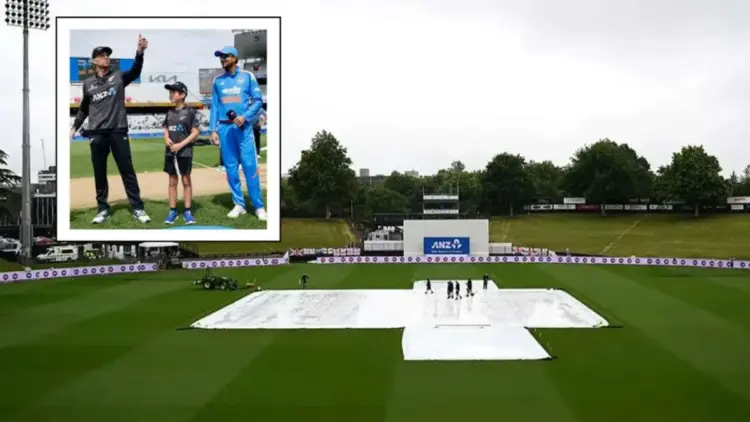
Hamilton, New Zealand – November 10, 2026 – The eagerly anticipated third and final One-Day International between India and New Zealand at Seddon Park, Hamilton, has been cast under a familiar shadow: rain. As the cricketing world watched, expecting a potential historic 3-0 series sweep by a dominant Indian side, persistent showers once again played spoilsport, delaying the toss and casting a pall of uncertainty over the match. With India already holding an unassailable 2-0 lead, the weather’s intervention threatened to deny them a comprehensive series victory and New Zealand a chance to restore some pride on home soil.
The pre-match buzz, usually centered on team strategies and player matchups, was instead dominated by anxious glances skyward and constant updates on weather forecasts. For fans who had braved the elements and for the players keen to conclude the series, the recurring delays were a source of palpable frustration, highlighting the perennial challenges posed by New Zealand’s unpredictable climate.
The Unfolding Drama: A Chronology of Delays at Seddon Park
The morning of November 10th began with an ominous forecast, setting the stage for what would become a day of stop-start anticipation. AccuWeather had predicted a 100% chance of rain for Hamilton throughout the day, coupled with a heavy rain watch from 3 AM Tuesday until 1 AM Wednesday, a stark warning that had already put players, officials, and fans on edge.
Early Morning Apprehensions (Pre-7:00 AM IST / Pre-2:30 PM Local):
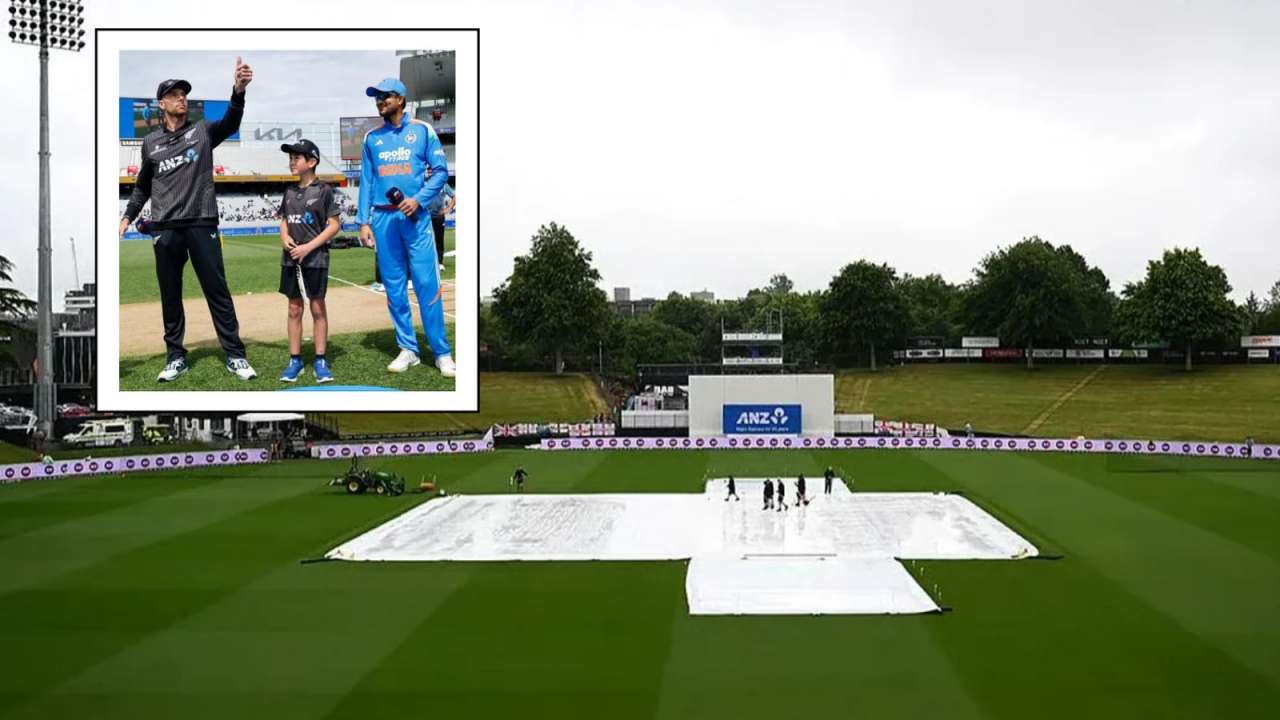
Even before the scheduled toss, the ground staff at Seddon Park were in full swing, their efforts a testament to their dedication to prepare the pitch and outfield. However, intermittent light drizzles throughout the early morning hours had already forced them to keep the covers on for extended periods, making it clear that a smooth start was unlikely. Teams arrived at the stadium under grey, leaden skies, their pre-match routines punctuated by the sound of rain drumming on the roof of the dressing rooms. The air was thick with humidity, a classic indicator of impending heavy downpours.

Initial Delay and False Hopes (7:00 AM IST / 2:30 PM Local):
The initial timing for the toss was set for 2:30 PM local time (7:00 AM IST). However, just as the ground crew began to peel back the outer layers of the covers, a fresh burst of rain swept across Seddon Park. This wasn’t a mere drizzle; it was a determined shower that quickly intensified, forcing the ground staff into a swift retreat, scrambling to pull the heavy covers back over the square. The umpires, having conducted a preliminary inspection, had no choice but to officially announce a delay to the toss, triggering a collective sigh of disappointment from the gathering crowd and the broadcast teams.
A Brief Respite and Renewed Efforts (Post-2:30 PM Local):
Following the initial downpour, there was a tantalizing period of calm. The rain subsided, and the covers were once again gingerly removed. The dedicated ground staff, armed with super soppers and rollers, worked tirelessly to dry the outfield, a Herculean task given the saturated conditions. Their efforts, often unsung, are critical in such situations, and they were applauded by the few early bird spectators who had made their way into the stands. The hope was that the skies had cleared for good, allowing for the ground to be made ready for play. The pitch, typically a balanced surface at Seddon Park, was assessed for its moisture content, which would invariably influence captain’s decisions regarding batting or bowling first.

Another Setback and Revised Timings (Post-7:00 AM IST / Post-2:30 PM Local):
Just as optimism began to build and the field looked increasingly playable, the heavens opened up again. This second, equally potent spell of rain proved to be the more demoralizing. It was a clear signal that the weather system was deeply entrenched over Hamilton. Once more, the covers were hurriedly brought back on, thicker and more securely fastened this time, as hopes of an on-time start evaporated.
Following a thorough inspection by the match officials and after close consultation with the ground staff, revised timings were finally communicated. The toss was now rescheduled for 3:02 PM local time (7:32 AM IST), with the start of play slated for 3:30 PM local time (8:00 AM IST). Crucially, the announcement also confirmed that, at this juncture, no overs had been lost. This provided a glimmer of hope that a full 50-over contest, albeit with a delayed start, was still possible, much to the relief of broadcasters and fans alike. The constant monitoring of the radar and communication between officials became the central focus as the clock ticked towards the revised start time.

Deeper Dive into the Context: Supporting Data and Historical Precedents
The repeated rain delays at Seddon Park are not an isolated incident but rather a recurring narrative in New Zealand cricket, particularly during its shoulder seasons. This specific series, however, has been notably plagued by weather interruptions, setting a precedent that underscores the need for adaptability from both teams.
The DLS Method: A Constant Companion
The Duckworth-Lewis-Stern (DLS) method has been an unwelcome, yet necessary, fixture in this series. Its application in both previous ODIs highlights the challenges of playing cricket in a rain-prone environment.

- Auckland ODI: India clinched a five-wicket victory, chasing a revised DLS target of 143 in 22.2 overs. This truncated format demanded an aggressive approach from the outset, favoring batsmen who could accelerate quickly and bowlers who could pick up wickets in limited opportunities. The DLS calculation ensures fairness by adjusting targets based on overs lost and wickets fallen, but it inherently changes the dynamics of the game, often leading to frantic finishes.
- Wellington ODI: India again emerged victorious under DLS, finding themselves at 113/7, four runs ahead of the par score when rain forced an early end. This particular outcome demonstrated the precarious balance that DLS introduces; a few quick wickets or a couple of boundaries can dramatically shift the equation, putting immense pressure on both sides to constantly monitor the par score.
The frequent reliance on DLS underscores a broader point: these are not just 50-over matches; they are often contests against the clock and the weather, where strategic decisions must factor in potential rain interruptions at every stage. For a team like India, which prides itself on setting and chasing large totals in full-length games, adapting to these shorter, high-intensity DLS-affected encounters requires a different mindset and skillset.
Seddon Park: A Venue with Character and Climate Challenges
Seddon Park in Hamilton is renowned for its picturesque setting and typically batting-friendly surfaces. However, its geographic location in the Waikato region makes it susceptible to sudden weather changes, especially during the spring and autumn months. The ground’s excellent drainage system is often put to the test, and while the ground staff are highly efficient, sustained heavy rain can overwhelm even the best facilities.

Historically, Seddon Park has seen its share of rain-affected matches. While it offers true bounces and generally fast outfields, persistent moisture can change its character, introducing more swing for pace bowlers and making spin more effective if the pitch retains dampness. For batsmen, a wet outfield can slow down scoring rates, turning boundaries into twos and threes.
Team Dynamics and Stakes
India’s Dominance: India’s 2-0 lead is a testament to their strong form and adaptability. Despite the DLS interruptions, they have consistently found ways to win, showcasing depth in their batting and a disciplined bowling attack. Key performers throughout the series have stepped up, demonstrating the team’s collective strength and mental fortitude in adverse conditions. A 3-0 clean sweep would not only be a significant achievement on New Zealand soil but also a massive confidence booster ahead of future international assignments. It would solidify their position as one of the premier white-ball teams in the world.

New Zealand’s Struggle for Pride: For the Black Caps, this series has been a tough outing. Known for their resilience and strong home record, they have been unable to stem the Indian tide. The rain, while affecting both teams, might have arguably disrupted their rhythm more, or perhaps their plans haven’t quite aligned with the DLS equations. The third ODI, if it proceeds, represents a crucial opportunity to salvage some pride, avoid a whitewash, and give their home fans something to cheer about. A victory, even in a shortened game, could provide a much-needed morale boost.
The Unseen Heroes: Ground Staff and Their Relentless Battle
Behind every cricket match, especially one threatened by rain, are the tireless efforts of the ground staff. At Seddon Park, their dedication has been exemplary. From meticulously preparing the pitch in the days leading up to the match, to swiftly deploying and removing heavy covers multiple times, and operating super soppers to dry the outfield, their work is crucial. They are often the first on the field and the last to leave, battling against the elements to ensure that players have the best possible conditions for competition. Their expertise in reading weather patterns and understanding the ground’s drainage capabilities is invaluable in making crucial decisions regarding play.

Fan Frustration and Commercial Impact
For the dedicated cricket fans, both local and those who travelled, these delays are immensely frustrating. Tickets bought, travel plans made, and anticipation built up – all hang in the balance. Children, in particular, often struggle with the extended waits. A washout, or even a heavily truncated game, represents not just a loss of sporting spectacle but also a financial hit for ticket holders.
Beyond the immediate spectator experience, rain delays have significant commercial implications. Broadcasters face reduced airtime, impacting advertising revenue. Sponsors lose valuable exposure, and the overall commercial value of the series can be diminished. Cricket boards, both BCCI and NZC, also incur costs related to hosting the match, regardless of whether a full game is played.

Official Responses and Adaptive Strategies
In situations like these, communication and adaptability become paramount for all stakeholders.
Umpires and Match Referee: The Decision-Makers
The primary responsibility for assessing playing conditions and making decisions rests with the on-field umpires and the match referee. Their protocol involves regular inspections of the pitch and outfield, consulting with ground staff, and communicating updates to team captains and media. Their calls are based on player safety, the fairness of the playing conditions, and the feasibility of completing a meaningful contest. In Hamilton, their frequent appearances on the field, umbrellas in hand, became a familiar sight, symbolizing the ongoing battle against the elements. Their ultimate goal is to get a game going, but never at the expense of player safety.

Captains and Coaches: The Art of Adaptation
Team captains and coaches, while undoubtedly frustrated, adopt a pragmatic approach. Publicly, their responses typically emphasize understanding the conditions and being ready for whatever eventuality arises.
- Rohit Sharma (India Captain, hypothetical): "It’s tough, of course. We want to play a full game and finish the series strongly. But these are conditions you sometimes face in New Zealand. Our focus is on staying prepared, keeping the energy high in the dressing room, and adapting our plans if it becomes a shorter game. Player safety is always paramount."
- Kane Williamson (New Zealand Captain, hypothetical): "It’s certainly not ideal. We’re eager to get out there and compete, especially after the first two matches. The weather is out of our control, so we just have to be patient and be ready to execute our skills when the opportunity arises. The ground staff are doing an incredible job, and we appreciate their efforts immensely."
Coaches, meanwhile, would be busy discussing revised strategies, potential changes to batting orders, and bowling plans if the overs are reduced. The mental aspect of waiting and staying focused becomes a significant challenge.

Cricket Boards: Contingency Planning
Both the Board of Control for Cricket in India (BCCI) and New Zealand Cricket (NZC) would have contingency plans in place for such scenarios. These include discussions around reserve days (though often difficult to implement in packed schedules), insurance policies for match washouts, and managing broadcast commitments. While they prioritize the completion of matches, they also ensure player welfare and adherence to international cricketing regulations. The financial implications of a washout are always a concern for national boards.
Far-Reaching Implications of Weather Interventions
The recurrent rain delays and the potential for a truncated or abandoned match carry a ripple effect across various facets of the sport.

Series Outcome and Historical Significance
For India, the primary implication revolves around the "clean sweep." While they have already secured the series 2-0, a 3-0 victory would be a significant statement, marking a comprehensive dominance over a strong cricketing nation in their backyard. If the match is a washout, or if New Zealand manages a victory in a shortened game, India will still win the series, but the psychological boost of a clean sweep will be missed. For New Zealand, a win would salvage pride and prevent the ignominy of a whitewash, providing a glimmer of hope and some positive momentum to take into their next fixtures. A washout, while denying them a chance to win, would at least prevent a 0-3 scoreline.
Player Fitness and Mental Fortitude
Extended rain delays can be physically and mentally taxing on players. The stop-start nature disrupts pre-match routines, warm-ups, and mental preparation. Players must remain "switched on" for hours, without the certainty of play. This can lead to mental fatigue, and if a match does eventually begin, the reduced warm-up time or damp conditions could increase the risk of minor injuries. Maintaining focus and intensity through prolonged periods of inactivity is a testament to a team’s professional discipline.

Broadcasting and Sponsorship Commitments
The commercial ramifications are substantial. Broadcasters pay significant sums for the rights to telecast international cricket, and a shortened or abandoned match means less programming time, leading to lower viewership and potential loss of advertising revenue. Sponsors, who invest heavily for brand visibility during live matches, also face diminished returns. This can lead to complex contractual discussions and potentially impact future broadcasting deals and sponsorship agreements. The delicate balance between sporting integrity and commercial viability is always tested in such circumstances.
Impact on International Cricket Calendar
The modern international cricket calendar is notoriously congested, with series often scheduled back-to-back. The absence of readily available reserve days for bilateral ODIs means that delays and washouts can rarely be fully compensated for. This puts pressure on future scheduling, potentially limiting the windows available for tours or creating fixture clashes. The Hamilton ODI is just one piece in a global cricketing jigsaw, and its disruption can have cascading effects.

Fan Engagement and Future Attendance
While passionate fans will always return, repeated disappointments due to weather can impact overall fan engagement and future attendance. Spectators invest time, money, and emotional energy into attending matches. If these experiences are consistently marred by delays and washouts, it could lead to a decline in live match attendance, affecting the long-term health of the sport. Ensuring a compelling and uninterrupted experience is crucial for retaining and attracting new audiences.
Pitch and Ball Dynamics
Beyond the immediate delay, the weather fundamentally alters the playing conditions. A wet outfield slows down the ball, making it harder for batsmen to hit boundaries and for fielders to save runs. A damp pitch can offer more assistance to seam bowlers, with the ball nipping around and swinging more. Conversely, if the pitch dries quickly under the sun, it could become a batting paradise. The ball itself can get heavy and soft quickly in wet conditions, making it difficult for bowlers to grip and for batsmen to time their shots. These subtle changes require immense skill and adaptability from the players.

As the wait continues at Seddon Park, the cricketing world holds its breath. The weather remains the dominant force, dictating the rhythm of what promises to be, if it happens, a crucial final encounter. Whether India will achieve their historic clean sweep or New Zealand will find a way to defy the elements and their opponents remains to be seen, with the ultimate decision resting not just with the players, but with the capricious skies above Hamilton. The ongoing drama serves as a powerful reminder of cricket’s enduring battle with nature, where patience and adaptability are as vital as skill and strategy.