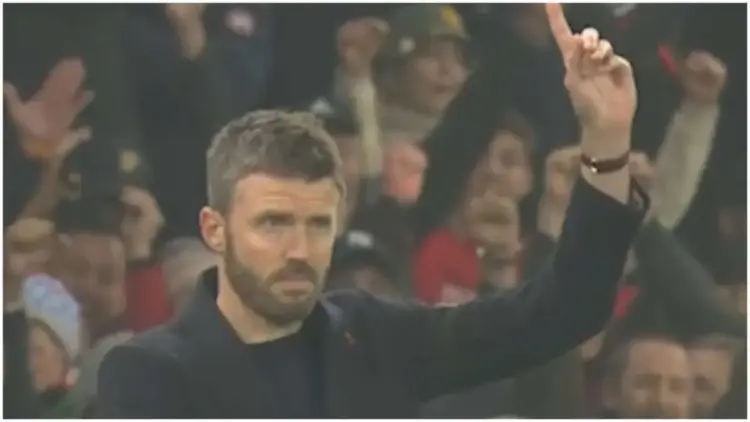
MANCHESTER, ENGLAND – In a development sending ripples throughout the football world, Manchester United, one of the most storied clubs in English football history, is reportedly considering a seismic shift in its managerial hierarchy. Multiple online reports suggest the club is actively reviewing the position of head coach Michael Carrick and has already commenced the search for potential successors. This urgent re-evaluation comes on the heels of an alarmingly poor start to the season, which has seen the 20-time league champions languishing in the relegation zone.
The pressure on Carrick has intensified dramatically after a dismal run of results that has left the club in an unfamiliar and precarious 18th position in the league standings. With a disheartening record of just one win, five draws, and four losses across their opening ten Premier League matches, the club’s leadership appears poised to act swiftly in a bid to salvage their season and restore some semblance of stability. Among the high-profile names reportedly being considered to take the helm are former Tottenham Hotspur and current USMNT manager Mauricio Pochettino, Newcastle United’s Eddie Howe, and Germany national team coach Julian Nagelsmann.
Main Facts: A Club in Crisis
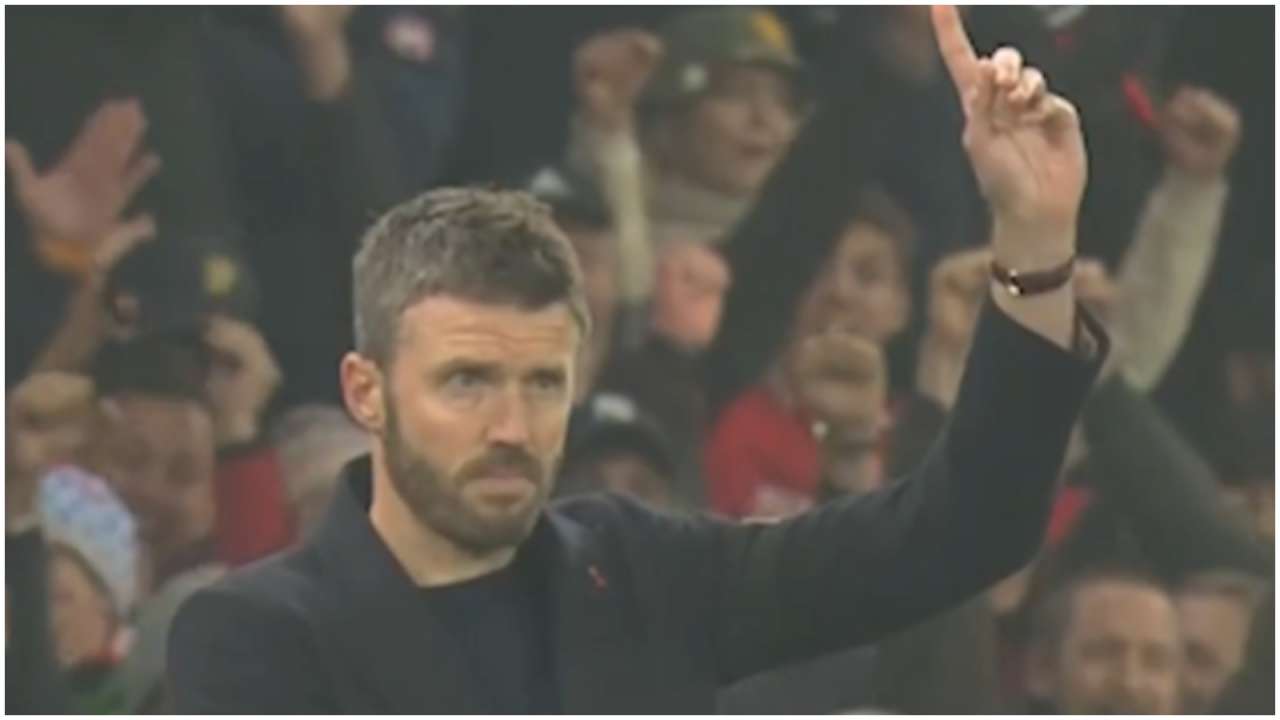
Manchester United finds itself in an unprecedented predicament, a stark contrast to its illustrious past. The club, accustomed to challenging for top honours, is reportedly preparing to part ways with Michael Carrick, whose tenure as head coach has been marked by an alarming downturn in form. The team’s current standing at 18th in the league after ten games is a statistic that has sent shockwaves through the fan base and triggered widespread concern within the club’s hierarchy.
The numbers paint a bleak picture: a solitary victory, five frustrating draws, and four demoralising defeats have accumulated a mere eight points, placing the Red Devils firmly in the relegation battle rather than the title race. This poor performance is particularly jarring for a club with Manchester United’s financial might, squad depth, and historical pedigree. Sources close to the club indicate that the review of Carrick’s performance is comprehensive and critical, with a decision expected to be made shortly after the upcoming November international break.
The urgency of the situation is further underscored by the advanced stage of the club’s search for replacements. Reports suggest that a shortlist has already been drawn up, featuring prominent managerial figures with proven track records. Mauricio Pochettino, a long-term target for the Old Trafford hot seat, is understood to be a front-runner. His experience in the Premier League, coupled with his reputation for developing young talent and implementing an attractive style of play, makes him an appealing candidate. However, he is currently committed to the United States men’s national team, presenting a potential hurdle. Other strong contenders reportedly include Eddie Howe, who has impressed with his work at Newcastle United, and the highly-rated German tactician Julian Nagelsmann, currently managing the German national side. The club’s leadership is seemingly determined to bring in a manager capable of instigating an immediate turnaround and re-establishing the club’s identity.
Chronology: A Season Unravelling
Michael Carrick’s appointment as head coach, while initially met with a degree of optimism given his deep ties to the club as a former player and assistant, has quickly descended into a period of intense scrutiny. The season began with cautious hope, but the early promise rapidly evaporated as results consistently failed to materialise.

The opening fixtures offered glimpses of inconsistency rather than a clear tactical identity. Early draws against seemingly weaker opposition were initially dismissed as teething problems, but as the win column remained stubbornly low, concern began to morph into alarm. The team’s solitary victory in ten matches provides a stark illustration of their struggles, failing to build any momentum or confidence. Each subsequent draw, while preventing a loss, felt more like two points dropped than one gained, exacerbating the frustration among players and supporters alike.
Key moments in this challenging period include the inability to hold onto leads, a recurring defensive fragility, and a noticeable lack of cutting edge in attack. Matches that Manchester United would historically be expected to dominate have instead ended in stalemates or, more worryingly, defeats. The four losses suffered during this ten-game stretch have been particularly damaging, stripping the squad of morale and exposing tactical vulnerabilities that opponents have consistently exploited. These defeats have not only cost vital points but have also eroded confidence, making each subsequent fixture an increasingly daunting challenge.

The international break in November now looms as a critical juncture. It offers a natural pause in the domestic calendar, providing the Manchester United board with an opportune moment to review the situation thoroughly, without the immediate pressure of an upcoming match. Reports indicate that this period is precisely when the club intends to make a definitive decision regarding Carrick’s future. The timing suggests a deliberate approach, allowing for careful consideration of all options before making a pivotal announcement that will undoubtedly shape the remainder of the season. The swiftness with which replacements are being reportedly identified also points to a predetermined readiness to act, should the decision to part ways with Carrick be finalized. This systematic approach, however, contrasts sharply with the chaotic on-field performance, highlighting the disconnect between the club’s ambitious planning and its current struggles on the pitch.
Supporting Data: A Deep Dive into Decline
The raw numbers only tell part of the story; a deeper analysis reveals the extent of Manchester United’s struggles under Michael Carrick. Their current 18th-place standing is not merely a numerical position but a symbol of a profound decline for a club of their stature. Historically, Manchester United has rarely found itself outside the top half of the table, let alone embroiled in a relegation battle. This position directly impacts their brand, their appeal to potential signings, and their financial outlook, particularly regarding future European competition qualification.

Performance Metrics:
- League Position: 18th (8 points from 10 games). For a club that routinely aims for Champions League qualification, this is catastrophic.
- Goal Difference: A negative goal difference highlights issues at both ends of the pitch. While the exact figure isn’t provided, 1 win, 5 draws, 4 losses typically implies scoring fewer goals than conceded, or conceding too many to compensate for limited attacking output.
- Goals Scored: The single win and five draws suggest a struggle to find the back of the net consistently. Attacking fluidity and clinical finishing appear to be major concerns.
- Goals Conceded: Conversely, four losses and five draws point to significant defensive frailties. Whether it’s individual errors, lack of organisation, or an inability to control midfield, the defence has been porous.
Tactical Shortcomings:
Observers and pundits have pointed to a discernible lack of tactical identity under Carrick. The team often appears disjointed, without a clear philosophy for how they want to play.

- Defensive Frailties: Recurring errors, poor positioning, and a lack of cohesion in the backline have led to soft goals. Set-piece defending, in particular, has come under scrutiny.
- Midfield Struggles: The engine room of the team has often been overrun, failing to assert control, win crucial second balls, or adequately shield the defence. The transition from defence to attack has been slow and predictable.
- Attacking Impotence: Despite possessing a wealth of attacking talent, Manchester United has struggled to create consistent clear-cut chances. There’s a perceived over-reliance on individual brilliance rather than structured attacking patterns. The forwards often appear isolated, and creativity from wide areas or central midfield has been lacking.
- Lack of Intensity and Pressing: Modern football demands relentless pressing and intensity, but United under Carrick has often been accused of lacking both, allowing opponents time and space to dictate play.
Financial Implications:
The cost of underperformance for a club like Manchester United is immense.
- Managerial Change Costs: Sacking a manager and his backroom staff invariably incurs significant compensation packages. This figure can run into millions of pounds, depending on the length of their contracts.
- Player Morale and Transfer Market: A period of instability and poor results can severely impact player morale, potentially leading to discontent and a desire to leave. It also makes the club a less attractive destination for top-tier transfer targets, who might prefer clubs offering Champions League football or a more stable environment.
- Commercial and Broadcast Revenue: Prolonged absence from European competitions, especially the Champions League, leads to a significant reduction in broadcast revenue. Furthermore, the club’s global brand and commercial appeal, while immense, can be subtly eroded by persistent underperformance, potentially affecting sponsorship deals and merchandise sales in the long term.
Fan Sentiment:
The mood among Manchester United’s vast global fanbase is one of palpable frustration, disappointment, and growing anger.

- Social Media Outcry: Online platforms are awash with calls for change, expressions of disbelief, and critical analysis of the team’s performances. Hashtags demanding managerial changes often trend after poor results.
- Stadium Atmosphere: While Old Trafford remains a formidable venue, the initial hope has been replaced by a tense, often anxious atmosphere. Boos and jeers, once rare, are becoming more common, reflecting the depth of fan dissatisfaction.
- Protests and Discontent: While not yet at the level of widespread organised protests, the undercurrent of discontent is undeniable. Fans expect their club to compete at the highest level, and the current reality falls far short of those expectations. There’s a sense of entitlement to success, but also a genuine concern for the direction of the club. The perceived lack of effort and passion from some players further fuels this frustration.
The data collectively paints a picture of a club in deep distress, where tactical deficiencies, poor results, financial implications, and escalating fan dissatisfaction are all converging to demand immediate and decisive action from the Manchester United board.
Official Responses: Carrick’s Resilience Amidst Scrutiny
In the high-stakes world of Premier League football, official responses are often carefully calibrated. While Manchester United itself has maintained a customary silence regarding the ongoing speculation surrounding Michael Carrick’s future, the head coach himself has offered a glimpse into his mindset following the team’s latest disappointing result – a draw against Aston Villa.

Carrick’s comments, delivered post-match, conveyed a sense of defiance and an unwavering belief in his team’s capacity to reverse their fortunes. "One hundred per cent. I think there’s more than enough," Carrick stated, addressing the notion of turning the season around. His words suggest an internal conviction that the talent and potential within the squad are sufficient to overcome the current slump.
However, his analysis also acknowledged fundamental flaws that need immediate attention. "Goals change games, and we’ve got to deal with it, and it’s something we have to improve on drastically," he admitted, highlighting the crucial aspect of both scoring and preventing goals. This statement points to the acute awareness of the team’s attacking impotence and defensive vulnerabilities, which have plagued their performances.

Carrick further elaborated on the self-inflicted nature of their struggles: "But there’s more than enough; we’re just making it too difficult for ourselves at the moment in certain times." This suggests a belief that the team’s issues are not necessarily down to a lack of quality but rather moments of lapse in concentration, poor decision-making, or perhaps a lack of tactical discipline at critical junctures. His assertion, "I’m quite clear with what direction the club needs to go in. We’ve just got to win games. Football is about moments; football is about what happens in both boxes in the end," attempts to simplify the complex situation, reducing it to the fundamental aspects of football success: clinical performance in both attacking and defensive phases.
While Carrick’s public stance is one of resolve, the reported actions of the club tell a different story. The revelation that Manchester United is "reviewing Carrick’s performance" and "reportedly looking to relieve him of his duties after the November international break" comes from unnamed "online reports" and "sources." These reports, while not official club statements, carry significant weight in the football media landscape and suggest a disparity between the coach’s public optimism and the board’s growing concerns.

The fact that the club has "finalised some of the potential replacements" further underscores the seriousness of the situation. This indicates that the process of identifying a successor is well underway, moving beyond mere speculation to concrete planning. While no direct quotes from club officials have emerged, the leaked information points to a clear directive from the top: the current trajectory is unacceptable, and a change in leadership is being actively considered to rectify the situation. The club’s silence on the matter could be interpreted as a deliberate strategy to allow Carrick to continue his duties without added external pressure, while simultaneously preparing for a potential transition behind the scenes.
Implications: The Ripple Effect of a Potential Change
The potential departure of Michael Carrick and the arrival of a new manager at Old Trafford would trigger a cascade of implications, affecting not only Manchester United but also the broader football landscape, the careers of the individuals involved, and the Premier League itself.

For Manchester United:
Another managerial change would undoubtedly raise questions about the club’s long-term stability and strategic direction. Since Sir Alex Ferguson’s retirement, Manchester United has cycled through multiple managers, each bringing their own philosophy, only to be dismissed within a few seasons. This constant flux has hindered the club’s ability to build a consistent identity, develop a core playing style, and establish a cohesive squad.
- Player Morale and Transfers: A new manager typically brings a fresh perspective and renewed energy, which can temporarily boost player morale. However, it also means a new tactical system, different demands, and potentially a re-evaluation of the existing squad. Players who were central to Carrick’s plans might find themselves on the periphery, leading to discontent. Conversely, out-of-favour players might get a new lease on life. The club’s transfer strategy would also shift dramatically, with the new manager likely demanding specific types of players to fit their vision, potentially leading to further significant investment in the transfer market.
- European Ambitions: Failing to qualify for European competitions, particularly the UEFA Champions League, would have severe financial ramifications and diminish the club’s appeal to elite players. A new manager’s immediate challenge would be to quickly arrest the slide and push for at least a Europa League spot, a minimum expectation for a club of United’s stature.
- Long-Term Vision: This decision is not just about the short-term fix. It represents a critical juncture for Manchester United to decide on its long-term footballing philosophy. Does it want an attacking, youth-focused approach, or a pragmatic, results-driven style? The choice of manager will signal the club’s desired direction for the coming years, especially if new ownership is on the horizon (though not mentioned in the original article, it’s a common contextual element for Man Utd).
For Michael Carrick:
If Carrick is indeed relieved of his duties, it would mark a significant setback in his burgeoning managerial career. Having been a respected player and a long-serving figure at the club, this short and difficult spell as head coach would be a harsh lesson.

- Coaching Career Path: A dismissal from Manchester United, especially under such dire circumstances, could damage his reputation and make it challenging to secure another high-profile managerial role immediately. He might need to take a step back, perhaps into an assistant role or a lower-league management position, to rebuild his experience and credentials.
- Legacy: While his playing legacy at Old Trafford is secure, his brief managerial tenure might be remembered for the club’s struggles, overshadowing his immense contributions as a player.
For Potential Replacements:
-
Mauricio Pochettino:

- History with Man Utd: Pochettino has long been linked with the Manchester United job, often seen as a popular choice among fans for his attacking philosophy and ability to develop young players. This would be a chance to finally take the role he was reportedly overlooked for previously.
- USMNT Challenge: Leaving a national team mid-cycle, especially with significant tournaments on the horizon (like the Copa América and eventually the World Cup), would be a complex negotiation. The US Soccer Federation would likely demand substantial compensation.
- Suitability: His Premier League experience with Tottenham and Southampton, where he built exciting, competitive teams on relatively modest budgets (compared to United’s), makes him an attractive candidate. His focus on high pressing, fluid attacking football, and a strong team ethic aligns with what many United fans crave.
-
Eddie Howe:
- Newcastle Success: Howe has transformed Newcastle United into a competitive Premier League side, known for their high-energy pressing and defensive solidity. His ability to improve players and foster a strong team spirit is evident.
- The Leap: Managing Manchester United is a different beast altogether, with immense pressure, global scrutiny, and higher expectations. It would be a significant step up from Newcastle, requiring him to manage a larger squad with more prominent individual talents and egos. His tactical adaptability at the elite level would be tested.
-
Julian Nagelsmann:

- Innovative Reputation: Nagelsmann is one of Europe’s most highly-rated young coaches, known for his tactical innovation, flexibility, and proactive style of play. His work at Hoffenheim, RB Leipzig, and Bayern Munich showcased his ability to build strong, competitive teams.
- Premier League Adaptation: The Premier League is unique in its intensity and competitiveness. Adapting his philosophy and tactics to the English game, and managing the relentless schedule, would be his primary challenge.
- Germany Commitment: Nagelsmann is currently focused on leading Germany into upcoming international tournaments. A move to United would likely mean breaking that commitment, potentially post-Euro 2024, which might delay his availability.
Broader League Impact:
Another managerial casualty at a top club sends a message of impatience and high expectations across the league. It adds to the ongoing merry-go-round of managerial changes, potentially influencing other clubs to act decisively if their own results falter. The arrival of a manager like Pochettino, Howe, or Nagelsmann would undoubtedly inject new tactical ideas and competitive vigour into the Premier League, adding another layer of intrigue to an already compelling season.
Ultimately, the decision regarding Michael Carrick’s future is a critical moment for Manchester United. It will shape their immediate trajectory, define their ambitions for the season, and send a powerful message about the club’s direction in the challenging and unforgiving landscape of modern football.