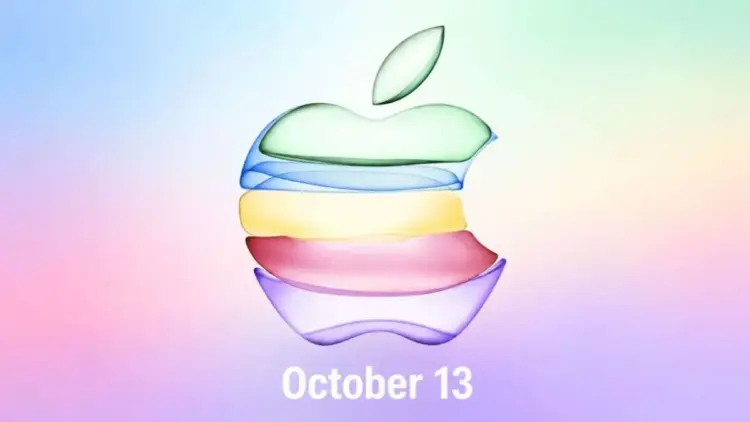
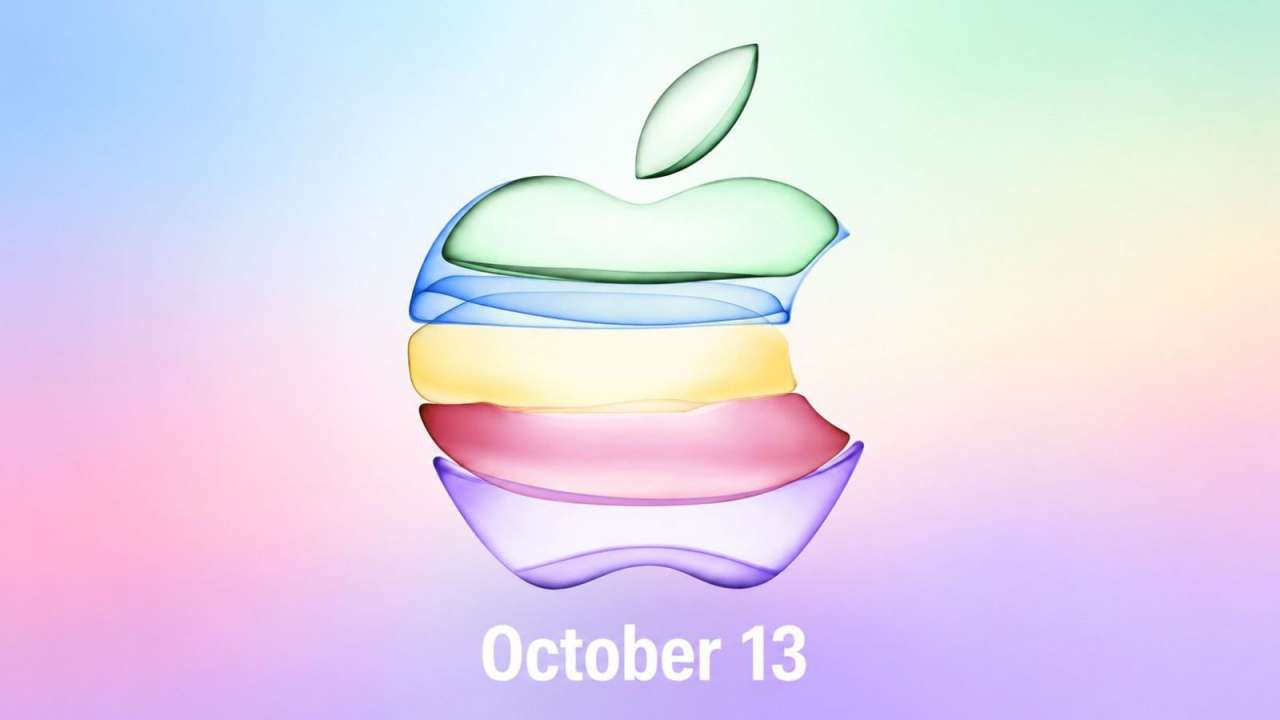
CUPERTINO, CALIFORNIA – Following a blockbuster September event that unveiled the latest iterations of its flagship iPhone, Apple Watch, and AirPods, tech giant Apple Inc. is reportedly gearing up for another significant product launch on October 13. While official confirmation remains elusive, industry whispers and reliable reports suggest this upcoming event will pivot sharply towards Apple’s burgeoning smart home ecosystem, promising a comprehensive refresh of its HomePod lineup, a significantly upgraded Siri experience, and a more robust Apple TV 4K.
The rumored event is expected to spotlight three key product announcements: a revolutionary smart home hub believed to be simply named "HomePod," a second-generation HomePod mini, and an enhanced Apple TV 4K. These devices, intricately designed to work in concert, signal Apple’s renewed strategic intent to capture a larger share of the connected home market and cement its position as a dominant force in artificial intelligence integration within daily life. The focal point appears to be an AI-powered Siri, envisioned to be more intuitive, personal, and capable of navigating complex tasks, pushing the boundaries of what consumers expect from their digital assistants.
Main Facts: A Glimpse into Apple’s Smart Home Future
The core of Apple’s anticipated October 13 event revolves around a trio of devices designed to deepen user engagement with the Apple ecosystem within their homes. The most ambitious of these is a rumored new smart home hub, potentially dubbed "HomePod," which represents a significant departure from Apple’s previous audio-centric smart speakers. This device is described as featuring a prominent 6-inch square display, suggesting a blend of smart speaker functionality with visual interaction, akin to competitors like Amazon’s Echo Show or Google’s Nest Hub.
This next-generation HomePod is expected to be versatile, designed for either tabletop placement or wall mounting, offering flexibility in home integration. Beyond its visual interface, it will reportedly house a sophisticated array of speakers, microphones, and a camera. This configuration hints at a wide range of functionalities, from seamless control of HomeKit-enabled smart home devices and playing music to facilitating FaceTime video calls and displaying personal photos. The true differentiator, however, is anticipated to be an "advanced, AI-powered Siri," engineered to provide a more personalized and contextually aware experience, capable of managing intricate multi-step commands and learning user preferences over time. This iteration of Siri is expected to leverage Apple’s recently unveiled "Apple Intelligence" framework, promising a leap forward in conversational AI and proactive assistance.

Alongside this flagship smart home hub, Apple is also expected to introduce the HomePod mini 2, an anticipated upgrade to the highly popular compact smart speaker first launched in 2020. While retaining its space-efficient design, the new HomePod mini is rumored to feature a faster, more efficient chip, leading to improved performance and responsiveness. Audiophiles can look forward to enhanced sound quality, a hallmark of Apple’s audio products, coupled with the integration of the new Siri AI features for a more intelligent user experience. Speculation also suggests the possibility of new colour options, allowing for greater personalization and aesthetic integration into diverse home décors.
Completing the smart home triumvirate is an upgraded Apple TV 4K. This iteration is expected to boast a more powerful processor, significantly boosting its performance for streaming, gaming, and general navigation. Crucially, it is also rumored to include additional memory, specifically allocated to support advanced Apple Intelligence capabilities. This suggests the Apple TV 4K could evolve into an even more central hub for smart home automation and AI-driven experiences, potentially processing more data locally for faster, more private interactions. Furthermore, the new model is anticipated to support Wi-Fi 7, future-proofing its connectivity and ensuring ultra-fast, low-latency streaming. Despite these internal enhancements, its external design is largely expected to remain consistent with the sleek, understated aesthetic of the 2022 model.

Chronology: Tracing Apple’s Smart Home Journey and Event Trajectory
Apple’s journey into the smart home sphere has been characterized by both innovation and cautious evolution. The company’s initial foray with the original HomePod in 2018 was met with mixed reviews, praised for its unparalleled sound quality but criticized for its premium price and limited smart assistant capabilities compared to Amazon’s Alexa and Google Assistant. After discontinuing the original HomePod in 2021, Apple demonstrated its commitment to the category with the launch of the more affordable and feature-rich HomePod mini in late 2020, which has since seen considerable success due to its compelling balance of sound, smart features, and price point. This was followed by a second-generation full-size HomePod in early 2023, which largely refined the original’s formula with improved chips and sound, but without a visual interface. The rumored new HomePod with a display represents a significant strategic shift, indicating Apple’s recognition of the growing consumer demand for visual interaction in smart home devices.
The Apple TV line has also seen steady, albeit less dramatic, evolution. Since its inception, Apple TV has transitioned from a hobby project to a central pillar of Apple’s services strategy, offering a gateway to Apple TV+, Apple Arcade, and a vast array of third-party streaming content. The introduction of 4K capabilities and more powerful processors in successive generations has underscored its role as a premium media consumption device. The rumored Wi-Fi 7 support and enhanced Apple Intelligence integration in the upcoming model suggest an ambition to expand its utility beyond entertainment, positioning it as a foundational component of the smart home.

Apple’s product launch cadence typically involves a major September event focused on the iPhone and Apple Watch, often followed by a secondary event in October or November dedicated to Macs, iPads, or other specialized product categories. This pattern was evident this year, with the September event showcasing the highly anticipated iPhone 17 series, the Apple Watch Series 11, and the AirPods Pro 3. The historical precedent of a follow-up event in the autumn makes the October 13 date highly plausible for a smart home-centric announcement.
The pre-event buzz is a familiar ritual in the Apple ecosystem, fueled by a network of reputable leakers, supply chain analysts, and industry insiders. While Apple maintains a strict veil of secrecy around its unreleased products, details often emerge through production schedules, component suppliers, and software code discoveries. The current wave of rumors concerning the new HomePod, HomePod mini 2, and Apple TV 4K align with persistent chatter over the past year about Apple’s intensified focus on the smart home and the expansion of Siri’s capabilities, particularly in light of recent advancements in generative AI. This consistent stream of information lends significant credibility to the anticipated October event.

Supporting Data: The Strategic Imperative and Technical Deep Dive
The speculated October 13 event underscores a critical strategic imperative for Apple: to significantly strengthen its foothold in the rapidly expanding smart home market. Despite its formidable ecosystem, Apple has historically lagged behind competitors like Amazon and Google in the realm of smart displays and comprehensive smart home platforms. Amazon’s Echo Show and Google’s Nest Hub have dominated this segment for years, offering visual interaction, video calling, and integrated smart home control that Apple’s previous HomePod iterations lacked. The new HomePod with a 6-inch display is a clear response to this competitive landscape, signaling Apple’s intent to bridge this gap and offer a more visually rich and interactive smart home experience.
Deep Dive into the New HomePod (Smart Display Hub):
The 6-inch square display is more than just a screen; it represents a paradigm shift for HomePod. It allows for visual feedback from Siri, displaying weather forecasts, calendar appointments, news headlines, and even live feeds from HomeKit security cameras. Its suitability for wall mounting suggests potential integration into smart home control panels, offering a dedicated interface for managing lighting, thermostats, and other connected devices. The inclusion of speakers, microphones, and a camera transforms it into a versatile communication hub, enabling seamless FaceTime calls directly from the device, a feature currently exclusive to iPads and iPhones. The ability to view photos could also turn it into a digital picture frame, rotating through family memories stored in iCloud.

The true innovation lies in the "advanced, AI-powered Siri." This isn’t merely a louder or clearer voice assistant. It’s expected to harness Apple Intelligence, allowing Siri to understand context, personal preferences, and complex, multi-layered commands. For instance, a user might say, "Siri, dim the living room lights, then suggest a relaxing playlist based on my recent listening habits, and remind me in 30 minutes to check the dinner." This level of contextual understanding and proactive suggestion moves Siri beyond simple command execution towards genuine assistive intelligence. It could also leverage on-device processing for faster responses and enhanced privacy, a cornerstone of Apple’s philosophy.
Deep Dive into HomePod mini 2:
The HomePod mini 2’s rumored enhancements, while incremental, are crucial for maintaining its competitive edge. A "faster chip," likely an updated A-series processor (perhaps an A15 or A16 Bionic), would not only improve Siri’s responsiveness but also enable more sophisticated computational audio processing, leading to "improved sound quality." This could manifest as clearer vocals, deeper bass, and more nuanced soundscapes, despite its compact size. The "new Siri AI features" will undoubtedly trickle down from the larger HomePod, providing a more intelligent experience across the board. The potential "new colour options" tap into the lifestyle aspect of smart home devices, allowing consumers to choose a HomePod mini that complements their interior design, similar to the strategy employed by Amazon with its Echo Dot.

Deep Dive into Apple TV 4K:
The upgraded Apple TV 4K’s "more powerful processor" is essential for its evolving role. As gaming becomes more sophisticated on Apple Arcade and as high-fidelity media formats proliferate, a faster chip (potentially an A17 Pro or even A18 Bionic) ensures smooth performance. The "additional memory for Apple Intelligence capabilities" is a significant indicator. This suggests the Apple TV 4K could act as a central processing unit for Apple’s AI, handling complex machine learning tasks locally, perhaps even serving as an always-on hub for ambient intelligence that learns user routines and anticipates needs. For instance, it could proactively suggest content based on time of day, user profiles, and even detected mood. The "support for Wi-Fi 7" is a vital future-proofing measure, ensuring lightning-fast streaming of 8K content (when it becomes mainstream) and robust, low-latency connectivity for cloud gaming and smart home communication, especially in dense network environments. Its design continuity with the 2022 model reflects Apple’s commitment to timeless aesthetics and modularity.
Apple’s smart home strategy is further bolstered by its strong ecosystem and commitment to open standards like Matter and Thread. HomeKit, while sometimes complex, offers a secure and private foundation for smart devices. The new HomePods and Apple TV 4K will undoubtedly integrate seamlessly with HomeKit, acting as central hubs. Apple’s unwavering stance on user privacy also differentiates it from competitors, a crucial factor for devices embedded deeply within the home. By processing more AI tasks on-device and adhering to strict data privacy policies, Apple aims to build trust in an increasingly data-hungry smart home landscape.

Official Responses: The Silence Before the Storm
As is customary with Apple, there has been no official confirmation regarding the rumored October 13 event or the products expected to be unveiled. Apple maintains an ironclad policy of silence on unannounced products and future plans, a strategy that helps build anticipation and maintain control over its narrative. Media invitations for such events are typically sent out a week or two in advance, meaning an official announcement for an October 13 event would likely appear in late September or early October.
Despite the lack of official word, the collective voice of industry analysts and tech journalists widely expects this event. Reputable sources, often with proven track records in predicting Apple’s moves, have consistently reported on these developments. Their predictions are typically based on supply chain intelligence, developer code discoveries, and historical product cycles. The absence of an official denial from Apple is often interpreted by the industry as a tacit confirmation of the underlying rumors. For consumers and investors alike, this period of pre-event speculation is part of the Apple experience, creating a significant buzz that often translates into strong initial sales upon launch.

Implications: Reshaping the Connected Home and Apple’s AI Future
The potential launch of these new smart home devices carries profound implications for Apple’s market position, the future of Siri, and the broader smart home industry.
Impact on Apple’s Market Position:
These products represent Apple’s most assertive push yet into the smart home segment, particularly the smart display category. If successful, the new HomePod with a display could significantly challenge the dominance of Amazon and Google, potentially converting existing Apple users who have hesitated to invest in competing ecosystems for smart display functionality. By offering a comprehensive suite of smart home devices that deeply integrate with its acclaimed ecosystem, Apple aims to solidify its "walled garden" appeal, making it even more compelling for users to stay within its hardware and software universe. This could lead to increased market share in a segment where Apple has historically been a secondary player.

Future of Siri and Apple Intelligence:
The October event is poised to be a pivotal moment for Siri and Apple Intelligence. The promised "advanced, AI-powered Siri" across the HomePod lineup and the Apple TV 4K suggests these devices will serve as primary conduits for Apple’s new generative AI capabilities. This is critical for demonstrating the practical, everyday applications of Apple Intelligence beyond the iPhone and Mac. If Siri can truly become "more personal and adept at managing complex tasks," it could significantly enhance user satisfaction and differentiate Apple’s AI from its competitors, which have sometimes faced criticism for their lack of personality or contextual awareness. These home-centric devices, being always-on and always-listening (with privacy considerations), are ideal platforms for ambient intelligence that learns and adapts to user behavior over time, making the home truly smart and responsive.
Strategic Significance:
This product refresh underscores Apple’s long-term vision for the connected home, where devices seamlessly communicate and anticipate user needs. By intertwining entertainment (Apple TV), audio (HomePods), and visual interaction (new HomePod display), Apple is building a cohesive, multi-modal smart home experience. This strategy extends beyond hardware, potentially opening new avenues for services revenue, such as enhanced Apple Music integration, more robust Fitness+ experiences via Apple TV, or even future premium AI features delivered through a subscription model. The emphasis on Wi-Fi 7 and additional memory for AI capabilities also indicates a commitment to future-proofing its smart home infrastructure, preparing for an era of even greater connectivity and computational demands.

Consumer Expectations:
For consumers, the rumored launches present an exciting prospect. Many Apple users have long awaited a truly competitive smart display from the company, one that offers the privacy, design, and ecosystem integration they value. The enhancements to the HomePod mini 2 and Apple TV 4K promise to refine existing experiences, making them faster, smarter, and more enjoyable. Key considerations for consumers will undoubtedly include pricing – whether Apple will maintain its premium positioning or attempt to compete more aggressively on cost – and availability. The success of these products will hinge on their ability to deliver on the promise of a truly intelligent, seamless, and private smart home experience that genuinely simplifies and enriches daily life.
In conclusion, the anticipated October 13 event could mark a significant inflection point for Apple’s smart home ambitions. By introducing a visually interactive HomePod, enhancing its popular HomePod mini, and upgrading the foundational Apple TV 4K with next-gen AI and connectivity, Apple is signaling a formidable commitment to reshaping the connected home landscape and showcasing the transformative power of its burgeoning Apple Intelligence. The tech world watches with bated breath to see if Cupertino can once again redefine how we interact with technology in our most personal spaces.