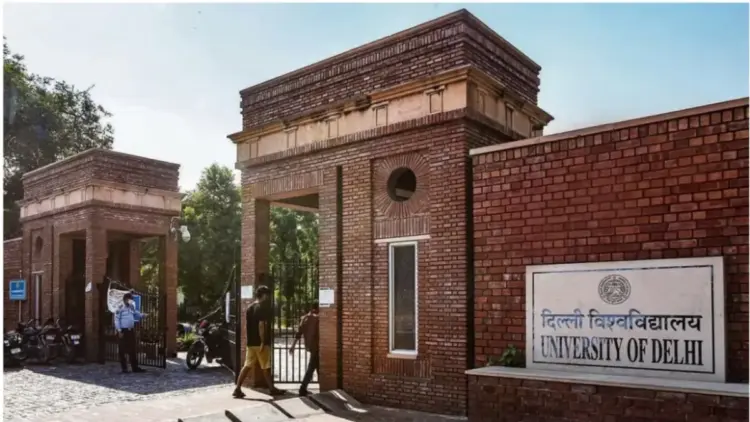
New Delhi, India – What began as a nascent proposal for a student body with a humble Rs 150 grant in the weeks preceding India’s independence has burgeoned into one of the nation’s most closely watched campus electoral arenas. The Delhi University Students’ Union (DUSU), a powerful voice for hundreds of thousands of students, has not only mirrored the trajectory of student politics in India but has also become a significant platform for addressing critical issues impacting higher education and youth welfare. Its journey from a fledgling initiative to a nationally recognized institution is a compelling narrative of institutional growth, evolving student activism, and the enduring significance of student representation.
The Genesis of a Student Powerhouse: A Chronicle of DUSU’s Founding and Early Years
The seeds of the Delhi University Students’ Union were sown on August 6, 1947, a mere fortnight before India attained its independence. On this pivotal date, the Vice-Chancellor of Delhi University formally informed the Executive Council of a burgeoning desire among students to establish a representative union. This proposal was met with enthusiastic endorsement in principle. The university envisioned the formation of a dedicated committee tasked with meticulously crafting the union’s constitution and operational procedures. To facilitate its nascent stages, a modest grant of Rs 150 was earmarked for initial expenses, a sum that now stands in stark contrast to the substantial resources and influence DUSU commands today. This initial proposal, though unassuming, laid the groundwork for what would eventually transform into a formidable platform, articulating the concerns and aspirations of students across Delhi University’s diverse colleges and faculties.
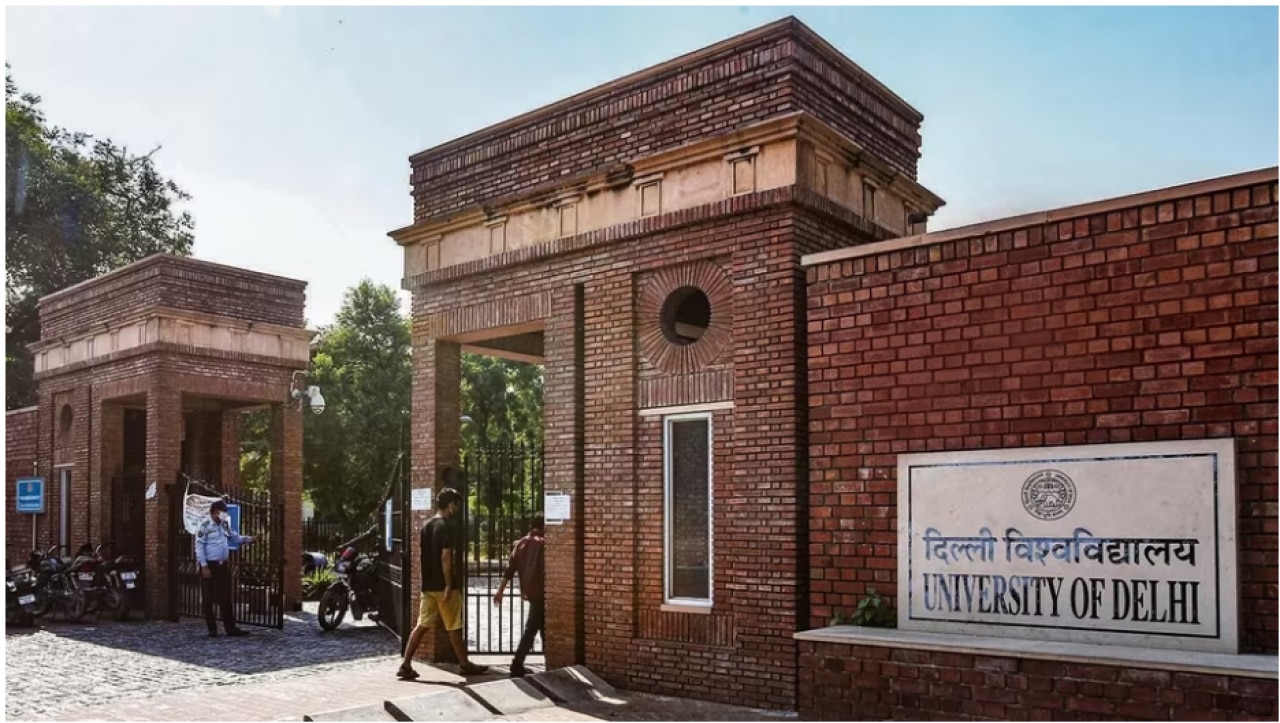
However, the union’s formative years were far from smooth, particularly concerning its financial stability. Records from March 27, 1953, reveal the Executive Committee deliberating on a request for financial assistance from the University Students’ Union. While acknowledging a previous grant of Rs 500 for the year, the university emphasized the union’s imperative to strive for financial self-sufficiency. This plea underscored the ongoing struggle to establish a sustainable financial model for the nascent organization.
The financial disparities became even more pronounced by March 14, 1954. University records from this date starkly illustrated a significant deficit, with the union reporting expenses of Rs 1,995 against an income of a mere Rs 815. These documents also noted a crucial development: DUSU had, for the first time, acquired a constitution and successfully conducted elections. To navigate the interim period until the subsequent academic year, a caretaker committee was proposed to manage the union’s affairs. Simultaneously, stringent measures were recommended to curtail further expenditure, with a conditional grant of up to Rs 1,100 proposed to cover incurred costs, subject to the meticulous scrutiny and approval of the submitted bills. These early financial challenges highlight the arduous path DUSU had to tread to establish its operational and financial independence.
Reimagining Representation: The Constitutional Overhaul of 1973
The organizational framework of DUSU underwent a significant transformation nearly two decades after its inception. On August 2, 1973, the Executive Council considered a proposal to scrap the existing constitution and implement an interim framework. This pivotal decision aimed to introduce more robust financial controls and a clearer delineation of administrative responsibilities.
Under the new constitutional structure, any expenditure exceeding Rs 100 was mandated to receive prior approval from the union’s Executive Committee, thereby instilling a greater degree of financial accountability. The framework also formally defined key administrative roles. The Vice-Chancellor of Delhi University was designated as the union’s patron, lending an institutional backing to its operations. Furthermore, a staff advisor and a treasurer were to be appointed from the university’s esteemed teaching faculty, with the patron holding the authority for their appointment.

Crucially, the constitution outlined the structure of elected office-bearers, establishing four key positions: President, Vice-President, Secretary, and Assistant Secretary. These positions were to be directly elected by the general body of DUSU members, reinforcing the democratic principles underpinning the union’s governance. This constitutional revision marked a significant step towards formalizing DUSU’s structure and operational mandate, laying the foundation for its future growth and influence.
The Pillars of Power: Understanding DUSU’s Key Posts and Objectives
The contemporary DUSU election revolves around four central and highly coveted positions: President, Vice-President, Secretary, and Joint Secretary. Each role carries distinct responsibilities, contributing to the union’s overall efficacy in representing student interests.

The President serves as the chief spokesperson and primary representative of the DUSU. This individual is tasked with articulating the union’s stance on critical issues, engaging with university authorities, and leading the student body in advocacy efforts. The Vice-President acts as a crucial support to the President, stepping in to assume presidential duties in their absence and often playing a key role in specific initiatives and policy development.
The Secretary shoulders the significant responsibility of managing the union’s day-to-day administrative operations. This includes overseeing communication, coordinating meetings, maintaining records, and ensuring the smooth functioning of DUSU’s internal mechanisms. The Joint Secretary, in the current structure, has a multifaceted role encompassing communication, event organization, and the crucial task of addressing student grievances. This collaborative approach ensures that a broad spectrum of student concerns is effectively managed and communicated.

Beyond the elected offices, the current DUSU constitution formally recognizes the Vice-Chancellor of Delhi University as the union’s patron. This role signifies a vital link between the student body and the university administration, fostering a collaborative environment. The constitution also clearly articulates DUSU’s core objectives, which prominently include representing student interests before university authorities, advocating for student welfare, and promoting a vibrant and inclusive campus environment. These objectives guide the union’s activities and provide a framework for its engagement with the wider university community.
The Evolution of Membership: From Nominal Fees to Substantial Contributions
The financial commitment required for DUSU membership has witnessed a gradual but significant increase over the decades, reflecting the union’s growing operational scope and responsibilities. For many years, students paid a nominal subscription fee of just Rs 5, a sum that remained constant until the 2012-13 academic year. This low fee ensured accessibility and encouraged widespread participation in the union’s activities.

In the academic year 2013-14, the membership fee was modestly increased to Rs 20. This adjustment, while still nominal, signaled a recognition of rising operational costs and the need for slightly enhanced financial resources. The most recent significant revision occurred on June 21, 2024, when the fee was further raised to Rs 40, according to university officials cited in recent reports. This latest increment reflects the ongoing need to adapt to inflation and the expanding demands placed upon the student union, enabling it to undertake more ambitious projects and provide a wider range of services to its constituents. While the fee has increased, it remains relatively affordable, ensuring that financial constraints do not impede student engagement with DUSU.
From Campus Politics to National Spectacle: DUSU Elections as a Defining Event
Over the decades, the DUSU elections have transcended their role as a mere internal university affair, evolving into a significant event that captures national attention. This transformation is deeply intertwined with the increasing politicization of student activism and the strong connections that student organizations maintain with broader national political landscapes.

Traditionally, DUSU elections have been a battleground for student groups affiliated with major national political organizations, most notably the Akhil Bharatiya Vidyarthi Parishad (ABVP), the student wing of the Bharatiya Janata Party, and the National Students’ Union of India (NSUI), the student wing of the Indian National Congress. Alongside these prominent players, Left-backed student groups, such as the All India Students’ Association (AISA) and the Students’ Federation of India (SFI), as well as a contingent of independent candidates, actively participate, contributing to a dynamic and often fiercely contested electoral environment.
The 2026 DUSU election exemplified this heightened national interest. Contested for the four central posts, the election saw intense campaigns from the ABVP, NSUI, and an alliance between AISA and SFI, among other groups. The voting took place on September 18, with the counting commencing at 8 am on September 19 at the Multipurpose Hall of the University Sports Stadium in North Campus. The election registered a voter turnout of 40.46%, indicating significant student engagement despite the scale of the university. The anticipation surrounding the results and the debates that precede them underscore DUSU’s position as a bellwether for youth sentiment and a crucial platform for political discourse among students.

Issues on the Frontline: Key Concerns Dominating the 2026 DUSU Election Campaign
The 2026 DUSU election campaign was characterized by a robust engagement with issues that directly impact the daily lives and future prospects of Delhi University students. Student safety, the perennial challenge of affordable accommodation, and the critical need for improved campus facilities emerged as the most prominent themes resonating with the electorate.
The campaign discourse was significantly shaped by a tragic incident that underscored the vulnerability of students. The collapse of a five-storey building housing a boys’ PG (Paying Guest) accommodation in south Delhi’s Satya Niketan, which resulted in the deaths of seven individuals, including students, brought the critical issues of student accommodation safety and overall security into sharp focus. This devastating event served as a stark reminder of the precarious living conditions faced by many students and fueled demands for stricter regulations and enhanced oversight of off-campus housing.

Beyond accommodation and safety, candidates and student groups actively campaigned on issues related to public transport accessibility and affordability, the enhancement of campus infrastructure to support academic and co-curricular activities, and the overall improvement of campus security measures. These issues reflect a growing awareness among students of their rights and a demand for a more supportive and secure academic environment. The election thus served as a crucial platform for students to voice their concerns and hold potential leaders accountable for addressing these pressing matters.
The Contenders: A Glimpse into the Candidates of the 2026 DUSU Election
The 2026 DUSU election saw a robust field of candidates representing various political ideologies and student affiliations. The ABVP nominated Yash Dabas for the coveted post of President, Ishu Maurya for Vice-President, Riya Chhawadi for Secretary, and Lakshya Raj Singh for Joint Secretary. Their campaign focused on issues such as student empowerment and nationalist ideals.

The NSUI, a major contender, fielded Vijay Shankar Meena for President, Vir Chatrath for Vice-President, Namrata Chaudhary for Secretary, and Gopal Choudhary for Joint Secretary. Their agenda typically revolves around issues of social justice and student welfare, often in opposition to the policies of the ruling party at the national level.
The AISA-SFI alliance presented a united front with Ananya Raturi as their presidential candidate, Akshat Shikhar for Vice-President, Stanzin Deskyong for Secretary, and B Parijaat for Joint Secretary. This alliance aims to represent a progressive and left-leaning student constituency, focusing on issues of academic reform, social equity, and institutional accountability.

As the counting of votes progressed on September 19, the electoral landscape remained dynamic, with changing leads across the four key races. This close contest underscored the competitive nature of DUSU elections and the diverse political preferences within the student community. The outcome of these elections often has ripple effects on campus politics and can influence the broader political discourse in the country.
From Rs 150 to National Reckoning: DUSU’s Enduring Significance
The trajectory of the Delhi University Students’ Union, from a Rs 150 grant proposal in 1947 to a nationally scrutinized electoral event, is a powerful testament to the evolving landscape of student representation in India. What began as a modest institutional initiative has burgeoned into a structured and influential elected body, complete with multiple office-bearers, a formal constitution, and a pervasive presence across the university’s vast network of colleges.

Today, DUSU elections command attention far beyond the confines of the Delhi University campus. Student organizations, irrespective of their political affiliations, leverage these contests as a vital platform to articulate and advocate for issues of paramount importance to the student community. These include the quality and accessibility of education, the safety and security of students on and off-campus, the provision of adequate and affordable accommodation, and the broader spectrum of student rights and welfare. The enduring legacy of DUSU lies in its ability to adapt, grow, and consistently serve as a potent voice for the aspirations and concerns of the youth in one of India’s premier educational institutions. Its journey continues to inspire and inform the ongoing discourse on student activism and its integral role in shaping the future of higher education and society at large.