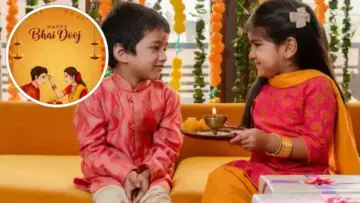
Mumbai, November 11, 2026 – As the vibrant festival of Bhai Dooj dawns today, marking a cherished celebration of the profound bond between brothers and sisters, a unique aspect of the tradition comes into focus: the art of thoughtful gifting. While sisters traditionally shower their brothers with love through heartfelt tilaks and prayers for their well-being, the act of brothers reciprocating with gifts is equally significant. However, ancient customs and astrological beliefs offer a cautionary guide, suggesting that certain items, if gifted on this auspicious day, can inadvertently invite inauspiciousness and strain relationships. This article delves into the prevalent traditions and the underlying reasons behind these gifting taboos, aiming to provide a comprehensive understanding for those seeking to honor the spirit of Bhai Dooj with meaningful gestures.
The Essence of Bhai Dooj: A Celebration of Sibling Love
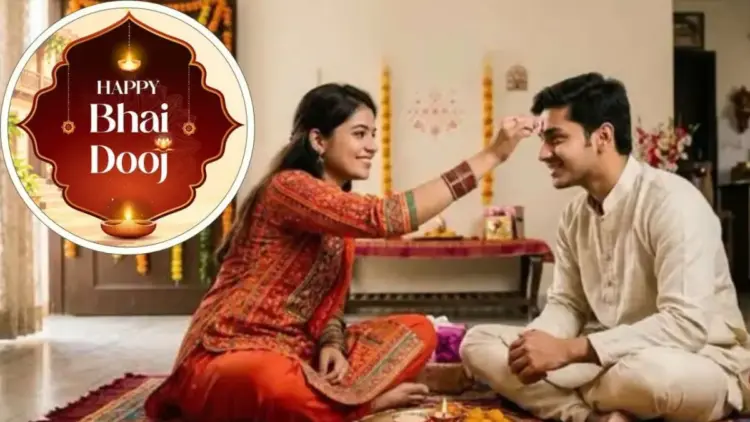
Bhai Dooj, also known as Yama Dwitiya or Bhaubeej, is a significant Hindu festival observed on the second day after Diwali. The core of the celebration revolves around the sister applying a ’tilak’ (a sacred mark) on her brother’s forehead, reciting mantras, and praying for his long life, good health, and prosperity. In return, the brother vows to protect his sister and often presents her with gifts, symbolizing his love and commitment. This exchange of affection and blessings forms the emotional bedrock of the festival, reinforcing the unique and unbreakable tie between siblings.
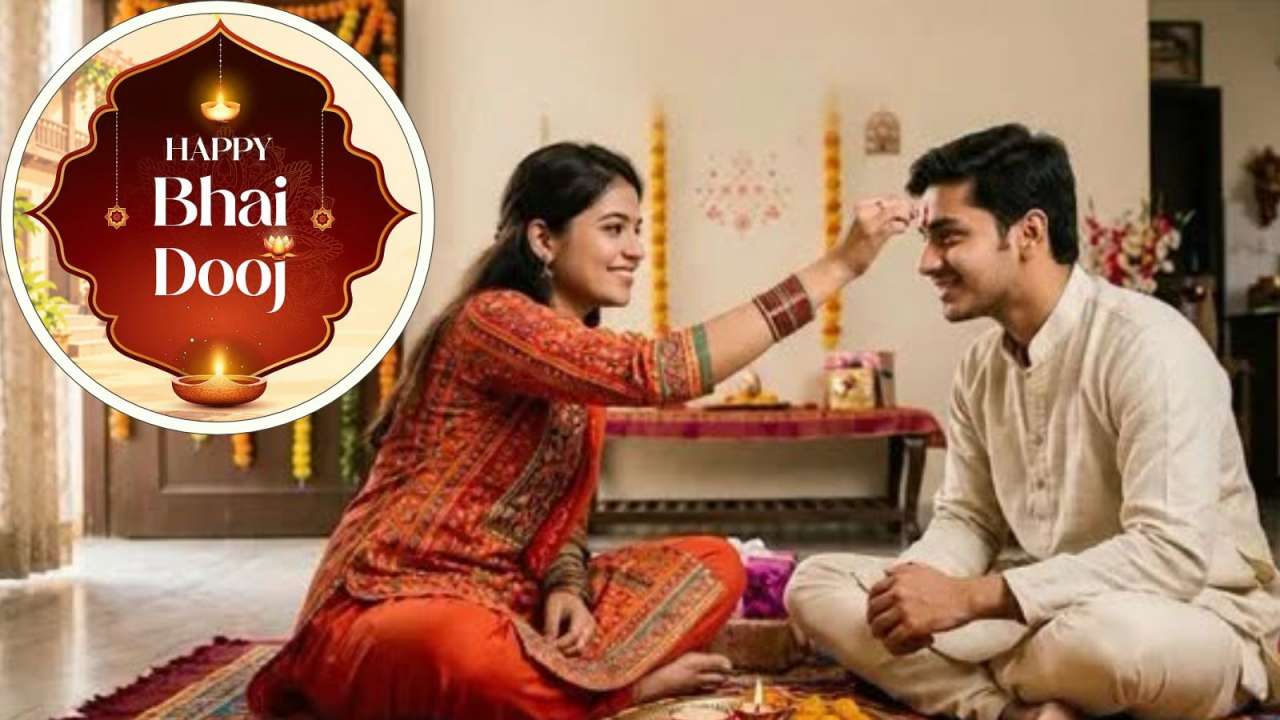
The tradition of gifting on Bhai Dooj is not merely a transactional exchange but a symbolic representation of the love, care, and well-wishes that siblings share. It’s an opportunity to express gratitude, strengthen bonds, and create lasting memories. While modern interpretations of gifting often prioritize personal preferences and material value, traditional customs emphasize the subtle energies and auspiciousness associated with certain objects and their impact on relationships.
Unveiling the Taboo: Five Items to Avoid Gifting on Bhai Dooj
According to popular beliefs rooted in astrology and ancient customs, there are specific items that are considered inauspicious to gift to brothers on Bhai Dooj. These recommendations are not arbitrary but often stem from symbolic associations and perceived energetic implications. Understanding these traditional guidelines can help ensure that the gifts exchanged on this special day contribute to harmony and positivity.
1. The Shadow of Black: Why Black Clothes Are Discouraged
In astrological interpretations, the color black is strongly associated with Shani Dev (Saturn), a planet often linked to karma, discipline, and sometimes, challenges. While black can be a sophisticated and versatile color in everyday fashion, its association with Saturn makes it a less desirable choice for gifts on an auspicious occasion like Bhai Dooj.
The belief is that gifting black clothing on this day can inadvertently invoke the potentially restrictive or challenging energies associated with Saturn. Instead, traditions encourage opting for light, vibrant, and cheerful colors. These hues are believed to carry positive vibrations, promoting happiness, good fortune, and a sense of lightness, which aligns perfectly with the celebratory spirit of Bhai Dooj. Think of blues, greens, yellows, or even reds, colors that symbolize joy and prosperity.

2. The Cutting Edge: The Caution Against Sharp Objects
Gifting sharp objects like knives, scissors, or even razors on Bhai Dooj is widely discouraged across various cultural interpretations. The underlying reason for this taboo is rooted in the symbolic representation of such items. Sharp objects are often seen as instruments that can sever ties, create distance, or inflict harm.
In the context of a festival celebrating the closeness and protective nature of the brother-sister bond, gifting items that symbolize division or potential conflict is considered counterproductive. Instead, the emphasis is on gifts that foster closeness, understanding, and emotional warmth. Opting for items that represent connection, shared experiences, or mutual affection would be a more harmonious choice. This could include anything from a heartfelt letter to a shared hobby item.

3. The Journey’s End: Why Shoes and Slippers Are Best Left Un-Gifted
The act of giving shoes or slippers as gifts on Bhai Dooj is often met with a similar cautionary note. The reasoning behind this tradition is multifaceted. In some interpretations, shoes symbolize journeys and separations. Gifting them might be seen as inadvertently wishing the brother on a long journey away from home or suggesting an impending separation.
Furthermore, in certain cultural contexts, footwear is associated with walking over or disrespecting someone. While this might seem like a far-fetched interpretation in modern gifting, the traditional belief carries weight. On an auspicious day meant to honor and strengthen familial bonds, such symbolic implications are best avoided. Instead, sisters are advised to consider gifts that represent comfort, care, and affection, such as clothing, sweets, or personalized items that the brother would genuinely appreciate.

4. Tears and Sorrows: The Unfortunate Symbolism of Handkerchiefs
The humble handkerchief, a seemingly innocuous item, carries a rather somber connotation when it comes to Bhai Dooj gifting. According to tradition, a handkerchief is often associated with sorrow, tears, and wiping away sadness. Gifting such an item on a joyous festival is considered inauspicious, as it might inadvertently invite or symbolize moments of unhappiness or distress for the recipient.
The intention behind Bhai Dooj gifting is to shower blessings and good fortune. Therefore, items that carry negative or sorrowful symbolism are best avoided. Sisters looking for a thoughtful gift can explore a wide array of alternatives that convey warmth and positivity, ensuring that their gesture contributes to the festive cheer rather than casting a shadow.

5. The Empty Void: The Pitfall of Gifting an Empty Purse
While a purse might seem like a practical and useful gift, gifting an empty purse on Bhai Dooj is strongly discouraged. The symbolism here is directly related to financial well-being. An empty purse, when gifted, is believed to represent or invite financial difficulties and scarcity for the recipient.
To circumvent this potential pitfall, if a sister wishes to gift a purse, it is imperative to place at least a coin or a banknote inside it. This simple act transforms the empty void into a symbol of abundance and prosperity. It ensures that the gift carries positive financial energies, aligning with the prayers for the brother’s financial stability and success. This gesture infuses the gift with a blessing of wealth and good fortune.

Underlying Rationale: Astrology, Symbolism, and Relationship Harmony
The traditional beliefs surrounding these gifting taboos are deeply intertwined with Vedic astrology and ancient Indian customs. These traditions are not merely superstitious rituals but are often based on centuries of observation and understanding of symbolic meanings and their potential impact on human life and relationships.
- Astrological Correlations: As seen with the color black and its association with Saturn, many of these beliefs are linked to the planetary influences and their perceived effects. The aim is to align the gifting practices with auspicious astrological energies.
- Symbolic Interpretations: The symbolism attached to objects plays a crucial role. Sharp objects symbolize division, handkerchiefs symbolize sorrow, and empty purses symbolize scarcity. These symbolic meanings are extrapolated to represent potential real-life outcomes.
- Strengthening Relationships: Ultimately, the underlying intention of these traditions is to foster and strengthen the bond between brothers and sisters. By avoiding gifts that carry negative connotations, the aim is to ensure that the exchange of gifts contributes to love, harmony, and mutual well-being.
Navigating Tradition in the Modern Era
In contemporary times, while these traditional guidelines are still widely respected by many, there is also a growing appreciation for personalized and practical gifting. The essence of Bhai Dooj lies in the love and thoughtfulness behind the gift, regardless of its material value.

For those who wish to honor tradition while also embracing modern sensibilities, a balanced approach is key. Understanding the rationale behind the taboos can help make informed choices. For instance, instead of a sharp knife, a decorative letter opener that symbolizes opening new avenues might be considered. Similarly, if a brother has a specific need for shoes, the act of gifting them outside the auspicious Bhai Dooj period might be an alternative.
The most important aspect remains the intention. A gift chosen with genuine affection, consideration for the brother’s preferences, and a prayer for his happiness will always be cherished, regardless of whether it falls within the strictest traditional guidelines. The conversation between siblings about their preferences and needs can also add a layer of modern understanding to the age-old traditions.

Conclusion: Gifting with Love and Wisdom
As Bhai Dooj 2026 unfolds, the festival serves as a beautiful reminder of the enduring power of sibling love. The tradition of gifting, when approached with awareness and thoughtfulness, can further enrich this sacred bond. By understanding and respecting the traditional taboos surrounding certain gifts, individuals can ensure that their gestures of love are not only well-received but also contribute to the auspiciousness and harmony of the occasion.
Ultimately, the most valuable gift on Bhai Dooj is the affirmation of love, support, and the promise of a lifetime of shared memories. Whether adhering strictly to tradition or embracing a modern interpretation, the spirit of Bhai Dooj lies in the heartfelt connection between brothers and sisters, a bond that transcends material possessions and celebrates the unique tapestry of their shared journey.