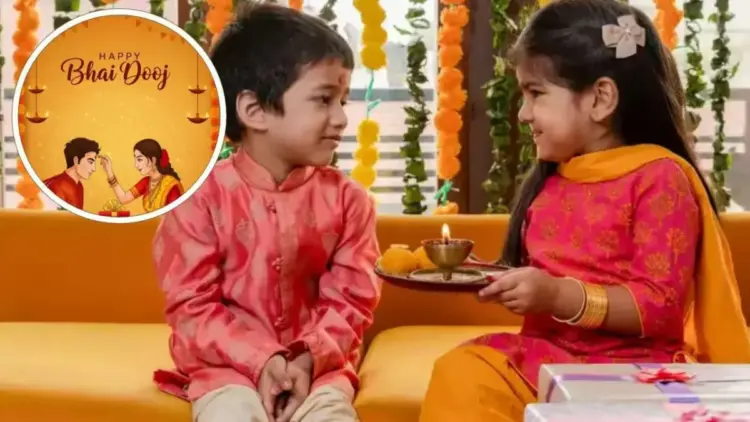
As the vibrant celebrations of Diwali gracefully recede, the hearts of siblings across India eagerly anticipate another cherished occasion: Bhai Dooj. In 2026, this deeply affectionate festival, celebrating the unbreakable bond between brothers and sisters, will be observed on Wednesday, November 11th. While the exact date might spark brief moments of contemplation, the Dwitiya Tithi, the lunar day signifying the festival’s observance, firmly anchors it on the 11th, ensuring a unified celebration of this significant tradition.
This article delves into the intricacies of Bhai Dooj 2026, exploring its precise timings, the spiritual and historical narratives that underpin its observance, the diverse ways it is celebrated across the nation, and the enduring relevance of its message in contemporary society.
Unveiling the Date and Auspicious Timing for Bhai Dooj 2026
The calculation of auspicious timings for Hindu festivals is a meticulous process, often involving the precise alignment of lunar phases and solar movements. For Bhai Dooj 2026, the Dwitiya Tithi, the second day of the waxing moon (Shukla Paksha) in the month of Kartik, is the definitive determinant.
According to astrological calendars, the Dwitiya Tithi commences on November 10th, 2026, at approximately 2:00 PM. It will continue its celestial journey, concluding on November 11th, 2026, at around 3:53 PM. Given that the tithi is prominently visible and spans a significant portion of November 11th during daylight hours, the festival will be celebrated on this latter date. This ensures that the core rituals, particularly the sacred tilak ceremony, can be performed with the blessings of the sun.
The most auspicious period for performing the tilak ceremony, known as the Aparahna Muhurat, is considered the most favorable. For the year 2026, in the bustling metropolis of New Delhi, this sacred window is slated to be from 1:10 PM to 3:20 PM on November 11th. This duration of two hours and ten minutes offers ample time for sisters to perform the traditional tilak and aarti, seeking divine blessings for their brothers. It is crucial for sisters to endeavor to conduct these rituals within this specific timeframe for maximum spiritual efficacy. While precise timings may vary slightly based on geographical location, the general principle of observing the Aparahna Muhurat remains consistent across different regions.
The Genesis of Bhai Dooj: A Tapestry of Myth and Devotion
The essence of Bhai Dooj lies in its profound celebration of the fraternal bond, a relationship often characterized by deep affection, unwavering support, and playful camaraderie. The festival’s origins are steeped in ancient Indian mythology, weaving a narrative of divine siblinghood and eternal devotion.

The most widely recounted legend centers around Lord Yama, the God of Death, and his sister Yamuna. According to the Puranas, on the Dwitiya Tithi following Diwali, Yamuna, the goddess of the sacred river, eagerly awaited her brother’s visit. She had prepared a special feast and, upon his arrival, performed the sacred tilak ceremony on his forehead. Overwhelmed by his sister’s love, devotion, and the delicious meal, Yama bestowed a powerful boon: any brother who receives the tilak from his sister on this auspicious day, with genuine love and affection, will be blessed with a long, healthy, and prosperous life. Furthermore, Yama declared that he would not claim the life of such a brother.
This mythological tale forms the bedrock of the Bhai Dooj ritual. The tilak applied by the sister symbolizes her prayers for her brother’s longevity and well-being, while the act itself signifies her unwavering faith and love. The brother, in turn, pledges to protect his sister throughout their lives, reinforcing the mutual promise of support and care that defines their relationship.

Another significant narrative links Bhai Dooj to Lord Krishna. It is said that after defeating the demon Narkasur, Lord Krishna visited his sister Subhadra. She, in turn, welcomed him with tilak and a feast, celebrating his victory and well-being. This story further embellishes the festival’s theme of sibling affection and protection.
These ancient stories, passed down through generations, imbue Bhai Dooj with a spiritual depth that transcends mere ritual. They underscore the sacredness of the brother-sister relationship, elevating it to a divine plane and emphasizing the power of familial love and blessings.

Diverse Expressions of Bhai Dooj Across India: A Cultural Kaleidoscope
While the core sentiment of Bhai Dooj remains universal – the celebration of sibling love – its observance manifests in a fascinating array of customs and nomenclature across different regions of India. This cultural mosaic adds a rich layer to the festival, reflecting the diverse traditions and linguistic nuances of the nation.
- Bhai Dooj (North India): This is the most common name for the festival, particularly prevalent in North India. The rituals typically involve sisters applying tilak, offering sweets, and performing aarti. Brothers reciprocate with gifts and blessings.
- Bhau Beej (Maharashtra): In Maharashtra, the festival is known as Bhau Beej. Sisters traditionally draw a square chalk outline on the floor, on which the brother sits. The sister then applies tilak, offers sweets, and performs aarti, praying for her brother’s long life. Brothers often present their sisters with new clothes or jewelry.
- Bhai Phonta (West Bengal): In Bengal, the festival is called Bhai Phonta. Sisters apply a mark of sandalwood paste and alta (red dye) on their brother’s forehead, chanting specific mantras for their well-being. They then offer sweets and sometimes a traditional Bengali meal. The brother, in turn, presents his sister with gifts, often money or other tokens of affection.
- Bhai Tika (Nepal and parts of North India): In Nepal and some pockets of North India, the festival is referred to as Bhai Tika. The rituals are similar, with sisters applying a ‘tika’ of five colors on their brother’s forehead, symbolizing good health, prosperity, and longevity.
Regardless of the specific name or regional variation, the underlying spirit of Bhai Dooj remains consistent: a profound acknowledgment and celebration of the unique and enduring bond between brothers and sisters. The exchange of gifts, the shared meals, and the heartfelt prayers all contribute to a joyous and deeply personal occasion that strengthens familial ties.

The Rituals of Bhai Dooj: A Symphony of Tradition and Affection
The celebration of Bhai Dooj is characterized by a series of meaningful rituals, each carrying symbolic significance and reinforcing the sacredness of the brother-sister relationship.
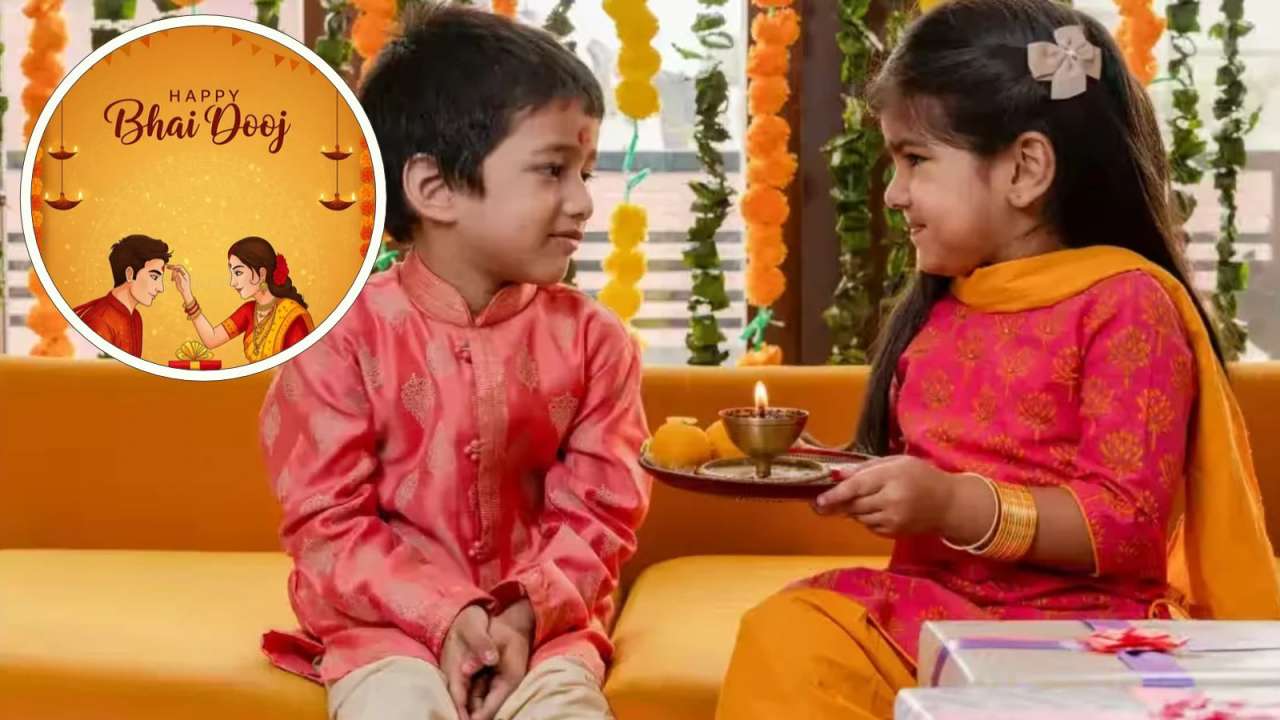
- The Sacred Tilak: The cornerstone of Bhai Dooj is the tilak ceremony. Sisters, after taking a ritualistic bath, prepare a paste, traditionally made of rice flour, vermilion (sindoor), and sandalwood. They then apply this tilak on their brother’s forehead, symbolizing good fortune, protection, and long life. This act is accompanied by prayers for his well-being.
- Aarti: Following the tilak, sisters perform aarti, circling a lamp (diya) before their brothers. This ritual signifies the dispelling of darkness and ignorance, and the illumination of their brother’s life with prosperity and happiness.
- Offering Sweets and Food: Sisters offer their brothers their favorite sweets and often prepare a special meal. This act of nourishment symbolizes the nurturing care and affection a sister provides. In some traditions, specific dishes are prepared, adding to the celebratory spread.
- Exchange of Gifts: Brothers are expected to reciprocate their sisters’ love and care by presenting them with gifts. These can range from money and jewelry to clothing or other tokens of appreciation. This gesture signifies their commitment to providing for and protecting their sisters.
- Yama Puja (in some traditions): In certain regions and families, a small ritual dedicated to Lord Yama is performed. This is a solemn acknowledgment of the boon granted by Yama, reinforcing the spiritual underpinnings of the festival.
- Sister’s Fast (optional): Some sisters observe a fast until the tilak ceremony is completed, symbolizing their devotion and prayers for their brother’s longevity.
These rituals, performed with sincerity and love, create a powerful emotional and spiritual connection between siblings, reaffirming their bond in a tangible and memorable way.

The Enduring Relevance of Bhai Dooj in the Modern Era
In an increasingly fast-paced and globalized world, the importance of festivals like Bhai Dooj, which emphasize familial connections, cannot be overstated. While modern lifestyles may present challenges in maintaining traditional practices, the core message of Bhai Dooj remains profoundly relevant.
The festival serves as a vital reminder of the irreplaceable role siblings play in our lives. In a society that often prioritizes individual achievements, Bhai Dooj underscores the power of shared history, mutual support, and unconditional love that exists between brothers and sisters. It provides a dedicated occasion to pause, express gratitude, and strengthen these invaluable relationships.

Furthermore, Bhai Dooj promotes a sense of continuity and cultural heritage. By passing down these traditions to younger generations, families ensure that the rich tapestry of Indian culture remains vibrant and accessible. It offers a tangible link to the past, connecting present-day experiences with ancient wisdom and values.
The festival also fosters a spirit of community and shared joy. As families gather to celebrate, it reinforces social bonds and creates lasting memories. In an era where digital interactions often replace physical ones, the opportunity for face-to-face connection and shared experiences during Bhai Dooj is particularly precious.

Conclusion: A Timeless Celebration of Siblinghood
As November 11th, 2026, approaches, the nation prepares to celebrate Bhai Dooj, a festival that beautifully encapsulates the enduring power of sibling love. Rooted in ancient mythology and expressed through diverse regional customs, this occasion serves as a poignant reminder of the unique and irreplaceable bond between brothers and sisters.
The precise timings for the tilak muhurat on November 11th provide a structured framework for this heartfelt observance. More than just a date on the calendar, Bhai Dooj is a testament to the strength of familial ties, the importance of mutual support, and the enduring power of blessings. In its simplicity and sincerity, it offers a profound celebration of a relationship that enriches our lives immeasurably. As sisters apply the sacred tilak and brothers pledge their unwavering protection, the spirit of Bhai Dooj continues to thrive, weaving a thread of love and connection that transcends time and tradition.