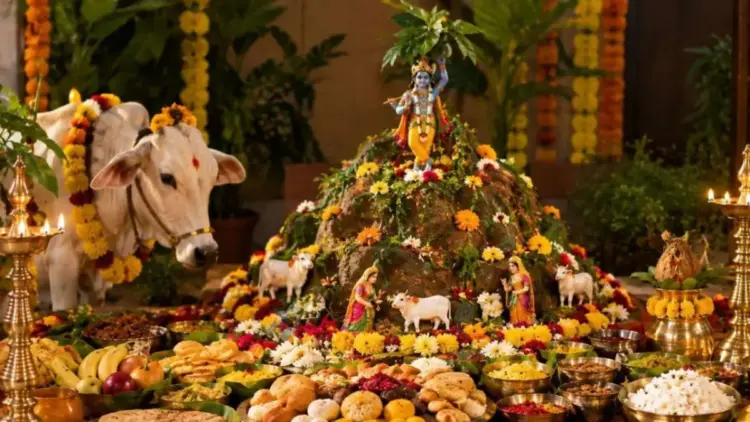
New Delhi – As the vibrant celebrations of Diwali draw to a close, devotees across India are preparing for Govardhan Puja, a significant festival dedicated to Lord Krishna and the monumental act of divine protection. However, this year, a wave of confusion has rippled through communities regarding the precise date of this auspicious occasion. While many calendars and online resources point to November 10, 2026, a subset suggests November 9. This discrepancy, rooted in the intricate calculations of the Hindu lunisolar calendar, necessitates a clear understanding for devotees to observe the festival with utmost devotion and adherence to tradition.
This article delves into the intricacies of the Govardhan Puja 2026 date, exploring the astrological basis for the confusion, clarifying the correct observance based on sunrise timings, and shedding light on the profound significance of this beloved festival. We will examine the astrological calculations, the historical narrative, and the devotional practices associated with Govardhan Puja, ensuring a comprehensive understanding for all celebrants.
Unraveling the Calendar Conundrum: Why the Date Discrepancy?
The core of the confusion surrounding Govardhan Puja 2026 lies in the differing interpretations of Tithi (lunar day) timings and the traditional methods of calendar adherence. In the Hindu calendar, festivals are often determined by the presence of a Tithi at sunrise. However, the specific duration of these Tithis can sometimes span across two calendar days, leading to varied observances.
For Govardhan Puja 2026, the Kartik Shukla Pratipada is the relevant lunar day. According to precise astrological calculations, Pratipada Tithi is slated to commence at 12:31 PM on Monday, November 9, 2026. This Tithi will then extend its presence until 2:00 PM on Tuesday, November 10, 2026.
The divergence in dates arises from the following:
- Sunrise Rule Adherence: Traditional Hindu Panchangs, particularly those followed in major celestial observances across regions like Delhi and Kolkata, strictly adhere to the principle of observing a festival on the day when the Tithi is present at sunrise. Since Pratipada Tithi will be present at sunrise on November 10, 2026, this becomes the officially recognized date for Govardhan Puja by these Panchangs.
- General Calendar Interpretations: Conversely, some general holiday calendars and less precise online resources might simply mark the festival based on the initial appearance of the Tithi, irrespective of the sunrise rule. This can lead to the erroneous suggestion of November 9 as the date of observance.
Therefore, while the Tithi begins on November 9, its continuation and presence at sunrise on November 10 solidify the latter as the correct and widely accepted date for Govardhan Puja. Devotees are strongly advised to consult their local Panchang or trusted religious authorities to confirm the timings specific to their region, as minor variations can occur.

A Chronology of Devotion: The Rituals and Timing of Govardhan Puja 2026
The observance of Govardhan Puja is intricately linked to specific auspicious timings, known as Muhurats, which are believed to enhance the efficacy of prayers and rituals. For 2026, the primary timings for the puja are as follows:
Morning Puja Muhurat:
- New Delhi: The auspicious window for performing the morning puja in the capital city is estimated to be between 6:40 AM and 8:50 AM on Tuesday, November 10, 2026. This period is considered ideal for offering prayers and performing rituals.
- Kolkata: In the eastern metropolis of Kolkata, the morning puja muhurat is anticipated to fall between 5:46 AM and 8:00 AM on the same day.
It is crucial for devotees to understand that these timings are location-specific. The Earth’s rotation and varying longitudes mean that sunrise and, consequently, the puja muhurats will differ across cities and towns. Therefore, checking local Panchangs or consulting with community elders and temple authorities is paramount to ensure the correct observance of the sacred timings.

The Significance of Pratipada Tithi at Sunrise:
The adherence to the sunrise rule for Tithi observance is a cornerstone of Hindu calendrical practices. It signifies the beginning of a new lunar day and is considered the most potent time for commencing auspicious activities. By celebrating Govardhan Puja on November 10, when Pratipada Tithi is present at sunrise, devotees align themselves with this ancient tradition, ensuring their prayers are offered during the most opportune celestial alignment.
Supporting Data: Understanding the Astrological Basis
The Hindu lunisolar calendar is a complex system that harmonizes lunar cycles with solar years. Festivals are determined by the position of celestial bodies and the interplay of lunar days, weeks, and months. The Panchang, an almanac that provides this detailed astrological information, is the authoritative source for such determinations.

The Kartik month is considered highly auspicious in Hinduism, marking the transition from the monsoon season to winter. The Shukla Paksha, or the waxing phase of the moon, within Kartik is particularly significant, culminating in Diwali and the subsequent Govardhan Puja.
The duration of a Tithi can vary from approximately 21 to 27 hours. When a Tithi begins in the afternoon of one day and extends into the afternoon of the next, the sunrise rule dictates that the festival associated with that Tithi is observed on the second day. This is precisely the scenario for Govardhan Puja 2026, where Pratipada Tithi, commencing on November 9, is still present at sunrise on November 10.

Official Responses and Expert Opinions: Clarifying the Observance
Religious scholars and prominent Panchang compilers have consistently emphasized the importance of the sunrise rule for accurate festival observance. In response to the widespread confusion, many reputable religious organizations and astrological bodies have issued statements clarifying that Tuesday, November 10, 2026, is the correct date for Govardhan Puja.
Leading Panchang authorities, such as Drik Panchang, have explicitly stated the timings of the Pratipada Tithi, reinforcing the November 10 observance. They often advise devotees to consult their local Panchang or regional religious heads for definitive timings. This collaborative approach ensures that the sanctity and traditional integrity of the festival are maintained across diverse communities.

Implications and the Spirit of Govardhan Puja
The confusion surrounding the date, while understandable, underscores the importance of informed observance. It also highlights the need for a deeper appreciation of the rich cultural and religious tapestry that informs these traditions.
The Divine Narrative of Govardhan Puja:
Govardhan Puja is celebrated to commemorate a pivotal event in the life of Lord Krishna. As a young boy, Krishna witnessed the arrogance of Lord Indra, the king of the heavens, who demanded elaborate sacrifices from the villagers of Braj. Displeased by their devotion to him rather than Indra, the deity unleashed a torrential downpour, threatening to inundate the land and its inhabitants.

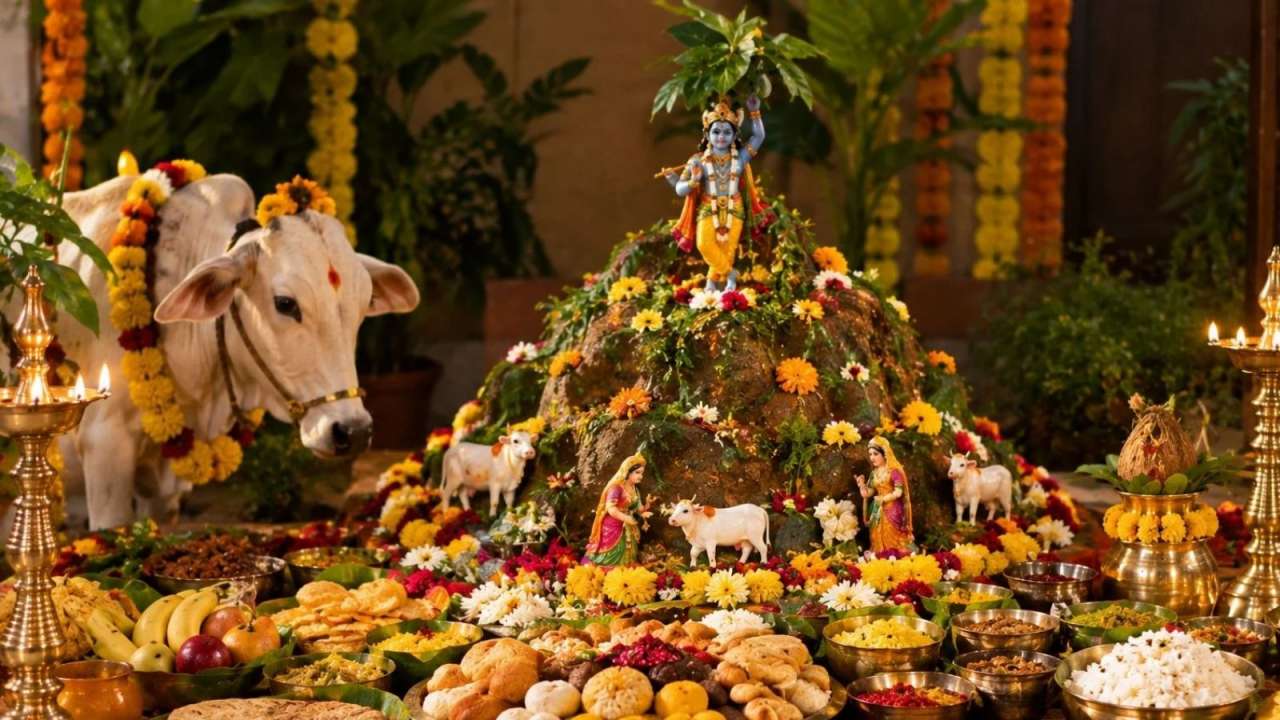
In an act of unparalleled divine intervention, Krishna lifted the mighty Govardhan Hill on his little finger, providing shelter to the people and cattle of Braj from the wrath of Indra’s storm. This extraordinary feat earned him the epithet Govardhandhari – the one who holds the Govardhan Hill. The festival, therefore, is a celebration of Krishna’s divine power, his protective grace, and the unwavering faith of his devotees.
Annakut: A Feast of Gratitude and Abundance:
Another significant aspect of Govardhan Puja is its celebration as Annakut, which translates to "a mountain of food." On this day, devotees prepare an immense variety of dishes, meticulously arranged in a towering heap, symbolizing the abundance and prosperity bestowed by Lord Krishna. This culinary mountain is then offered to the deity as a gesture of profound gratitude.

The Annakut offerings are not merely for divine consumption; they are subsequently distributed among devotees as prasad, a sacred edible offering. This act symbolizes the sharing of divine blessings and fosters a sense of community and shared prosperity. The preparation and presentation of Annakut are a testament to the devotion and culinary artistry of the faithful, transforming the act of cooking into a spiritual offering.
Cultural and Social Significance:
Beyond its religious import, Govardhan Puja holds significant cultural and social value. It reinforces the importance of community bonds, as families and neighbors come together to prepare offerings, share meals, and participate in devotional activities. The festival serves as a reminder of the interconnectedness of humanity with nature and the divine, emphasizing the need for humility, protection of the vulnerable, and gratitude for life’s blessings.

In conclusion, while the precise date of Govardhan Puja 2026 may have caused some initial consternation, the clarity provided by astrological principles and expert consensus points towards Tuesday, November 10, 2026. This day will be a vibrant testament to faith, devotion, and the enduring legacy of Lord Krishna’s protective embrace. As devotees prepare to celebrate, the spirit of Govardhan Puja – encompassing divine protection, gratitude, and communal harmony – will undoubtedly illuminate homes and hearts across the nation.