New Delhi, India – November 11, 2026 – India, a nation intrinsically linked to precious metals, witnessed a notable uptick in gold and silver prices today, reflecting a complex interplay of global economic trends, persistent inflationary pressures, and robust domestic demand. As the world navigates a dynamic financial landscape, the enduring appeal of gold and silver as safe-haven assets and cultural cornerstones continues to drive their valuation, creating significant implications for consumers, investors, and the nation’s economy.
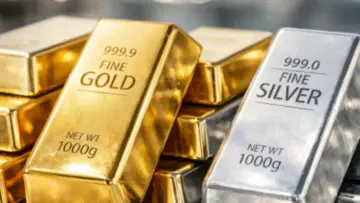
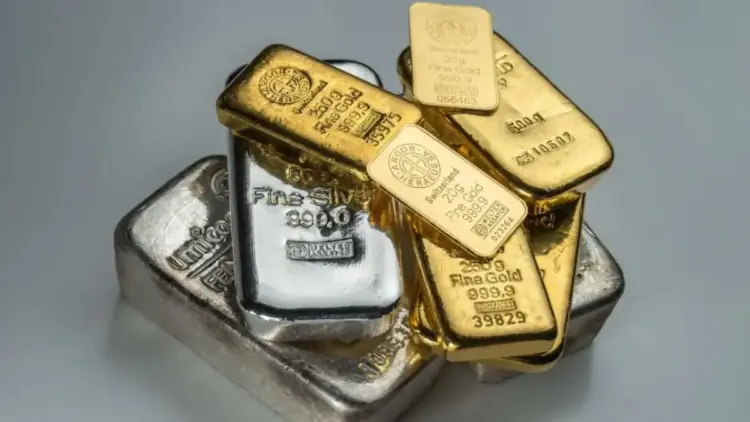
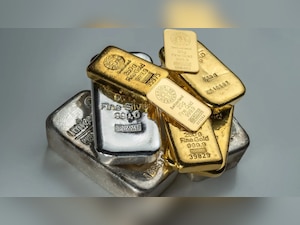
The latest figures, as of November 11, 2026, reveal 24K gold trading at an impressive Rs 14,268 per gram, while its 22K counterpart, popular for jewellery, stands at Rs 13,079 per gram. Silver, often referred to as the "poor man’s gold," has also registered a strong performance, with 999 purity silver priced at approximately Rs 2,04,900 per kilogram, or Rs 2,049 per 10 grams. These escalating prices underscore the metals’ current upward trajectory, influenced by both international market dynamics and India’s unique demand characteristics.
The Main Facts: Current Precious Metal Valuations in India
Today’s snapshot of gold and silver prices across major Indian cities paints a consistent picture of elevated valuations. The uniform pricing observed across Delhi, Mumbai, Kolkata, and Chennai suggests a national baseline influenced by import costs and wholesale market rates, before the addition of specific local premiums, making charges, and taxes that vary by retailer and region.
Gold Prices on November 11, 2026:
-
24K Gold (999 Purity):
- Per Gram: Rs 14,268
- Per 10 Grams: Rs 142,680
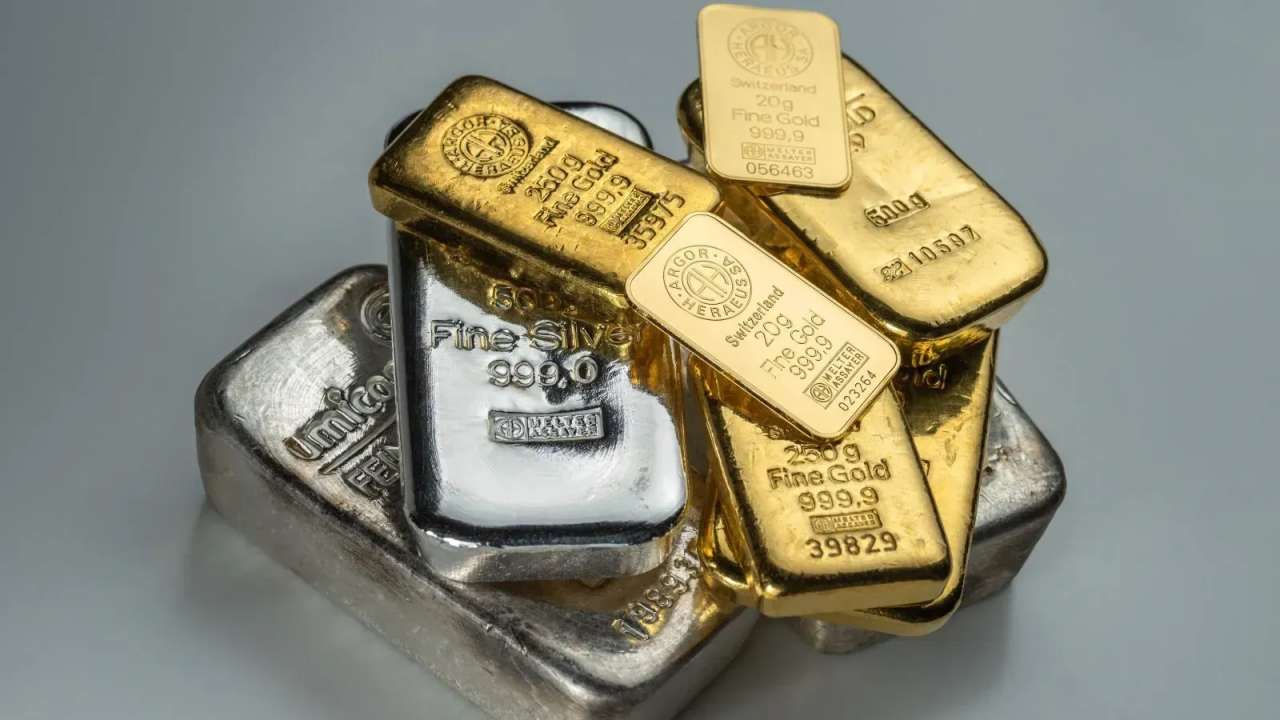
- Significance: This represents the purest form of gold, primarily used for investment in bars and coins, and as a benchmark for market valuation. The slight increase today signals strong underlying demand and global confidence in the metal.
-
22K Gold (91.67% Purity):
- Per Gram: Rs 13,079
- Per 10 Grams: Rs 130,790
- Significance: The preferred choice for crafting intricate jewellery due to its durability when alloyed with other metals. Its current price directly impacts millions of consumers planning festive or wedding purchases.
City-Wise Gold Rates (24K & 22K per gram):
- Delhi: 24K – Rs 14,268; 22K – Rs 13,079
- Mumbai: 24K – Rs 14,268; 22K – Rs 13,079
- Kolkata: 24K – Rs 14,268; 22K – Rs 13,079
- Chennai: 24K – Rs 14,268; 22K – Rs 13,079
Silver Prices on November 11, 2026:
-
Silver 999 (Pure Silver):

- Per Kilogram: Rs 2,04,900
- Per 10 Grams: Rs 2,049
- Significance: This grade of silver is sought after for investment, industrial applications, and high-purity ornaments. Its robust pricing reflects both its industrial utility and its role as an affordable investment alternative to gold.
-
Silver 925 (Sterling Silver):
- Per Kilogram: Rs 2,04,000
- Significance: Commonly used in jewellery and silverware, offering a balance of purity and strength.
City-Wise Silver Rates (999 Purity per 10 grams):
- Delhi: Rs 2,049
- Mumbai: Rs 2,049
- Kolkata: Rs 2,049
- Chennai: Rs 2,049
These figures represent a dynamic market, where a confluence of international and domestic factors continues to dictate the trajectory of precious metals.

Chronology of Influence: Tracing the Path to Current Valuations
The current prices are not isolated incidents but rather the culmination of several macro and microeconomic forces that have been shaping the precious metals market over the past several months and even years leading up to November 2026.
1. Global Economic Volatility and Inflationary Pressures (2023-2026):
The period following the initial global economic slowdown and subsequent recovery phases has been marked by persistent inflationary pressures. Supply chain disruptions, elevated energy prices driven by geopolitical tensions in various parts of the world, and expansive fiscal and monetary policies adopted by major economies in the mid-2020s have created an environment where the purchasing power of fiat currencies has been under constant threat. Gold, historically a formidable hedge against inflation, has consistently seen renewed interest from institutional and retail investors alike. As central banks grappled with balancing economic growth and price stability, real interest rates (nominal interest rates minus inflation) often remained low or even negative, diminishing the opportunity cost of holding non-yielding assets like gold. This trend has been a foundational pillar supporting gold’s valuation.
2. Geopolitical Landscape and Safe-Haven Demand (Ongoing):
The mid-2020s have unfortunately not been devoid of geopolitical uncertainties. Regional conflicts, trade disputes, and political instability in key global regions have routinely sent tremors through financial markets. In times of heightened uncertainty, investors traditionally flock to assets perceived as safe stores of value. Gold, with its millennia-old reputation for retaining value across civilizations, has consistently benefited from this flight to safety. Each new headline signaling global friction has added incremental upward pressure on gold prices.

3. Central Bank Accumulation and Diversification (2024-2026):
A significant, albeit often understated, factor has been the consistent buying of gold by central banks worldwide. Driven by a desire to diversify reserves away from traditional fiat currencies, particularly the US Dollar, and to bolster their financial stability amidst global economic shifts, central banks have been net buyers of gold for several consecutive years. This sustained institutional demand provides a strong floor to gold prices and signals long-term confidence in the metal as a reserve asset.
4. The US Dollar’s Dance and Currency Exchange Rates (Daily Influence):
The strength or weakness of the US Dollar (USD) against other major currencies, especially the Indian Rupee (INR), plays a crucial daily role. Since gold is primarily traded in US Dollars on international markets, a weaker USD generally makes gold cheaper for holders of other currencies, thereby increasing demand and potentially pushing up prices in USD terms. Conversely, a stronger USD can make gold more expensive. For India, the USD-INR exchange rate is paramount. A depreciation of the Indian Rupee against the US Dollar means that gold imports become more expensive when converted into local currency, directly leading to higher domestic gold prices, even if international dollar prices remain stable. The Rupee’s performance has been a critical variable in India’s gold pricing model.
5. Robust Industrial and Investment Demand for Silver (2023-2026):
Silver’s price trajectory has been uniquely influenced by its dual role as both a precious metal and an industrial commodity. The global push towards green energy, particularly the rapid expansion of solar power infrastructure, has significantly boosted industrial demand for silver, as it is a key component in photovoltaic cells. Furthermore, its use in electronics, electric vehicles, and medical applications has continued to grow. This robust industrial appetite, coupled with investment demand from those seeking a more affordable entry point into precious metals, has provided strong tailwinds for silver prices.

6. India’s Inherent Demand: Culture, Festivals, and Weddings (Seasonal & Cyclical):
Domestically, India’s demand for gold and silver is deeply rooted in cultural traditions. The period leading up to November 2026, especially the festive season including Dhanteras and Diwali, followed by the peak wedding season, is always characterized by a surge in demand. Gold and silver are not just investments; they are integral to religious ceremonies, social celebrations, and form a traditional store of wealth, particularly in rural areas. This cyclical demand creates an upward pressure on prices, often leading to local premiums over international rates. Even in the face of rising prices, cultural significance often overrides pure economic considerations for many buyers.
These interconnected factors, evolving over time, have collectively shaped the precious metals market, culminating in the elevated prices observed today, November 11, 2026.
Supporting Data: Deep Dive into Influencing Factors
To fully grasp today’s prices, it’s essential to dissect the individual components that contribute to the final rate.

A. Global Market Trends:
- Inflationary Pressures: The global economy has been contending with elevated inflation, stemming from factors like post-pandemic fiscal stimuli, supply chain reconfigurations, and commodity price shocks. Central banks, while tightening monetary policy, have often found it challenging to bring inflation back to target levels quickly. This environment makes gold an attractive inflation hedge. When the real return on bonds and savings accounts is low or negative, investors gravitate towards tangible assets like gold.
- Interest Rate Expectations: The relationship between interest rates and gold is inverse. Higher interest rates typically increase the opportunity cost of holding gold, which offers no yield. However, if inflation outpaces interest rate hikes, real interest rates remain low, thereby sustaining gold’s appeal. The market’s anticipation of future rate hikes or cuts significantly influences investor sentiment towards precious metals.
- Geopolitical Stability: Global political tensions, trade wars, and military conflicts create uncertainty, prompting investors to seek safe havens. Gold is a prime beneficiary during such periods. The perceived risk in equity markets or volatile currencies often translates directly into higher gold prices.
- Economic Growth Forecasts: Fears of an impending global recession or a significant slowdown can also push gold prices higher as investors hedge against economic downturns. Conversely, strong economic growth might divert funds towards riskier, higher-yielding assets, potentially dampening gold demand.
B. Local Demand Dynamics:
- Festive and Wedding Seasons: India’s cultural calendar is punctuated by numerous festivals and a prolonged wedding season, during which the purchase of gold and silver is considered auspicious and essential. This sustained domestic demand acts as a powerful driver, creating a floor for prices and often leading to premiums over international rates. Families save specifically for these occasions, viewing precious metal purchases as both an investment and a cultural obligation.
- Investment Culture: Beyond cultural consumption, gold and silver are deeply embedded in India’s investment landscape. For many households, particularly in rural areas, precious metals represent a primary form of savings and a hedge against economic instability, especially in the absence of easy access to formal financial instruments. The trust in gold as a liquid asset that retains value is unparalleled.
- Rural Demand: A significant portion of India’s gold and silver demand originates from rural areas, where it serves as a traditional store of wealth and collateral. Good monsoon seasons and agricultural prosperity often translate into increased precious metal purchases.
C. Currency Exchange Rates (USD-INR):

- As discussed, the exchange rate between the US Dollar and the Indian Rupee is a critical determinant. India is a major importer of gold. When the Rupee weakens against the Dollar, it means that Indian importers have to pay more Rupees for the same quantity of Dollar-denominated gold, leading to higher domestic prices. This factor introduces a layer of volatility and complexity, as global gold prices might remain stable in USD, but domestic prices can fluctuate significantly based on currency movements.
D. Industrial Demand for Silver:
- Silver’s industrial applications are extensive and growing. Its excellent electrical and thermal conductivity make it indispensable in electronics, solar panels (photovoltaics), medical instruments, and automotive components (especially electric vehicles). As global economies, particularly those focused on green technology, expand, the industrial demand for silver continues to provide a robust base for its price. Any slowdown in these sectors can impact silver more significantly than gold.
Official Responses and Expert Insights
While daily price fluctuations rarely elicit direct "official responses" from government bodies, the broader trends are constantly monitored and commented upon by economic experts, market analysts, and industry associations.
1. Perspectives from Financial Analysts (Hypothetical):
"The current upward trend in both gold and silver prices is a clear indication of lingering global economic uncertainties and sustained inflationary pressures," commented Dr. Alok Sharma, a prominent Mumbai-based economic analyst. "Investors are increasingly seeking tangible assets as a hedge against currency devaluation and market volatility. For gold, central bank buying and geopolitical tensions are providing a strong floor. Silver, on the other hand, benefits from both its safe-haven appeal and robust industrial demand, especially from the burgeoning green technology sector."

2. Insights from the Jewellery Industry (Hypothetical):
Mr. Rajesh Mehta, President of the All India Gems and Jewellery Council, noted, "Despite the higher prices, demand for gold and silver jewellery remains resilient, particularly with the ongoing festive season and upcoming wedding months. Consumers view these purchases not just as expenditure but as a significant investment for the future. However, the industry is closely watching the Rupee’s performance against the Dollar, as currency volatility directly impacts our import costs and final pricing." He added that designers are focusing on lighter, more intricate designs to make gold more accessible at higher price points.
3. Government Stance on Precious Metals:
The Indian government typically views precious metal imports with a dual lens: acknowledging their cultural significance and role in household savings, while also being mindful of the import bill’s impact on the current account deficit. While there are no new policy announcements today, the existing framework of import duties and Goods and Services Tax (GST) on gold and silver continues to influence market dynamics. Any future adjustments to these duties could significantly alter domestic prices and demand patterns. The government has also promoted initiatives like the Sovereign Gold Bond (SGB) scheme to divert physical gold demand towards financial instruments, aiming to reduce imports.
Implications: Who Benefits, Who Pays, and What It Means
The current elevated prices of gold and silver carry significant implications for various stakeholders within the Indian economy.

A. For Consumers and Households:
- Higher Costs: For those planning to purchase gold or silver for weddings, festivals, or personal consumption, the current prices mean higher out-of-pocket expenses. This might lead some to defer purchases, opt for lighter jewellery, or explore alternative investments.
- Increased Wealth for Holders: Conversely, households that already own gold and silver, particularly those who purchased at lower prices, see a significant appreciation in their wealth. This can provide a sense of financial security and act as a valuable asset for collateral or during emergencies.
- Investment vs. Consumption: The rising prices reinforce the dual nature of precious metals in India. While consumption demand is culturally driven, the investment aspect becomes more pronounced, with many viewing purchases as a smart long-term hedge.
B. For Investors:
- Attractive Returns: For investors who entered the market earlier, the current prices represent healthy returns. Gold and silver continue to be seen as reliable asset classes for portfolio diversification, especially in an environment of economic uncertainty and inflation.
- Safe-Haven Appeal: The enduring safe-haven status of gold and silver makes them attractive during periods of market volatility, offering stability when other asset classes like equities might be under pressure.
- Diversification: Financial advisors often recommend allocating a portion of one’s portfolio to precious metals to hedge against currency fluctuations, inflation, and geopolitical risks.
C. For the Jewellery Industry:

- Challenges and Opportunities: Jewellers face the challenge of managing inventory at higher costs and potentially dealing with cautious consumer spending. However, the cultural demand ensures a baseline level of business. Innovative designs, lighter pieces, and attractive schemes become crucial to sustain sales.
- Pricing Strategies: Retailers must carefully balance procurement costs, making charges, and consumer affordability. The uniform wholesale prices across cities provided today suggest that the competitive edge will come from value-added services and unique designs.
- Impact on Artisans: Higher prices can indirectly affect the livelihoods of skilled artisans if demand for new jewellery pieces softens significantly.
D. For the Indian Economy:
- Current Account Deficit: India is a net importer of gold. Elevated international prices and strong domestic demand translate into a higher import bill, which can strain the country’s current account deficit and put pressure on the Rupee.
- Household Savings: The accumulation of gold and silver represents a significant portion of household savings in India. While it contributes to private wealth, large-scale physical accumulation can sometimes divert funds from productive investments in other sectors.
- Remonetisation: The use of gold as collateral for loans or as a liquid asset can play a role in the financial ecosystem, particularly in rural credit markets.
Navigating the Market: Advice for Buyers and Investors
In this dynamic environment, prudent decision-making is paramount for anyone looking to engage with precious metals.
1. Research and Stay Informed: Keep abreast of global economic news, central bank policies, geopolitical developments, and currency movements. Websites, financial news channels, and market analysts provide valuable insights.
2. Understand Purity: Always verify the purity of gold (24K, 22K) and silver (999, 925) before making a purchase. Look for hallmarking for authenticity and quality assurance.
3. Buy from Reputable Sources: Purchase from trusted jewellers, banks, or certified dealers to avoid fraud and ensure fair pricing.
4. Consider Investment Avenues: Beyond physical gold and silver, explore other investment options:

- Sovereign Gold Bonds (SGBs): Government-backed bonds denominated in grams of gold, offering interest and capital appreciation without the need for physical storage.
- Gold ETFs (Exchange Traded Funds): Allow investors to buy and sell gold units on stock exchanges, providing liquidity and convenience.
- Digital Gold: Platforms offering fractional ownership of gold, stored securely in vaults.
5. Consult a Financial Advisor: For significant investments, seeking advice from a financial expert can help align precious metal purchases with broader financial goals and risk tolerance.
6. Timing Purchases: While cultural events often dictate purchase timings, for purely investment purposes, observing market trends and buying during periods of relative stability or dips can be advantageous.
Conclusion: The Enduring Allure Amidst Modern Flux
As of November 11, 2026, the elevated prices of gold and silver in India underscore their unwavering significance in the nation’s economic and cultural fabric. Driven by a potent mix of global inflationary pressures, geopolitical uncertainties, and deeply ingrained domestic demand, these precious metals continue to command attention from investors and consumers alike.
The journey of gold and silver prices reflects a continuous dance between international market forces and unique Indian specificities. While global trends dictate the baseline, local festivals, currency movements, and investment sentiments infuse the market with its distinct character. For a country where precious metals are not just commodities but heirlooms, symbols of prosperity, and crucial financial assets, understanding these dynamics is key to navigating the ever-evolving landscape of wealth and value. The current surge serves as a potent reminder of gold and silver’s enduring allure as timeless stores of value in an increasingly uncertain world.