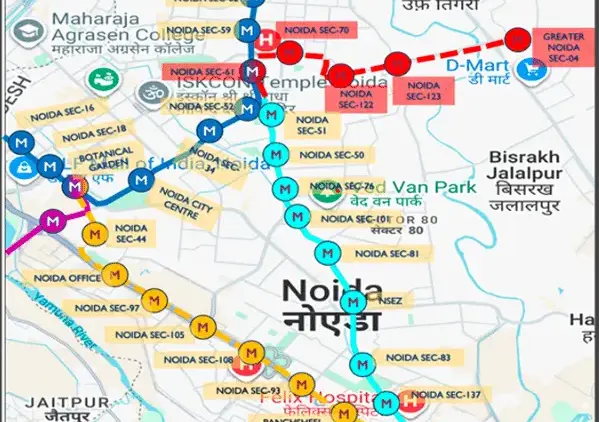
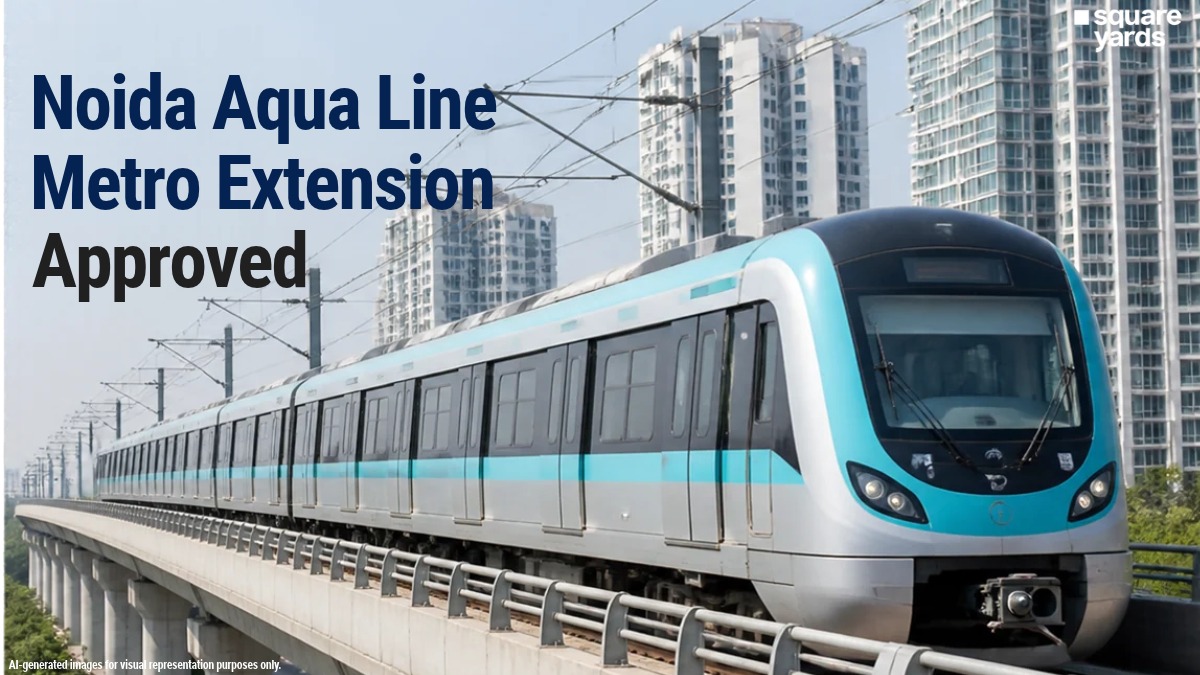
NEW DELHI – In a move set to redefine the urban landscape of the National Capital Region (NCR), the Union Cabinet, chaired by Prime Minister Shri Narendra Modi, has officially accorded its approval for the much-anticipated extension of the Noida Metro’s Aqua Line. The project, spanning 8.449 kilometers, will bridge the gap between Noida Sector 51 and Greater Noida Sector 4, integrating five new elevated stations into the region’s rapidly evolving transit map.
This approval, announced on November 11, 2026, marks a pivotal moment for the Noida Metro Rail Corporation (NMRC). Once operational, this extension will propel the total active metro network across the twin cities of Noida and Greater Noida to a comprehensive 71.878 kilometers. Beyond the technical specifications, the project is viewed as a catalyst for economic growth, offering a seamless link between residential hubs and burgeoning commercial corridors.
I. Main Facts: The Blueprint of the Aqua Line Extension
The newly approved corridor is more than just a physical extension; it is a strategic intervention designed to address long-standing transit bottlenecks. The project focuses on enhancing the "interchangeability" of the NCR’s rail systems, a factor that has historically limited the Aqua Line’s ridership compared to the Delhi Metro’s Blue Line.
Key Project Specifications
The extension begins at the existing Noida Sector 51 station and terminates at Greater Noida Sector 4. The following table summarizes the core technical and logistical details of the project:
| Project Attribute | Technical Specification |
|---|---|
| Project Name | Aqua Line Metro Extension (Phase 1B) |
| Starting Point | Noida Sector 51 |
| Ending Point | Greater Noida Sector 4 |
| Total Corridor Length | 8.449 km |
| Number of Stations | 5 |
| Station Architecture | Fully Elevated |
| Primary Interchange | Noida Sector 61 (Integration with Blue Line) |
| Total Post-Project Network | 71.878 km |
The Sector 61 Interchange: A Game Changer
Perhaps the most significant feature of this approval is the planned interchange at Noida Sector 61. For years, commuters transitioning between the Aqua Line (Sector 51) and the Blue Line (Sector 52) had to traverse a dedicated walkway, which, despite being improved over time, remained a deterrent for many. The new connection at Sector 61 will provide a direct, streamlined link to the Delhi Metro Blue Line, offering commuters from Greater Noida West an effortless gateway to Central Delhi, Gurugram, and the wider NCR.
II. Chronology: The Evolution of Noida’s Transit Backbone
The journey toward this Cabinet approval has been one of meticulous planning and phased execution. Understanding the timeline is essential to appreciate the scale of this infrastructure milestone.
- January 2019: The original Aqua Line (Sector 51 to Depot Station) was inaugurated, covering 29.7 km. While it was a landmark achievement, the lack of seamless connectivity with the Delhi Metro initially hampered growth.
- 2021–2023: Detailed Project Reports (DPRs) for the extension toward Greater Noida West (often referred to as Noida Extension) were drafted and revised multiple times to optimize the route and ensure financial viability.
- 2024–2025: Local authorities, including the Noida Authority and the Greater Noida Industrial Development Authority (GNIDA), finalized the funding patterns and secured environmental clearances.
- November 11, 2026: The Union Cabinet provides the final stamp of approval, transitioning the project from the planning stage to the execution phase.
This chronology reflects the government’s commitment to "Gati Shakti"—the national master plan for multi-modal connectivity—aimed at reducing logistics costs and improving the ease of living for urban dwellers.
III. Supporting Data: Connecting the Economic and Social Fabric
The Aqua Line extension is strategically routed to serve high-density zones. The corridor will act as a lifeline for several commercial, educational, and healthcare landmarks.
Commercial and Retail Integration
The proximity of metro stations is expected to exponentially increase footfall for several major shopping and business destinations. Key beneficiaries include:
- Retail Hubs: Gaur City Mall, H&S Mall, Blue Sapphire Mall, and the upcoming IKEA at Noida Sector 51.
- Business Centers: Anthurium Mall at Sector 73 and various commercial developments within Greater Noida Sector 4.
Employment Hubs and Corporate Presence
By providing a reliable alternative to road transport, the extension will serve the thousands of professionals working in:
- Sector 60 & 62: Home to tech giants like Tech Mahindra and TCL Tech.
- Sector 73: Housing the Oil Industry Development Board.
- Greater Noida Sector 4: The "Golden I" commercial space, which is poised to become a major IT and retail landmark.
Social Infrastructure: Healthcare and Education
The corridor ensures that essential services are within reach of the common citizen.
- Healthcare: Access to Kailash Hospital, Rama Hospital (Sectors 70 and 62), and Cloud9 Hospital (Sector 51) will be significantly enhanced for residents of Greater Noida West.
- Education: Institutions such as Delhi Public School in Sector 122 will now be accessible via a safe and predictable transit system, easing the daily commute for students and faculty.
IV. Official Responses: A Vision for Sustainable Urbanization
The Union Cabinet’s approval has been met with positive responses from various government quarters. The consensus among officials is that this project aligns with the broader vision of "Viksit Bharat" (Developed India).
The Prime Minister’s Vision:
Sources close to the Cabinet suggest that the Prime Minister emphasized the role of the metro in reducing the "urban-rural divide" within the NCR. By connecting the fringes of Greater Noida to the heart of the capital’s rail network, the government aims to democratize access to high-quality infrastructure.
Ministry of Housing and Urban Affairs (MoHUA):
Officials from MoHUA highlighted that the project is a testament to the "Double Engine" growth model, where central and state governments collaborate to fast-track infrastructure. They noted that the 8.449 km stretch was designed with future scalability in mind, ensuring it can handle the projected population explosion in the Noida Extension area over the next decade.
Environmental Stewardship:
A key takeaway from the official announcement was the emphasis on sustainability. The government expects a significant modal shift from private cars to the metro, which is estimated to reduce carbon emissions by thousands of tons annually. This aligns with India’s international commitments to achieve net-zero emissions.
V. Implications: Real Estate, Economy, and the Environment
The approval of the Aqua Line extension is expected to trigger a ripple effect across multiple sectors of the economy.

1. Real Estate: The "Metro Premium" Effect
Historically, the announcement of a metro corridor leads to a 15–20% appreciation in property values in the vicinity. For the "Noida Extension" (Greater Noida West) region, this approval is a long-awaited boon.
- Residential Demand: Projects like Cleo County (Sector 122) and the massive townships of Gaur City 1 and 2 are expected to see increased demand from end-users who previously hesitated due to the lack of public transport.
- Commercial Viability: Office spaces that were once considered "too far" from the city center will now become viable alternatives for startups and established firms looking for modern infrastructure at competitive rates.
2. Economic Productivity
By reducing travel time, the metro extension directly contributes to economic productivity. Commuters who currently spend 60–90 minutes in traffic between Noida and Greater Noida West could see their travel time cut by half. This "time-saving" translates into better work-life balance and higher efficiency for the regional workforce.
3. Decongestion and Road Safety
The Noida-Greater Noida Link Road currently faces severe congestion during peak hours. The introduction of five elevated stations will take thousands of vehicles off the road. Fewer private vehicles not only mean clearer roads but also a projected decrease in road accidents and traffic-related stress.
4. Urban Transformation and "Last-Mile" Connectivity
The project is expected to spur the development of "feeder" services. With the metro as the backbone, the Noida and Greater Noida authorities are likely to introduce e-rickshaws, cycles, and bus feeders, creating a holistic ecosystem of last-mile connectivity.
Conclusion: Looking Ahead
While the Union Cabinet’s approval is a monumental milestone, the focus now shifts to execution. As of November 2026, the specific construction schedule and final budget allocations are being finalized. Industry experts suggest that with the use of modern pre-cast technology, the project could see a relatively aggressive completion timeline.
The Aqua Line extension represents more than just tracks and stations; it represents the maturation of Noida and Greater Noida as self-sustaining urban centers. By integrating these areas into the wider Delhi NCR network, the government is ensuring that the region remains a primary engine of India’s urban growth story for decades to come. As the first pillars begin to rise, the residents of Noida and Greater Noida can look forward to a future that is faster, greener, and more connected than ever before.