
Bengaluru: A significant scandal has erupted within Karnataka’s administrative machinery with the arrest of Gyanendra Kumar Gangwar, a 2016 batch Karnataka-cadre IAS officer and currently the Director of MSME. Gangwar has been apprehended by the Criminal Investigation Department (CID) of the Karnataka Police in connection with alleged massive irregularities and corrupt practices in the Veterinary Officers’ examination conducted by the Karnataka Public Service Commission (KPSC). The investigation has taken a serious turn with allegations that Gangwar received a staggering Rs 1.1 crore from two candidates to manipulate their Optical Mark Recognition (OMR) sheets, effectively subverting the merit-based selection process.

The arrest marks a critical juncture in the ongoing probe into the KPSC examination fraud, which has sent shockwaves through the state’s bureaucracy and raised serious questions about the integrity of public examinations. Gangwar, who previously served as the Controller of Examinations at the KPSC during the period when the alleged irregularities occurred, was taken into custody after hours of intense questioning, reportedly due to his alleged lack of cooperation with the investigating authorities. He has since been remanded to judicial custody and lodged in the Parappana Agrahara prison.
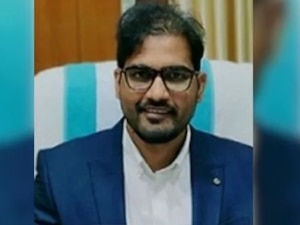
The Shadow of Corruption: Unraveling the KPSC Exam Scam
The KPSC Veterinary Officers’ examination, a crucial recruitment drive for the Animal Husbandry Department, has become the focal point of a widening corruption scandal. The case initially gained traction when a complaint was filed at the Vidhana Soudha Police Station by one Manjunath, alleging widespread irregularities in the recruitment process. The gravity of the accusations soon led to the transfer of the entire KPSC fraud case to the CID on July 28, signaling the state’s commitment to a thorough and transparent investigation.

Investigators are meticulously examining every facet of the examination process, with a particular focus on Gangwar’s alleged involvement. This includes scrutinizing the handling of question papers, the meticulous evaluation of answer scripts, and crucially, the alleged manipulation of OMR sheets – the very bedrock of objective assessment in multiple-choice examinations. The accusations suggest a sophisticated scheme to undermine the fairness of the recruitment process, potentially impacting numerous aspiring candidates who had diligently prepared for the examination.

A Trail of Evasion and Enforcement Directorate Scrutiny
The arrest of Gyanendra Kumar Gangwar did not come as a complete surprise, given the preceding events that painted a picture of evasiveness and heightened scrutiny. Prior to his detention, Gangwar had remained incommunicado for a period of two days, starting from August 20. This period of silence and unavailability to the government raised immediate red flags, prompting heightened concern and likely intensifying the focus on his activities.

Adding to the pressure, the Enforcement Directorate (ED) conducted a search of Gangwar’s Bengaluru residence on August 23. While the specific findings of the ED search have not been publicly disclosed, such an action by a central agency typically indicates the presence of substantial financial irregularities or suspected money laundering activities. This pre-arrest scrutiny by the ED underscores the seriousness of the allegations and the potential financial dimension of the KPSC scam. Gangwar’s eventual contact with the government after his two-day disappearance further fueled speculation and intensified the investigative efforts leading to his arrest.

Legal Ramifications and Charges
Gyanendra Kumar Gangwar has been booked under stringent provisions of Indian law, reflecting the severity of the alleged offenses. He faces charges under Section 318 (3) of the Bharatiya Nyaya Sanhita (BNS), which deals with offenses related to cheating and fraudulent acts, and Section 10 of the Karnataka Public Examination (Measures for Prevention of Corruption & Unfair Means in Recruitment) Act. This latter act specifically targets the prevention of corruption and unfair means in public examinations, highlighting the deliberate intent to subvert the integrity of the recruitment process. The specific allegations of receiving Rs 1.1 crore point towards a quid pro quo arrangement, where financial inducements were allegedly exchanged for favorable treatment in the examination results.

The Profile of Gyanendra Kumar Gangwar: A Promising Career Tarnished
Gyanendra Kumar Gangwar is an officer of considerable academic and professional standing. Hailing from Uttar Pradesh, he is a 2016 batch Karnataka-cadre IAS officer. His academic background is impressive, holding a B.Tech in Electrical Engineering from the prestigious Indian Institute of Technology (IIT) Kanpur. Prior to his entry into the civil services, Gangwar reportedly spent four to five years in the corporate sector, gaining valuable experience before dedicating his career to public service.

Throughout his tenure in Karnataka, Gangwar has occupied several key administrative positions, demonstrating a career trajectory that appeared to be on an upward path. His roles included serving as the Controller of Examinations at the KPSC from February 2024 to March 2026 and, more recently, as the Director of MSME from June 2026. The fact that he held such a critical position as Controller of Examinations at the KPSC during the period of the alleged scam has made his arrest particularly impactful and concerning for the integrity of public service examinations.

Chronology of Events: A Timeline of the KPSC Exam Scam Investigation
The unfolding of the KPSC exam scam and the subsequent arrest of IAS officer Gyanendra Kumar Gangwar can be pieced together through a series of key events:

- Initial Complaint: The case began with a complaint filed by Manjunath at the Vidhana Soudha Police Station, alleging irregularities in the recruitment of veterinary officers by the KPSC for the Animal Husbandry Department.
- CID Takes Over: Recognizing the widespread nature and severity of the allegations, the KPSC fraud case was transferred to the Criminal Investigation Department (CID) on July 28, marking a formal escalation of the investigation.
- Gangwar Becomes Incommunicado: On August 20, IAS officer Gyanendra Kumar Gangwar reportedly became incommunicado, ceasing all contact with government authorities for a period of two days. This unexplained absence raised significant concerns among his superiors.
- Enforcement Directorate Search: On August 23, the Enforcement Directorate (ED) conducted a search of Gangwar’s residence in Bengaluru, a move that typically signals a deep dive into potential financial misconduct.
- Gangwar Contacts Government: Following his period of incommunicado status and the ED search, Gangwar eventually made contact with the government, though the details of this communication remain undisclosed.
- Detention and Arrest: After hours of questioning by the CID, during which he reportedly failed to cooperate sufficiently with investigators, Gyanendra Kumar Gangwar was detained and subsequently arrested.
- Remand to Custody: Following his arrest, Gangwar was presented before the court and remanded to judicial custody, being lodged in the Parappana Agrahara prison.
This timeline highlights a systematic progression from initial allegations to a high-profile arrest, involving multiple investigative agencies and raising serious questions about accountability within the system.

Supporting Data and Allegations: The Rs 1.1 Crore Quid Pro Quo
The central allegation that has led to Gangwar’s arrest revolves around a substantial financial transaction. It is being alleged that Gyanendra Kumar Gangwar received a sum of Rs 1.1 crore from two unidentified candidates. In exchange for this considerable bribe, Gangwar is accused of manipulating their OMR sheets. This act, if proven, would represent a direct subversion of the merit-based selection process, where candidates are supposed to be chosen based on their performance in the examination, not on illicit financial dealings.

The OMR sheets are critical components of the examination process. They are scanned by machines, and any tampering, such as altering marks or filling in answers incorrectly after the candidate has submitted them, can fundamentally alter the outcome of the examination. The alleged Rs 1.1 crore bribe suggests a sophisticated operation designed to guarantee selection for the favored candidates, at the expense of deserving individuals who followed the rules. The investigation will now focus on tracing the source of these funds, identifying the two candidates involved, and uncovering the extent of the OMR sheet manipulation.

Official Responses and Political Ramifications
The arrest of a senior IAS officer in a corruption case has inevitably drawn sharp reactions from political quarters. Union Minister Pralhad Joshi has publicly questioned the Karnataka government’s handling of the KPSC fraud case, demanding accountability for the alleged irregularities. Such statements reflect the political sensitivity surrounding the scandal and highlight the opposition’s intent to leverage the issue for political gains.

The Karnataka government, while maintaining that the investigation is proceeding under the purview of the CID, faces the challenge of assuring the public about the integrity of its administrative processes. The arrest of a high-ranking official like Gangwar, a product of IIT Kanpur and a seasoned civil servant, inevitably casts a shadow over the perceived credibility of public service examinations and the bureaucracy as a whole. The administration will be under pressure to demonstrate decisive action and ensure that those found guilty are brought to justice, thereby restoring public faith.

Implications for Public Examinations and Bureaucratic Integrity
The KPSC exam scam, with the arrest of Gyanendra Kumar Gangwar at its epicenter, carries profound implications for the future of public examinations and the overall integrity of the Indian bureaucracy.

- Erosion of Public Trust: Incidents of corruption in recruitment processes can severely erode public trust in the fairness and transparency of government institutions. Aspiring candidates invest significant time, effort, and resources in preparing for these examinations, and any perception of manipulation or favoritism can lead to widespread disillusionment and cynicism.
- Undermining Meritocracy: The core principle of public service recruitment in India is meritocracy. Allegations of bribery and OMR sheet tampering directly undermine this principle, suggesting that connections and financial power can override genuine merit and hard work. This can discourage talented individuals from pursuing careers in public service.
- Need for Enhanced Vigilance and Technology: This scandal underscores the imperative for robust oversight mechanisms and the continuous adoption of advanced technologies to prevent malpractices. Stronger internal controls within examination bodies, independent audit processes, and the use of sophisticated technology for OMR sheet evaluation and candidate verification are crucial.
- Accountability and Deterrence: The swift and decisive action by the CID, along with the involvement of the ED, sends a strong message about the government’s commitment to tackling corruption. However, the ultimate impact will depend on the thoroughness of the investigation, the prosecution of those found guilty, and the implementation of measures to prevent future occurrences. A strong deterrent effect is essential to safeguard the integrity of public examinations.
- Impact on Administrative Morale: While such arrests are necessary to cleanse the system, they can also impact the morale of honest civil servants. It is crucial to ensure that the system is designed to detect and punish corrupt elements without unfairly penalizing diligent and ethical officers.
The arrest of Gyanendra Kumar Gangwar is a stark reminder that the fight against corruption within the bureaucracy is an ongoing and challenging endeavor. The coming days and weeks will reveal the full extent of the KPSC exam scam and will undoubtedly lead to calls for comprehensive reforms to ensure that the path to public service remains a testament to merit and integrity.