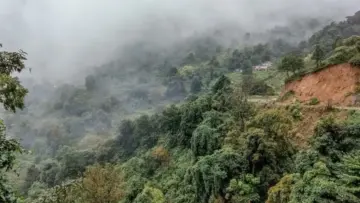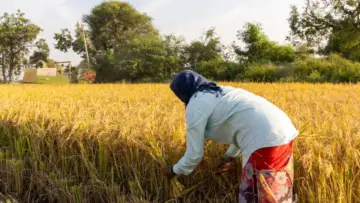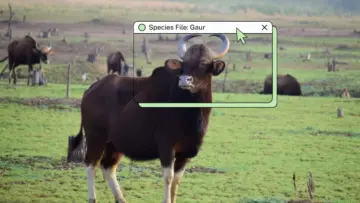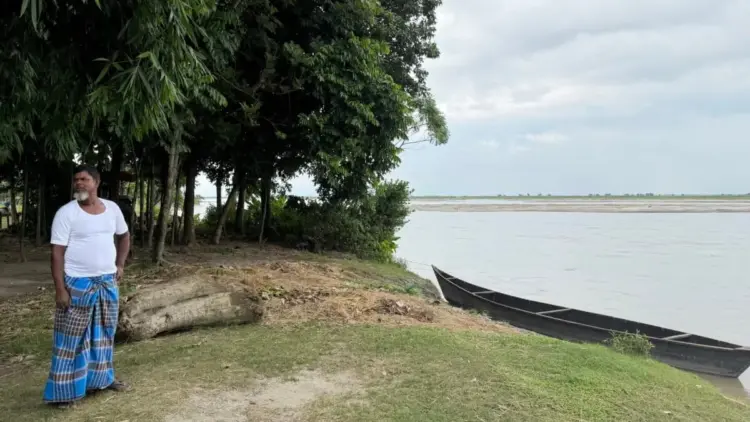
The Teesta River, a temperamental artery flowing from the eastern Himalayas through West Bengal and into Bangladesh, has long defined the lives of those residing on its banks. However, in recent years, a convergence of climate-induced disasters, habitat fragmentation, and socio-economic desperation has transformed the river’s chars—temporary sandbar settlements—into a frontline of human-wildlife conflict and environmental precariousness.
In Premganj char, also known as Jaliapara, located roughly 15 kilometers from Jalpaiguri town, the residents live in a state of "permanent transience." Here, the traditional rhythms of riverine life have been disrupted by the terrifying arrival of military munitions from upstream floods and the seasonal "invasions" of elephant bulls. Their story is a microcosm of the broader challenges facing the Eastern Dooars landscape, where the boundaries between nature’s fury and human resilience are increasingly blurred.
Main Facts: A Landscape in Flux
The Jaliapara char is identified in the Jalpaiguri district’s disaster management plans as a "highly vulnerable" zone. Its existence is dictated by the Teesta’s sediment-heavy flow, which creates, erodes, and reshapes these sandbars with every monsoon.

Key issues currently defining the region include:
- The 2023 GLOF Aftermath: A massive glacial lake outburst flood (GLOF) from South Lhonak Lake in Sikkim sent a wall of water, debris, and toxic waste downstream, fundamentally altering the riverbed and soil chemistry.
- The Maljuria Phenomenon: Groups of male elephants, known locally as maljurias, have established new foraging routes through the charlands, leading to significant crop and property damage.
- Unrecorded Populations: A significant portion of the char’s population consists of internal migrants from climate-vulnerable regions like the Sundarbans. These residents lack legal land tenure and official recognition, leaving them without access to social safety nets.
- The Shadow Economy: An informal leasing system governs the cultivation of these unstable lands, operating outside the purview of formal government regulation.
Chronology: From Natural Rhythms to Compounding Crises
The history of Jaliapara is a timeline of increasing environmental and anthropogenic pressure.
1968: The Great Flood
Long-term residents like 57-year-old Budharu Muhammed measure their lives by the river’s major upheavals. The 1968 flood remains a historical benchmark, representing a time when the river was deeper and its banks more stable.

1976: Infrastructure and Altered Flow
The introduction of the Teesta-Mahananda Link Canal project marked the beginning of large-scale landscape modification. Designed for irrigation, the project began to alter the natural hydrological patterns of the region, affecting the movement of both water and wildlife.
1990s – 2000s: Fragmentation of the Dooars
The expansion of tea cultivation, railway networks, and a burgeoning tourism industry led to the fragmentation of the Eastern Dooars Elephant Reserve. As traditional corridors were blocked, elephants began seeking alternative routes.
2018: The Elephants Arrive
According to researchers from the Airavat Trust, 2018 was a turning point. A group of 15-16 elephants from the Baikunthapur forest discovered the charland’s maize and paddy fields. What began as an experimental forage has evolved into a seasonal migration of approximately 100 elephants annually.

October 2023: The South Lhonak GLOF
The most recent and severe disruption occurred when the South Lhonak Lake in the Sikkim Himalayas burst. The resulting surge destroyed the Teesta III dam and flushed military materiel—including live shells and bombs—into villages like Premganj. The flood also introduced a "toxic layer" of oil, medical waste, and silt, causing widespread skin ailments and destroying the aquatic ecosystem.
Supporting Data: Ecology and the "High-Risk" Strategy
The movement of elephants into Jaliapara is not a random occurrence but an adaptive ecological strategy. Research indicates that the wider landscape, stretching from the Mechi River to the Sankosh River, supports over 700 elephants.
The Maljuria Dynamics
Researcher Avijan Saha explains that maljurias—groups of younger and experienced adult males—act as "scouts." In anthropogenically altered environments, these all-male groups explore new landscapes in search of high-energy food sources.

- Seasonal Patterns: Elephant visits peak during the maize season (March to June) and return for the paddy harvest in September.
- Risk vs. Reward: For an elephant, entering a human settlement is a "high-risk, high-reward" strategy. The nutritional density of cultivated crops far exceeds that of forest forage, justifying the risk of human encounter.
Hydrological Shifts
The rising riverbed of the Teesta is a critical factor in the increased frequency of flooding.
- Sedimentation: Large boulders, landslide debris, and silt from upstream construction have raised the riverbed.
- Erosion: As the bed rises, the water spreads laterally, eroding banks that were previously considered safe. Muhammed notes that the river, once deep and channeled, is now shallow and prone to "wandering."
Official Responses and the "Syndicate" System
Despite being recognized as a high-risk zone in disaster management plans, the administrative response to the plight of charland residents remains largely passive.
The Informal Land Market
Because charlands are transient and lack formal deeds, they exist in a legal vacuum. An informal "syndicate" governs the land:

- Occupation: Longtime residents claim patches of newly emerged sandbars.
- Leasing: Migrants from the Sundarbans or Cooch Behar lease these patches for seasonal cultivation.
- Rates: A seasonal lease for one bigha (roughly 0.33 acres) can cost between ₹5,000 and ₹7,000, depending on demand.
- Lack of Recourse: Because these arrangements are informal, lessees have no legal protection if the land washes away or if crops are destroyed by elephants.
The Administrative Gap
State departments, including the Irrigation and Agriculture Departments, are aware of the settlements but offer little intervention.
- Compensation: Residents are ineligible for government compensation for crop loss or house destruction because they do not "legally" own the land.
- Documentation: Many residents, like 76-year-old Bijoy Barman, still carry Aadhaar and voter ID cards from their places of origin. This "unrecorded" status prevents them from accessing local healthcare, senior pensions, and other welfare schemes.
Implications: Coexistence in an Era of Extremes
The situation in Jaliapara offers profound implications for how we understand climate adaptation and wildlife conservation in the 21st century.
1. The Resilience of Solidarity
Perhaps the most striking aspect of life on the char is the social cohesion. Despite the pressures of poverty and disaster, the community maintains a rare level of inter-religious and inter-communal harmony. Sumi Roy, a local resident, notes that Hindu and Muslim families frequently shelter each other when the river claims a home. This social capital is the primary "insurance policy" for a people ignored by the state.

2. Spiritual Coexistence
While urban narratives of human-wildlife conflict often focus on "retaliation," the residents of Jaliapara exhibit a complex, often spiritual, acceptance of the elephants. Many worship Mahakal, believing the deity rides the elephants and controls their temper. This cultural lens facilitates a level of tolerance that prevents the "severe human retaliation" seen in other parts of India, even when homes are leveled.
3. The Need for Landscape-Level Planning
The plight of Jaliapara highlights the failure of localized conservation. As Eklabya Sharma of ATREE suggests, the sustainability of charlands is tied to the "natural flow" of the river. The proliferation of dams and the loss of forest cover upstream mean that charlands are no longer stable enough to support the livelihoods they once did. Conservation must move from "protecting spots" to "managing landscapes" that account for the movement of both water and megafauna.
4. Climate Migrants as "Ghost Citizens"
The presence of Sundarbans migrants on the Teesta chars signals a growing trend of internal climate displacement. These "ghost citizens" move from one disaster-prone zone to another, falling through the cracks of the state’s administrative machinery. Without a framework to recognize and support transient populations, the cycle of poverty and vulnerability will only accelerate.

Conclusion
Budharu Muhammed’s outlook remains a blend of fatalism and optimism: "Teesta gives us and Teesta takes from us." It is a sentiment shared by thousands who call these shifting sands home. However, as the impacts of the 2023 GLOF continue to settle and the maljurias continue their seasonal treks, the margin for error is shrinking. Jaliapara is a reminder that in the face of a changing climate, the most vulnerable are often those whose very ground is constantly disappearing beneath their feet.