MUMBAI, India – The cricket world is abuzz with anticipation for the Indian Premier League (IPL) 2027, despite the tournament still being nearly three months away. A flurry of high-profile player trades has already sent shockwaves through the league, dramatically reshaping team compositions and setting the stage for what promises to be one of the most unpredictable seasons in recent memory. Ten major players, including some of India’s biggest stars and prominent international talents, have switched allegiances across four completed deals, signaling a strategic overhaul by several franchises.
At the epicenter of this early trade activity is the sensational swap involving all-rounder Hardik Pandya and pace sensation Arshdeep Singh. This marquee deal, alongside other significant movements, underscores the relentless pursuit of competitive advantage by IPL teams, as they meticulously craft their squads in pursuit of the coveted trophy. The strategic chess game has begun, and the opening moves suggest a season ripe with narrative shifts and intense on-field rivalries.
Main Facts: The IPL 2027 Trade Bonanza Kicks Off
The Indian Premier League’s pre-auction trade window has sprung into life with a series of significant player movements, indicating a clear intent from franchises to bolster their squads and address strategic gaps well ahead of the player auction. These early trades, often seen as indicators of a team’s long-term vision and immediate needs, have already reshuffled key personnel, sparking widespread discussion among fans and pundits alike.
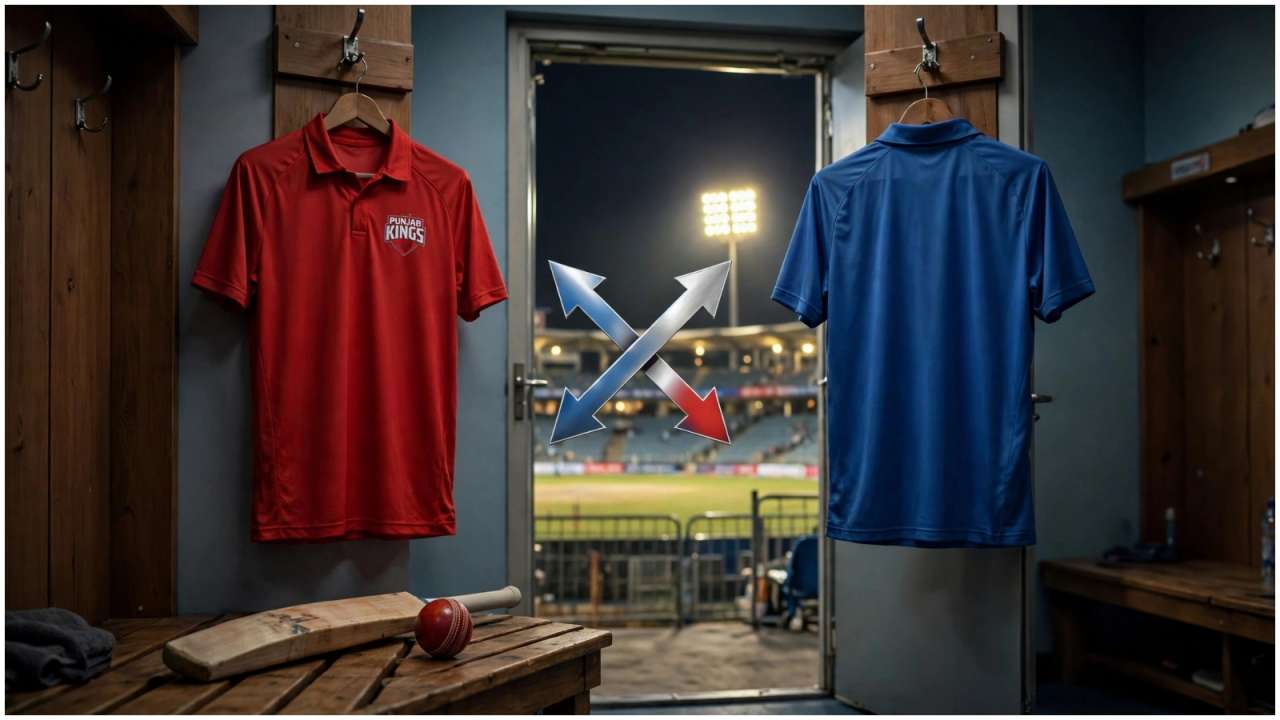
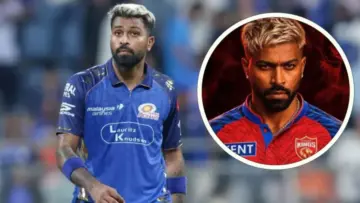
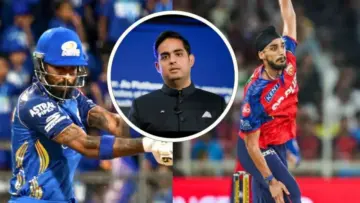
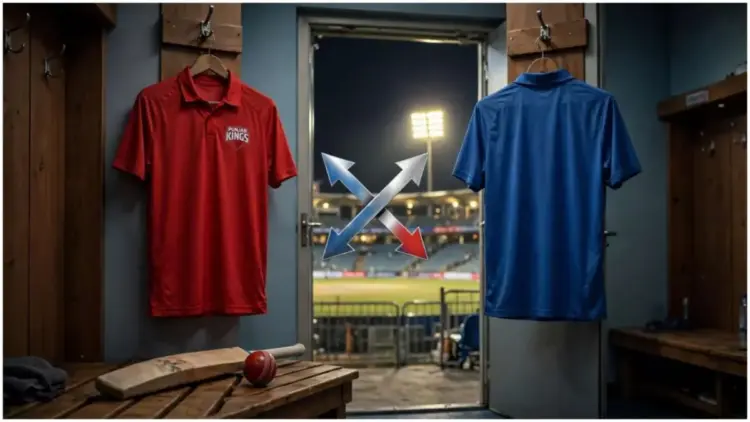
The most prominent transaction involves a direct exchange between five-time champions Mumbai Indians (MI) and Punjab Kings (PBKS). All-rounder Hardik Pandya, a former MI player who returned to captain the franchise in 2024, has now moved to Punjab Kings for an astounding sum of Rs 18 crore. In a parallel move, left-arm pacer Arshdeep Singh, a lynchpin of PBKS’s bowling attack since his debut, will now don the Mumbai Indians’ blue jersey, also valued at his existing fee of Rs 18 crore. This exchange is not merely a player swap but a significant strategic maneuver, impacting leadership dynamics, team balance, and financial outlays for both franchises.
Beyond this headline-grabbing deal, other crucial trades have also transpired:
- Rishabh Pant has made a surprising switch from Lucknow Super Giants (LSG) to Delhi Capitals (DC) for Rs 15 crore.
- In return, mystery spinner Kuldeep Yadav moves from Delhi Capitals to Lucknow Super Giants for Rs 13.5 crore.
- Pace bowler T Natarajan departs Delhi Capitals to join Sunrisers Hyderabad (SRH) for Rs 5 crore.
- A multi-player deal saw Liam Livingstone (Rs 6 crore) and Jack Edwards (Rs 3 crore) transfer from Sunrisers Hyderabad to Chennai Super Kings (CSK).
- In the same deal, Nathan Ellis moved from Chennai Super Kings to Sunrisers Hyderabad for Rs 2 crore.
- Young talent Zeeshan Ansari completed a move from Sunrisers Hyderabad to Delhi Capitals for Rs 40 lakh.
These trades collectively represent a significant portion of the league’s top talent changing hands, setting a vibrant precedent for the rest of the pre-auction phase and the upcoming mega auction.

Chronology: A Detailed Look at the Strategic Player Movements
The IPL 2027 trade window has witnessed a series of calculated decisions by franchises, each trade carrying specific implications for team structure, financial health, and future strategy. Understanding the sequence and rationale behind these moves provides deeper insight into the competitive landscape.
The Hardik Pandya and Arshdeep Singh Blockbuster Trade
The most talked-about deal of the trade window thus far unfolded between Mumbai Indians and Punjab Kings. This was a simultaneous transfer, with Hardik Pandya moving from MI to PBKS for Rs 18 crore, and Arshdeep Singh transitioning from PBKS to MI for his existing fee of Rs 18 crore.
Hardik Pandya’s Journey and Impact: Pandya’s career trajectory has been a fascinating one. He made his IPL debut with Mumbai Indians, becoming a crucial all-rounder and a fan favorite. His move to Gujarat Titans in 2022 saw him lead the new franchise to a stunning IPL title victory in their inaugural season, showcasing his captaincy prowess. His return to Mumbai Indians in 2024, notably as captain, was met with mixed reactions and proved to be a challenging season for both him and the franchise. His move to Punjab Kings now presents a fresh challenge and an opportunity to lead a team that has historically struggled for consistency. For PBKS, acquiring Pandya, especially at Rs 18 crore, signifies a massive investment in an experienced all-rounder who can bat aggressively in the middle order, provide crucial overs with his medium-pace, and, crucially, offer a proven leadership option. His presence could be the catalyst PBKS needs to transform their fortunes.

Arshdeep Singh’s Ascent and Value: On the other side of this exchange is Arshdeep Singh, a left-arm pacer who has been a revelation since his IPL debut for Punjab Kings in 2019. Known for his accurate death bowling, ability to bowl yorkers, and variations, Singh quickly became the leading wicket-taker for the Punjab-based franchise and earned a spot in the Indian national team. His move to Mumbai Indians addresses a critical need for a reliable Indian fast bowler, particularly one who can excel in the death overs. Mumbai Indians, known for their strong Indian core, will see Arshdeep as a long-term asset, providing pace, control, and wicket-taking ability, complementing their existing bowling arsenal. The fact that he was acquired at his existing fee of Rs 18 crore highlights his perceived value as a national-level talent.
Rishabh Pant and Kuldeep Yadav: A Capital and a Lucknow Swap
This trade saw two prominent Indian internationals swap cities, with Rishabh Pant moving from Lucknow Super Giants to Delhi Capitals for Rs 15 crore, and Kuldeep Yadav heading from Delhi Capitals to Lucknow Super Giants for Rs 13.5 crore.
Rishabh Pant’s Return to Delhi: Pant’s journey has been one of resilience and remarkable talent. A dynamic wicketkeeper-batsman, he had previously captained Delhi Capitals before a serious accident sidelined him. His move to LSG was a brief hiatus, and his return to DC, a franchise where he is revered, is a significant emotional and strategic win for the Capitals. Pant brings not only explosive batting and sharp wicketkeeping but also invaluable leadership experience. His acquisition at Rs 15 crore signals Delhi’s intent to rebuild around a proven match-winner and a popular local figure. His return could rejuvenate the squad and bring back a sense of stability.

Kuldeep Yadav’s Spin to Lucknow: In exchange, Lucknow Super Giants acquired Kuldeep Yadav, an experienced left-arm wrist-spinner. Kuldeep has had a resurgence in recent years, showcasing his ability to pick wickets in the middle overs and control the flow of runs. For LSG, securing a spinner of Kuldeep’s caliber for Rs 13.5 crore is a shrewd move. Spin often plays a crucial role on Indian pitches, and Kuldeep provides a proven wicket-taking option who can turn games. His variations and experience will be a valuable asset to the Super Giants’ bowling attack, which often relies on a mix of pace and spin.
T Natarajan: From Capitals to Sunrisers
T Natarajan, the left-arm pacer, has moved from Delhi Capitals to Sunrisers Hyderabad for Rs 5 crore.
Natarajan’s Homecoming: Natarajan is no stranger to Sunrisers Hyderabad, having made a name for himself as a death-bowling specialist with the franchise before moving to DC. Known for his pinpoint yorkers and ability to bowl under pressure, Natarajan’s return to SRH could be a critical re-strengthening of their bowling attack. His previous stint with SRH saw him emerge as a national hero, and his familiarity with the team environment and management could facilitate a smooth reintegration. For SRH, acquiring a proven Indian pacer at Rs 5 crore, especially one known for his specific skill set, represents good value and addresses a potential need for an experienced local bowler. For DC, this move might free up funds or a slot for another strategic acquisition.

The SRH-CSK Multi-Player Deal: Strategic Swaps
This complex trade saw Liam Livingstone (Rs 6 crore) and Jack Edwards (Rs 3 crore) move from Sunrisers Hyderabad to Chennai Super Kings, while Nathan Ellis (Rs 2 crore) transferred from Chennai Super Kings to Sunrisers Hyderabad.
CSK’s Gain: Livingstone and Edwards: Chennai Super Kings have a history of making smart, calculated acquisitions, and bringing in Liam Livingstone for Rs 6 crore appears to fit this mold. Livingstone is a destructive English all-rounder, capable of hitting massive sixes and contributing with both off-spin and leg-spin. His versatility adds significant depth to CSK’s middle order and bowling options. He can be a game-changer on his day, providing explosive finishes or quick wickets. Jack Edwards, a younger talent acquired for Rs 3 crore, represents CSK’s investment in future potential. While less known, CSK’s scouting network often unearths hidden gems, and Edwards could be a player they believe can develop into a key asset.
SRH’s Acquisition: Nathan Ellis: Sunrisers Hyderabad, in turn, secured Nathan Ellis from CSK for Rs 2 crore. Ellis, an Australian pace bowler, is known for his variations and ability to bowl in different phases of an innings. His international experience and disciplined bowling make him a valuable addition to SRH’s pace battery. For SRH, acquiring Ellis at a relatively modest price provides an experienced overseas fast-bowling option, allowing them flexibility in their team combinations and potentially freeing up funds for other areas in the auction.

Zeeshan Ansari: An Emerging Talent to Delhi Capitals
Zeeshan Ansari moved from Sunrisers Hyderabad to Delhi Capitals for Rs 40 lakh.
Investment in Youth: This trade represents a lower-profile but equally strategic move. Zeeshan Ansari is an emerging talent, likely a domestic player with potential. For Delhi Capitals, acquiring a young player for Rs 40 lakh is an investment in the future, providing depth to their squad and a chance for a promising cricketer to develop under the guidance of experienced coaches. For SRH, this might have been a move to free up a squad spot or a minimal amount in their purse.
Supporting Data: Strategic & Financial Underpinnings of the Trades
The IPL trade window is not merely about exchanging players; it’s a sophisticated exercise in financial management, strategic planning, and talent evaluation. These early movements for IPL 2027 highlight several key aspects that underpin franchise decision-making.

Financial Implications and Salary Cap Management
Each player in the IPL comes with a price tag that impacts the team’s overall salary cap. The Rs 18 crore for Hardik Pandya and Arshdeep Singh, Rs 15 crore for Rishabh Pant, and Rs 13.5 crore for Kuldeep Yadav are substantial figures. For teams like Punjab Kings and Mumbai Indians, this means that while they acquire a star player, a significant chunk of their budget is allocated, influencing their strategy for the upcoming auction. The "existing fee" clause for Arshdeep Singh means his price was pre-determined by his previous contract, simplifying the financial aspect of his transfer. These trades effectively reduce the available purse for the auction but secure high-value assets without facing bidding wars.
The smaller trades, like T Natarajan for Rs 5 crore and Zeeshan Ansari for Rs 40 lakh, allow teams to fine-tune their budgets. For instance, DC’s trade of Kuldeep and Natarajan, while acquiring Pant and Ansari, reflects a calculated reshuffling of their financial commitments and player profiles. Similarly, CSK’s acquisition of Livingstone and Edwards, while releasing Ellis, indicates a focus on specific skill sets and balancing their foreign player quota within the budget.
Strategic Rationale: Beyond the Price Tag
Franchises make these moves based on a deep analysis of team balance, future planning, and immediate needs.

-
Team Balance and Skill Sets:
- Punjab Kings (PBKS): By acquiring Hardik Pandya, PBKS has significantly boosted its all-rounder department. Pandya’s ability to bat aggressively in the middle/death overs and provide 3-4 overs with the ball addresses a long-standing need for a dynamic Indian all-rounder who can also lead. This move adds power and flexibility.
- Mumbai Indians (MI): While letting go of a captain and an all-rounder like Pandya is a big call, acquiring Arshdeep Singh strengthens MI’s pace attack, particularly their Indian fast-bowling contingent. Arshdeep’s death bowling prowess is invaluable, providing a crucial wicket-taking option alongside other pacers.
- Delhi Capitals (DC): Bringing back Rishabh Pant is a massive statement. He provides explosive batting, wicketkeeping, and a proven leader. This move suggests DC is looking to solidify its Indian core and potential captaincy. The departure of Kuldeep Yadav, while a loss, might be mitigated if DC plans to invest in another spinner or believes their existing spin options are sufficient.
- Lucknow Super Giants (LSG): By securing Kuldeep Yadav, LSG gains a top-tier Indian spinner who can control the middle overs and pick crucial wickets. This bolsters their bowling attack and provides a strong counterpoint to their pace options.
- Sunrisers Hyderabad (SRH): The re-acquisition of T Natarajan addresses their need for an experienced Indian death bowler. The multi-player trade with CSK, involving Livingstone, Edwards, and Ellis, indicates a strategy to reconfigure their overseas player slots, perhaps focusing on specific roles or freeing up funds for other targets.
- Chennai Super Kings (CSK): The acquisition of Liam Livingstone brings an explosive overseas all-rounder, known for his power-hitting and versatile spin bowling. This adds another dimension to CSK’s famed batting depth and provides crucial multi-utility. Jack Edwards represents an investment in youth, aligning with CSK’s history of nurturing talent.
-
Leadership Dynamics: Hardik Pandya’s move to PBKS could very well mean he takes on the captaincy role, offering a proven leader to a team that has experimented with several captains. Rishabh Pant’s return to DC also positions him as a strong candidate for leadership, a role he has previously excelled in. These moves aren’t just about individual performance but also about shaping the team’s on-field generalship.
-
Future Planning vs. Immediate Impact: Some trades, like Zeeshan Ansari to DC or Jack Edwards to CSK, reflect a long-term vision and investment in young talent. Others, like Pandya or Pant, are aimed at immediate impact and strengthening core leadership. This blend shows franchises are thinking on multiple timelines.

Historical Context of IPL Trades
Player trades are not new to the IPL and have often been instrumental in shaping championship teams. Iconic moves like Rohit Sharma’s transfer from Deccan Chargers to Mumbai Indians (which eventually led to MI’s dominance) or Ravichandran Ashwin’s move to Delhi Capitals, underscore the power of trades to alter team fortunes. These 2027 trades, particularly the Hardik-Arshdeep swap, stand among the most significant in the league’s history in terms of player profile and financial valuation, signaling a continuing evolution in how franchises manage their rosters.
Official Responses: Voices from the Franchises and Experts
While official statements from franchises are often guarded, insights from team sources and expert analysts provide a clearer picture of the motivations and anticipated impacts of these trades.
A Mumbai Indians spokesperson, speaking anonymously due to ongoing strategic discussions, commented on the Hardik-Arshdeep deal: "This was a difficult but necessary decision for Mumbai Indians. Hardik has been an incredible asset, but team dynamics and long-term strategy dictated a change. Arshdeep Singh brings a unique skill set as a premier Indian death bowler, a crucial component for our bowling attack. We believe this move strengthens our core and provides stability for seasons to come."

Conversely, a Punjab Kings official expressed immense enthusiasm: "Bringing Hardik Pandya into the Punjab Kings family is a monumental step. He’s a proven match-winner, a dynamic all-rounder, and a leader who has lifted an IPL trophy. His experience and explosive abilities will be invaluable as we aim to build a championship-winning squad. This is a statement of intent from PBKS."
Regarding the Rishabh Pant and Kuldeep Yadav trade, an insider from Delhi Capitals remarked: "Rishabh Pant’s return is a homecoming. He’s a Delhi boy, a leader, and an electrifying talent. His presence ignites the team and connects with our fan base. While Kuldeep was excellent, we identified a unique opportunity to bring Rishabh back and reinforce our batting and leadership."
A Lucknow Super Giants representative offered their perspective: "Kuldeep Yadav is a world-class spinner, and we are thrilled to have him join LSG. His ability to take wickets in the middle overs will be a massive asset on any pitch. We’re confident he will form a formidable partnership with our existing bowling unit and provide the crucial breakthroughs we need."

Cricket analyst and former India international, Sanjay Manjrekar, weighed in on the overall trade scenario: "These early trades are fascinating. The Hardik-Arshdeep swap is a game-changer for both franchises. For Punjab, they get a potential captain and a genuine all-rounder. For Mumbai, Arshdeep fills a critical Indian pace bowling void. The Pant-Kuldeep trade also shows teams are willing to make bold moves to get the specific skill sets they need. It’s clear that teams are prioritizing balance and leadership very early this season."
On the multi-player SRH-CSK deal, a source close to Chennai Super Kings management stated: "Liam Livingstone offers us that X-factor – power, versatility, and an ability to change the game in a few overs. Jack Edwards is a talent we’ve been tracking, and we believe he has a bright future. We’re always looking to strengthen our squad with multi-dimensional players."
Implications: Reshaping the IPL 2027 Landscape
The implications of these early trades are far-reaching, affecting team dynamics, the competitive balance of the league, fan engagement, and strategies for the upcoming player auction.

Impact on Team Dynamics and Competitive Balance
These trades have significantly altered the power dynamics within the league.
- Punjab Kings have arguably emerged as stronger contenders, gaining an all-rounder and potential captain in Hardik Pandya, who brings proven leadership and match-winning capabilities. This acquisition could provide the stability and firepower PBKS has long sought.
- Mumbai Indians, while losing a charismatic all-rounder and captain, have secured a top-tier Indian pacer in Arshdeep Singh, addressing a crucial bowling need. This shift implies a potential change in leadership for MI, possibly reverting to an experienced campaigner or promoting from within, and a renewed focus on their bowling attack.
- Delhi Capitals are undoubtedly bolstered by the return of Rishabh Pant, injecting energy, leadership, and explosive batting into their lineup. This makes them a more formidable unit, especially with Pant’s immense popularity among the DC fanbase.
- Lucknow Super Giants have strengthened their spin department with Kuldeep Yadav, adding a wicket-taking option that can control the middle overs, making their bowling attack more potent.
- Chennai Super Kings have reinforced their middle order and all-rounder options with Liam Livingstone, known for his destructive batting and handy spin, maintaining their reputation for building well-rounded squads.
- Sunrisers Hyderabad have strategically reshuffled their pace attack with the return of Natarajan and the acquisition of Ellis, aiming for a more balanced bowling unit.
These movements suggest a more open and competitive IPL 2027, with several teams making bold moves to challenge the established hierarchy.
Fan Reaction and League Narrative
The announcement of these trades has ignited a frenzy among IPL fans globally. Social media platforms are abuzz with discussions, debates, and analyses of each move. Hardik Pandya’s transfer, in particular, has generated intense discussion, given his history with both MI and GT. These early developments build immense hype for IPL 2027, ensuring that the tournament remains a central topic of conversation even months before its commencement. The narrative of strategic reshuffles and the pursuit of glory is already taking shape, promising an exhilarating season.

Influence on the Upcoming Player Auction
Perhaps one of the most significant implications is how these trades will shape the strategies for the main player auction.
- Reduced Purse and Specific Needs: Teams that have made big trades, especially those acquiring players for Rs 15-18 crore, will have a considerably smaller purse for the auction. This necessitates a highly targeted approach to filling remaining gaps.
- Filling Leadership Voids: If MI opts for a new captain, their auction strategy might focus on acquiring an experienced leader. Similarly, PBKS, if Pandya captains, will focus on complementing his all-round skills.
- Targeting Specific Skill Sets: Teams like DC, having secured Pant, might now prioritize specific bowling or all-rounder options in the auction. LSG, with Kuldeep, might look for pace options.
- Overseas Slots: The trades involving international players like Livingstone, Edwards, and Ellis directly impact the number of overseas slots available for teams, dictating their foreign player targets in the auction.
These pre-auction trades are strategic chess moves, designed to secure key players without the unpredictability and inflated prices of the auction, thereby allowing franchises to plan their remaining acquisitions with greater precision.
In conclusion, the IPL 2027 trade window has opened with a bang, signaling a period of significant transformation for several franchises. The blockbuster deals involving Hardik Pandya, Arshdeep Singh, Rishabh Pant, and Kuldeep Yadav, among others, have not only reshuffled player rosters but have also set the stage for a highly anticipated and strategically intriguing season. As teams continue to fine-tune their squads, the competitive landscape of the IPL is poised for an exciting and unpredictable evolution, promising fans a spectacle of cricketing excellence and strategic brilliance.