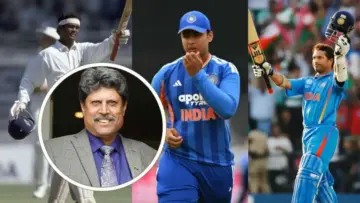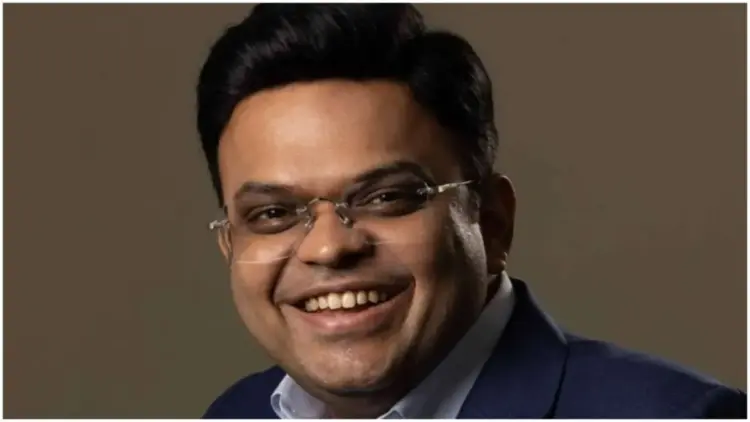
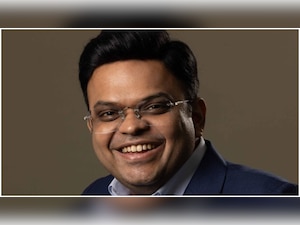
BALI, INDONESIA – Jay Shah, the astute administrator widely credited with significant advancements in cricket’s global landscape, has been unanimously reappointed as the Chairman of the International Cricket Council (ICC) for a second consecutive term. The decision, reached without any opposition during the global governing body’s Board and Committee meetings in Bali, underscores a robust vote of confidence in his leadership as the sport navigates a crucial period of expansion and strategic development.
The 38-year-old’s reappointment ensures continuity at the helm of the apex cricket body, signaling the ICC’s intent to further consolidate the initiatives set in motion during his inaugural tenure. With cricket’s highly anticipated return to the Olympic Games at Los Angeles 2028 (LA28) on the horizon, Shah’s renewed mandate positions him to spearhead efforts to elevate the sport’s global reach, commercial viability, and fan engagement to unprecedented levels.
The Mandate: Unopposed Reappointment and Continuity
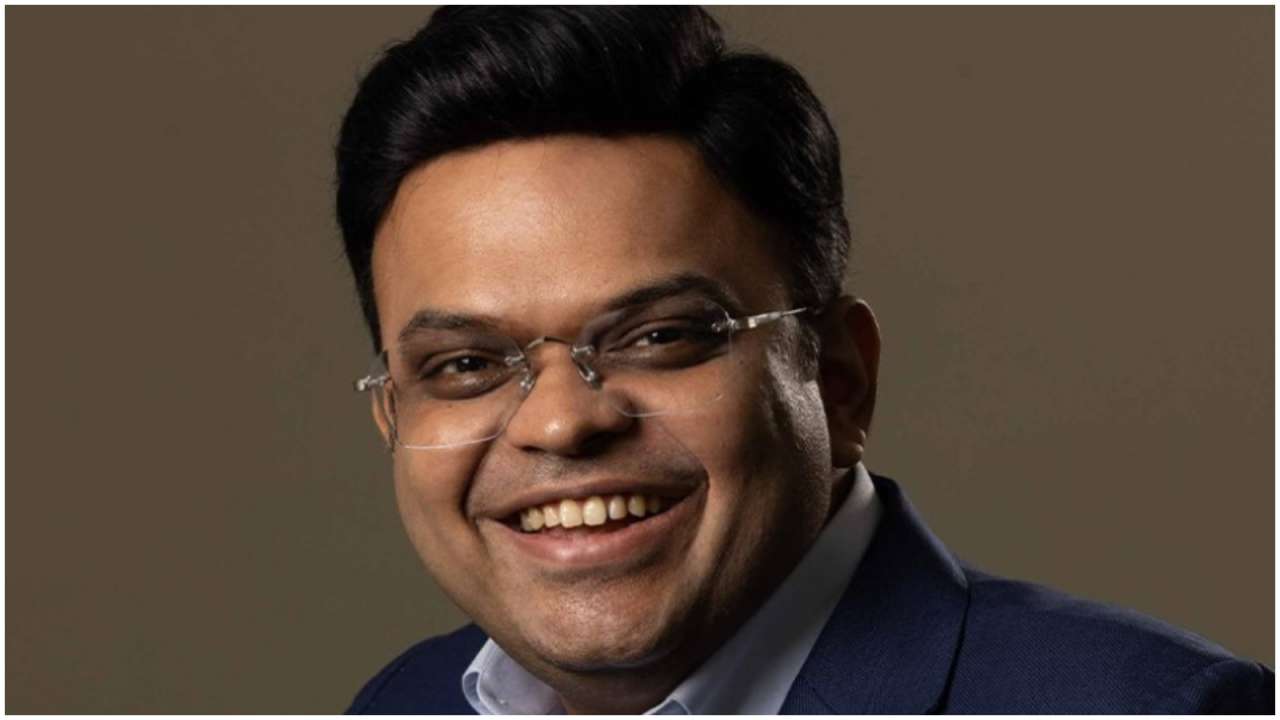
The formal announcement of Jay Shah’s unopposed reappointment as ICC Chairman for the term 2024-2026 emerged from the high-stakes meetings held in Bali. The absence of any contesting candidate speaks volumes about the widespread satisfaction and strategic alignment among the member boards regarding his stewardship. This unanimous decision provides a strong mandate, reflecting the board directors’ collective belief in Shah’s vision and capacity to guide cricket through its contemporary challenges and opportunities.
His initial election in November 2022 saw him take over from Greg Barclay, marking the beginning of a transformative period for the ICC. The second term builds upon this foundation, allowing for sustained focus on long-term objectives rather than a disruptive change in leadership. This stability is particularly vital as cricket stands on the precipice of significant growth, fueled by new markets, digital advancements, and a renewed Olympic presence. The Board’s proposal for his continuation and the subsequent unopposed election highlight a unified front within the ICC, prioritizing stability and a clear strategic direction for the sport’s future.
Chronology: A Trajectory of Influence and Innovation
Jay Shah’s journey to his second term as ICC Chairman is deeply intertwined with a distinguished administrative career, primarily shaped by his impactful tenure within Indian cricket.
The Path to a Second Term: From Proposal to Unanimous Affirmation
The reappointment process unfolded with a proposal put forth by the ICC board directors during the Bali meetings. This proposal, indicative of pre-meeting consensus, faced no opposition, paving the way for a swift and decisive confirmation. Unlike many high-profile leadership roles in international sports federations, where contests can be protracted and divisive, Shah’s unopposed return signifies a rare and powerful endorsement from the global cricketing fraternity. This streamlined process underscores a broad agreement that his leadership is essential for maintaining momentum and executing the ICC’s strategic roadmap effectively. The formal announcement cemented his role for another two years, extending his influence over the sport until late 2026.

A Look Back at His First Term (2022-2024): Foundations of Growth
Jay Shah’s inaugural term as ICC Chairman, following his election in November 2022, was characterized by several pivotal initiatives and significant achievements that have reshaped the landscape of international cricket.
One of the most notable accomplishments during his first tenure was the successful lobbying for cricket’s inclusion in the Los Angeles 2028 Olympic Games. This monumental achievement, confirming cricket’s return to the Olympics after more than a century, is expected to unlock unprecedented avenues for funding, global exposure, and development, particularly in non-traditional cricketing nations. The decision to include the T20 format for the Olympics also reflects a forward-thinking approach to attract a younger, broader audience.

Furthermore, Shah’s term saw significant reforms in the ICC’s financial distribution model. While often a subject of intense debate, the revised model, which notably increased India’s share of ICC revenues, was implemented with the stated aim of reflecting the sport’s commercial realities and India’s immense contribution to global cricket’s economic health. This move, while controversial for some, was seen by its proponents as essential for strengthening the financial backbone of the game, allowing for greater investment across member nations.
Under his leadership, there was also a concerted push for the expansion of ICC global events, including the men’s and women’s T20 World Cups and the 50-over World Cup, aiming to provide more opportunities for associate nations and broaden the sport’s competitive base. The growth of women’s cricket also received increased attention, with enhanced investment in competitions and pathways to foster its development worldwide. His tenure also saw efforts to leverage digital platforms for fan engagement and explore new commercial partnerships, laying the groundwork for a more robust and interconnected global cricketing ecosystem.

Prior to his ICC role, Jay Shah served as the Honorary Secretary of the Board of Control for Cricket in India (BCCI), a position he continues to hold. His extensive experience within the world’s richest and most influential cricket board provided him with invaluable insights into the sport’s commercial, administrative, and developmental complexities, skills that have proven instrumental in his ICC chairmanship.
Supporting Data and Context: The Pillars of Global Cricket
Jay Shah’s reappointment occurs at a time when cricket is undergoing a profound transformation, driven by evolving fan demographics, technological advancements, and the burgeoning commercial appeal of franchise leagues.

The Mandate: Unopposed Reappointment and its Significance
The fact that Jay Shah’s reappointment was unopposed is a powerful indicator of several underlying dynamics within the ICC. Firstly, it signals a strong sense of unity and satisfaction among the member boards with his performance and strategic direction over the past two years. In a diverse global body like the ICC, achieving such consensus is rare and speaks to effective diplomacy and leadership. Secondly, it suggests a perceived lack of viable alternative candidates who could command similar support across all factions. This absence of opposition often indicates that Shah has successfully navigated the complex political landscape of international cricket, building bridges and ensuring key stakeholders feel represented and heard. Finally, it implies a strategic alignment between the ICC’s executive leadership and its broader membership, fostering an environment of stability that is crucial for executing ambitious long-term projects like the Olympic inclusion and global expansion.
Cricket’s Global Landscape and Financial Dynamics
The global cricket landscape is increasingly defined by its financial architecture, where broadcast rights, sponsorship deals, and tournament revenues play a critical role. The ICC’s financial model, significantly influenced by the massive revenues generated from Indian cricket, is a cornerstone of its operations. India, as the sport’s largest market, contributes an overwhelming share of the global audience and commercial revenue, thereby exerting considerable influence on policy and decision-making within the ICC. Shah’s deep understanding of this dynamic, stemming from his role as BCCI Secretary, has been crucial in negotiating and implementing financial models that aim to benefit all member nations while acknowledging commercial realities. The distribution model, which ensures funds are channeled towards the development of cricket in both established and emerging markets, remains a critical aspect of the ICC Chair’s responsibilities, balancing equity with performance. The growing value of broadcast rights for ICC events, fueled by increasing viewership in key markets, further underscores the importance of astute commercial leadership in maximizing revenue for the sport’s collective good.

The Olympic Dream: LA28 and Beyond
The inclusion of cricket in the Los Angeles 2028 Olympic Games stands as one of the most significant developments in the sport’s recent history. This achievement, largely solidified during Shah’s first term, represents an extraordinary opportunity for cricket to break new ground. Olympic inclusion promises to:
- Unlock New Funding: Eligibility for Olympic grants and governmental support in various countries can significantly boost cricket development in non-traditional regions.
- Increase Global Visibility: Exposure on the world’s largest sporting stage will introduce cricket to billions of new viewers, potentially sparking interest and participation in countries where the sport is currently niche or non-existent.
- Inspire a New Generation: The allure of Olympic glory can inspire young athletes globally to take up cricket, fostering grassroots development and expanding the talent pool.
- Enhance Sport’s Profile: Being part of the Olympic movement elevates cricket’s status on the international sporting stage, potentially leading to greater recognition and investment from global brands.
The T20 format, chosen for its fast-paced nature and broader appeal, is perfectly suited to capitalize on the Olympic platform, offering a dynamic spectacle that can capture the attention of a diverse global audience. This strategic move is poised to redefine cricket’s trajectory for decades to come.

Official Responses and Stakeholder Views: A United Front
The reappointment has been met with universal acclaim from within the ICC and positive anticipation from stakeholders across the cricketing world.
ICC Board’s Unwavering Confidence
In an official statement released following the Bali meetings, the International Cricket Council articulated its unequivocal support for Jay Shah’s continued leadership. "The International Cricket Council (ICC) Board is delighted to announce the unopposed reappointment of Mr Jay Shah for a second term as ICC Chair, following a proposal by the ICC Directors at the Board and Committee meetings in Bali," the statement read. "This decision reflects the Board’s confidence in Shah’s leadership and provides continuity at a defining moment for the sport, with global expansion, growth in fandom and commercial development on the strategic roadmap for its future."

This declaration is more than a mere formality; it underscores the Board’s conviction that Shah’s vision aligns perfectly with the ICC’s strategic objectives. The emphasis on "continuity at a defining moment" highlights the critical juncture at which cricket finds itself, with ambitious plans for global expansion and commercial growth. The Board’s acknowledgment of Shah’s role in driving "global expansion, growth in fandom and commercial development" reinforces the perception of him as a key architect of the sport’s future prosperity.
Jay Shah’s Vision for the Future
Responding to his reappointment, Jay Shah expressed profound gratitude and outlined his ambitious agenda for his upcoming term. "I am deeply honoured by the confidence the ICC Board has placed in me and sincerely grateful to every Director for their continued trust and support. Serving as Chair of the ICC is both a privilege and a responsibility, and I remain committed to working with our Members to advance the interests of cricket across the world," he stated.

Shah further articulated the magnitude of the period ahead: "We are entering one of the most important and exciting periods in our sport’s history. Cricket’s return to the Olympic Games at LA28 presents an extraordinary opportunity to introduce our game to new audiences and inspire a new generation of players and fans." This statement underscores his strategic focus on the Olympics as a game-changer for cricket, emphasizing its potential for unprecedented outreach and inspiration.
Beyond the Olympic dream, Shah’s vision extends to holistic development. "Our responsibility extends well beyond delivering successful events. We must build a stronger and more sustainable future for the sport with a focus on fans, athletes, commercial partners and other key stakeholders. I have always believed that cricket’s greatest strength lies in its ability to bring people together. With the support of the Board and our Members, our focus will be on turning ambition into action and ensuring that the progress we make leaves a lasting legacy for generations to come," he added. This reflects a comprehensive approach, prioritizing sustainability, stakeholder engagement, and the unifying power of cricket. His commitment to "turning ambition into action" signifies a proactive and results-oriented leadership style, aiming to translate strategic plans into tangible benefits for the entire cricketing ecosystem.

Reactions from Member Boards and Analysts
While no immediate public statements from individual member boards were released, the unopposed nature of Shah’s reappointment inherently implies widespread approval. Smaller cricketing nations are likely to view his continuity as beneficial, hoping for sustained development funds and opportunities for their players on the global stage, especially with the expansion of ICC events. Cricket analysts generally acknowledge Shah’s strong administrative capabilities and his ability to navigate complex political and commercial landscapes. Many point to his role in securing Olympic inclusion and his efforts to streamline financial models as key successes. Expectations for his second term will revolve around how he addresses calendar congestion, player welfare, and further democratizes cricket’s growth beyond its traditional powerhouses.
Implications and Future Outlook: Charting Cricket’s Course
Jay Shah’s second term as ICC Chairman heralds a period of anticipated stability, strategic continuity, and intensified efforts towards global expansion and commercialization.

Stability and Continuity in Global Cricket Governance
The unwavering mandate given to Jay Shah ensures much-needed stability in global cricket governance. In an era marked by rapid changes in sporting landscapes, having a consistent leadership at the ICC allows for the effective implementation of long-term strategies without interruption. This continuity is particularly beneficial for ongoing projects such as the development of new ICC events, the refinement of financial models, and, crucially, capitalizing on the momentum generated by cricket’s inclusion in the LA28 Olympics. A stable leadership fosters trust among member nations, commercial partners, and broadcasters, facilitating smoother operations and more ambitious undertakings. It allows for sustained focus on strategic priorities, ensuring that the progress initiated in his first term can be consolidated and expanded upon.
Key Challenges and Opportunities for the Second Term
Shah’s second term will undoubtedly present a unique blend of challenges and opportunities.

Challenges:
- Calendar Congestion: Balancing the demands of an ever-expanding international calendar with the proliferation of lucrative franchise leagues remains a significant challenge. Ensuring player welfare, preventing burnout, and maintaining the primacy of international cricket will require delicate negotiations and innovative scheduling solutions.
- Financial Disparities: While efforts have been made to revise financial models, significant disparities still exist among member boards. Addressing these gaps and ensuring equitable distribution of resources to foster growth in developing cricket nations will be an ongoing task.
- Integrity Issues: Maintaining the integrity of the sport against threats of corruption, match-fixing, and doping remains a constant battle, requiring robust anti-corruption units and proactive measures.
- Geopolitical Tensions: Geopolitical factors continue to impact bilateral tours and multi-nation tournaments, necessitating diplomatic solutions to ensure the smooth functioning of international cricket.
- Adapting to New Formats/Technologies: The sport must continually adapt to evolving fan preferences, embracing new formats, technological advancements in broadcasting, and digital engagement strategies to remain relevant and attractive.
Opportunities:

- Capitalizing on Olympic Inclusion: The most significant opportunity lies in fully leveraging cricket’s return to the Olympics. This involves strategic planning for the LA28 event, developing pathways for new nations to participate, and using the Olympic platform to attract new investment and fan bases.
- Expanding into New Markets: Targeting regions like the USA, Canada, and parts of Europe, where cricket has a growing diaspora and nascent interest, offers substantial growth potential. Developing grassroots programs and facilitating competitive opportunities in these areas will be crucial.
- Growing Women’s Cricket: Continued investment in women’s cricket, from grassroots to elite levels, presents a vast untapped market and a pathway to increasing overall participation and viewership.
- Leveraging Digital Platforms: Utilizing digital media, social networks, and streaming services to reach a global audience and enhance fan engagement offers immense scope for innovation.
- Developing Sustainable Financial Models: Creating robust and sustainable financial models that benefit all member nations, ensuring long-term health and growth across the entire cricketing ecosystem.
The Road Ahead: Strategic Priorities
Under Jay Shah’s continued leadership, the ICC’s strategic priorities will likely revolve around a few core pillars: global growth, commercial optimization, and inclusivity. The balance between upholding cricket’s rich traditions and embracing necessary innovations will be critical. His tenure will be instrumental in shaping the next decade of cricket, determining how successfully the sport expands its footprint, attracts new audiences, and solidifies its position as a truly global game. With a clear vision and the unanimous backing of the member boards, Jay Shah is poised to lead cricket into an exciting, transformative era, leaving a lasting legacy for generations to come.