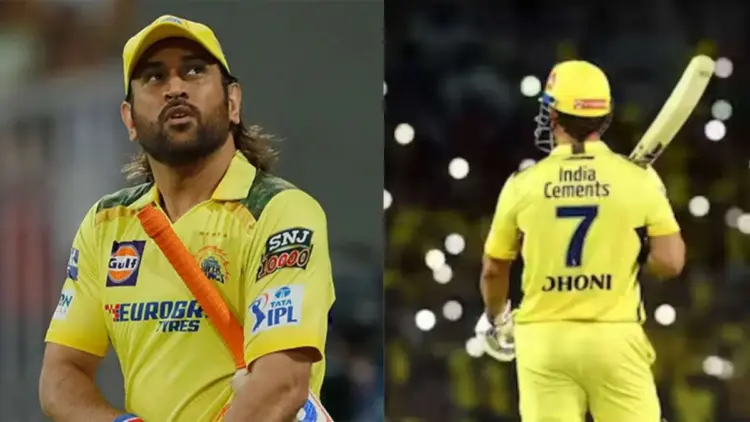
CHENNAI, [Date of Publication, e.g., November 17, 2026] – Mahendra Singh Dhoni, affectionately known as ‘Thala’ by millions, has officially announced his retirement from the Indian Premier League (IPL) at the age of 45, drawing the curtain on an illustrious career that spanned nearly two decades and redefined T20 cricket. The news, while anticipated by many, sends a wave of emotion across the global cricket fraternity, marking the definitive end of an era that began with the league’s inception in 2008.
Dhoni, a name synonymous with leadership, calmness under pressure, and unparalleled finishing prowess, played his final competitive match for the Chennai Super Kings (CSK) on May 20, 2025, at 43 years and 317 days old. His formal retirement announcement at 45, however, solidifies his place not just as a legendary captain and player, but also as one of the oldest and most enduring athletes to grace the world’s premier T20 league. While his final on-field appearance was over a year ago, the official declaration at this juncture allows for a comprehensive reflection on a career that transcended mere statistics, embodying the spirit of the game itself.
Intriguingly, Dhoni’s remarkable longevity places him amongst a select group of veteran cricketers who defied age in the high-octane IPL. Yet, the record for the oldest player in IPL history belongs to former Australian spinner Brad Hogg, who retired at 45 years and 92 days in 2016. Among Indian players, leg-spinner Pravin Tambe holds the distinction of playing even longer than Dhoni, bowing out at 44 years and 219 days. Dhoni’s continued presence well into his 40s speaks volumes about his unwavering fitness, strategic acumen, and the sheer force of his personality.
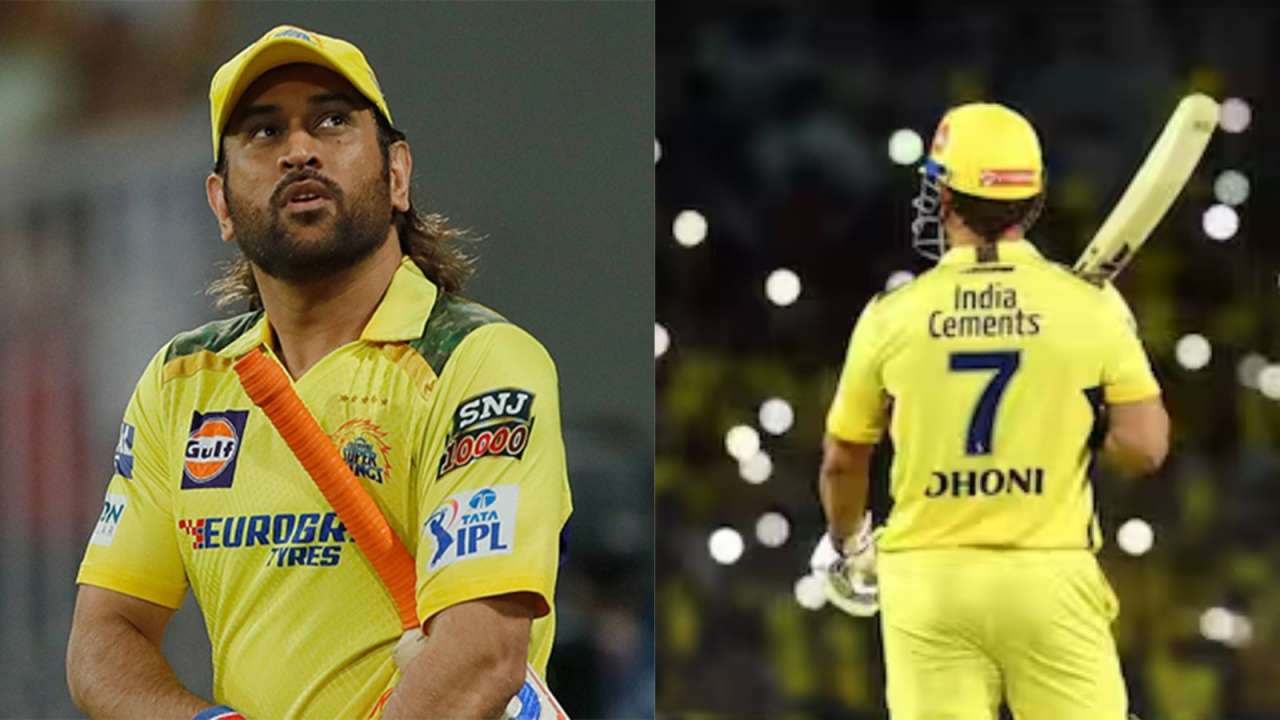
An Era Concludes: Dhoni Bids Farewell to the IPL at 45
The announcement of MS Dhoni’s retirement from the Indian Premier League at 45 years old resonates far beyond the boundaries of Chennai. It marks the conclusion of a chapter that has been central to the IPL narrative since its inaugural season in 2008. For millions of fans, particularly those clad in yellow, Dhoni has been more than just a captain; he has been the heartbeat of the Chennai Super Kings, a symbol of resilience, and an architect of unparalleled success.
His journey began as a marquee player for the CSK franchise, a pivotal signing that immediately signaled the team’s ambition. From the outset, Dhoni brought a unique blend of aggressive batting, astute wicketkeeping, and an almost clairvoyant understanding of the game. His ‘captain cool’ persona, which became legendary, allowed him to navigate the intense pressures of T20 cricket with remarkable composure, often turning seemingly impossible situations into famous victories.
Dhoni’s impact on the IPL is multifaceted. He led CSK to multiple IPL titles, establishing them as one of the most dominant and consistent teams in the league’s history. His leadership style, characterized by backing his players, strategic field placements, and unconventional yet effective decisions, became a blueprint for success. Beyond the trophies, he cultivated a unique bond with the CSK faithful, transforming the franchise into a formidable force both on and off the field. The unwavering loyalty he commanded from his teammates and the adoration he received from fans cemented his status as an icon, transcending regional loyalties that often define Indian cricket.
While his international retirement came in 2019, Dhoni’s commitment to the IPL remained steadfast. He continued to don the yellow jersey, defying critics and physical limitations with each passing season. His final competitive appearance in May 2025, where he was 43 years and 317 days old, showcased glimpses of his enduring brilliance, reminding everyone of the sheer determination that fueled his prolonged career. The formal announcement now, at 45, allows for a definitive recognition of his extraordinary longevity and the profound void his departure will create.
The Unparalleled Journey: A Chronology of Thala’s IPL Legacy
MS Dhoni’s journey in the IPL is a saga of leadership, unwavering dedication, and an uncanny ability to turn fortunes. Tracing his steps through the league’s history reveals not just the evolution of a player, but the very shaping of a franchise and a global sporting phenomenon.
2008: The Genesis of a Legend
The inaugural IPL auction saw Chennai Super Kings make a then-record bid for MS Dhoni, fresh off leading India to the T20 World Cup title in 2007. It was a partnership destined for greatness. From the very first season, Dhoni instilled a winning culture, guiding CSK to the final where they narrowly lost to Rajasthan Royals. His aggressive batting, sharp wicketkeeping, and astute captaincy immediately set the tone for what would become one of the most successful franchises in T20 history.

2010 & 2011: The Zenith of Dominance
Under Dhoni’s inspired leadership, CSK clinched their maiden IPL title in 2010, defeating Mumbai Indians in a thrilling final. This triumph was followed by another historic win in 2011, making CSK the first team to successfully defend their IPL crown. These back-to-back victories cemented Dhoni’s reputation as a tactical genius and a master motivator, capable of extracting the best from his diverse squad. His calm demeanor, even in the most high-pressure situations, became his signature, earning him the moniker ‘Captain Cool’.
The Mid-Years: Consistency and Challenges
Throughout the next few years, CSK remained a perennial contender, reaching multiple finals and semi-finals. Dhoni’s leadership was a constant, ensuring the team’s stability and competitive edge. He continued to evolve his game, adapting to changing T20 dynamics while maintaining his unparalleled ability to finish games with audacious power-hitting. However, the period also presented challenges, most notably the two-year suspension of CSK in 2016 and 2017. During this time, Dhoni led Rising Pune Supergiant, showcasing his adaptability and continued influence even outside his familiar yellow fortress.
2018: The Triumphant Return
The return of Chennai Super Kings in 2018 was met with unprecedented fanfare, and at its helm was the indispensable MS Dhoni. Against all odds, with an ‘aging’ squad dubbed ‘Dad’s Army’, Dhoni led CSK to a fairytale comeback, clinching their third IPL title. This victory was perhaps the most emotionally charged, symbolizing resilience and the unbreakable bond between the team, its captain, and its loyal fanbase. Dhoni’s strategic brilliance and his ability to inspire a group of veterans to perform at their peak were never more evident.

2019: International Farewell and IPL Continuation
While 2019 saw Dhoni play his last international match, bringing an end to a glorious global career, his commitment to the IPL remained unwavering. He continued to lead CSK, demonstrating that his passion for the league and the franchise was as strong as ever. This transition period highlighted his dedication to the domestic league, choosing to prolong his T20 career for the team he had nurtured for over a decade.
The Final Chapter: 2020-2025
The latter years of Dhoni’s IPL career saw him gracefully manage his role, often batting lower down the order but still delivering crucial cameos and, most importantly, orchestrating victories with his strategic prowess. Despite the physical demands of playing into his early 40s, Dhoni maintained a high level of fitness and continued to don the wicketkeeping gloves, a testament to his professionalism. His final competitive appearance for CSK on May 20, 2025, at 43 years and 317 days, was a poignant moment, signifying the last time fans would see him in action on the field. The official announcement of his retirement at 45 now serves as a formal demarcation, closing a chapter that has profoundly shaped the IPL’s history.
Longevity Legends: Dhoni Among IPL’s Enduring Stars
MS Dhoni’s decision to retire at 45 solidifies his position among the IPL’s most enduring figures, a testament to his incredible fitness, mental fortitude, and evolving skill set. While the T20 format is often perceived as a young man’s game, a select group of cricketers has defied age, proving that experience and strategic intelligence can trump youthful exuberance.

The undisputed record for the oldest player to feature in the IPL belongs to former Australian left-arm wrist-spinner Brad Hogg. Known for his deceptive googlies and infectious enthusiasm, Hogg played his final IPL match at the remarkable age of 45 years and 92 days in 2016 for the Kolkata Knight Riders. His ability to perform effectively at such an advanced age, particularly as a spinner, highlighted his exceptional fitness and adaptability. Hogg’s journey serves as a beacon for aspiring veterans, demonstrating that passion and skill can keep one competitive for an extended period.
Following Hogg, the distinction for the oldest Indian player to participate in the IPL goes to leg-spinner Pravin Tambe. Tambe’s story is particularly inspiring, as he made his IPL debut relatively late in his career, at 41, and continued to mesmerize with his variations until he was 44 years and 219 days old. His final appearance in the league underscored a remarkable late bloom, proving that talent knows no age barrier. Tambe’s dedication and success provided a counter-narrative to the league’s focus on young talent, showcasing the value of seasoned campaigners.
Dhoni, with his formal retirement at 45 (having played his last match at 43 years and 317 days), now stands shoulder-to-shoulder with these legends of longevity. His prolonged career surpasses that of other notable spinners who also played well into their 40s. Sri Lankan maestro Muttiah Muralitharan, one of the greatest bowlers of all time, played his last IPL match at 42 years and 35 days. Similarly, South African leg-spinner Imran Tahir, whose energetic celebrations were as iconic as his wicket-taking abilities, retired from the IPL at 42 years and 29 days. These names highlight a trend where spinners, relying more on guile and experience than raw pace, have often found extended careers in the league.

Factors Contributing to Longevity:
- Exceptional Fitness Regimen: For players like Dhoni, maintaining peak physical condition well into their 40s is non-negotiable. This involves rigorous training, strict dietary control, and meticulous injury management. Dhoni’s commitment to fitness allowed him to continue performing demanding roles as a wicketkeeper and a powerful finisher.
- Mental Fortitude and Experience: The mental aspect of playing at an advanced age is crucial. Veterans often possess an unparalleled understanding of the game, situational awareness, and the ability to handle pressure, which can compensate for any slight dip in physical prowess. Dhoni’s ‘captain cool’ persona is a prime example of mental strength translating into on-field success.
- Skill Adaptation and Evolution: The game of T20 cricket is constantly evolving. Players who achieve longevity are often those who can adapt their skills, develop new variations, or refine their existing strengths to remain effective against younger, more aggressive opponents. For Dhoni, this meant strategically managing his batting roles and relying more on his tactical genius.
- Role Specialization: Sometimes, older players can prolong their careers by specializing in a particular role that is less physically demanding or where experience is paramount. While Dhoni continued as a wicketkeeper, his batting role sometimes became more about strategic cameos than long innings, conserving energy.
- Leadership and Mentorship Value: Beyond their individual performances, veterans like Dhoni bring immense value as leaders and mentors. Their presence in the dressing room can be invaluable for guiding younger players, fostering team spirit, and providing tactical insights. This intangible value often makes franchises keen to retain them.
Challenges of Aging in T20 Cricket:
Playing into one’s 40s in the fast-paced world of T20 cricket comes with its unique set of challenges. Increased susceptibility to injuries, the sheer physical toll of frequent matches, and the constant pressure to compete with younger, faster, and stronger athletes are significant hurdles. Maintaining reflexes for wicketkeeping or fielding, generating power for boundary-hitting, and enduring the grind of a long tournament demand exceptional dedication. Dhoni’s ability to navigate these challenges for so long truly underscores his extraordinary athletic and mental resilience.

Echoes of Admiration: Reactions from the Cricket Fraternity
The news of MS Dhoni’s retirement has triggered an outpouring of reactions from across the cricket fraternity, painting a vivid picture of the immense respect and admiration he commands. From franchise owners to former teammates, rival captains, and ardent fans, the sentiment is overwhelmingly one of gratitude for an era-defining career.
N. Srinivasan, Owner of Chennai Super Kings, perhaps articulated the deepest emotional connection. Reacting to Dhoni’s retirement, he stated with profound sentiment, "There is no CSK without MS Dhoni. For nearly two decades, we have walked and grown alongside each other, through triumphs, setbacks, and everything in between. Bringing Dhoni to CSK in 2008 was the best choice I had ever made. He will always be a part of CSK’s identity, and this team will always be his home." Srinivasan’s words underscore the symbiotic relationship between Dhoni and the franchise, highlighting how inseparable his legacy is from that of the Super Kings. His statement reflects not just a professional partnership but a deep personal bond that has shaped the very fabric of the team.
Kasi Viswanathan, CSK CEO, echoed Srinivasan’s sentiments, emphasizing Dhoni’s irreplaceable value. "We knew this day would come, but it doesn’t make it any easier. Mahi has not just been our captain; he’s been our guiding light, our strategist, our Thala. His contribution extends beyond the field – he built a culture, a family. While we will miss his presence on the field, we are optimistic about his continued association with the CSK family in a different capacity."

Former teammates, many of whom flourished under Dhoni’s captaincy, shared their emotional tributes. Suresh Raina, often referred to as ‘Mr. IPL’ and a long-time confidant of Dhoni, posted on social media, "A legend retires. My brother, my captain, my mentor. Thank you for everything, Mahi Bhai. The game will never be the same without you. Forever #Thala." His message captured the personal bond and professional respect shared by many who played alongside Dhoni.
Ravindra Jadeja, a key all-rounder for CSK and India, reflected on Dhoni’s impact, saying, "Learned so much from him, both on and off the field. He taught us how to believe in ourselves, how to fight till the last ball. A true inspiration. Wishing him the very best for his next innings."
Rival captains and players also joined the chorus of praise. Rohit Sharma, captain of Mumbai Indians and a fierce competitor, tweeted, "Hats off to MS Dhoni on an incredible IPL career. An absolute legend of the game. Always brought his A-game, and made the IPL what it is today. Will miss the CSK vs MI rivalry with him at the helm."

Virat Kohli, a successor to Dhoni’s international captaincy, shared a heartfelt message: "To the man who led with courage, wisdom, and an unparalleled spirit. Your impact on the IPL and Indian cricket is immeasurable. Thank you, MS Dhoni, for the unforgettable memories. A true leader and an absolute legend."
BCCI officials acknowledged Dhoni’s immense contribution to the league’s success. A statement from the Board of Control for Cricket in India read, "The BCCI extends its heartfelt gratitude to MS Dhoni for his phenomenal contribution to the IPL. His leadership, sportsmanship, and unparalleled fan following have been instrumental in elevating the league to its global stature. He retires as one of the true titans of the sport."
Cricket pundits and commentators lauded Dhoni’s unique approach to the game. Harsha Bhogle, renowned commentator, remarked, "We might never see another like him. Dhoni didn’t just play the game; he changed how it was played. His tactical genius, his calm under pressure, his ability to finish games – these are qualities that will be talked about for generations. The IPL will feel different without him."

On social media platforms, the news immediately became the top trending topic globally. Fans expressed a mix of sadness, nostalgia, and immense gratitude. Hashtags like #ThankYouThala, #MSDhoniLegacy, and #EndofanEra dominated discussions, with users sharing their favorite Dhoni moments, iconic quotes, and emotional tributes. Many recounted how Dhoni’s presence alone was enough to draw them to watch CSK matches, regardless of the scoreline. The collective sentiment highlighted the profound emotional connection that fans have with Dhoni, a connection that transcends mere cricketing achievements. The farewell was not just to a player, but to a beloved figure who had become an integral part of their sporting lives.
The Road Ahead: Implications for CSK and Indian Cricket
MS Dhoni’s retirement from the IPL at 45 is more than just a player leaving the game; it is a seismic event that will have profound implications for the Chennai Super Kings, the broader landscape of Indian cricket, and the very identity of the IPL. His departure signals the end of an era defined by his unique leadership, strategic genius, and immense popularity.
A New Dawn for Chennai Super Kings
The most immediate and palpable impact will be felt by the Chennai Super Kings. For nearly two decades, Dhoni has been the undisputed patriarch, the strategic mastermind, and the emotional anchor of the franchise. His absence will necessitate a complete re-evaluation of the team’s dynamics, leadership structure, and on-field approach.

- Succession Planning: The biggest challenge for CSK will be finding a successor capable of filling Dhoni’s colossal shoes. While the team has experimented with other captains in the past, none have matched Dhoni’s Midas touch. The next captain will face immense pressure, not just to win, but to maintain the distinctive ‘CSK spirit’ that Dhoni cultivated. This transition will require careful consideration of both tactical acumen and the ability to command respect within the dressing room and among the passionate fanbase. The franchise will likely look for a player with a calm temperament, strategic insight, and proven leadership skills, perhaps someone who has already been groomed under Dhoni’s watchful eye.
- Team Dynamics and Strategy: Dhoni’s presence allowed CSK to play a certain brand of cricket, often relying on his astute mid-match decisions, tactical changes, and unparalleled finishing abilities. With him gone, the team will need to develop new strategies. The batting order might become more flexible, the bowling combinations might see more experimentation, and the overall approach to chasing or defending totals might shift. The onus will be on the coaching staff and the new captain to forge a fresh identity for the team while retaining its core values of resilience and collective effort.
- Fan Engagement and Brand Value: While CSK boasts a fiercely loyal fanbase, much of this devotion has been inextricably linked to Dhoni. His retirement might lead to a temporary dip in viewership or fan engagement for some, as the primary draw for many was ‘Thala’ himself. The franchise will need to work diligently to highlight new heroes, promote team unity, and emphasize its enduring legacy to maintain its strong brand value. However, the foundational culture built by Dhoni ensures that CSK will remain a formidable and beloved entity.
Dhoni’s Enduring Legacy
Beyond the immediate future of CSK, Dhoni’s retirement leaves an indelible mark on the annals of cricket, particularly in the realm of leadership and player longevity.
- Pioneering Leadership: Dhoni redefined captaincy in T20 cricket. His calm demeanor under pressure, unconventional field settings, and bold decisions (like giving the last over to Joginder Sharma in 2007 or backing specific bowlers in crunch situations) created a template for modern T20 leadership. His legacy will inspire future captains to trust their instincts and maintain composure in high-stakes environments.
- The Ultimate Finisher: For years, Dhoni was synonymous with finishing games, especially chases. His ability to remain calm, calculate permutations, and unleash powerful strokes in the death overs became legendary. This skill set not only won countless matches but also instilled a belief in his teammates that no target was unassailable.
- Wicketkeeping Excellence: Despite his primary role as a captain and batsman, Dhoni’s wicketkeeping remained exemplary throughout his career. His lightning-fast stumpings, agile glovework, and invaluable insights from behind the stumps made him a complete package.
- Brand Icon and Role Model: Dhoni’s journey from a small town to global superstardom, coupled with his humility and grounded nature, made him an aspirational figure for millions. His brand value, built on trust, performance, and integrity, will continue to resonate for years, influencing not just cricketers but aspiring athletes across various sports.
The Future Role of MS Dhoni
It is highly unlikely that MS Dhoni will completely sever ties with the game that has defined his life. Given his deep connection with CSK and his proven strategic mind, a future role within the franchise seems almost inevitable.
- Team Mentor/Director of Cricket: This is perhaps the most natural progression for Dhoni. His vast experience, understanding of player psychology, and tactical acumen would be invaluable in a mentorship or strategic role. He could guide the next generation of players, assist the coaching staff, and contribute to the overall vision of the team from behind the scenes.
- Ambassadorial Role: Dhoni’s immense popularity and brand appeal make him an ideal ambassador for CSK, the IPL, or even Indian cricket globally. He could continue to promote the sport, engage with fans, and inspire future talent in a non-playing capacity.
- Franchise Ownership/Management: While speculative, Dhoni’s deep understanding of the business and sporting aspects of the IPL could eventually lead him to a more direct management or even ownership role within a franchise, perhaps even CSK itself.
A Paradigm Shift for the IPL
The IPL, which began with Dhoni as one of its foundational pillars, will now embark on a new chapter without one of its original and most iconic figures.

- Transition to New Icons: While Dhoni’s void is immense, the IPL has always been a platform for new stars to emerge. His retirement will accelerate the transition, pushing younger talents into the spotlight and creating opportunities for a new generation of leaders and match-winners to define the league’s next era.
- Evolution of Fan Loyalty: While the ‘Thala’ factor will be missed, the IPL’s robust structure and the emergence of other compelling teams and rivalries will ensure its continued growth. Fan loyalty might shift from individual players to franchises, or new charismatic players will capture the imagination of the masses.
- Focus on Sustained Excellence: Dhoni’s longevity has set a high bar. His retirement will serve as a reminder of the dedication and professionalism required to sustain a career in the high-pressure T20 environment, inspiring other players to emulate his commitment to fitness and skill development.
In essence, MS Dhoni’s retirement is a poignant moment, closing a remarkable chapter in cricket history. While the game bids farewell to an unparalleled on-field presence, his legacy of leadership, resilience, and quiet determination will continue to echo through the stadiums and inspire generations to come. The IPL, and indeed Indian cricket, will forever be indebted to ‘Thala’ for his extraordinary contributions, as it now looks to a future shaped by the foundations he so meticulously laid.
Find your daily dose of All Latest News including Sports News, Entertainment News, Lifestyle News, explainers & more. Stay updated, Stay informed – Follow DNA on WhatsApp.