Main Facts: Anticipating Apple’s 2027 Vision
In the ever-accelerating world of consumer electronics, where innovation is paramount and secrecy is a highly guarded commodity, early leaks often provide the first tantalizing glimpses into the future. For Apple enthusiasts and industry observers alike, the latest revelations surrounding the purported iPhone 18e, slated for a 2027 launch, paint a compelling picture of the company’s evolving strategy for its mid-range offerings. Emerging details suggest a significant overhaul for this "e" model, positioning it as a powerful contender in its segment, boasting a larger display, a substantially upgraded battery, and a cutting-edge processor.
The core of these leaks, reportedly originating from a diagram shared on the Chinese social media platform Weibo, indicates that the iPhone 18e, codenamed "Nevara," is set to feature a 6.3-inch display. This represents a notable expansion from its presumed predecessor, the iPhone 17e’s 6.1-inch screen, aligning with broader industry trends favoring larger visual real estate. Perhaps even more impactful for daily users is the projected 4,430mAh battery capacity, a considerable increase from the 17e’s 4,005mAh and a surprising 21% larger than the concurrently rumored standard iPhone 18’s 3,671mAh unit.
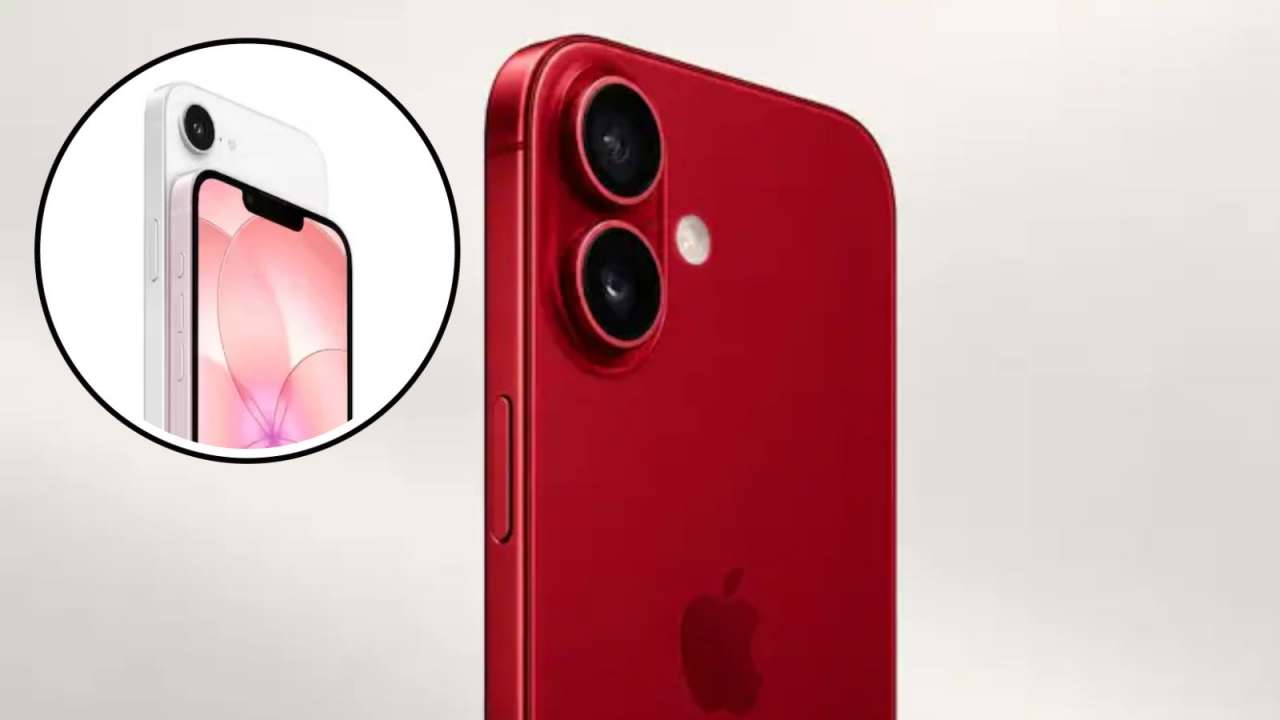
Under the hood, the iPhone 18e is expected to receive Apple’s next-generation 2nm A20 chip, a significant leap from the 3nm A19 chip anticipated in the iPhone 17e. This processing power will reportedly be complemented by 9GB of RAM, an increment from the 8GB in its forebear, alongside Apple’s in-house C2 modem, promising enhanced connectivity and efficiency. While these upgrades signify a strong commitment to performance, Apple appears to be maintaining a clear differentiation strategy. The 18e is likely to retain a single rear camera, a feature that helps keep its price point competitive – projected to be above USD 599 – and will maintain a 60Hz refresh rate, contrasting with the standard iPhone 18’s anticipated 120Hz ProMotion display. This strategic balance of premium features and calculated concessions underscores Apple’s intent to deliver compelling value without cannibalizing its flagship models. The iPhone 18e is expected to debut alongside the standard iPhone 18 and a second-generation iPhone Air, hinting at a comprehensive refresh of Apple’s smartphone lineup in 2027.
Chronology: The Evolution of Apple’s ‘e’ Series and Leak Trajectory
Apple’s product naming conventions and market segmentation have evolved considerably over the years. From the simplicity of the original iPhone to the introduction of "Pro," "Max," and "Mini" variants, the company has consistently sought to cater to diverse consumer needs and price points. The emergence of the "e" moniker, which is still a relatively new and speculative addition to Apple’s nomenclature strategy, appears to signify an "essential," "efficient," or "economical" model designed to offer core iPhone experiences at a more accessible price point than its flagship counterparts.

While the concept of an iPhone 18e implies a series that would have logically progressed through iPhone 15e, 16e, and 17e models, the specifics of this line are still largely speculative, drawing from ongoing industry whispers and supply chain insights. The current leaks pertaining to the iPhone 18e offer a glimpse two to three years into the future, a timeframe that, while seemingly distant, is quite typical for detailed product planning and component procurement within the tech industry. Major manufacturers like Apple often finalize key specifications for their devices years in advance, allowing for complex supply chain negotiations, manufacturing process optimization, and extensive software integration.
The primary source of these specific details is a leaked diagram reportedly shared on Weibo, a platform frequently used for disseminating early, unofficial information from within the Asian supply chain. Such diagrams, often codenamed for internal development purposes, provide a high level of detail, including battery capacities, display sizes, and sometimes even chip architectures. The codenames "Taycan" for the iPhone 18 and "Nevara" for the iPhone 18e suggest a structured internal development process, where distinct projects are assigned unique identifiers. Historically, leaks originating from these channels, particularly those accompanied by diagrams or schematics, have proven to be remarkably accurate in predicting future Apple products. Their early appearance underscores the challenges Apple faces in maintaining absolute secrecy in a globalized supply chain involving countless partners and suppliers. The timing of such leaks, roughly three years prior to an anticipated launch, suggests that the product’s fundamental architecture and core specifications are likely solidified, even if finer details and design elements may still be subject to refinement.

Supporting Data: A Deep Dive into the Leaked Specifications
The leaked specifications for the iPhone 18e present a compelling case for a device that aims to deliver substantial upgrades within a defined market segment. Each proposed feature, from the display to the internal components, reflects a strategic decision by Apple to enhance user experience while maintaining a clear differentiation from its higher-tier models.
The Evolving Display Landscape: A 6.3-inch Vision
The transition from a 6.1-inch to a 6.3-inch display for the iPhone 18e is a significant development, reflecting several key industry and consumer trends. Larger screens have become the de facto standard for smartphones, driven by increased media consumption, mobile gaming, and productivity tasks. A 6.3-inch display offers a more immersive viewing experience, making content more engaging and text more readable, without necessarily pushing the device into unwieldy "Max" territory. This size increase aligns the 18e more closely with the typical flagship Android devices and positions it as a more attractive option for users upgrading from older, smaller iPhones.

However, the reported maintenance of a 60Hz refresh rate, while the standard iPhone 18 potentially gains a 120Hz ProMotion display, highlights Apple’s deliberate segmentation strategy. ProMotion technology, which allows for dynamic refresh rates up to 120Hz, delivers significantly smoother scrolling, more fluid animations, and a more responsive touch experience. By reserving this premium feature for its higher-end models, Apple ensures a clear upgrade path and justifies the price difference. For the "e" series, optimizing for battery life and cost often means sticking with the more power-efficient and less expensive 60Hz panel, which remains perfectly adequate for the vast majority of daily tasks and applications. The impact on industrial design would likely involve slightly larger overall dimensions to accommodate the screen, though Apple’s continuous efforts in bezel reduction could minimize the physical footprint.
Enduring Power: A Significant Battery Boost
Perhaps one of the most exciting revelations for everyday users is the projected 4,430mAh battery capacity for the iPhone 18e. This represents an approximately 10.6% increase over the iPhone 17e’s speculated 4,005mAh battery. More strikingly, it is about 21% larger than the rumored 3,671mAh battery for the standard iPhone 18. This suggests a strategic prioritization of battery life for the "e" model, potentially recognizing that users opting for this tier may value extended usage over some of the premium features found in the flagships.

The implications of such a substantial battery are profound. Modern smartphones are increasingly power-hungry, driven by 5G connectivity, more complex applications, advanced camera features, and always-on displays. A larger battery directly translates to longer screen-on time, reducing range anxiety and improving the overall user experience, especially for those who are heavy users or frequently away from charging points. When combined with the anticipated efficiency improvements of the new A20 chip and Apple’s renowned software optimization, the iPhone 18e could deliver truly exceptional battery longevity. Challenges associated with larger batteries include increased device weight and thickness, as well as potential impacts on charging speeds, though Apple typically balances these factors meticulously in its designs.
Next-Gen Performance with the A20 Chip and Enhanced RAM
At the heart of the iPhone 18e’s projected performance lies the new 2nm A20 chip. This represents a generational leap in semiconductor technology. Nanometer (nm) refers to the size of the transistors on the chip; smaller numbers generally mean more transistors can be packed into the same area, leading to greater processing power, improved energy efficiency, and reduced heat generation. Moving from a 3nm A19 chip to a 2nm A20 chip signifies a substantial advancement, enabling the device to handle more demanding tasks, from sophisticated AI computations and machine learning algorithms to high-fidelity mobile gaming and augmented reality applications.

This upgrade will empower the iPhone 18e to remain highly competitive in 2027 and beyond, ensuring smooth multitasking, rapid app launches, and seamless execution of future software updates. Complementing this powerful processor is the speculated increase to 9GB of RAM, up from 8GB. While an unusual increment (RAM typically scales in powers of two), it’s not unprecedented for Apple, which has occasionally used non-standard RAM configurations in its M-series chips. More RAM directly benefits multitasking capabilities, allowing more applications to remain active in the background without needing to reload, thereby enhancing overall system fluidity and responsiveness.
Furthermore, the inclusion of Apple’s in-house C2 modem signifies the company’s continued push towards greater vertical integration. By developing its own modems, Apple gains greater control over the entire hardware-software stack, potentially leading to better optimization for battery life, improved signal reception, and enhanced security. This move also reduces Apple’s reliance on external suppliers like Qualcomm, a long-term strategic goal for the company. The C2 modem is expected to support future connectivity standards, potentially laying the groundwork for 5G Advanced or even early 6G capabilities.

Cameras Stay Simple: A Strategic Compromise
In a world where many smartphones are boasting three, four, or even five rear camera lenses, the iPhone 18e’s anticipated single rear camera might seem like a step backward. However, this decision is a clear strategic choice by Apple to "keep the pricing under control," as the leak suggests. The standard iPhone 18 is expected to feature a dual-camera setup, likely including an ultra-wide lens, further differentiating the two models.
For the "e" series, Apple’s approach would likely focus on optimizing the single lens through advanced computational photography. This involves leveraging the powerful A20 chip to process image data extensively, using algorithms for features like Portrait Mode (with background blur), improved low-light performance, and Smart HDR, mimicking some capabilities of multi-lens systems through software. The target audience for the 18e likely prioritizes a reliable, high-quality main camera for everyday photos and videos, rather than specialized lenses for ultra-wide or telephoto shots. This focus allows Apple to invest its resources into making that single camera exceptionally good, rather than adding multiple mediocre lenses.

Pricing and Market Positioning: Above USD 599
The projected price point "above USD 599" positions the iPhone 18e firmly in the upper-mid-range or entry-premium segment. This is a crucial battleground in the global smartphone market, where competition from Android manufacturers like Samsung, Google, and Xiaomi is fierce. Apple’s strategy with the "e" series appears to be about offering a premium experience – powered by its ecosystem, software, and highly optimized hardware – at a price that is more accessible than its flagship Pro models.
The combination of a larger, high-quality display, an exceptional battery, and a cutting-edge processor justifies this price point, offering compelling value for money. By carefully selecting which features to include (e.g., A20 chip, large battery) and which to omit (e.g., ProMotion display, dual cameras), Apple creates a distinct value proposition. This approach allows Apple to capture a broader market segment, including users who may find the flagship iPhones too expensive but still desire the Apple ecosystem and a powerful, reliable device. It also serves as an excellent upgrade path for existing iPhone SE users or those on older standard models looking for a significant upgrade without breaking the bank.

Official Responses: The Silence of the Apple
As is customary with Apple, there has been no official comment or acknowledgement regarding these leaks. The company is renowned for its impenetrable veil of secrecy surrounding future products, often going to extreme lengths to prevent information from escaping its tightly controlled development process. This steadfast silence is a cornerstone of Apple’s marketing strategy, building anticipation and ensuring that official announcements generate maximum impact.
The absence of an official response does not, however, diminish the credibility of such detailed leaks, especially when they originate from reliable supply chain sources and include specific technical data like codenames, battery capacities, and chip architectures. Industry analysts and tech journalists often rely on these unofficial disclosures to piece together a preliminary understanding of Apple’s future roadmap. While the company itself remains tight-lipped, these leaks serve to fill the information vacuum, fueling public discussion and shaping consumer expectations years ahead of a product’s eventual launch. Any deviation from these leaked specifications would likely be a result of Apple’s internal design iterations and strategic adjustments, rather than a refutation of the core information’s veracity.

Implications: Shaping the Future of the Smartphone Market
The leaked details of the iPhone 18e, while still speculative, carry significant implications for Apple, its competitors, and the broader smartphone market.
For Apple: Strengthening the Ecosystem’s Reach
The iPhone 18e, with its compelling upgrades, signifies Apple’s continued commitment to expanding its market share beyond the premium flagship segment. By offering a highly capable device at a more accessible price point, Apple can attract new users to its ecosystem, particularly in emerging markets where budget constraints are more prevalent. This strategy helps to solidify the company’s long-term revenue streams from services, which thrive on a larger installed base of active users. The careful balance between innovation and cost-saving measures in the "e" model demonstrates Apple’s sophisticated approach to product tiering, ensuring that each device serves a specific market need without cannibalizing sales of its higher-priced siblings. It also reflects an understanding that core user demands, such as display size and battery life, are universally valued, even in a mid-range offering.

For Consumers: More Choice, Enhanced Value
For consumers, the iPhone 18e promises an exciting future. It suggests that users will have more compelling choices within the Apple lineup, potentially offering flagship-level performance and battery life at a more attainable price point. The significant boost in battery capacity addresses one of the most common pain points for smartphone users, while the larger display and faster chip promise a more enjoyable and efficient daily experience. This product positioning could make the Apple ecosystem more appealing to a wider demographic, offering a strong alternative to premium Android devices that occupy a similar price bracket. However, the deliberate feature segmentation (e.g., 60Hz display, single camera) means consumers will still need to carefully consider their priorities when choosing between the "e" model and the standard or Pro versions.
For the Industry: Competitive Pressure and Innovation Drivers
The anticipated specifications of the iPhone 18e will undoubtedly send ripples through the competitive landscape. Android manufacturers, who dominate the mid-range segment, will face renewed pressure to innovate and differentiate their offerings. Apple’s move towards larger batteries and cutting-edge 2nm chips in a non-flagship model sets a new benchmark for what consumers can expect at this price point. This could accelerate the adoption of advanced chip technologies and larger battery capacities across the industry. The continued push for in-house modems by Apple also signals a broader trend towards vertical integration, potentially impacting the business models of component suppliers like Qualcomm. Furthermore, the strategic use of computational photography to enhance a single camera lens will likely encourage other manufacturers to invest further in software-driven image processing, moving beyond the simple addition of more physical lenses.

In conclusion, the leaked details surrounding the iPhone 18e paint a picture of a thoughtfully designed device that aims to deliver significant upgrades where they matter most to a broad segment of consumers. While 2027 is still some years away, these early revelations underscore Apple’s long-term product planning and its determination to maintain a competitive edge across various market tiers. As with all leaks, official confirmation remains pending, but the anticipation and discussion generated by these insights are a testament to Apple’s enduring influence on the technology world. The iPhone 18e, if these predictions hold true, is poised to be a pivotal product in Apple’s future portfolio, offering a powerful blend of innovation and accessibility.