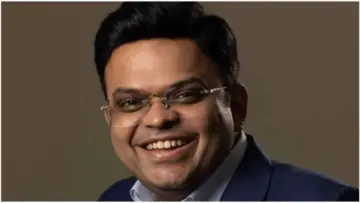
Kolkata Knight Riders (KKR), one of the most iconic and successful franchises in the Indian Premier League (IPL), is on the cusp of a significant ownership restructuring. Co-owner Jay Mehta, husband of Bollywood actress Juhi Chawla, is reportedly set to divest a substantial portion of his stake in the two-time IPL champions. The proposed deal, which would see a US-based investment firm, Ares Management, acquire a 22.5 percent share, values the entire franchise at a staggering $1.78 billion (approximately Rs 16,634 crore). This move underscores the burgeoning global appeal and financial might of the IPL, attracting significant international capital into Indian sports.
The transaction, if finalised, would mark a pivotal moment in KKR’s journey, bringing a globally recognised investment powerhouse into its ownership structure. Currently, Jay Mehta holds a 45 percent stake in the Knight Riders, while Bollywood superstar Shah Rukh Khan, through his company Red Chillies Entertainment, owns the majority 55 percent. The proposed sale of half of Mehta’s current holdings to Ares Management for an estimated $400 million (roughly Rs 3,800 crore) would introduce a third major stakeholder, reshaping the franchise’s corporate landscape. However, the deal remains contingent upon securing formal approval from the Board of Control for Cricket in India (BCCI), the governing body of Indian cricket and the IPL.

This development not only highlights the escalating valuations of IPL franchises but also signals a growing trend of global private equity firms investing in premier sporting assets worldwide. Ares Management, known for its extensive portfolio across various sectors, already boasts investments in several high-profile sports entities, including Premier League club Chelsea FC, NFL franchise Miami Dolphins, and Trent Rockets in The Hundred cricket league. Their potential entry into the IPL through KKR further solidifies the league’s position as a lucrative investment avenue on the international stage.
Main Facts: A Landmark Transaction in Indian Sports
The core of the news revolves around the imminent partial sale of ownership in the Kolkata Knight Riders, a development that carries significant implications for the franchise, the IPL, and the broader Indian sports economy.

The Stakeholder: Jay Mehta, a prominent industrialist and co-owner of KKR since its inception, is reportedly preparing to offload half of his current 45 percent stake in the franchise. Mehta, who shares a long-standing association with Shah Rukh Khan and is married to actress Juhi Chawla, has been an integral part of KKR’s ownership group, contributing to its strategic direction and brand building. His decision to sell a significant portion of his holdings suggests a strategic financial move, possibly aimed at portfolio diversification or capitalising on the soaring valuation of IPL assets.
The Acquirer: The interested party is Ares Management, a formidable US-based global alternative investment manager. With a diverse investment strategy spanning credit, private equity, real estate, and infrastructure, Ares Management has increasingly turned its attention to the sports sector. Their existing investments in renowned global sports franchises – such as a significant stake in Chelsea FC, part-ownership of the Miami Dolphins, and an interest in Trent Rockets – underscore their strategic intent to acquire stakes in established and high-growth sports properties. Their potential entry into the IPL is a testament to the league’s robust economic model and its global appeal.

The Financials: The reported figures involved in this transaction are substantial, reflecting the premium commanded by IPL franchises. Ares Management is said to be acquiring a 22.5 percent stake – precisely half of Jay Mehta’s current share – for $400 million. This specific transaction value, when extrapolated, places the total valuation of the Kolkata Knight Riders franchise at an impressive $1.78 billion. Converting these figures into Indian rupees, the stake sale is approximately Rs 3,800 crore, contributing to an overall KKR valuation of roughly Rs 16,634 crore. These figures position KKR among the most valuable sports franchises globally and highlight the extraordinary growth in IPL team valuations over the past decade and a half.
The New Ownership Structure (Proposed): Should the deal receive the necessary approvals, the ownership composition of KKR would evolve into a three-way partnership. Shah Rukh Khan, through Red Chillies Entertainment, would continue to hold the majority 55 percent stake. Jay Mehta’s share would reduce from 45 percent to 22.5 percent, with Ares Management stepping in to acquire the remaining 22.5 percent. This new structure would bring fresh capital and potentially new strategic insights into the franchise, while maintaining the strong brand association with Shah Rukh Khan.

The Regulatory Hurdle: Crucially, the finalisation of this high-profile deal is not yet guaranteed. It requires the formal approval of the Board of Control for Cricket in India (BCCI). The BCCI, as the apex governing body for cricket in India and the orchestrator of the IPL, maintains strict oversight over franchise ownership changes to ensure transparency, financial stability, and adherence to the league’s stringent regulations. This approval process typically involves due diligence on the part of the new investor and a review of the terms of the transaction to ensure it aligns with the IPL’s operational guidelines and long-term vision.
Chronology: The Evolution of KKR and IPL Valuations
To fully appreciate the significance of this proposed stake sale, it is essential to trace the journey of the Kolkata Knight Riders and the broader financial evolution of the Indian Premier League.

2008: The Birth of a Revolution: The IPL burst onto the global sports scene in 2008, heralded as a revolutionary Twenty20 cricket league. Eight city-based franchises were auctioned, with Bollywood superstar Shah Rukh Khan, in partnership with Jay Mehta and Juhi Chawla, acquiring the Kolkata franchise for a reported $75.09 million over ten years. KKR immediately became one of the league’s most recognisable teams, largely due to Khan’s immense star power and global fan base. The initial ownership structure saw Red Chillies Entertainment (SRK’s company) holding the majority, with Jay Mehta and Juhi Chawla’s consortium holding the remaining stake.
Early Years and Brand Building (2008-2011): Despite the star power, KKR’s initial seasons on the field were challenging, failing to make the playoffs consistently. However, off the field, the franchise was a commercial success, leveraging Shah Rukh Khan’s brand equity, establishing a strong fan base in Kolkata, and building a distinct identity. The early investments were focused on team building, marketing, and creating a strong brand presence.

Championship Glory (2012 & 2014): A turning point came in 2011 with the appointment of Gautam Gambhir as captain. Under his leadership, KKR transformed into a formidable force, clinching their first IPL title in 2012 and repeating the feat in 2014. These on-field successes significantly boosted the franchise’s brand value, fan engagement, and commercial attractiveness, solidifying its position as one of the league’s elite teams.
The IPL’s Ascendance and Valuation Surge (2015-Present): Beyond individual team performances, the IPL itself has witnessed an astronomical rise in its commercial value. Driven by massive media rights deals, increasing viewership, global sponsorship interest, and a robust fan ecosystem, the league has become a financial juggernaut.

- Media Rights: The successive media rights cycles have seen bidding wars pushing values to unprecedented levels. The current five-year media rights deal (2023-2027) fetched over $6.2 billion, making the IPL one of the most valuable sports properties per match in the world, even surpassing some major global leagues. This exponential growth in broadcast revenue directly translates to increased central revenue for franchises, a primary driver of their escalating valuations.
- Global Recognition: The league has transcended its Indian origins, attracting international players, coaches, and a significant global audience. Its model has been emulated by other T20 leagues worldwide, but none have matched its scale or financial prowess.
- Franchise Profitability: Many IPL franchises, including KKR, have transitioned from being capital-intensive ventures to profitable businesses, generating revenue through sponsorships, merchandise, gate receipts, and their share of central media rights revenue.
Previous Ownership Changes in the IPL: KKR’s proposed stake sale is not an isolated incident but part of a broader trend of consolidation and external investment within the IPL ecosystem.
- Royal Challengers Bengaluru (RCB): The original owner, Vijay Mallya’s UB Group, eventually saw a significant shift in control. While the exact details of recent changes are complex, there have been reports and discussions around new consortiums, such as one led by the Aditya Birla Group, expressing interest or acquiring stakes, reflecting the dynamic nature of ownership in the league.
- Rajasthan Royals (RR): Another inaugural franchise, RR, has also witnessed significant ownership evolution. Initially owned by Emerging Media (Manoj Badale), the franchise later saw investments from individuals like Lachlan Murdoch and, more recently, a consortium involving Lakshmi Mittal and Adar Poonawalla. These changes underscore the attractiveness of IPL teams as investment vehicles for high-net-worth individuals and corporate entities looking for growth opportunities in sports.
These precedents demonstrate that the IPL has matured into an asset class where strategic investments and ownership realignments are common. The entry of a global firm like Ares Management into KKR’s fold would be a significant validation of this trend and the IPL’s position as a premier global sports investment destination.

Supporting Data: Deep Dive into Valuations and Investment Strategies
The proposed KKR stake sale is underpinned by substantial financial data and a strategic investment rationale from Ares Management. Understanding these elements provides a clearer picture of the deal’s magnitude and its implications.
KKR’s Implied Valuation: A Global Benchmark
The $400 million price tag for a 22.5 percent stake implies a total valuation of $1.78 billion for the Kolkata Knight Riders. This figure places KKR firmly among the world’s most valuable sports franchises. For context:

- IPL Context: In a 2023 report by Brand Finance, the IPL’s brand value surged to $10.7 billion, making it a "decacorn." Individual franchises like Mumbai Indians and Chennai Super Kings have also consistently featured among the top-valued teams, often crossing the $1 billion mark. KKR’s reported valuation further cements the league’s financial prowess.
- Global Sports Comparison: While still trailing the top NFL, NBA, and European football clubs (which often exceed $5-10 billion), KKR’s valuation is competitive with many established global sports brands. This is particularly impressive given cricket’s primary audience concentration. The valuation reflects KKR’s strong brand equity, consistent performance, and its association with Shah Rukh Khan, which provides unparalleled marketing reach.
- Valuation Drivers: The valuation of an IPL franchise is typically derived from multiple factors:
- Media Rights Revenue: The largest component, as franchises receive a significant share of the central media rights pool.
- Sponsorships: Team-specific sponsorships (jerseys, training kits, official partners).
- Merchandise & Licensing: Sales of team jerseys and other branded merchandise.
- Gate Receipts: Ticket sales for home matches.
- Brand Value & Goodwill: Intangible assets derived from fan base, legacy, and star power.
- Future Growth Potential: Projected growth in IPL revenue streams and the Indian sports market.
Ares Management: A Global Investment Juggernaut’s Foray into Cricket
Ares Management is not a newcomer to the world of sports finance. With an impressive Assets Under Management (AUM) exceeding $400 billion, it is a significant player in the alternative investment space. Their strategy often involves identifying high-growth sectors and acquiring stakes in established entities that offer stable returns and appreciation potential.
- Sports Investment Strategy: Ares Management’s dedicated Sports, Media and Entertainment team focuses on opportunities where they can leverage their financial expertise and network to drive value. Their rationale for investing in sports typically includes:
- Stable Revenue Streams: Long-term media rights deals, predictable sponsorship income, and passionate fan bases contribute to resilient revenue.
- Global Growth: The increasing globalisation of sports, particularly leagues like the IPL, offers significant growth potential in new markets.
- Brand Equity: Investing in iconic franchises with strong brand recognition and loyal fan bases.
- Diversification: Sports assets can provide diversification within a broader investment portfolio.
- Existing Sports Portfolio:
- Chelsea FC (Premier League): Ares was part of the consortium that acquired Chelsea Football Club in 2022, following the sanctions on Roman Abramovich. This high-profile acquisition demonstrated Ares’s capability to participate in large-scale, complex sports transactions involving iconic global brands.
- Miami Dolphins (NFL): Their investment in the National Football League franchise, one of the most valuable sports leagues globally, further solidifies their presence in major North American sports.
- Trent Rockets (The Hundred): Their interest in The Hundred, England’s innovative T20 cricket competition, shows a prior understanding and interest in the cricket ecosystem, making the KKR investment a logical extension of their existing strategy.
The decision by Ares Management to invest in KKR, therefore, is not an isolated event but a well-calculated move aligned with their global investment philosophy, recognising the IPL’s unparalleled growth trajectory and KKR’s strong market position. Their entry is a powerful endorsement of the IPL as a mature and attractive asset class for global institutional investors.

Official Responses: Awaiting Confirmation and BCCI’s Crucial Nod
As with any high-stakes corporate transaction, official statements from the involved parties are keenly awaited. While reports have detailed the proposed deal, direct confirmations from KKR, Red Chillies Entertainment, Jay Mehta, or Ares Management are yet to be formally released. However, the most critical "official response" that will determine the fate of this transaction will come from the Board of Control for Cricket in India (BCCI).
The BCCI’s Role and Approval Process:
The BCCI, as the ultimate authority overseeing the Indian Premier League, holds significant sway over any ownership changes within its franchises. Its approval is mandatory for several reasons:

- League Integrity: The BCCI ensures that any new owners meet stringent criteria regarding financial stability, ethical conduct, and commitment to the league’s values. This prevents speculative investments that could destabilise franchises or the league itself.
- Due Diligence: The BCCI typically conducts its own due diligence on prospective buyers, scrutinising their financial background, source of funds, and business practices to ensure compliance with Indian laws and IPL regulations.
- Adherence to Rules: The IPL’s operational rules and regulations have specific clauses governing the sale and transfer of franchise stakes. The BCCI verifies that the proposed deal aligns with these established frameworks.
- Transparency: The process aims to maintain transparency in ownership structures, especially given the public and financial interest surrounding the IPL.
The approval process can involve submission of detailed transaction documents, financial disclosures, and potentially meetings with BCCI officials. Historically, the BCCI has exercised its authority in ownership matters, sometimes even preventing or delaying deals that do not meet its stringent requirements. Therefore, while the reported deal appears robust, the BCCI’s green light remains the final and most crucial step.
Anticipated Statements and Stakeholder Perspectives:
While no official statements have been made, one can anticipate the potential narratives from the various parties involved:

- From Jay Mehta: A statement from Mehta might emphasise the strategic nature of the sale, possibly highlighting the opportunity to bring in a global partner like Ares Management to further enhance KKR’s value and reach. It could also be framed as a natural evolution of his investment, allowing for capital realisation while maintaining a significant, albeit reduced, stake.
- From Shah Rukh Khan/Red Chillies Entertainment: SRK, as the face and majority owner of KKR, would likely welcome Ares Management as a strategic partner. His statement might focus on the enhanced financial stability and global expertise that Ares could bring to the franchise, reinforcing KKR’s ambition to remain a top-tier team both on and off the field. It could also reaffirm his continued commitment and passion for the team.
- From Ares Management: Ares Management would likely articulate their enthusiasm for investing in a premier IPL franchise, highlighting the league’s growth potential, KKR’s strong brand, and its alignment with their global sports investment strategy. Their statement might also touch upon their commitment to supporting KKR’s continued success and exploring new commercial opportunities.
The absence of immediate official statements is common in such large-scale transactions, as parties often wait for formal agreements to be signed and regulatory approvals to be in place before making public announcements. The coming weeks will likely see the formal submission of the deal to the BCCI, initiating the critical approval phase.
Implications: Reshaping KKR, IPL, and Indian Sports Landscape
The proposed stake sale in Kolkata Knight Riders is far more than just a financial transaction; it carries significant implications that could reshape the future trajectory of the franchise, further elevate the standing of the Indian Premier League, and send ripples across the broader Indian sports investment landscape.

For Kolkata Knight Riders (KKR):
- Enhanced Financial Robustness: The infusion of $400 million in fresh capital from a global investment firm like Ares Management will significantly bolster KKR’s financial reserves. This could translate into greater flexibility for player acquisitions in future auctions, investments in training infrastructure, and expansion of the team’s global footprint.
- Strategic Expertise and Global Network: Ares Management brings not just capital but also extensive experience in managing global assets and a vast network within the sports and entertainment industries. This expertise could be invaluable for KKR in areas such as brand monetisation, international partnerships, data analytics, and corporate governance. Their insights from owning stakes in Chelsea FC and Miami Dolphins could provide a unique perspective on managing a world-class sports franchise.
- Brand Evolution: While Shah Rukh Khan will remain the face and majority owner, the partnership with Ares Management could help KKR evolve its brand strategy, potentially targeting new international fan bases and exploring innovative commercial avenues beyond traditional cricket revenues.
- Operational Synergies: The collaboration could lead to new operational efficiencies and strategic decision-making processes, potentially enhancing the team’s performance and overall business operations.
For the Indian Premier League (IPL):

- Validation of Global Appeal: The entry of a major US-based investment firm like Ares Management into the IPL ownership circle serves as a powerful validation of the league’s global appeal and its robust financial model. It signals to other international investors that the IPL is a mature, profitable, and secure investment destination.
- Setting New Valuation Benchmarks: KKR’s implied valuation of $1.78 billion, derived from this transaction, sets a new benchmark for IPL franchises. This could drive up the valuations of other teams in the league, further cementing the IPL’s status as one of the most valuable sports leagues in the world.
- Attracting More Foreign Direct Investment (FDI): This deal could open the floodgates for more foreign institutional investors and private equity firms to explore investment opportunities not just in IPL franchises but across the broader Indian sports ecosystem. It indicates a growing confidence in the stability and growth prospects of Indian sports.
- Increased Professionalisation: The involvement of sophisticated global financial players can lead to increased professionalisation in franchise management, corporate governance, and commercial strategies across the league.
For Jay Mehta and Shah Rukh Khan:
- Strategic Partial Exit for Jay Mehta: For Jay Mehta, this transaction allows him to realise a significant portion of his investment in KKR, capitalising on the substantial appreciation in the franchise’s value since 2008. While reducing his stake, he remains a key owner, continuing his association with one of India’s most successful sports brands. This could be a strategic move to diversify his investment portfolio or reallocate capital to other ventures.
- New Strategic Partner for Shah Rukh Khan: For Shah Rukh Khan and Red Chillies Entertainment, Ares Management’s entry means acquiring a powerful new strategic partner. This partnership could provide financial stability, global market insights, and a broader network, supporting SRK’s vision for KKR’s continued success and expansion. It reinforces his commitment to the franchise while bringing in complementary expertise.
For the Indian Sports Economy:

- Maturity of the Sports Market: This deal underscores the growing maturity of the Indian sports market. What was once seen primarily as an entertainment or passion project is now a serious business vertical attracting significant domestic and international capital.
- Growth Beyond Cricket: While cricket dominates, the success of the IPL in attracting such investments could inspire similar interest in other emerging Indian sports leagues (e.g., Pro Kabaddi League, Indian Super League), potentially accelerating their growth and professionalisation.
- Economic Impact: Increased investment in sports translates into job creation, infrastructure development, and a boost to related industries such as media, advertising, and hospitality.
In conclusion, the proposed sale of a 22.5 percent stake in Kolkata Knight Riders to Ares Management is a landmark event that reverberates beyond the cricket pitch. It is a powerful testament to the financial might of the IPL, the global appeal of Indian sports, and the increasing convergence of traditional sports ownership with sophisticated international private equity. As the deal awaits the crucial nod from the BCCI, its finalisation promises to usher in a new era for KKR and set a compelling precedent for the future of sports investment in India.