
[City, State/Country] – [Date, e.g., November 11, 2025/January 15, 2026] – Global semiconductor giant Qualcomm has commenced a substantial round of layoffs across its operations in India and the United States, a move confirmed by CEO Cristiano Amon as a "performance-focused" reduction. The decision has sent ripples of uncertainty through its workforce, with thousands of employees now awaiting clarity on their severance packages and future prospects. This strategic restructuring comes at a critical juncture for the company, grappling with a confluence of challenging market dynamics and an ambitious pivot towards emerging technologies.
The job cuts are understood to be a direct response to a downturn in global smartphone demand, escalating memory prices, and a notable decline in revenue from key client Apple. Simultaneously, Qualcomm is aggressively reorienting its business strategy, channeling significant resources and focus into burgeoning sectors such as Artificial Intelligence (AI), data centers, and automotive technology. This dual approach of cost-cutting and strategic reallocation underscores a broader industry trend of major tech players adapting to a volatile global economy while simultaneously investing in future growth engines.

The Immediate Impact: Unveiling the Layoffs
The recent announcement has plunged a significant portion of Qualcomm’s global workforce into a state of apprehension. While the exact number of affected employees remains officially unconfirmed, earlier reports suggested potential cuts of around 1,000 positions in India alone, though subsequent internal communications hinted at a potentially lower, albeit still substantial, figure. As of September 2025, Qualcomm’s global headcount stood at approximately 52,000 employees, making any significant reduction a profound event for the organization and its talent pool.
The human element of these layoffs is palpable. Employees, particularly those impacted, are navigating a period of intense uncertainty, with a primary concern revolving around the details of their exit packages. Unofficial accounts, largely circulating on platforms like Reddit, suggest that the severance provisions may include several components. These reports indicate the possibility of an additional month’s pay for employees who sign their release agreements within a tight two-day window. Furthermore, longer-serving staff are reportedly eligible for more comprehensive packages, a common practice designed to acknowledge loyalty and tenure. However, affected individuals are being strongly advised to meticulously review all terms and conditions of these agreements, particularly any clauses that might waive their right to pursue future claims against the company. This advice underscores the critical need for legal counsel during such transitions.
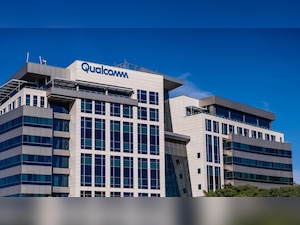
A Chronology of Challenges and Strategic Shifts
Qualcomm’s journey to this moment is paved with periods of unprecedented success intertwined with recurring market challenges and strategic evolutions. For decades, the company has been an undisputed titan in the mobile semiconductor space, with its Snapdragon processors powering a vast majority of the world’s smartphones. This dominance, however, has also made it acutely vulnerable to the cyclical nature and inherent volatility of the smartphone market.
Early 2020s: The COVID-19 pandemic initially spurred a surge in demand for personal electronics, including smartphones, as remote work and digital communication became paramount. Qualcomm benefited from this wave, reporting strong financial results.

Late 2022 – Mid 2024: A global economic slowdown began to manifest, fueled by inflationary pressures, rising interest rates, and geopolitical uncertainties. Consumer spending on discretionary items, including premium smartphones, started to wane. This period saw the first significant signals of softening demand in the mobile sector, prompting cautious outlooks from many industry leaders.
Late 2024 – Early 2025: The downturn in smartphone shipments became more pronounced. Major market research firms began reporting consecutive quarters of year-over-year declines. This directly impacted Qualcomm’s core business, leading to reduced orders from its smartphone manufacturing clients. Simultaneously, the contentious relationship with Apple intensified as the iPhone maker continued its pursuit of developing in-house modem chips, threatening a significant portion of Qualcomm’s high-margin business.

Mid 2025: Qualcomm CEO Cristiano Amon and other executives began to publicly articulate a growing emphasis on diversification. While mobile would remain a critical segment, increasing attention and investment were directed towards nascent but high-growth areas like automotive computing, advanced AI solutions, and infrastructure for data centers and edge computing. This period also saw initial internal discussions about cost-efficiency measures to brace for prolonged market softness.
Late 2025 – Early 2026: The confluence of these factors – persistent weak smartphone demand, a challenging memory market, and the strategic pivot – culminated in the decision to implement significant workforce reductions. The layoffs, therefore, are not an isolated event but rather a calculated response to both immediate financial pressures and a long-term strategic reorientation.

Supporting Data: Decoding the Market Forces
The decision to initiate layoffs is rooted in several interconnected and powerful market forces impacting Qualcomm’s traditional revenue streams and future trajectory.
The Global Smartphone Slump
The primary catalyst for Qualcomm’s current restructuring is the pervasive weakness in global smartphone demand. After years of robust growth, the smartphone market has entered a period of contraction. Market research firms like IDC, Canalys, and Counterpoint Research have consistently reported declining shipments, particularly in the premium segment where Qualcomm’s Snapdragon processors command a significant presence.

- Market Saturation: Key markets in North America, Europe, and parts of Asia have reached high levels of smartphone penetration, leading to longer upgrade cycles among consumers. People are holding onto their devices for extended periods, reducing the frequency of new purchases.
- Economic Headwinds: Inflation, fears of recession, and higher interest rates globally have tightened consumer budgets. Discretionary spending on new electronics often takes a backseat during such economic uncertainties.
- Lack of Breakthrough Innovation: While smartphones continue to evolve, recent generations have offered incremental improvements rather than revolutionary features that compel immediate upgrades, further contributing to longer upgrade cycles.
- Geopolitical Factors: Supply chain disruptions and geopolitical tensions have also played a role, albeit a less direct one on demand, impacting manufacturing efficiencies and market access in certain regions.
Qualcomm, as a leading supplier of chipsets for these devices, feels the direct brunt of this slowdown. Fewer smartphone sales translate directly into fewer chip orders, impacting revenue and profitability.
Rising Memory Prices: A Supply Chain Squeeze
The cost of memory components, specifically DRAM (Dynamic Random-Access Memory) and NAND flash storage, has a significant impact on the overall bill of materials (BOM) for smartphones and other electronic devices. The semiconductor memory market is notoriously cyclical, characterized by periods of oversupply (leading to low prices) and undersupply (leading to high prices).

Recent trends have seen a resurgence in memory prices, driven by factors such as:
- Production Adjustments: Memory manufacturers, facing previous periods of oversupply and low profitability, had cut back on production and capital expenditure.
- Emerging Demand: Increased demand from AI servers and high-performance computing has diverted some memory capacity and driven up prices for specific types of memory, which can have a ripple effect across the broader market.
- Inventory Levels: OEM (Original Equipment Manufacturer) customers, having previously worked through excess inventory, are now facing higher spot prices for new memory purchases.
For Qualcomm, rising memory prices don’t directly impact its own chip manufacturing costs as much as they affect its customers. When smartphone manufacturers face higher memory costs, their profit margins are squeezed, which can lead them to:

- Reduce orders for other components, including application processors from Qualcomm.
- Opt for lower-cost alternatives where available.
- Delay product launches or production ramp-ups.
This indirectly but significantly impacts Qualcomm’s business by dampening demand for its core products.
The Apple Factor: A Looming Diversification Mandate
The strained relationship between Qualcomm and Apple has been a long-standing saga in the tech industry. Historically, Qualcomm has been a primary supplier of modem chips for Apple’s iPhones, a highly lucrative segment due to the sheer volume of iPhones sold and the advanced nature of the chips. However, Apple has been aggressively pursuing its own in-house modem development for several years, aiming to reduce its reliance on external suppliers and gain greater control over its core technologies.

- Legal Battles: The two companies have been embroiled in high-profile patent disputes and legal battles for years, though a settlement was reached in 2019.
- Strategic Independence: Apple’s ambition to develop its own modem chips is part of a broader strategy to achieve silicon independence, mirroring its successful transition from Intel to its own M-series chips for Macs.
- Revenue Impact: Even partial adoption of in-house modems by Apple would represent a substantial revenue loss for Qualcomm, given the scale of iPhone production. This potential shift has forced Qualcomm to accelerate its diversification efforts to mitigate the risk of losing such a significant customer. The "falling Apple revenue" mentioned in the article likely refers to either a current reduction in orders or the anticipation of future declines as Apple’s internal efforts mature.
The Strategic Pivot: AI, Data Centers, and Automotive
Recognizing the vulnerabilities of its smartphone-centric model, Qualcomm has been actively investing in and shifting its strategic focus towards high-growth, diversified markets.
- Artificial Intelligence (AI): Qualcomm is positioning its Snapdragon platforms, particularly its NPU (Neural Processing Unit) capabilities, as critical enablers for on-device AI and edge computing. This includes applications in smart devices, IoT (Internet of Things), and even AI accelerators for specialized server workloads. The company aims to capitalize on the increasing trend of AI processing moving closer to the data source rather than solely relying on centralized cloud servers.
- Data Centers: While traditionally not a major player in server CPUs, Qualcomm is making inroads into the data center market, particularly with custom-designed chips for specific workloads and potentially for cloud providers looking for alternatives to x86 architectures. Its acquisition of NUVIA in 2021 was a clear signal of its ambition to develop high-performance ARM-based CPUs for these applications.
- Automotive Technology: This sector represents a significant growth opportunity. Modern vehicles are becoming sophisticated computers on wheels, requiring advanced chipsets for infotainment, autonomous driving, telematics, and digital cockpits. Qualcomm’s Snapdragon Digital Chassis offers a comprehensive suite of solutions for these applications, and the company has secured design wins with numerous major automakers globally. This segment provides a more stable, long-term revenue stream compared to the faster cycles of the smartphone market.
The layoffs, therefore, can be viewed as an attempt to streamline operations, cut costs in mature or declining areas, and free up resources to fuel investment and talent acquisition in these strategic growth pillars.

Impact in India and the US
The decision to implement layoffs in both India and the US highlights the global nature of Qualcomm’s operations and the strategic importance of these regions.
- United States: As Qualcomm’s headquarters and a major hub for R&D, advanced chip design, and executive functions, layoffs in the US often impact high-cost positions and reflect a desire to optimize core engineering and administrative structures.
- India: India serves as a crucial engineering and R&D hub for many global tech companies, including Qualcomm. The presence of a vast pool of skilled engineers makes it an attractive location for development centers. Layoffs in India, while potentially lower in individual compensation, still represent a significant impact on a large number of employees involved in various aspects of software development, hardware verification, and support for global projects.
Official Responses and Employee Perspectives
Qualcomm has, through its CEO, maintained a consistent message regarding the rationale behind these workforce reductions.

CEO Cristiano Amon’s Stance
CEO Cristiano Amon has framed the layoffs as a "performance-focused" reduction. This terminology suggests that the cuts are not merely about blanket cost-cutting but are also aimed at enhancing organizational efficiency, streamlining operations, and potentially eliminating roles that may no longer align with the company’s evolving strategic priorities. Such statements often imply a re-evaluation of team structures and individual contributions in the context of new business objectives. While providing a corporate rationale, it offers little comfort to those directly impacted, who often perceive such actions as primarily driven by financial pressures.
The Severance Package Dilemma
The details surrounding Qualcomm’s severance package, primarily gleaned from employee accounts on platforms like Reddit, paint a picture that is both standard for the industry and carries important caveats for the affected.

Typical components of a tech industry severance package often include:
- Base Pay Severance: A number of weeks or months of an employee’s base salary, often increasing with tenure.
- Bonus Proration: A prorated portion of any annual bonus for the current performance cycle.
- Benefits Continuation: Extension of health insurance, dental, and other benefits for a specified period (e.g., COBRA subsidies in the US).
- Stock Vesting: Clarity on unvested stock options or restricted stock units (RSUs), with some companies offering accelerated vesting for a portion.
- Outplacement Services: Assistance with resume writing, interview coaching, and job search strategies.
The reported offer of an "extra month’s pay for signing within two days" is a common tactic used by companies to expedite the severance process and minimize potential legal challenges. By incentivizing a quick signature, companies aim to secure a release of claims from employees, preventing future lawsuits. This highlights the critical importance for employees to:

- Consult Legal Counsel: Before signing any severance agreement, affected employees should seek independent legal advice to understand their rights, the implications of waiving future claims, and to negotiate terms if possible.
- Understand Local Laws: Severance terms can vary significantly based on local labor laws. What is standard in the US may differ in India, where regulations regarding notice periods, retrenchment compensation, and termination procedures are distinct.
- Review All Clauses: Agreements often contain non-disparagement clauses, non-compete clauses (less common for mass layoffs but possible), and confidentiality agreements. Employees must understand these commitments.
Employee Reactions and the Broader Tech Landscape
The human impact of these layoffs is profound. Beyond the financial implications, employees face:
- Emotional Distress: Job loss is a significant life event, often leading to stress, anxiety, and a sense of uncertainty.
- Career Uncertainty: Many long-serving employees may not have interviewed for jobs in years, making the prospect of re-entering the job market daunting.
- Job Market Competition: The current tech job market is highly competitive, with numerous companies having conducted layoffs over the past year. This increases the pool of available talent and can make finding new roles more challenging.
Qualcomm’s layoffs are not an isolated incident but rather part of a broader trend sweeping across the tech industry. Giants like Google, Meta, Microsoft, Amazon, and others have all conducted significant workforce reductions over the past year, signaling a shift from a period of hyper-growth and aggressive hiring to one of leaner operations and strategic realignment. This collective trend contributes to a more challenging environment for laid-off tech professionals.

Implications: A Glimpse into the Future
The implications of Qualcomm’s current restructuring extend beyond its immediate workforce, touching upon its corporate strategy, the broader semiconductor industry, and the global tech job market.
For Qualcomm: A High-Stakes Transformation
The success of these layoffs, from Qualcomm’s perspective, hinges on whether they achieve the desired outcomes of cost reduction, increased efficiency, and successful strategic re-alignment.

- Cost Savings and Profitability: The most immediate impact should be on the company’s operating expenses, potentially bolstering profit margins in a challenging revenue environment.
- Strategic Focus: By reallocating resources and talent, Qualcomm aims to accelerate its transition into AI, data centers, and automotive. The layoffs could free up capital for R&D and acquisitions in these areas.
- Innovation and Morale: A critical challenge will be to maintain innovation momentum and employee morale among the remaining workforce. Layoffs can create a climate of fear and uncertainty, potentially leading to a "brain drain" if top talent seeks more stable opportunities. Qualcomm will need to clearly communicate its vision and reassure its employees.
- Investor Confidence: Investors will closely watch Qualcomm’s financial performance in the coming quarters to see if the restructuring yields the expected benefits. A successful pivot could significantly boost investor confidence in the company’s long-term growth prospects.
For the Semiconductor Industry: A Bellwether of Change
Qualcomm’s actions are indicative of broader trends within the semiconductor industry.
- Diversification Imperative: The vulnerability exposed by the smartphone slump underscores the critical need for diversification among chipmakers. Companies heavily reliant on a single market segment are more susceptible to market fluctuations.
- AI as the Next Frontier: The aggressive shift towards AI by Qualcomm, Nvidia, Intel, and others highlights AI as the next major battleground for chip innovation and revenue growth.
- Automotive as a Stable Growth Engine: The automotive sector is increasingly viewed as a crucial, more stable revenue source for chip companies, given the long design cycles and increasing silicon content per vehicle.
- Consolidation and Competition: The industry may see further consolidation as companies vie for market share in emerging sectors, and intense competition will continue to drive innovation and pricing pressures.
For the Tech Job Market: A Continued Reckoning
Qualcomm’s layoffs add to the growing list of tech companies reducing their workforce, signaling a period of recalibration for the entire sector.

- Increased Competition for Talent: While many companies are laying off staff, there remains a demand for specialized skills, particularly in AI, machine learning, and advanced software development. However, the sheer volume of laid-off individuals means increased competition for available roles.
- Shift in Skill Demand: The pivot towards AI and specialized hardware means that skills in these areas will be in higher demand, while roles tied solely to legacy or shrinking segments might face more challenges.
- Geographic Impact: Regions with high concentrations of tech companies, like Silicon Valley in the US and major tech hubs in India (e.g., Bengaluru, Hyderabad), will feel the cumulative effect of these layoffs most acutely.
- The Gig Economy and Freelancing: Some laid-off professionals may explore opportunities in the gig economy or as independent contractors, offering their specialized skills on a project basis.
In conclusion, Qualcomm’s decision to initiate significant layoffs is a multi-faceted response to both immediate market pressures and a deliberate, strategic re-positioning. While the short-term impact on employees is undoubtedly challenging, the company is making a calculated bet on its ability to navigate current headwinds and establish a stronger foothold in the high-growth sectors of AI, data centers, and automotive technology, charting a new course for its future in the ever-evolving landscape of global technology. The coming years will reveal whether this bold transformation yields the desired strategic and financial dividends.