BUSINESS
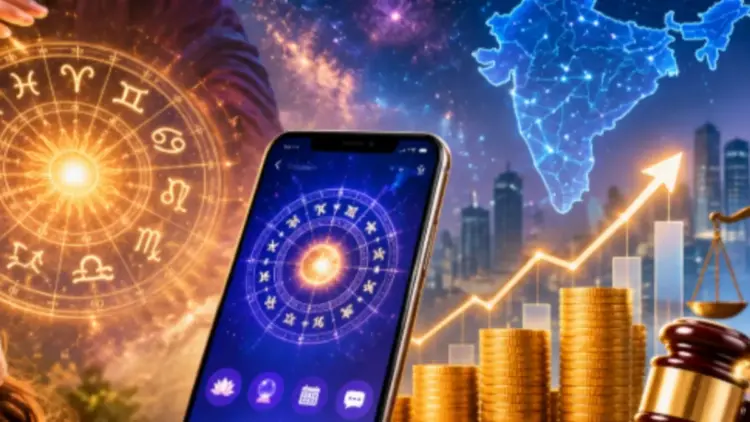
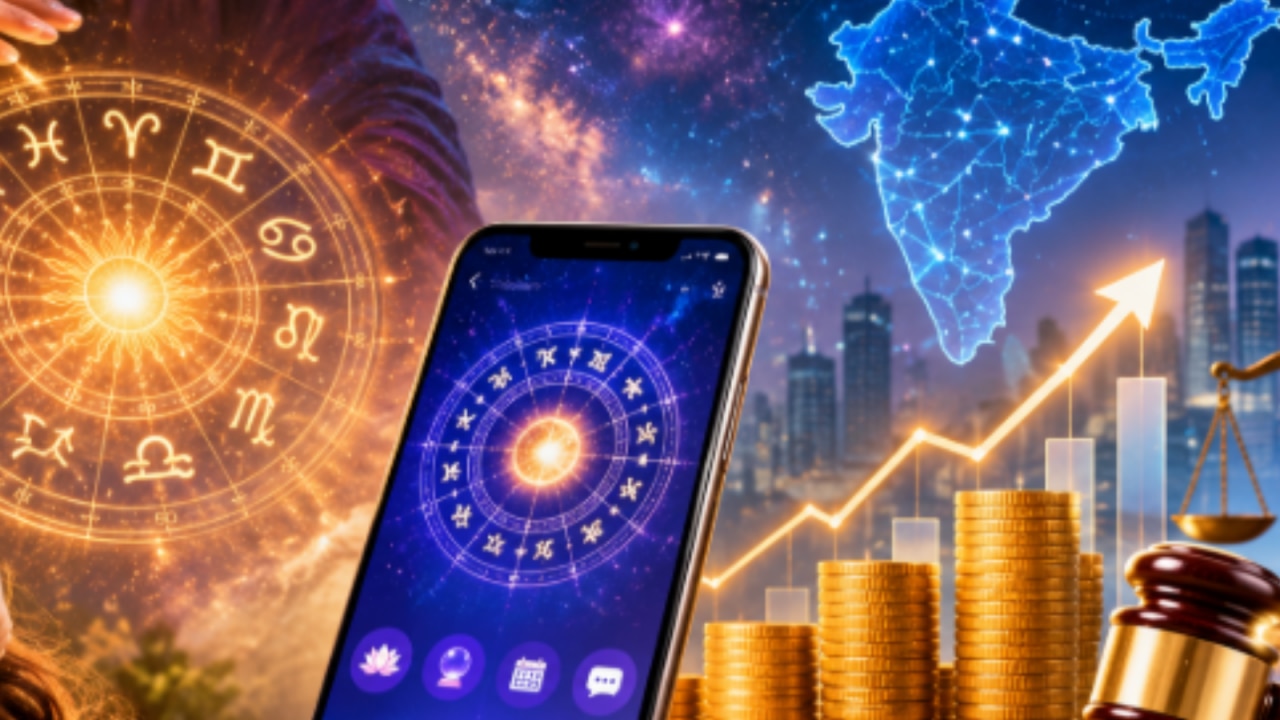
India’s ancient practice of astrology is experiencing an unprecedented digital renaissance, transforming into a multi-billion-dollar industry propelled by the ubiquity of smartphone applications and sophisticated artificial intelligence (AI) services. This meteoric rise, however, brings with it a complex interplay of burgeoning business opportunities, escalating consumer concerns, the delicate balance of emotional dependence, and an urgent call for robust regulatory oversight. As traditional wisdom meets cutting-edge technology, the landscape of cosmic guidance is undergoing a profound metamorphosis, prompting crucial questions about accountability, ethics, and the very nature of belief in a commercialized marketplace.
The Celestial Boom: Main Facts of a Rising Industry
The astrology industry in India, deeply interwoven with the nation’s cultural fabric and spiritual beliefs, is currently witnessing an explosive growth trajectory. Fuelled by an increasingly digital-savvy population seeking solace and direction in uncertain times, online astrology platforms are redefining how individuals access celestial insights. This sector, once largely informal and localized, has rapidly professionalized, attracting significant investment and innovation.
At its core, the boom is characterized by the widespread adoption of astrology apps and AI-powered tools that offer instant consultations, personalized horoscopes, and predictive reports. While this digital shift offers unparalleled convenience and accessibility, it also introduces a new set of challenges, particularly concerning consumer protection and ethical conduct. Users are increasingly reporting experiences ranging from unsatisfactory consultations to feelings of financial exploitation and heightened emotional vulnerability. The industry, now a formidable economic force, finds itself at a critical juncture, grappling with the need to balance commercial success with its inherent responsibility to its patrons. The central dilemma revolves around discerning where spiritual guidance ends and commercial exploitation begins, and who bears the ultimate responsibility in this rapidly evolving digital ecosystem.

Evolution of Cosmic Guidance: A Chronology of Digital Transformation
The journey of astrology in India from an esoteric practice to a digital juggernaut reflects a broader societal shift towards technology integration in daily life. Historically, astrological consultations were largely localized, intimate affairs conducted by village astrologers or family pandits, relying on word-of-mouth reputation and personal trust. The turn of the millennium saw the nascent emergence of astrology websites, offering basic horoscopes and email consultations, marking the first significant step towards digitalization.
The true inflection point, however, arrived with the smartphone revolution and widespread internet penetration in the 2010s. This era gave birth to a multitude of astrology applications, democratizing access to astrologers across geographical barriers. These apps evolved rapidly, moving from simple chat functions to integrated payment gateways, video calls, and a marketplace model connecting users with a diverse pool of astrologers. The latest chapter in this evolution is the integration of Artificial Intelligence. AI-driven platforms can now generate complex birth charts, interpret astrological data, and even engage in simulated consultations, offering instantaneous and scalable services that traditional human astrologers cannot match. This chronological progression highlights a continuous drive towards greater convenience and personalization, but simultaneously underscores the increasing complexity of ensuring quality, authenticity, and ethical practice within a largely unregulated digital space. The concerns about consumer protection and emotional dependence have grown in parallel with this technological advancement, necessitating a re-evaluation of how this ancient practice is governed in its modern, digital avatar.

Numbers and Narratives: Supporting Data and Consumer Experiences
The financial scale of India’s astrology industry is nothing short of astronomical. RedSeer, a prominent market research firm, estimated the overall market at a staggering over $7 billion in May 2024. More significantly, the online segment, currently valued between $102–106 million, is projected for a near tenfold growth by FY2030, indicating a massive shift towards digital platforms. Elev8 Venture Partners offers an even more bullish outlook, pegging the total market at an impressive $12.5 billion. These figures underscore a burgeoning economic sector with immense potential.
The digital boom is vividly reflected in the financial performance of leading astrology platforms. Astrotalk, a frontrunner in the space, reported a remarkable FY26 revenue of Rs 1,823 crore, marking a 55% increase. InstaAstro’s revenue more than doubled, reaching Rs 111.26 crore. Other significant players like Astroyogi and AstroSage also posted robust FY25 revenues of Rs 96.3 crore and Rs 84 crore, respectively, as cited by Tracxn. These figures paint a clear picture of astrology evolving into a substantial digital business, encompassing a wide array of services from paid consultations and subscriptions to personalized reports and sophisticated AI-powered interpretations.

Beneath these impressive financial statistics, however, lie the nuanced and often distressing experiences of individual consumers. A customer, preferring anonymity, shared a particularly unsettling encounter with a leading astrology app. Having sought guidance for pressing life concerns, they engaged in a paid consultation that was abruptly terminated before the astrologer could provide a satisfactory answer. In a desperate bid for resolution, the user repeatedly recharged their account, only to consult another astrologer on the same platform and be met with similar disappointment – unanswered questions and money spent without gaining the clarity they desperately sought.
This experience is far from isolated and raises critical questions about the prevalent consumer concerns surrounding paid astrology platforms. Users often find themselves in a cycle of spending on repeated consultations, account recharges, and follow-up sessions, frequently without receiving the definitive answers or resolution they seek. When a paid consultation is cut short, the issue of accountability becomes paramount: who is responsible – the individual astrologer, the platform, or both? What effective recourse do consumers have when a service is incomplete, or a platform’s claims prove misleading?

Dr. Mukesh Shastri, an award-winning astrologer and Vastu expert based in Delhi, acknowledges the evolving expectations of clients. “People’s expectations of astrologers have changed. Today, a great many people consult astrologers not only to know the future but also to understand the problems in their lives and make the right decisions. Uncertainty and upheaval in work and business, career, marriage, children, family matters and financial circumstances take a real mental toll on people,” Shastri explained. He cautions against exploiting this inherent emotional vulnerability, particularly when individuals are seeking guidance during uncertain phases of life. The line between seeking genuine counsel and developing an unhealthy dependence on repeated predictions and reassurance is increasingly blurred, posing significant ethical dilemmas for the industry.
Addressing the Cosmic Quandary: Official Responses and Expert Insights
The rapid expansion and commercialization of India’s astrology industry have prompted a growing chorus of official responses and expert opinions, primarily focused on safeguarding consumers and establishing ethical standards. The consensus points towards the urgent need for a structured framework to govern this booming sector.

Legal and Regulatory Perspectives:
India currently lacks a dedicated regulatory framework specifically for commercial astrology consultations or apps, leaving a significant legal vacuum. However, paid services may fall under the broad ambit of the Consumer Protection Act, 2019, which protects consumers against deficient services, unfair trade practices, and misleading advertisements.
B. Shravanth Shanker, Managing Partner, B. Shanker Advocates LLP, advocates for a comprehensive legal framework. “From a legal standpoint, the astrology industry requires a structured regulatory framework to prevent consumer exploitation while respecting freedom of belief. The legal framework should incorporate mandatory disclosure of qualifications and nature of services, regulation of advertisements and misleading claims, transparent pricing and refund policies, data-protection safeguards, and an effective grievance redressal mechanism,” Shanker emphasized. He further stressed the need for particular scrutiny of claims involving health, fertility, marriage, and financial prosperity, highlighting the critical importance of holding online platforms accountable for practitioners operating through them. These safeguards, he argues, would bolster transparency without infringing upon individual faith.

Tushar Kumar, Advocate, Supreme Court of India, clarifies that regulation should target commercial conduct, not personal beliefs. “The case for regulating the commercial astrology industry must be understood not as an attempt by the State to sit in judgment over matters of faith, tradition or individual belief, but as a question of consumer protection in an increasingly organised and monetised marketplace,” Kumar asserted. He added a crucial caveat: “The law ought to be particularly vigilant where commercial solicitation is founded upon fear, vulnerability or an asserted certainty of outcome which is inherently incapable of objective substantiation.” Kumar believes that platforms must share accountability for the services they facilitate and monetize. “Online platforms should, at the minimum, be required to verify the identity of persons offering paid consultations, disclose their stated qualifications and experience, display fees and refund conditions transparently, preserve appropriate transactional records and maintain an effective grievance-redressal mechanism.” He further argued against platforms avoiding responsibility by merely classifying themselves as technology intermediaries.
Ashim Sanyal, CEO of Consumer VOICE, echoed these concerns, calling for clearer government guidelines and stricter penalties. “Astrological predictions can’t be depended upon, and hence payments collected for the purpose based upon advertising is misleading the consumers for which appropriate laws should be applied as penalty. Also, the government must clearly come out with guidelines for the astrology industry.”

Ethical and Psychological Considerations:
Dr. Mukesh Shastri, while acknowledging the industry’s potential, strongly cautions against exploiting emotional vulnerability. “The problem begins when a person is frightened or confused into repeatedly seeking consultations or buying expensive remedies. The purpose of service fees and advice in astrological services should be clear. Clients should be free to decide according to their own needs and financial situation. A good astrologer should know a full range of remedies so that suitable options exist for every person’s financial circumstances,” he advised. He also noted that the industry should not be judged solely by the misconduct of a few. “Many people in this field are doing their work responsibly and well. What the field needs are professionally sensible astrologers who put honesty, transparency and the interests of clients first, and who work in the spirit of public welfare rather than personal gain.” The focus, therefore, shifts from uniform fees to transparent communication about per-minute rates, wallet deductions, minimum charges, cancellation policies, and refund conditions.
From a psychological standpoint, Dr. Abhinit Kumar, Senior Consultant, Psychiatry, ShardaCare – Healthcity, explains the allure of astrology. “The growing interest in astrology, tarot readings and horoscope consultations reflects people’s need to find certainty, reassurance and a sense of control during unpredictable situations. Relationships, marriage, career decisions and financial difficulties often involve uncertainty, and individuals may struggle with the fear of making the wrong choice,” he stated. He highlights the role of confirmation bias (selectively remembering predictions that came true) and the Barnum effect (the tendency to accept vague, general statements as uniquely applicable to oneself) in reinforcing belief. “Emotional investment and selective memory can further reinforce these beliefs, even when several other predictions have failed to materialise,” he added. Dr. Kumar issues a critical warning: astrology and AI-led consultations are fundamentally different from professional mental healthcare. “However, there is a fundamental difference between offering reassurance through predictions and providing evidence-based mental health care.” He cautions that repeated consultations can create a reassurance-seeking cycle, where individuals return for more readings whenever uncertainty resurfaces, a vulnerability that fear-based predictions and expensive remedies can readily exploit.

The Role of AI and Industry Self-Regulation:
The advent of AI introduces new layers of complexity. Arvind M. Subbarao, Co-founder and CEO of iMeUsWe, describes AI as a major paradigm shift. He stresses the paramount importance of transparency: “Consumers should know whether they are interacting with AI or a human astrologer, what astrological framework is being used, and the limitations of the guidance. AI can improve the consistency of calculations and the interpretation of established astrological frameworks, but it cannot establish the certainty of an astrological prediction. Platforms must avoid exaggerated claims and fear-based messaging.” He also flagged critical data privacy concerns, given the sensitive personal information (birth details, family relationships, personal struggles) collected by these platforms.
Some industry players are attempting to set higher ethical standards. Vikram Labhe, Founder and CEO of Melooha, notes that demand for digital astrology is driven by faith, convenience, and personalized guidance. Melooha’s model, which offers bundles of questions instead of per-minute charges, reports a repeat purchase rate exceeding 60%, with over 20% of repeat purchasers making five or more transactions. Labhe articulates their philosophy: “Our philosophy is straightforward: Never use fear, anxiety or emotional vulnerability to drive purchases.” He clarified that Melooha uses AI exclusively, without human astrologers providing consultations. “Ultimately, our goal is to give people clarity and perspective, not fear—and guidance, not dependency,” Labhe affirmed.

Dr. Mukesh Shastri supports a balanced approach involving both self-regulation and government oversight. He suggests that astrologers’ associations establish their own code of conduct, while existing laws tackle misleading advertisements, unfair trade practices, and exploitation. “The purpose of oversight is not to interfere with people’s faith, but to ensure that no one is cheated or defrauded in the name of faith. As transparency and accountability grow in the profession, the credibility of honest astrologers will also be strengthened, and public trust will rise,” Shastri concluded.
Navigating the Cosmic Crossroads: Implications for the Future
The burgeoning astrology industry in India stands at a critical juncture, with its rapid growth bringing forth significant implications for consumers, industry players, and regulators alike. The future trajectory of this sector will largely depend on how these complex dynamics are managed.

Implications for Consumers:
For the millions seeking guidance, the digital astrology boom offers unprecedented access and convenience. However, it also exposes them to considerable risks. The primary concerns revolve around financial exploitation through opaque pricing, unending consultations, and pressure to purchase expensive remedies. More subtly, there is the risk of developing emotional dependence, where individuals become reliant on predictions for major life decisions, potentially undermining their agency and critical thinking. The absence of clear accountability mechanisms leaves consumers with limited recourse in cases of deficient service or outright fraud. Furthermore, with AI-driven services, data privacy becomes a significant concern, as sensitive personal information is often shared, raising questions about its storage, usage, and security.
Implications for the Industry:
For the astrology industry, the current growth presents immense opportunities for innovation and market expansion. However, the lack of regulation and prevalent consumer complaints pose a substantial threat to its long-term credibility and sustainability. Unethical practices by a few can tarnish the reputation of responsible practitioners. The industry faces the imperative to move beyond mere commercialization towards a model rooted in ethical conduct, transparency, and consumer welfare. This involves implementing robust internal grievance redressal mechanisms, clear pricing structures, and stringent verification processes for astrologers on platforms. The challenge for AI-driven platforms is to ensure ethical AI development, transparent disclosure of AI interaction, and robust data protection measures to build and maintain user trust.

Implications for Regulators and Government:
The government and regulatory bodies face a delicate balancing act. Intervention must not be perceived as an infringement on freedom of belief, which is deeply cherished in India. Instead, the focus must shift to regulating the commercial aspects of the industry to protect consumers from fraud and exploitation. This necessitates the development of a nuanced, structured regulatory framework, as advocated by legal experts. Such a framework would need to address mandatory disclosures, advertising standards, transparent pricing, refund policies, and data protection. Enforcement mechanisms would also need to be robust enough to hold both individual practitioners and digital platforms accountable. The challenge lies in creating guidelines that are adaptable to the rapidly evolving digital landscape, including the complexities introduced by AI, while remaining respectful of cultural and spiritual sensitivities.
The expansion of paid astrology services in India does not call for government intervention in personal beliefs, but rather a structured approach to ensure accountability in commercial transactions. The immediate question is how these services, built around faith, can be held to standards of fairness and transparency. As Dr. Mukesh Shastri rightly suggests, a balance between industry self-regulation and government oversight is crucial. This collaborative approach would not only protect consumers but also enhance the credibility of the entire profession.

As India’s astrology industry continues its rapid expansion, the focus must decisively shift beyond individual faith to collective consumer protection. While individuals and practitioners must remain free to make their choices, the paid services offered must inherently guarantee transparency, fair pricing, and unwavering accountability. The celestial boom is here to stay, but its future health and integrity will depend on grounding its practices firmly in earthly ethics and robust regulatory oversight.