BUSINESS
Meta Description: Sensex surged 1,225 points and Nifty closed above 23,800 as Indian stock markets rallied, adding nearly Rs 4 lakh crore to investor wealth. This significant upward momentum was driven by a powerful combination of five key factors: hopes of a review in the long-term capital gains (LTCG) tax, declining crude oil prices, a shift in global investor focus away from AI-driven stocks, renewed foreign institutional investor (FII) buying, and a strengthening Indian Rupee. This comprehensive analysis delves into the underlying dynamics of this robust market performance and its broader implications.
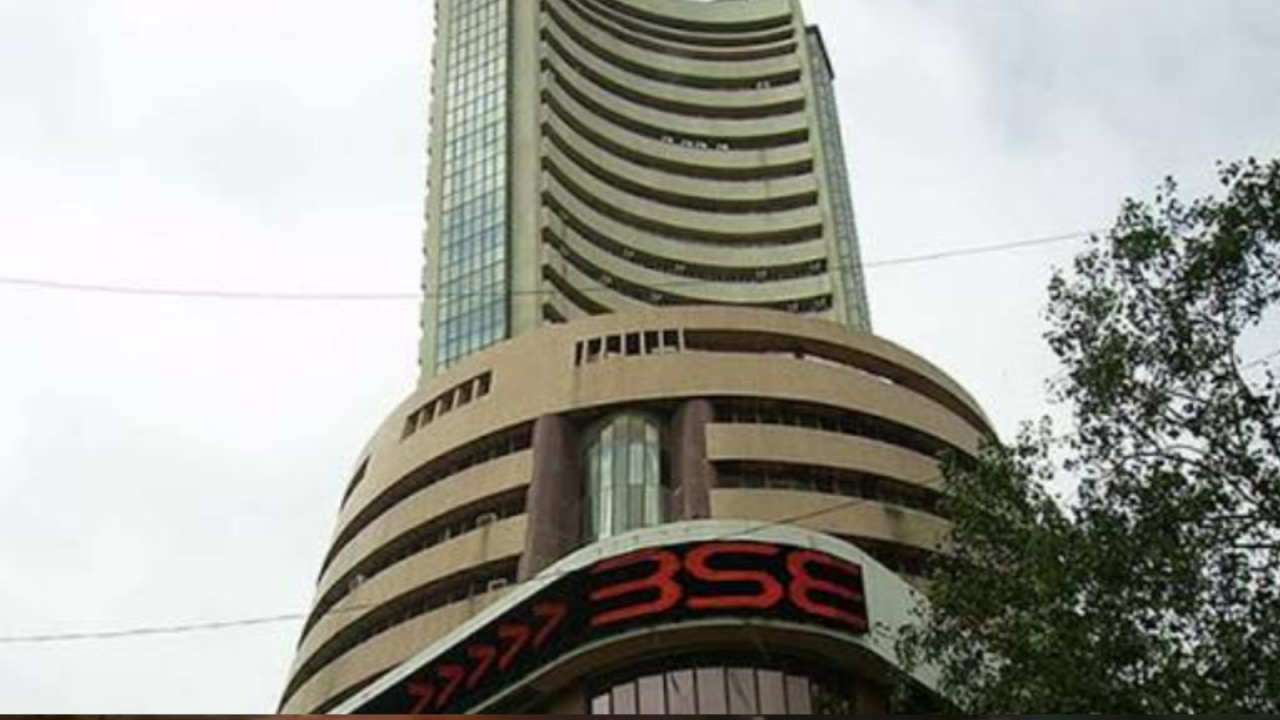
[Image: Stock Market Rally: Sensex jumps 1,225 points, Nifty closes above 23,800; 5 Key reasons]
(Source: ANI)
New Delhi, [Insert Date] – The Indian equity market witnessed a spectacular surge on Tuesday, extending its impressive winning streak and underscoring a burgeoning optimism among investors. Both benchmark indices, the BSE Sensex and the NSE Nifty50, recorded gains exceeding 1.5%, catapulting the market to new highs and reflecting a robust return of investor confidence. This rally occurred a day after the markets had already closed at a significant seven-week high, signaling sustained positive momentum.
The Bombay Stock Exchange’s bellwether Sensex soared by an remarkable 1,225 points, or 1.62%, to conclude the trading session at 76,917.85. Concurrently, the National Stock Exchange’s broader Nifty50 index gained a substantial 370 points, or 1.58%, settling firmly above the critical 23,800 mark at 23,810.85. This powerful upswing collectively injected nearly Rs 4 lakh crore into the total market capitalization of companies listed on the BSE, pushing their combined valuation to an astounding Rs 486 lakh crore. The breadth of the market was overwhelmingly positive, with a significant majority of stocks participating in the rally, indicating broad-based buying interest across sectors.
A Day of Resurgent Optimism: The Immediate Market Landscape
The trading day was characterized by fervent buying activity from the opening bell. The Sensex and Nifty opened with substantial gaps up and maintained their upward trajectory throughout the session, reflecting a strong conviction among market participants. Key constituents of the Sensex saw significant gains, with aviation giant IndiGo and banking behemoth HDFC Bank leading the charge, both stocks climbing approximately 3%. Other prominent gainers included UltraTech Cement, Hindustan Unilever, Asian Paints, Bajaj Finance, Bajaj Finserv, and Infosys, each appreciating by nearly 2%. However, not all stocks participated equally in the celebratory mood; Reliance Industries, a heavyweight, saw a marginal dip of just over 1% after experiencing a sharp ascent in the preceding session, likely due to profit-booking activities.

This widespread rally was not an isolated event but rather the culmination of several interlinked domestic and global factors that have progressively aligned to create a conducive environment for Indian equities. From potential policy reforms to stabilizing global commodity prices and a renewed interest from foreign capital, the market’s surge on Tuesday was a testament to India’s growing appeal as an investment destination.
Tracing the Momentum: A Recent Chronology of Market Performance
The current rally is not an abrupt phenomenon but rather an extension of a positive trend observed over recent weeks. Following a period of volatility and cautious trading through September and early October, marked by significant outflows from foreign institutional investors (FIIs) and global uncertainties, the Indian market began to show signs of resilience in the latter half of October.

The preceding weeks saw a gradual build-up of positive sentiment, primarily driven by easing geopolitical tensions, a slight moderation in global inflation concerns, and robust domestic economic indicators. The market’s ability to close at a seven-week high just a day prior to this monumental surge underscored an underlying strength and a gradual shift in investor perception. This sustained momentum suggests that investors are increasingly looking beyond short-term headwinds and focusing on India’s long-term growth narrative. The market’s ability to absorb previous selling pressure and now ascend indicates a strong underlying demand for Indian assets.
Five Pillars of Strength: Unpacking the Market’s Ascent
The remarkable performance of the Indian stock market on Tuesday can be attributed to a powerful confluence of five distinct yet interconnected factors. Each of these elements, acting in concert, contributed significantly to bolstering investor sentiment and driving fresh capital into Indian equities.

1. Hopes of an LTCG Tax Review: A Potential Catalyst for Investment
A significant boost to investor sentiment came from the Finance Minister Nirmala Sitharaman’s statement, indicating the government’s willingness to consider requests from foreign investors to review the long-term capital gains (LTCG) tax structure. This announcement resonated deeply within investment circles, particularly among foreign institutional investors (FIIs) who have often cited tax complexities as a deterrent.
Understanding LTCG Tax in India:
Long-term capital gains tax is levied on profits arising from the sale of assets held for more than a specified period (e.g., more than one year for listed equities). While India had abolished LTCG tax on listed equities in 2004, it was reintroduced in 2018 at a rate of 10% on gains exceeding Rs 1 lakh, without indexation benefit. This reintroduction was met with mixed reactions, with many market participants arguing it could dampen investor enthusiasm and capital inflows.

The Finance Minister’s Stance and its Impact:
Minister Sitharaman’s acknowledgment of the concerns raised by foreign investors regarding the LTCG structure signals a pragmatic approach from the government. The possibility of changes to this tax regime, whether through a reduction in rates, an increase in the exemption limit, or the introduction of indexation benefits, could significantly enhance the attractiveness of Indian equities for global capital. Foreign investors have, in recent months, been net sellers in the Indian markets, and a more favorable tax environment could reverse this trend, encouraging them to increase their exposure to India’s burgeoning economy. A simplified or more competitive tax structure would not only reduce the cost of investing but also improve the overall ease of doing business for international funds, potentially leading to more consistent and substantial inflows.
2. Lower Crude Oil Prices: A Tailwind for India’s Economy
Another critical factor contributing to the positive market sentiment was the sustained decline in crude oil prices. Brent crude, the international benchmark, traded comfortably below $105 per barrel, while the US West Texas Intermediate (WTI) crude remained under $97. This represents a significant moderation from the levels of around $110 per barrel seen in recent weeks and considerably lower than the peaks observed earlier in the year.

India’s Vulnerability and Benefit:
India, being the world’s third-largest importer of crude oil, is highly susceptible to fluctuations in global oil prices. A substantial portion of the nation’s energy requirements is met through imports, making lower oil prices a significant economic boon. Cheaper crude translates directly into several tangible benefits:
- Reduced Inflationary Pressures: Lower input costs for industries (transport, manufacturing, petrochemicals) lead to a decrease in the overall cost of goods and services, helping to temper inflation.
- Improved Current Account Deficit: A lower import bill for oil reduces the pressure on India’s current account deficit, strengthening the nation’s external balance.
- Stronger Rupee: Reduced demand for US dollars to pay for oil imports helps stabilize and strengthen the Indian Rupee.
- Boost for Businesses: Companies across various sectors benefit from lower operational costs, leading to potentially higher profit margins and increased investment capacity.
The moderation in global oil prices has been influenced by a combination of factors, including concerns over a potential global economic slowdown impacting demand, increased supply from non-OPEC+ nations, and strategic reserve releases by major economies.
3. Concerns Over AI-Driven Stocks and Sectoral Rotation: India as an Alternative
The global investment landscape has been significantly shaped by the phenomenal rally in artificial intelligence (AI)-related stocks over the past year. However, this fervent enthusiasm has recently begun to show signs of moderation, and in some cases, concern. While tech giants like Apple reported better-than-expected earnings for the July-September quarter, underlying anxieties regarding escalating AI-related expenses and the rising costs of memory components have sparked questions about the sustainability of future profit margins for these high-flying tech companies.

The AI Hype and its Potential Pitfalls:
The "AI bubble" narrative has gained traction, with analysts pointing to potentially stretched valuations for companies heavily invested in or benefiting from AI. Investors are starting to scrutinize the massive capital expenditure required for AI development, the intense competition, and the long gestation periods before significant returns materialize. This re-evaluation of the AI sector has led to a cautious shift in global capital allocation.
India’s Position as a Stable Alternative:
In this evolving global context, Indian equities are increasingly being perceived as an attractive and stable alternative to the highly volatile, AI-driven investment trend. India offers a diverse economy with strong domestic consumption, robust infrastructure development, and a growing manufacturing base, providing more grounded growth opportunities. Foreign investors, seeking diversification and more predictable returns, are finding Indian markets appealing due to their relative stability, diverse sectoral offerings, and less direct exposure to the hyper-speculative aspects of the global AI boom. This "sector rotation" or "geographic rotation" of capital towards emerging markets like India, which offer fundamental growth stories, has been a significant support for domestic stocks.

4. Foreign Investors Return to Indian Markets: A Vote of Confidence
A crucial turnaround contributing to the rally was the renewed buying interest from Foreign Institutional Investors (FIIs). According to provisional NSE data, FIIs poured nearly Rs 3,115 crore into Indian equities on Monday. This figure is particularly significant as it marks a positive reversal after months of heavy selling that characterized September and the first half of October.
The FII Outflow and Inflow Cycle:
Historically, FII flows have been a critical determinant of market direction in India. During September and early October, FIIs were net sellers, withdrawing billions of dollars from Indian markets. This outflow was primarily driven by global factors such as rising interest rates in developed economies (particularly the US Federal Reserve’s hawkish stance), a strengthening US dollar, geopolitical uncertainties, and some concerns over Indian valuations.

However, the latter half of October saw a cautious return of foreign buying, a trend that has evidently continued into November. This renewed inflow signals a stronger vote of confidence in India’s economic fundamentals, policy stability, and growth prospects. FIIs are likely reassessing their global portfolios, finding India’s growth story compelling amidst a backdrop of slowing global growth and potential overvaluations in other markets. The prospect of an LTCG tax review and a strengthening rupee further sweetens the deal for these international investors.
5. Rupee Gains Against US Dollar: Enhancing Investment Appeal
The strengthening of the Indian Rupee against the US Dollar on Tuesday further bolstered market sentiment. The Rupee opened at 94.6550 against the dollar, a notable appreciation from its previous close of 94.90.

The Rupee’s Significance:
A stronger Rupee is generally perceived as a positive indicator for several reasons:
- Reduced Import Costs: As discussed with crude oil, a stronger Rupee makes all imports cheaper, helping to combat imported inflation.
- Attractive for FIIs: For foreign investors, an appreciating Rupee means their returns, when converted back to their home currency, are higher, making Indian assets more attractive.
- Improved Corporate Balance Sheets: Indian companies with foreign currency-denominated debt benefit from a stronger Rupee as their repayment obligations in Rupee terms decrease.
- Positive Economic Outlook: A strengthening Rupee often reflects confidence in the domestic economy, stable capital flows, and favorable interest rate differentials.
The Rupee’s appreciation on Tuesday was a synergistic outcome of several factors: the return of FII buying (which increases demand for Rupees), lower crude oil prices (reducing demand for dollars for imports), and the overall positive sentiment surrounding India’s economic outlook. This confluence creates a virtuous cycle, where a stronger Rupee and lower crude prices reinforce each other to improve market sentiment.
Sectoral Performance and Market Breadth: A Broad-Based Rally
The rally was not confined to a few heavyweights but was broad-based, indicating robust participation across various sectors. While specific stocks like IndiGo and HDFC Bank led the charge, the widespread gains reflected confidence in the broader economic recovery and growth trajectory.

- Financials: Banks and NBFCs, represented by HDFC Bank, Bajaj Finance, and Bajaj Finserv, performed strongly, benefiting from expectations of stable interest rates, improved credit growth, and potentially higher FII inflows.
- Consumer Staples & Discretionary: Hindustan Unilever and Asian Paints saw significant gains, reflecting optimism about domestic consumption demand and potentially lower input costs due to easing inflation and crude prices.
- Infrastructure & Cement: UltraTech Cement’s rise signals continued confidence in India’s infrastructure push and construction sector.
- Information Technology: Infosys’s performance, despite global tech concerns, indicates resilience in India’s IT services sector, potentially benefiting from diversification away from pure AI plays and strong deal pipelines.
The overall market breadth was exceptionally strong, with the number of advancing stocks significantly outweighing declining ones on the BSE. This indicates that the buying interest was not concentrated in a few large-cap stocks but was spread across mid-cap and small-cap segments as well, reflecting a healthy underlying market structure.
Official Responses and Expert Commentary: A Positive Outlook
The Finance Minister’s statement on LTCG tax review serves as a significant official response, signaling a government receptive to investor feedback and committed to fostering a conducive investment climate. While specific policy changes are yet to be announced, the willingness to engage with investor concerns is a powerful signal.

Market analysts and economists largely echoed the positive sentiment. A leading economist, preferring anonymity due to institutional policy, commented, "The current rally is more fundamentally driven than speculative. The combination of easing global commodity prices, a proactive government stance on tax reforms, and a clear shift in global capital towards stable emerging markets like India paints a very optimistic picture. India’s domestic growth story remains intact, and these external tailwinds only serve to amplify its attractiveness."
Another senior fund manager highlighted, "FII flows are critical for market depth and liquidity. Their return, coupled with a stronger Rupee, suggests that the perceived risks of investing in India are diminishing, while the growth opportunities are becoming more pronounced. The re-evaluation of AI stocks globally means more capital is searching for value and sustainable growth, and India fits that bill perfectly."

The Reserve Bank of India (RBI) continues to maintain a vigilant stance on inflation and financial stability, with its recent policy pronouncements emphasizing a data-driven approach. The current market rally, underpinned by easing inflationary pressures from crude, could provide the RBI with more flexibility in its monetary policy decisions going forward.
Implications and Future Outlook: Navigating the Path Ahead
The robust rally in the Indian stock market carries significant implications for the broader economy and future investment landscape.

Broader Economic Impact:
- Enhanced Investor Confidence: A surging stock market typically correlates with higher investor and consumer confidence, potentially leading to increased spending and investment.
- Wealth Effect: The significant increase in market capitalization creates a "wealth effect" for investors, which can stimulate consumption.
- Capital Formation: A buoyant market makes it easier for companies to raise capital through equity issuances, facilitating expansion and job creation.
- Global Positioning: India’s strong market performance reinforces its position as a preferred investment destination among emerging markets, attracting more global capital.
Potential Risks and Headwinds:
While the immediate outlook is positive, several factors could pose risks:
- Global Economic Slowdown: A more severe-than-expected global recession could impact India’s exports and overall economic growth.
- Inflation Resurgence: Any unexpected spike in global commodity prices (especially crude) or domestic inflationary pressures could prompt a hawkish stance from central banks, potentially dampening market enthusiasm.
- Geopolitical Events: Unforeseen geopolitical conflicts or escalations could trigger risk aversion and capital outflows from emerging markets.
- Policy Implementation: Delays or dilutions in the promised tax reforms or other policy initiatives could temper investor expectations.
- Sustained FII Outflows: A sudden shift in global liquidity or sentiment could again lead to FII withdrawals, though the current trend appears positive.
What to Watch For:
Investors will closely monitor several key indicators and events in the coming weeks and months:

- Upcoming Economic Data: Inflation figures, GDP growth rates, and industrial production data will provide insights into the health of the economy.
- Central Bank Decisions: The monetary policy stances of the RBI and global central banks (especially the US Federal Reserve) will be crucial in shaping liquidity and interest rate expectations.
- Government Policy Announcements: Any concrete announcements regarding the LTCG tax review or other fiscal policies during the upcoming budget sessions will be keenly awaited.
- Global Commodity Prices: Continued stability or further moderation in crude oil and other commodity prices will be beneficial.
India’s Enduring Appeal:
Despite potential headwinds, India’s long-term growth story remains compelling. A large and young population, increasing urbanization, a growing middle class, significant government investments in infrastructure, and a focus on manufacturing (through initiatives like ‘Make in India’ and Production-Linked Incentive schemes) provide strong structural tailwinds. The current market rally, driven by a convergence of favorable factors, underscores the resilience and attractiveness of the Indian economy as it continues its trajectory towards becoming a global economic powerhouse. Investors are increasingly recognizing India not just as an emerging market, but as a crucial engine of global growth in the coming decades.
Find your daily dose of All Latest News including Sports News, Entertainment News, Lifestyle News, explainers & more. Stay updated, Stay informed- Follow DNA on WhatsApp.