NEW DELHI, India – November 5, 2026 – India’s venerable precious metals market continues to exhibit its characteristic dynamism, with gold and silver prices on November 5, 2026, reflecting a complex interplay of global economic trends, geopolitical developments, domestic demand patterns, and fluctuating currency exchange rates. As a critical barometer of economic sentiment and a deeply ingrained cultural asset, the daily movements in gold and silver hold significant implications for investors, consumers, and the broader Indian economy.
Today’s market snapshot reveals a nuanced picture: gold prices have experienced a modest uptick, primarily driven by persistent global inflationary pressures and an ongoing demand for safe-haven assets amidst a backdrop of international uncertainty. Meanwhile, silver, while traditionally more volatile, also shows strong underlying demand, heavily influenced by its dual role as an investment vehicle and a vital industrial metal. This report provides a comprehensive breakdown of the current prices, the underlying factors influencing these valuations, and the broader implications for stakeholders.
Main Facts: A Snapshot of Today’s Precious Metal Rates
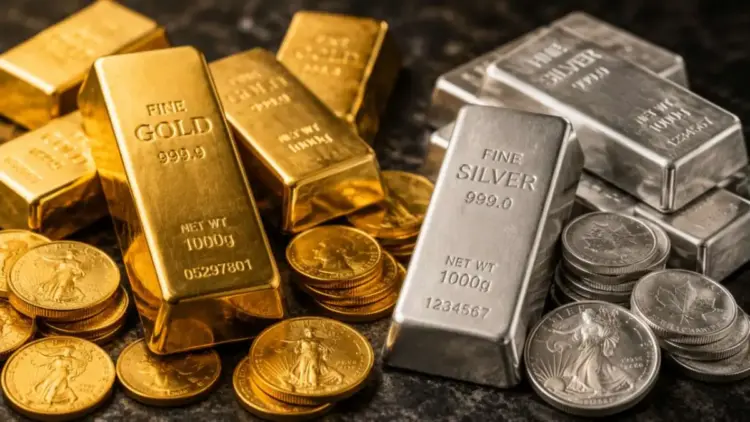
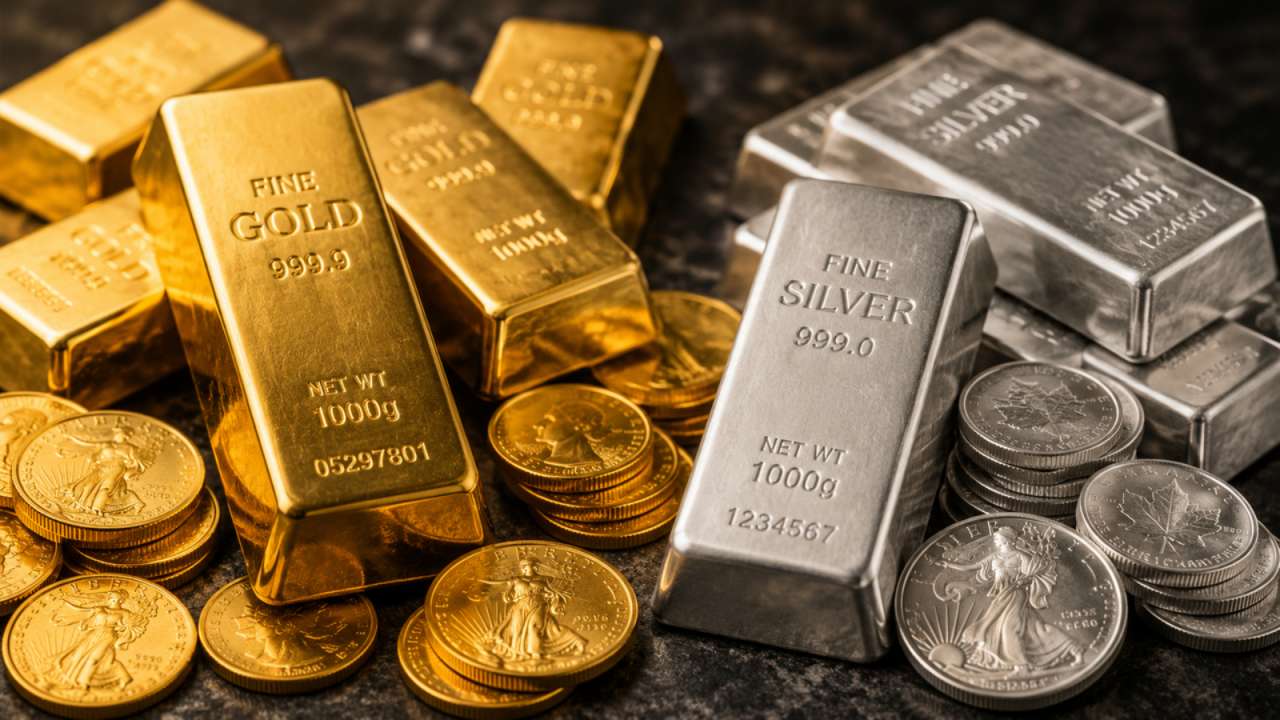
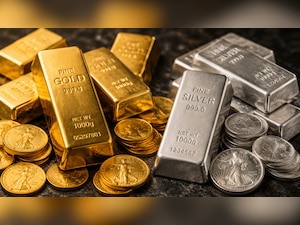
As of November 5, 2026, the Indian precious metals market is witnessing a slight upward trend in gold prices, while silver maintains robust valuations. The benchmark 24K gold (999 purity) is pegged at approximately Rs 13,888 per gram, with 22K gold (91.67% purity), preferred for jewellery, priced around Rs 12,730 per gram. Silver, specifically 999 purity, is trading at approximately Rs 200 per 10 grams (or Rs 2,00,000 per kilogram), with sterling silver (925 purity) at Rs 220 per 10 grams (or Rs 2,20,000 per kilogram). These figures underscore the continued appeal of precious metals in a fluctuating economic landscape.
The primary drivers for these valuations include elevated global inflation concerns, central bank monetary policies, the strength of the US Dollar against the Indian Rupee, and India’s inherent cultural affinity and robust demand for gold during the ongoing festive and wedding seasons.
Chronology: Recent Market Trajectories Leading to November 2026
The precious metals market in 2026 has been a tale of two halves, with the latter part of the year, particularly leading into November, witnessing renewed investor interest. The first half of 2026 saw a period of relative consolidation for gold prices, following a strong performance in late 2025. This was largely due to a hawkish stance from major central banks, particularly the US Federal Reserve, which signaled a commitment to taming inflation through sustained interest rate hikes. Higher interest rates typically make non-yielding assets like gold less attractive compared to interest-bearing instruments.
However, as Q3 2026 progressed, several factors began to shift the momentum. Lingering geopolitical tensions in Eastern Europe and the Middle East reignited safe-haven demand. Furthermore, persistent inflationary pressures, which proved more stubborn than initially anticipated by central banks, prompted investors to seek refuge in assets traditionally considered hedges against rising prices. This sentiment was exacerbated by a subtle but perceptible slowdown in global economic growth forecasts, prompting some central banks to reconsider the pace of their monetary tightening.
By early Q4 2026, the Indian festive season, encompassing festivals like Diwali and Dhanteras, began to gather momentum, historically boosting domestic demand for physical gold and silver. This seasonal surge, combined with a slight weakening of the Indian Rupee against the US Dollar in recent weeks, further contributed to the upward pressure on local prices. The cumulative effect of these global and domestic catalysts has culminated in the current price levels observed on November 5, 2026, marking a period of cautious optimism for precious metal enthusiasts.
Supporting Data: Detailed Price Breakdown Across Major Indian Cities
The prices of gold and silver in India exhibit slight variations across different cities, primarily due to transportation costs, local taxes, and regional demand patterns. The following data, sourced from market aggregators like Good Returns, provides a comprehensive overview of today’s rates.
Gold Prices on November 5, 2026: Purity and City-Wise Rates
Gold in India is primarily traded in two purities: 24K (999 pure gold) and 22K (91.67% pure gold). While 24K gold is the purest form and often preferred for investment in bars and coins, 22K gold is the standard for intricate jewellery due to its enhanced durability, a result of being alloyed with metals like copper or silver.

National Averages (Approximate):
- 24K Gold (999 Purity): Rs 13,888 per gram
- 22K Gold (91.67% Purity): Rs 12,730 per gram
City-Wise Gold Rates Today:
-
Gold Prices in Delhi:

- 24K Gold: Rs 13,903 per gram
- 22K Gold: Rs 12,745 per gram
- Note: Delhi often sees slightly higher prices due to its status as a major consumption hub and logistical factors.
-
Gold Prices in Mumbai:
- 24K Gold: Rs 13,888 per gram
- 22K Gold: Rs 12,730 per gram
- Note: Mumbai, a significant financial and trading center, often sets the benchmark for national prices.
-
Gold Prices in Kolkata:
- 24K Gold: Rs 13,888 per gram
- 22K Gold: Rs 12,730 per gram
- Note: Kolkata’s prices are generally aligned with Mumbai, reflecting national market trends.
-
Gold Prices in Chennai:

- 24K Gold: Rs 13,888 per gram
- 22K Gold: Rs 12,730 per gram
- Note: Chennai, a major hub for South Indian gold consumption, also tracks closely with national averages.
These city-specific rates underscore the slight regional variances but largely mirror the overall national trend, driven by the broader global and macroeconomic factors.
Silver Prices on November 5, 2026: Purity and City-Wise Rates
Silver, often referred to as "poor man’s gold," serves a dual purpose as both an investment metal and a crucial industrial commodity. Its prices are therefore influenced by a unique combination of investment sentiment and manufacturing demand. Two primary purities are widely tracked: 999 pure silver and 925 sterling silver. The latter, typically 92.5% silver alloyed with other metals, is widely used in jewellery and silverware due to its durability.
National Averages (Approximate):

- Silver (999 Purity): Rs 2,000 per 10 grams (Rs 2,00,000 per kilogram)
- Silver (925 Sterling): Rs 2,200 per 10 grams (Rs 2,20,000 per kilogram)
- Note: The higher price for 925 sterling silver per unit weight reflects the value added through alloying and processing for specific applications like jewellery.
City-Wise Silver Rates Today:
-
Silver Price in Delhi Today:
- Silver 999 Purity: Rs 2,000 per 10 grams
- Note: Delhi’s robust industrial and retail demand for silver contributes to stable pricing.
-
Silver Price in Mumbai Today:

- Silver 999 Purity: Rs 2,000 per 10 grams
- Note: Mumbai’s status as a trading hub ensures its silver prices are closely watched nationwide.
-
Silver Price in Kolkata Today:
- Silver 999 Purity: Rs 2,000 per 10 grams
- Note: Kolkata’s consistent demand for silver, both for industrial and ornamental purposes, aligns its prices with other major cities.
-
Silver Price in Chennai Today:
- Silver 999 Purity: Rs 2,000 per 10 grams
- Note: Chennai, a significant market for both gold and silver, maintains competitive silver pricing.
The consistent silver prices across these major metropolitan areas highlight the broad-based demand and efficient supply chains for the metal across India.

Official Responses and Expert Perspectives
The current trends in precious metals have elicited varied responses from economists, market analysts, and industry stakeholders. The consensus points towards a volatile yet fundamentally strong market for gold and silver, particularly in the Indian context.
Dr. Alok Sharma, Chief Economist at Zenith Capital India, commented on the broader economic environment: "The sustained inflationary pressures globally, coupled with a cautious outlook on economic growth, are creating a fertile ground for safe-haven assets. Central banks are in a tight spot, balancing inflation control with economic stability. This uncertainty naturally pushes investors towards gold. We are observing a classic flight to quality, where gold acts as a reliable store of value when traditional financial markets exhibit volatility."
Regarding silver, Ms. Priya Singh, a Senior Commodity Strategist at Global Insights Research, emphasized its dual nature: "Silver’s performance is intrinsically linked to both investment sentiment and industrial activity. While it benefits from the same safe-haven appeal as gold, its significant use in solar panels, electronics, and electric vehicles means that global manufacturing output and technological advancements play a huge role. The current stability in silver prices, despite industrial slowdown concerns in some regions, suggests resilient demand from green technologies and a strong investment base."

From an industry perspective, Mr. Rajesh Mehta, President of the Indian Bullion and Jewellers Association (IBJA), highlighted the domestic scenario: "India’s festive season demand is a perennial driver for gold and silver. Despite higher prices, the cultural significance of these metals, especially for weddings and auspicious occasions, ensures robust local consumption. While the higher price point might deter some discretionary buying, committed purchases for life events remain strong. The industry is adapting by offering lighter jewellery designs and attractive schemes to maintain consumer engagement."
He further added, "The volatility in the Indian Rupee against the US Dollar is a significant factor for local pricing. A weaker Rupee makes imports more expensive, directly impacting the domestic cost of gold and silver. We continuously monitor these currency movements to advise our members and consumers."
These expert opinions underscore the multifaceted influences on precious metal prices, ranging from global macroeconomics to specific industrial applications and deep-rooted cultural practices.

Implications: Impact on Consumers, Investors, and the Economy
The current price levels and market dynamics for gold and silver have far-reaching implications across various segments of the Indian populace and economy.
For Consumers: Balancing Tradition and Affordability
For the average Indian consumer, particularly during the ongoing festive and wedding seasons, the elevated gold and silver prices present a mixed bag. On one hand, the cultural imperative to purchase precious metals for auspicious occasions and as part of dowries remains strong. This ingrained tradition ensures a baseline demand that is somewhat inelastic to price fluctuations. On the other hand, higher prices inevitably strain household budgets, leading some to opt for lighter jewellery, smaller purchases, or even postpone non-essential acquisitions. The significant price of 22K gold at over Rs 12,700 per gram means even a small piece of jewellery represents a substantial investment. For silver, while more affordable, the per-kilogram rate of Rs 2,00,000 still makes bulk purchases a considerable expenditure. This delicate balance between tradition and affordability shapes consumer behavior significantly.
For Investors: Safe Haven and Diversification
For investors, both retail and institutional, gold and silver continue to serve as crucial components for portfolio diversification. In an environment characterized by inflationary pressures and global economic uncertainties, precious metals are often viewed as a "safe haven" asset class.

- Inflation Hedge: Gold, in particular, has historically demonstrated its ability to preserve purchasing power during periods of high inflation, making it an attractive asset for investors worried about the erosion of currency value.
- Geopolitical Risk Hedge: The ongoing global geopolitical tensions contribute to gold’s appeal as a safe haven, offering a refuge when traditional equity markets face turbulence.
- Portfolio Diversification: Adding precious metals can reduce overall portfolio volatility, as their price movements often have a low correlation with other asset classes like stocks and bonds.
- Silver’s Unique Appeal: Silver offers a dual advantage. While it acts as a safe haven like gold, its industrial demand provides an additional layer of price support and potential upside, especially with the global push towards green energy and advanced electronics. Investors seeking higher beta (more volatile but potentially higher return) exposure within precious metals often favor silver.
For the Jewellery Industry: Challenges and Innovation
The Indian jewellery industry, a significant employer and exporter, faces both challenges and opportunities. Higher raw material costs (gold and silver) can squeeze profit margins if not effectively passed on to consumers. This necessitates innovative strategies:
- Design Innovation: Jewellers are increasingly focusing on intricate, lighter designs that offer aesthetic appeal without requiring large quantities of metal, making them more accessible to price-sensitive consumers.
- Technology Adoption: Leveraging advanced manufacturing techniques to minimize wastage and improve efficiency is crucial for cost control.
- Retail Strategies: Offering instalment plans, exchange schemes, and promoting hallmarked jewellery to build consumer trust are vital in a competitive and price-sensitive market.
- Ethical Sourcing: Growing consumer awareness about ethical sourcing and sustainable practices is also influencing the industry, pushing for greater transparency in the supply chain.
Broader Economic Impact: India’s Import Bill and Policy Responses
India is one of the world’s largest importers of gold, making its price movements and import volumes a critical factor in the nation’s balance of payments.
- Import Bill: High gold prices, coupled with robust domestic demand, can significantly inflate India’s import bill, putting pressure on the current account deficit and potentially weakening the Rupee further.
- Government Policies: The Indian government has historically used various policy levers, such as import duties and schemes like the Sovereign Gold Bond (SGB), to manage gold imports and channel domestic savings into financial instruments rather than physical gold. The current price scenario may prompt a review of these policies to manage economic stability.
- Informal Market: Elevated official prices can sometimes fuel the informal market for gold, posing challenges for revenue collection and regulatory oversight.
Outlook: A Cautiously Optimistic Future
Looking ahead, the precious metals market is expected to remain influenced by the same fundamental factors. Global inflation, central bank policies, geopolitical stability, and the strength of the US Dollar will continue to dictate international prices. Domestically, India’s cultural demand, particularly leading into the remainder of the wedding season and early 2027, will provide a strong floor for local prices.

While short-term volatility is always a possibility, the long-term outlook for gold and silver appears cautiously optimistic. As central banks potentially pivot towards more accommodative monetary policies in the face of slowing growth, and as industrial demand for silver continues to grow from green technologies, both metals are likely to retain their allure as valuable assets in a dynamic global economy. Investors and consumers alike are advised to remain informed and make decisions based on their individual financial goals and risk tolerance.
Find your daily dose of All Latest News including Sports News, Entertainment News, Lifestyle News, explainers & more. Stay updated, Stay informed- Follow DNA on WhatsApp.