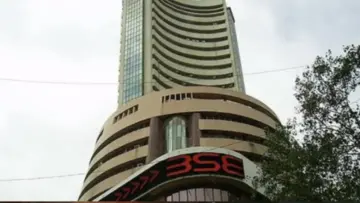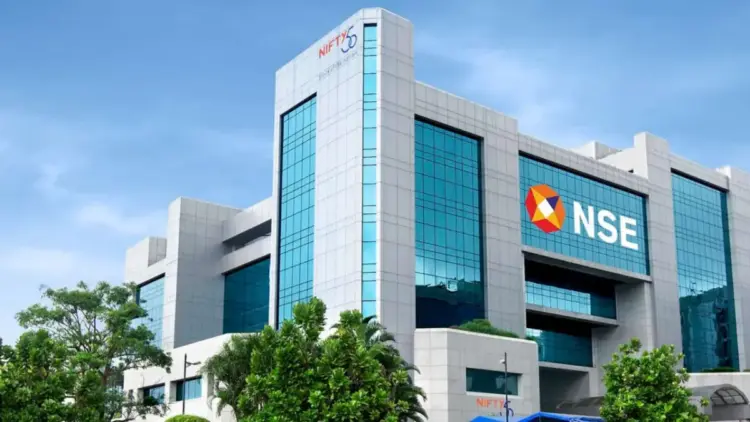
Mumbai, India – As the nation prepares to illuminate its homes and hearts with the festive glow of Diwali, India’s premier financial exchanges – the Bombay Stock Exchange (BSE), the National Stock Exchange (NSE), and the Multi Commodity Exchange (MCX) – are set to uphold a cherished tradition. On Sunday, November 8, these bustling marketplaces will observe their annual Muhurat Trading session, a symbolic hour of trading that heralds the beginning of Samvat 2083, the new Hindu financial year. From 2:20 PM to 3:30 PM, investors will engage in this auspicious session, seeking prosperity and auspicious beginnings for the year ahead.
This year’s Muhurat Trading holds particular significance, falling on a Sunday, a day typically reserved for market repose. This deviation from the regular Monday-to-Friday trading schedule underscores the profound cultural and traditional importance attached to this singular event. Unlike the standard equity trading hours that span from 9:15 AM to 3:30 PM on weekdays, this special one-hour window is a unique opportunity for market participants to make symbolic investments, traditionally believed to bring good fortune and robust returns in the coming Samvat. The tradition, deeply embedded in India’s financial ethos, serves as a poignant reminder of the intricate blend of ancient customs and modern commerce that defines the nation’s economic landscape.

A Rich Tapestry of Tradition: The Chronology of Muhurat Trading
The practice of Muhurat Trading is not merely a modern market quirk but a venerable tradition deeply rooted in India’s financial history and cultural fabric. Its evolution reflects the journey of India’s capital markets from nascent, regional bourses to globally recognized financial powerhouses.
Roots in the Bombay Stock Exchange (BSE)
The tradition of Muhurat Trading traces its origins back to the Bombay Stock Exchange (BSE), Asia’s oldest stock exchange, established in 1875. The special session formally began at the BSE in 1957. In those nascent years of India’s independent financial markets, trading was a more personal, hands-on affair, often conducted on physical trading floors. Brokers, primarily from the Gujarati and Marwari business communities, who historically place great emphasis on auspicious timings and religious observances, would gather for Chopda Pujan. This ritual involved the worship of account books, or ‘chopdas’, to mark the commencement of a new financial year, seeking blessings from Goddess Lakshmi for wealth and prosperity. The Muhurat session was an extension of this belief, providing an auspicious window to make the first trades of the new year. It was a time when business was intertwined with faith, and every financial decision carried a spiritual undertone. The limited trading window was also practical, allowing brokers and investors to participate in family Diwali celebrations while still fulfilling their professional and traditional obligations.

National Adoption and Modernization
The practice gained broader national prominence and formality with the advent of the National Stock Exchange (NSE) in 1992. As India liberalized its economy and modernized its financial infrastructure, the NSE, with its fully automated screen-based trading system, quickly became a dominant force. Recognizing the cultural significance and investor appeal of Muhurat Trading, the NSE adopted the tradition, further cementing its place in the national financial calendar. This adoption marked a crucial point where an age-old custom seamlessly integrated into a technologically advanced trading environment. The transition from physical trading rings to electronic platforms did not diminish the spiritual importance of the session; rather, it made it accessible to a wider array of investors across the country. Over the decades, the Muhurat session has evolved, adapting to changing market dynamics and regulatory frameworks, yet its core essence – a blend of financial activity and cultural reverence – has remained steadfast.
Continuity and Cultural Resonance
Today, Muhurat Trading stands as a testament to the enduring power of tradition in a rapidly globalizing financial world. It serves as a unique cultural anchor, distinguishing Indian markets from their global counterparts. While the volumes traded during this short session are often lower compared to regular trading days, the symbolic significance far outweighs the transactional metrics. It’s a day when novice investors often make their first foray into the stock market, guided by the belief in auspicious beginnings. For seasoned investors, it’s a moment to reaffirm their commitment to long-term wealth creation, often purchasing stocks they believe will perform well in the coming year. The session is traditionally held alongside Lakshmi Puja, the main Diwali worship, reinforcing the intertwined nature of spirituality and wealth generation in the Indian psyche. This annual event continues to reinforce the deep cultural resonance that financial markets hold within India, making it more than just a place for transactions, but a space where aspirations for prosperity are symbolically initiated.

Decoding the Schedules: Supporting Data and Operational Insights
The smooth execution of Muhurat Trading, despite its abbreviated nature, requires meticulous planning and precise scheduling by the exchanges. Each segment of the market—equities, derivatives, commodities, and special categories like IPOs—has specific timings designed to ensure fair price discovery and orderly trading.
BSE and NSE: Equity and Derivatives Markets
For the core equity and derivatives segments, the BSE and NSE have synchronized their schedules to provide a cohesive trading experience. The pre-open session, a crucial phase for price discovery before continuous trading begins, is scheduled to commence at 2:05 PM. During this period, investors are allowed to place limit and market orders until 2:10 PM. This five-minute window is critical for gauging initial market sentiment and establishing equilibrium prices. From 2:10 PM to 2:15 PM, only limit orders will be accepted, allowing for fine-tuning of order books.

The subsequent phase, from 2:15 PM to 2:17 PM, is dedicated to order matching and confirmation. This is where the pre-open orders are executed, determining the opening prices for various securities. A brief buffer period then follows until 2:20 PM, ensuring all systems are aligned before continuous trading commences. The main trading window will then open precisely at 2:20 PM and conclude at 3:30 PM. This one-hour continuous trading session operates under the same rules as regular market days, allowing investors to buy and sell securities freely. Furthermore, both exchanges have meticulously laid out separate schedules for closing-auction activities during this condensed session, ensuring a fair and transparent closing price mechanism. These micro-timings are essential for managing liquidity, preventing abnormal price swings, and ensuring market integrity, even within such a short operational window.
MCX: The Commodity Pulse
Not to be outdone, the Multi Commodity Exchange (MCX), India’s leading commodity derivatives exchange, will also host its special Diwali trading session on November 8. MCX’s special session will run from 2:05 PM to 2:19 PM, with its main trading window mirroring the equity exchanges from 2:20 PM to 3:30 PM. This inclusion of commodities underscores the broad-based appeal of Muhurat Trading across all asset classes. The exchange has confirmed that contracts across all commodities and indices will be available for trading during this session. This means traders in gold, silver, crude oil, natural gas, and various agricultural commodities will also have the opportunity to make their auspicious trades. The participation of MCX highlights the holistic approach to wealth creation that Diwali signifies, encompassing not just financial instruments but also physical assets and raw materials.

Navigating Special Segments: IPOs and Periodic Call Auctions
Recognizing the distinct needs of certain market segments, the BSE has announced separate, tailored schedules. Securities eligible for the special pre-open session, which typically includes Initial Public Offerings (IPOs) and relisted stocks, will have a longer order entry window. For these securities, order entry will begin at 2:05 PM and continue until 2:50 PM. This extended period is crucial for allowing sufficient time for price discovery in less liquid or newly introduced securities. This will be followed by order matching from 2:50 PM to 3:05 PM, with continuous trading then taking place between 3:05 PM and 3:30 PM.
Similarly, for stocks traded under the periodic call auction mechanism—a method often used for illiquid securities to ensure fair price discovery by batching orders—a specific schedule has been outlined. Order entry for these stocks will be allowed from 2:25 PM to 3:10 PM. Matching will then occur between 3:10 PM and 3:20 PM. The closing-auction process for these securities is scheduled to begin at 3:15 PM, with reference price calculations and further order entry and matching activities continuing until 3:35 PM. The BSE has clarified that the closing reference price for eligible securities in these special segments will be calculated using the Volume-Weighted Average Price (VWAP) of trades carried out between 3 PM and 3:15 PM. These specialized timings underscore the exchanges’ commitment to maintaining market fairness and efficiency across all segments, regardless of the trading session’s duration.

Investor Sentiment and Market Dynamics
Historically, Muhurat Trading sessions, while highly symbolic, often see lower trading volumes compared to regular days. However, the sentiment is typically positive, driven by the festive cheer and the belief in an auspicious start. Retail investors tend to be more active, driven by traditional beliefs, often making small, symbolic purchases. Institutional investors, while participating, often do so with a more measured approach, perhaps rebalancing portfolios or making strategic long-term buys rather than engaging in high-volume, short-term trades. The concept of "Shubh Lagan" (auspicious moment) plays a significant psychological role, encouraging participation even from those who might not be regular market players. While the session rarely dictates the broader market trend for the entire Samvat, a positive start is generally seen as a good omen, boosting overall market morale and investor confidence for the financial year ahead.
Official Directives and Market Safeguards: Official Responses
The conduct of special trading sessions like Muhurat Trading is governed by stringent official directives issued by the exchanges and overseen by regulatory bodies, primarily SEBI (Securities and Exchange Board of India). These directives are designed to ensure transparency, market integrity, and investor protection.

Exchange Circulars and Guidelines
Prior to the Muhurat Trading session, both the BSE and NSE, along with MCX, issue detailed circulars outlining the precise schedules, rules, and procedures. These circulars are essential official responses to market participants, providing clear guidance on how the special session will operate. They cover every aspect, from pre-open timings and order types to settlement procedures and the handling of various market segments. The clarity and comprehensiveness of these communications are paramount, ensuring that brokers, institutional investors, and retail traders are fully aware of the operational framework for this unique trading window. These official announcements reflect the exchanges’ commitment to maintaining a well-regulated and predictable trading environment, even during a traditionally driven event. Furthermore, the constant vigilance and oversight by regulatory bodies like SEBI ensure that all rules are adhered to and that no market manipulation or unfair practices occur during the session.
Ensuring Fair Play: Settlement Mechanisms
A crucial aspect of any trading session, including Muhurat Trading, is the settlement of trades. The exchanges have confirmed that trades carried out during this special session will lead to settlement obligations under the applicable exchange rules. Specifically, according to an NSE circular, T+1 settlement rules will apply. This means that trades executed on Sunday, November 8, will be settled on the next trading day, Monday, November 9. An important provision for investors is the ability to cancel or modify T+1 trades until 5 PM on the settlement day. This flexibility is a standard market safeguard, allowing for adjustments in case of errors or unforeseen circumstances.

These settlement rules are not merely procedural; they are fundamental to maintaining market integrity and investor confidence. They ensure that all transactions are honored promptly and efficiently, reducing counterparty risk and fostering trust in the system. The operational readiness of clearing corporations, which facilitate the settlement process, is therefore critical. Their ability to seamlessly integrate the Muhurat Trading session’s transactions into the broader settlement cycle underscores the robustness of India’s financial infrastructure. Investors are strongly advised to keep these settlement requirements in mind while placing orders, as all trades, despite the session’s symbolic nature, carry real financial obligations.
Statements from Exchange Officials
While specific quotes from exchange officials for this particular year’s Muhurat Trading might not be available in the provided text, it is standard practice for market spokespersons or senior officials to emphasize the importance of this session. Generally, their statements focus on upholding the rich tradition of Muhurat Trading while ensuring that it operates within the modern framework of market efficiency, transparency, and security. They often highlight the seamless integration of technology with tradition, ensuring a smooth and secure trading experience for all participants. The emphasis is always on providing a level playing field, protecting investor interests, and contributing to the overall stability and growth of the Indian capital markets. These official responses serve to reassure the market and underscore the institutional commitment to preserving this unique annual event.

Broader Implications: Beyond the One-Hour Window
The Muhurat Trading session, while brief, carries significant implications that extend far beyond its one-hour duration, touching upon economic sentiment, cultural identity, and the future trajectory of India’s financial markets.
Economic and Cultural Significance
The annual Muhurat Trading session is a powerful reaffirmation of India’s unique blend of tradition and modernity in its financial practices. It’s a testament to how deep-seated cultural beliefs can coexist and thrive within a sophisticated, technology-driven market environment. The symbolic launch of Samvat 2083 through this auspicious session is often seen as a hopeful indicator for the broader economy. A positive start, even if in a limited window, can boost investor confidence and market morale, signaling optimism for the coming financial year. It reinforces the cultural narrative that links prosperity with righteous beginnings and sustained effort, contributing to a sense of collective optimism that can subtly influence economic behavior. For many, investing on Diwali is not just about financial returns, but about participating in a national ritual of prosperity, making it a culturally significant event that transcends mere transaction.

Opportunities and Risks for Investors
For investors, Muhurat Trading presents both unique opportunities and specific risks. The primary opportunity lies in making symbolic "first buys" for the new Samvat, often driven by the belief in auspiciousness. Many use this session to initiate long-term investments, add to their core portfolio, or purchase "blue-chip" stocks that they believe will bring steady returns. It’s also an opportunity for new investors to enter the market in a festive and encouraging environment. However, investors must also be mindful of the potential risks. Due to the limited trading window and high sentiment, there can be increased volatility and wider bid-ask spreads for certain securities. Liquidity might also be constrained for less actively traded stocks. Therefore, while the festive spirit is high, investors are still advised to exercise due diligence, conduct thorough research, and place orders wisely, keeping their financial goals and risk tolerance in mind. The excitement of the moment should not overshadow sound investment principles.
The Future of Muhurat Trading
As India’s financial markets continue to evolve at a rapid pace, driven by technological advancements, digital penetration, and a growing investor base, the future of Muhurat Trading remains an intriguing prospect. Will its symbolic importance continue to outweigh its transactional volume? It is highly likely that this tradition will endure, adapting further to new technologies. The integration with fintech platforms, mobile trading apps, and perhaps even blockchain-based systems could make the session even more accessible to a broader demographic. While algorithmic trading and high-frequency trading typically thrive on speed and volume, the Muhurat session, with its short duration and often sentiment-driven trades, presents a unique challenge and opportunity for these advanced systems to adapt. Ultimately, Muhurat Trading is more than just an hour of trading; it’s a cultural anchor in the Indian financial landscape, a cherished ritual that reminds us of the profound connections between our traditions, our aspirations, and our economic future. As Samvat 2083 dawns, the financial markets will once again echo with the hopes and dreams of a nation seeking prosperity and growth.