ANTALYA, TÜRKIYE – As delegates convene for the United Nations climate summit (COP31), the global energy landscape stands at a critical crossroads. The convergence of geopolitical instability, volatile commodity markets, and the accelerating climate crisis has transformed the transition to clean energy from a purely environmental obligation into a cornerstone of national security and economic survival. For developing nations like India, the stakes have never been higher, as they attempt to decouple economic growth from fossil fuel dependency while navigating the complex trade-offs of a "just transition."
I. Main Facts: The End of the Fossil Fuel Strategic Buffer
The primary catalyst for the current global discourse is the realization that an economy built on imported fossil fuels is fundamentally fragile. Recent conflicts—most notably the disruptive wars affecting global energy corridors and the ongoing crisis in Iran—have exposed the structural vulnerabilities of nations reliant on external oil and gas supplies. When shipping routes are threatened or pipelines are shut down, the ripple effects are immediate: transport costs surge, electricity prices spike, and food inflation follows, often destabilizing public finances in the process.
For the Global South, this is not a temporary setback but a systemic risk. The strategic case for domestic renewable energy—primarily solar and wind—is predicated on the fact that these resources are "borderless." Once the infrastructure is established, the fuel (sunlight and wind) is free and immune to geopolitical blockades. However, as COP31 delegates are highlighting, energy security is not synonymous with a just transition. A shift that replaces oil dependency with a dependency on critical minerals, or one that pits energy production against food security, risks creating a new set of crises.
Key Takeaways from the COP31 Opening Sessions:

- Energy as Sovereignty: Renewable energy is increasingly viewed as a tool for "strategic autonomy" rather than just a carbon-reduction mechanism.
- The 2026 Emission Paradox: While fossil fuel CO2 emissions are projected to dip slightly, the decline is driven by economic shocks rather than structural shifts.
- The Financial Barrier: High borrowing costs remain the single largest obstacle for developing nations attempting to build out green infrastructure.
II. Chronology: From Price Shocks to Policy Shifts (2010–2026)
The journey to the current impasse at COP31 has been marked by a decade of rapid technological growth clashing with entrenched geopolitical realities.
- 2010–2020: The Foundation of Renewables. India and other developing economies began aggressive bidding for solar and wind projects. During this decade, India added significant capacity, which the International Energy Agency (IEA) estimates saved the country over $100 billion in avoided fossil fuel imports.
- 2021–2023: The Post-Pandemic Volatility. As the global economy reopened, energy demand outstripped supply. The outbreak of major conflicts in Eastern Europe and the Middle East sent oil and gas prices to record highs, forcing many nations to reconsider the speed of their energy transitions.
- 2024–2025: The Infrastructure Bottleneck. In India, the limits of the current grid became apparent. By the 2025-26 fiscal year, energy analysts noted that nearly 2.1 terawatt-hours of renewable electricity were "curtailed" (wasted) because the existing coal-heavy grid could not flex enough to accommodate surges in solar and wind power.
- November 10, 2026: The Global Carbon Budget Release. Just days before COP31, the Global Carbon Budget office released its annual report, showing a projected 0.4% decrease in fossil CO2 emissions for 2026—a figure tempered by the fact that coal emissions actually rose by 0.6% during the same period.
- November 2026: COP31 in Antalya. World leaders gathered in Türkiye to finalize the "Antalya Roadmap," aiming to bridge the gap between energy security and climate finance.
III. Supporting Data: A Deep Dive into Emissions and Economics
The 2026 Global Carbon Budget provides a sobering look at the reality of the transition. Total CO2 emissions, including land-use changes, are expected to reach 43.3 billion tonnes, up from 42.8 billion tonnes the previous year.
The Indian Context: Growth vs. Greening
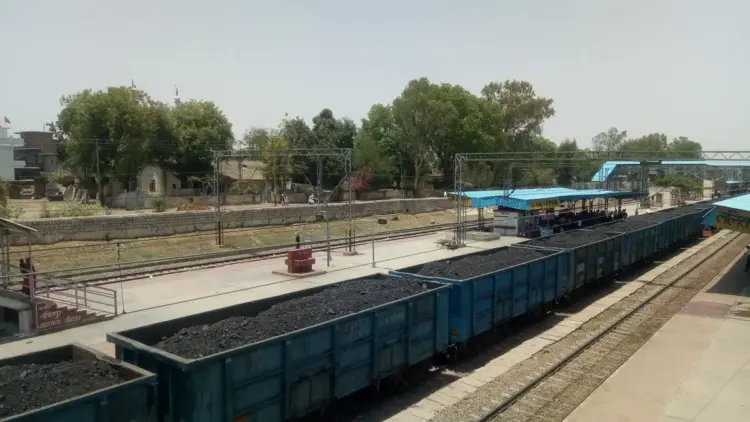
India’s energy profile remains a study in contradictions. While the country has successfully integrated renewables to the point where they provide 25% of its electricity (exceeding 500 terawatt-hours in 2025), its total fossil fuel emissions are expected to rise by 4.4% in 2026. This increase is driven by a 5.9% surge in coal consumption, necessitated by the country’s massive industrial expansion and cooling needs.
The Economic Impact of Ethanol Blending:
India’s pursuit of energy independence has seen a massive push for ethanol blending. The Economic Survey 2025-26 highlights several key figures:

- Foreign Exchange Savings: Over ₹1.44 trillion saved by August 2025.
- Crude Oil Substitution: 24.5 million metric tonnes replaced by ethanol.
- Feedstock Composition: Sugarcane remains the dominant source (62%), but maize has surged to 20%, with rice and damaged grains making up the remainder.
The Efficiency Gap
A study published in Nature Climate Change suggests that while solar, wind, and electric vehicles (EVs) could offset 64% to 79% of the emissions from rising energy demand through 2028, the remaining gap is filled by coal and gas. In India, the "after-dark" challenge remains: solar power is abundant during the day, but peak demand often occurs after sunset when cooling needs remain high, forcing the grid to rely on its aging coal fleet.
IV. Official Responses: Perspectives from the Frontlines
The discourse at COP31 has been shaped by sharp warnings from scientists and pragmatic demands from policy experts.
Pierre Friedlingstein, Director of the Global Carbon Budget Office:
"A decline in fossil CO2 emissions is encouraging, but a reduction driven partly by geopolitical shocks is not a sustainable climate solution. A lasting decline requires countries to replace fossil fuels, not simply use less of them because they have become expensive."
Neshwin Rodrigues, Senior Energy Analyst at Ember:
Rodrigues emphasizes that the technical limitations of the power grid are now the primary barrier. "Coal’s remaining hold is after dark. India needs storage and a more flexible grid to use renewable power when demand is highest. The operating requirements of its coal fleet cannot be allowed to dictate the pace of the transition."

Karthik Ganesan, Fellow at the Council on Energy, Environment and Water (CEEW):
Ganesan raises the alarm on the hidden costs of biofuel-based energy security. "The costs of blending go beyond just the procurement of inputs. The full cost includes public support for agriculture, water use, and the opportunity cost of land that could grow other crops."
The Indian Delegation at COP31:
Indian representatives have consistently maintained that "predictable climate finance" is a prerequisite for any further acceleration of targets. They argue that the Global North must provide low-cost capital to offset the high interest rates that currently plague green projects in the Global South.
V. Implications: The Road Ahead After Antalya
The conclusions drawn at COP31 will reverberate through the global economy for the next decade. Several critical implications have emerged from the summit’s deliberations:
1. The "Food vs. Fuel" Dilemma
As India and other nations ramp up ethanol production, the competition for land and water will intensify. The diversion of maize and rice toward fuel production could lead to "creeping food insecurity." If cultivation patterns do not evolve, the pursuit of energy security might inadvertently trigger a domestic agricultural crisis, especially in water-stressed regions.

2. The Storage and Grid Modernization Imperative
Adding more solar panels is no longer enough. The next phase of the transition requires massive investment in Battery Energy Storage Systems (BESS) and "smart grids" that can handle the variability of renewables. Without this, trillions of dollars in clean energy investment will be wasted through curtailment.
3. De-risking the Global South
The "cost of independence" is currently too high for many developing nations. While the technology for a clean transition exists, the financial architecture does not. COP31 has made it clear that unless international financial institutions (like the World Bank and IMF) reform to provide lower-cost loans for green infrastructure, the Global South will remain tethered to coal out of sheer economic necessity.
4. Industrial Decarbonization
The transition must move beyond the power sector. Hard-to-abate industries like steel and cement, which currently rely on coal and natural gas, represent the next frontier. The shift to green hydrogen and deep electrification of industrial processes will be the true measure of whether an economy has decoupled from fossil fuels.
Conclusion:
The energy crisis has provided a "powerful reason" for governments to act, but as the Antalya summit concludes, the message is clear: a transition driven by fear of war is not the same as a transition driven by a vision for equity. For India and its peers, the goal is to build a system that is not only cleaner and more secure but also fundamentally fairer for the millions of consumers who cannot afford the volatility of the old world or the high costs of the new one.