In an era saturated with choice and digital connectivity, the allure of aesthetics has transcended mere decoration to become a cornerstone of modern marketing. Consumers today are not just seeking functional products or competitive prices; they are actively curating their lives through brands that resonate with their identity, evoke emotion, and provide a sense of social validation. This paradigm shift, driven by digital revolutions and evolving consumer psychology, has propelled visual appeal from a supplementary element to a primary driver of purchasing decisions.
The Digital Crucible: Forging a New Consumer Landscape
The 21st century has witnessed a seismic transformation in how consumers interact with the marketplace. The advent of digital technology has irrevocably altered the retail ecosystem, ushering in an era of unprecedented connectivity and convenience. From the tactile experience of brick-and-mortar stores to the seamless transactions of e-commerce, the journey of a product from manufacturer to consumer has been fundamentally re-engineered. Today, the retail landscape is a complex tapestry woven with threads of artificial intelligence that personalize recommendations, social commerce platforms that facilitate direct purchasing within social feeds, mobile shopping that places the store in the palm of one’s hand, and the nascent, yet rapidly evolving, metaverse that promises immersive brand experiences.

Amidst this intricate web of algorithms, data analytics, and hyper-personalized marketing strategies, a seemingly timeless element has experienced a powerful resurgence: beauty. Aestheticism in marketing is no longer a fleeting trend or a niche concern for luxury brands. It has firmly established itself as a central tenet in how consumers perceive, engage with, and ultimately choose the brands that populate their lives. This is not merely about attractive packaging; it is about the holistic visual and sensory experience a brand offers, from its digital footprint to its physical presence.

Beyond Utility: The Emotional and Social Currency of Consumption
The traditional consumer calculus, where price and quality served as the paramount decision-making factors, has been significantly recalibrated. Modern consumers, particularly younger generations, are increasingly motivated by factors that extend far beyond the purely utilitarian. They seek brands that act as extensions of their own identities, that provide emotional gratification, and that confer a sense of social validation within their chosen communities. In a marketplace teeming with an overwhelming array of options, products are no longer just functional items; they are potent symbols of lifestyle, aspirations, and personal values.

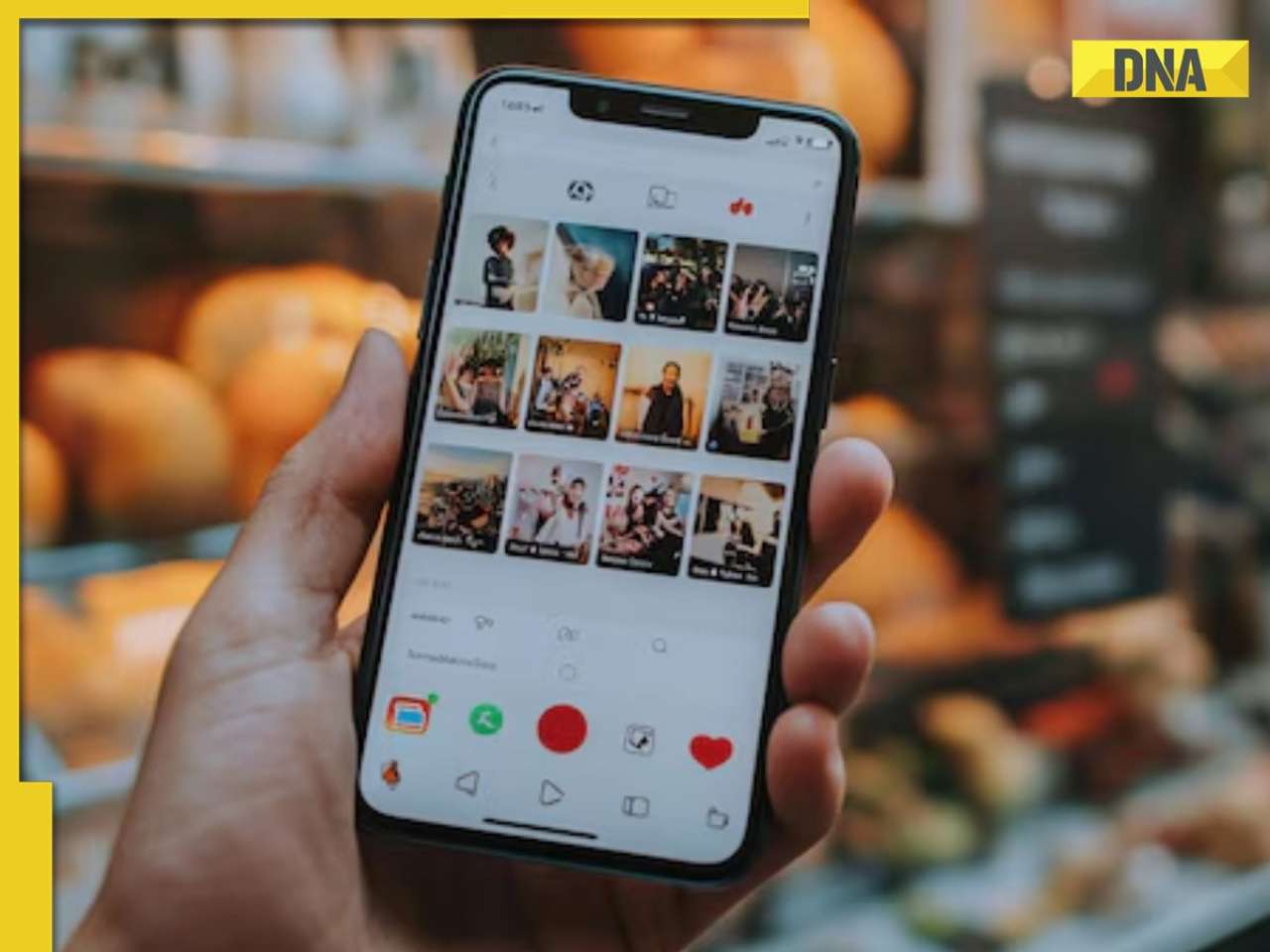
Generation Z, in particular, has emerged as a demographic profoundly influenced by the visual narratives disseminated across social media platforms. Platforms like Instagram, with its emphasis on curated imagery, and TikTok, with its dynamic video content, have fundamentally reshaped consumer psychology. Products are increasingly viewed and marketed as social signifiers. A café is selected not just for its coffee, but for its "Instagrammable" ambiance. Skincare products are chosen for their elegant shelf appeal, a visual statement of self-care. Even technology products are evaluated not only for their performance but for their aesthetic harmony and how well they integrate into a desired lifestyle. This demonstrates a profound shift where the visual presentation and the emotional resonance it evokes are as, if not more, important than the product’s core functionality.

The Rise of Aesthetic Marketing: A Philosophical Evolution
The concept of aestheticism, the appreciation of beauty for its own sake, has roots stretching back to the 19th century, famously articulated by thinkers like Oscar Wilde, who posited that "the art that is frankly decorative is the art to live with." This philosophy, once confined to the realms of fine art and design, has now permeated the commercial sphere with remarkable efficacy. Today, aestheticism has expanded its influence to encompass branding, product packaging, retail environments, and the digital experiences that brands curate for their audiences.

Visual appeal is no longer an afterthought or a superficial layer applied to a product. It has become, in many instances, the initial and most potent argument a brand makes to a consumer. Companies are increasingly investing in designing products and crafting experiences that are deliberately "aesthetic." This deliberate cultivation of visual desirability stems from a deep understanding that appearance profoundly influences perception, desirability, and ultimately, consumer loyalty. The emphasis is on creating a cohesive and appealing visual language that resonates with the target audience’s sensibilities and aspirations.

Global Pioneers and Local Innovators: Embracing the Aesthetic Imperative
Numerous global and Indian brands have adeptly navigated and capitalized on this aesthetic-driven marketing trend. Apple, for instance, has masterfully transformed minimalism into a powerful and instantly recognizable brand identity, where the clean lines and elegant design of its products speak volumes about its ethos. Glossier, a digital-native beauty brand, built its empire on a pastel-toned, understated aesthetic that fostered a sense of approachable luxury and community. Airbnb, in its pursuit of unique travel experiences, actively promotes and rewards visually attractive, "Instagrammable" spaces, effectively turning its hosts into visual storytellers and its guests into enthusiastic brand advocates.

Within the Indian market, brands like Forest Essentials and Qua have successfully merged traditional Indian aesthetics with aspirational lifestyle narratives, creating products that are as much objets d’art as they are functional goods. Re-Ceremonial has similarly carved a niche by blending heritage craftsmanship with modern design sensibilities. Direct-to-consumer (D2C) brands such as boAt, known for its audio accessories, and The Souled Store, offering pop culture-inspired apparel, leverage visually dynamic branding and engaging social media content to forge strong connections with younger, digitally savvy consumers.

The impact of aesthetics is also profoundly evident in the hospitality and food service sectors. Cafés, boutique hotels, and lifestyle restaurants now place an immense emphasis on ambience and "photo-worthiness." These establishments recognize that the visual appeal of their spaces and offerings can transform customers into active brand promoters, eager to share their experiences on social media. This organic user-generated content, fueled by aesthetic appeal, serves as powerful and authentic marketing, amplifying brand reach and desirability.

Fashion, Identity, and the Currency of Cultural Capital
The fashion industry, inherently driven by visual expression, serves as a potent microcosm of the broader aesthetic shift. Brands like Sabyasachi Mukherjee have elevated fashion to an art form, seamlessly blending rich heritage craftsmanship with cinematic storytelling. His designs are not merely garments; they are imbued with cultural capital, transforming traditional Indian aesthetics into aspirational global statements.

Weddings, a significant cultural event in India, have also undergone a transformation, with an increasing emphasis on digital visibility. The décor, attire, and overall visual coherence of a wedding are meticulously curated for maximum impact on social media platforms. This reflects a broader societal trend where visibility itself has become a form of currency in the modern attention economy. Products and experiences are increasingly expected to align with curated lifestyles, effectively communicating aspiration, social class, and a sense of belonging to particular communities. The aesthetic presentation of one’s life, both online and offline, has become a crucial element of personal branding and social navigation.

The Ethical Undercurrents: Beauty, Substance, and Inclusivity
While the ascendancy of aesthetic marketing has undeniably enriched the consumer experience and offered new avenues for brand differentiation, it also raises significant ethical considerations. A paramount concern is whether the relentless pursuit of beauty might inadvertently overshadow genuine substance and quality. Can an overemphasis on visual appeal manipulate consumers into prioritizing superficial attractiveness over the intrinsic value and longevity of a product or service?

Many industries are increasingly blurring the lines between authentic value and manufactured desirability. The constant barrage of perfectly curated imagery can create unrealistic expectations and foster a culture of disposability, where items are valued more for their temporary aesthetic appeal than their durability or ethical production. Furthermore, there is a growing concern that narrow, often Western-centric, definitions of beauty can inadvertently marginalize individuals from diverse backgrounds, encompassing differences in class, ethnicity, body type, and economic status.

Brands that embrace aesthetic marketing face the critical challenge of ensuring that their pursuit of visual appeal is not at the expense of inclusivity and representation. The aspiration should be to foster a broader and more diverse understanding of beauty, one that celebrates individuality and avoids perpetuating exclusionary standards. This requires a conscious effort to integrate diverse perspectives into design, marketing, and brand messaging, ensuring that aesthetic appeal resonates with a wider spectrum of consumers.

The Enduring Power of Beauty: More Than Just Decoration
The pervasive rise of aestheticism in marketing is not merely a transient commercial trend; it is a reflection of a deeper, more profound human desire for meaningful and emotionally rich experiences. In an increasingly complex and often overwhelming world, beauty offers a powerful pathway to emotional connection and simplified decision-making. It transforms the mundane act of consumption into a memorable and enjoyable experience, imbuing everyday objects and interactions with a sense of delight and aspiration.

In our hyper-digital, choice-saturated reality, aesthetics serve as an intuitive guide, resonating with consumers on an emotional level and forging connections that transcend mere transactional relationships. Beauty in commerce is no longer an optional embellishment; it has evolved into a fundamental expectation that shapes how consumers perceive, interact with, and ultimately connect with the brands that shape their world. It is a cultural force, a strategic imperative, a performative act, and a profoundly economic driver that will continue to define the landscape of consumer desire for the foreseeable future. The aesthetic ascendancy is not just about looking good; it’s about feeling good, belonging, and expressing who we are in a visually driven world.