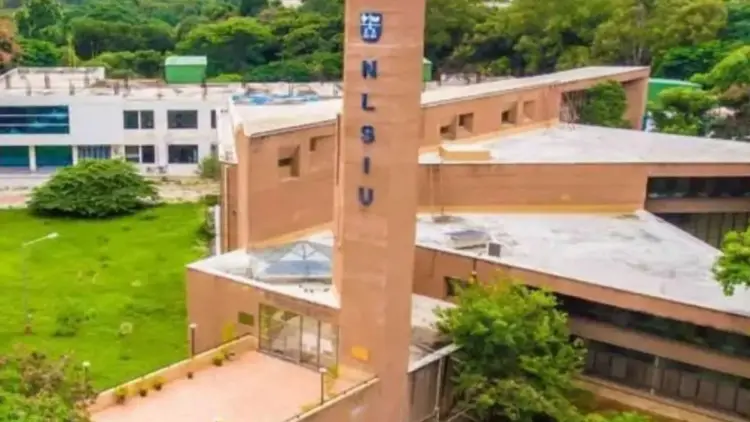
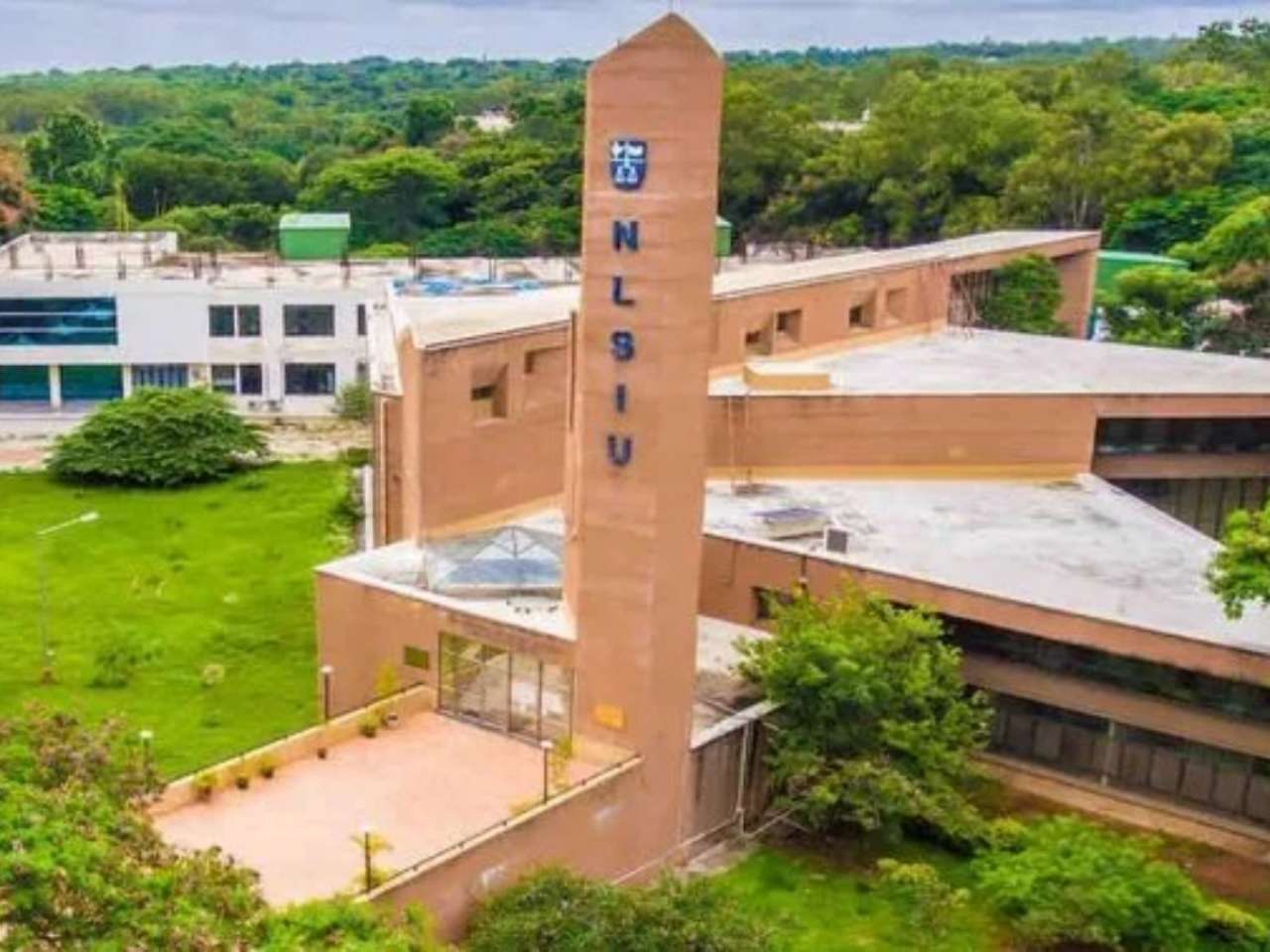
Bengaluru, India – August 27, 2026 – In a significant and unexpected turn of events, the prestigious National Law School of India University (NLSIU) in Bengaluru has announced the cancellation of its 34th Annual Convocation ceremony for the graduating batch of 2026. The decision comes in the wake of a burgeoning controversy surrounding the proposed attendance of Chief Justice of India (CJI) Surya Kant and the Chairman of the Bar Council of India (BCI), Manan Kumar Mishra, as distinguished guests. The university cited "unavoidable circumstances" as the reason for the abrupt cancellation, leaving graduating students facing the prospect of receiving their degrees in absentia.
The development follows a similar, albeit resolved, situation at NALSAR University of Law, Hyderabad, where students had also voiced objections to CJI Surya Kant’s participation as the chief guest. This pattern suggests a growing tension between student activism and institutional decisions regarding high-profile guests at academic ceremonies, particularly within the legal education sector. The cancellation at NLSIU, a premier institution in legal studies, is likely to reverberate across the academic and legal communities, raising questions about freedom of expression, institutional autonomy, and the role of students in shaping university events.
The Unfolding Controversy: Objections and "Unavoidable Circumstances"
The NLSIU administration had initially scheduled the 34th Annual Convocation for September 12, a date eagerly anticipated by the graduating class of 2026. However, a stark notice issued on August 27, just weeks before the event, declared the cancellation. The statement, brief and to the point, attributed the decision to "unavoidable circumstances," offering little further explanation. "Despite our collective best efforts, due to unavoidable circumstances, we are unable to hold the 34th Annual Convocation," the university stated.
This terse explanation has done little to quell the unease and speculation surrounding the cancellation. Reports indicate that a significant segment of the graduating student body had expressed strong reservations about the proposed presence of CJI Surya Kant and BCI Chairman Manan Kumar Mishra. While the exact nature and extent of these objections have not been fully detailed by the university, they are understood to be linked to broader concerns about the judiciary and the legal profession, potentially mirroring the sentiments that surfaced at NALSAR.
The implication of the cancellation is that the degrees for all graduating students will now be conferred "in absentia," a process that requires approval from the university’s governing bodies. Students have been informed that they will have the option to receive their hard-earned certificates either through courier services or by collecting them directly from the campus. The university has pledged to provide further details and a dedicated form to facilitate this process for the affected batch.
A Chronology of Escalation and Resolution Elsewhere
The NLSIU situation is not an isolated incident. It bears a striking resemblance to the controversy that unfolded at NALSAR University of Law in Hyderabad just weeks prior. At NALSAR, students had also raised objections to the proposed participation of CJI Surya Kant as the chief guest for their convocation. This protest, reportedly stemming from concerns about the impartiality and conduct of certain judicial figures, led to a strong reaction from the Bar Council of India.

Initially, the BCI took a stern stance, issuing an order that effectively froze the enrolment of NALSAR’s entire 2026 graduating batch with state bar councils. This punitive measure was presented as a consequence of an ongoing inquiry into the matter, implying that the students’ objections were being viewed as an act of disrespect or insubordination that warranted disciplinary action. The move sent shockwaves through the legal education fraternity, highlighting the potential ramifications of student dissent.
However, in a significant reversal, the BCI later withdrew its restrictive order. This retraction came after the council concluded that the "majority of students had not intended to participate in any act of disrespect." This reassessment allowed all students from the NALSAR graduating batch to proceed with their enrolment with the state bar council of their choice, effectively de-escalating the immediate crisis.

The NALSAR episode, with its dramatic back-and-forth between student objections, institutional responses, and regulatory intervention, appears to have set a precedent or at least provided a framework for similar situations. The fact that NLSIU has now followed suit, albeit with a different outcome regarding the ceremony itself, suggests a pattern of student engagement with the broader issues affecting the legal system and the institutions that govern it.
Supporting Data and Context: The Role of Student Voices
While specific data on the exact number of NLSIU students who objected, or the precise nature of their grievances, remains largely unarticulated by the university, the impact of student voices in shaping academic discourse is undeniable. The emergence of student-led protests and online campaigns has become a significant feature of higher education globally, and India is no exception. These movements often coalesce around issues of social justice, institutional accountability, and the relevance of curriculum and academic leadership.

In the context of legal education, the stakes are particularly high. Law students are not only preparing to enter a profession that underpins the rule of law but are also expected to critically engage with its complexities and potential shortcomings. When students voice concerns about the integrity of the judiciary or the leadership of bar councils, they are often speaking from a position of deep engagement with the very systems they are being trained to uphold and improve.
The controversy at NLSIU and NALSAR can be viewed within this broader context of student activism pushing for greater transparency, accountability, and ethical conduct within institutions of higher learning and the legal profession. The decision to invite certain dignitaries, especially those holding the highest positions within the judiciary and bar, carries significant symbolic weight. For students, such invitations can be interpreted as an endorsement of the individuals and, by extension, their actions or policies. When these actions or policies are perceived as problematic by a segment of the student body, objections are likely to arise.

Official Responses and Reactions: A Spectrum of Views
The official response from NLSIU has been limited to the cancellation notice, citing "unavoidable circumstances." This lack of detailed explanation has left room for interpretation and speculation. The university’s decision to proceed with conferring degrees in absentia is a practical measure to ensure that graduating students are not unduly penalized by the cancellation, but it undoubtedly diminishes the significance and celebratory aspect of a traditional convocation.
The Bar Council of India, which played a pivotal role in the NALSAR situation, has not yet issued a formal statement regarding the NLSIU cancellation. However, its earlier actions at NALSAR indicate a willingness to intervene when it perceives issues related to the conduct of students or the respect shown to judicial and bar leaders. The BCI’s role as a regulatory body for legal education and the legal profession places it in a position of considerable influence over such matters.

Perhaps the most vocal reaction thus far has come from Saurav Das, co-convenor of the "Cockroach Janta Party," a group that has been critical of various governmental and institutional decisions. Das expressed hope that the NLSIU graduating batch would take initiative and organize their own graduation ceremony. His suggestion to "do it the Gen-Z way!" implies a desire for student-led events that are more reflective of their own values and aspirations, potentially bypassing traditional structures and dignitary protocols. This sentiment underscores a broader generational shift in how young people engage with institutions and express their opinions.
The reaction from the wider student community, legal fraternity, and the public remains to be seen. However, the cancellation is likely to spark debates about the appropriate channels for student grievances, the balance of power between students and university administrations, and the symbolic importance of academic ceremonies.

Implications: Navigating the Future of Academic Ceremonies
The cancellation of the NLSIU convocation carries significant implications for the institution and the broader landscape of legal education in India.
-
Erosion of Traditional Rituals: The convocation is a cornerstone of academic life, marking a significant milestone for students and their families. Its cancellation, even with degrees conferred in absentia, deprives students of a communal celebration and a formal recognition of their achievements. This trend, if it continues, could lead to a re-evaluation of the purpose and format of such ceremonies.

-
Student Empowerment and Agency: The events at NLSIU and NALSAR highlight the growing influence of student voices in academic decision-making. While student activism can be a force for positive change, institutions must find effective mechanisms to engage with student concerns without compromising their autonomy or succumbing to undue pressure.
-
Judiciary-Academia Relations: The involvement of the Chief Justice of India and the BCI Chairman in these controversies brings to the fore the complex relationship between the judiciary and academic institutions. It raises questions about the appropriateness of inviting high-profile judicial figures to events where student dissent might arise, and how such situations should be managed to maintain the dignity of all parties involved.

-
Institutional Reputation: For NLSIU, a consistently top-ranked law school, this controversy could impact its reputation. While the university’s decision to cancel may be seen as a pragmatic move to avoid further escalation, it also raises questions about its crisis management capabilities and its relationship with its student body.
-
The Future of Dignitary Invitations: Universities will likely need to adopt more robust processes for selecting and vetting guests for academic ceremonies. This might involve greater consultation with student bodies, clearer communication about the rationale behind invitations, and contingency planning for potential objections. The precedent set by these incidents suggests that inviting figures who are subject to public scrutiny or criticism will require careful consideration and strategic communication.

In conclusion, the cancellation of the NLSIU 2026 convocation is a complex event with far-reaching implications. It underscores the evolving dynamics between students, institutions, and the legal establishment in India, prompting a necessary conversation about how academic traditions can adapt to the changing landscape of student activism and public discourse. The future will likely see a greater emphasis on dialogue, transparency, and student engagement in shaping the academic experiences and celebratory moments that define university life.