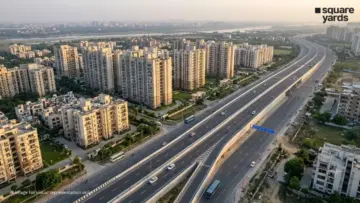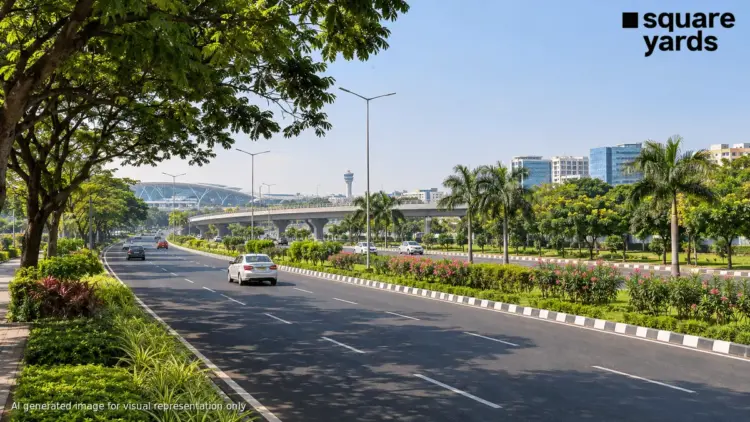
The landscape of Chennai’s southern corridor is poised for a significant aesthetic and functional metamorphosis. As the primary artery connecting the international airport to the heart of the city, the stretch between Chennai Airport and the Kathipara junction has long served as the functional "front door" for visitors and residents alike. Under the ambitious Chief Minister’s Integrated Urban Development Mission (CMIUDM), the Tamil Nadu government has greenlit the "Gateway of Chennai" project—a comprehensive initiative designed to redefine the urban experience of this 4.8-kilometer corridor.
This project is not an isolated effort but a flagship component of a massive state-wide infrastructure push. With hundreds of road works approved and a focus on "streetscaping" rather than mere relaying, the Gateway of Chennai represents a shift toward modern, pedestrian-centric urban planning.
Main Facts: The Scope of the Gateway of Chennai Project
The Gateway of Chennai project is specifically designed to upgrade the 4.8-km Chennai Airport–Kathipara corridor. This stretch is perhaps the most scrutinized piece of asphalt in the city, carrying high-profile dignitaries, business travelers, and thousands of daily commuters.
A Multi-Dimensional Upgrade
Unlike traditional road projects that focus solely on the movement of vehicular traffic, the Gateway of Chennai is a "streetscape" improvement project. Its primary objectives include:
- Pedestrian Empowerment: The development of wide, unobstructed footpaths and dedicated pedestrian zones.
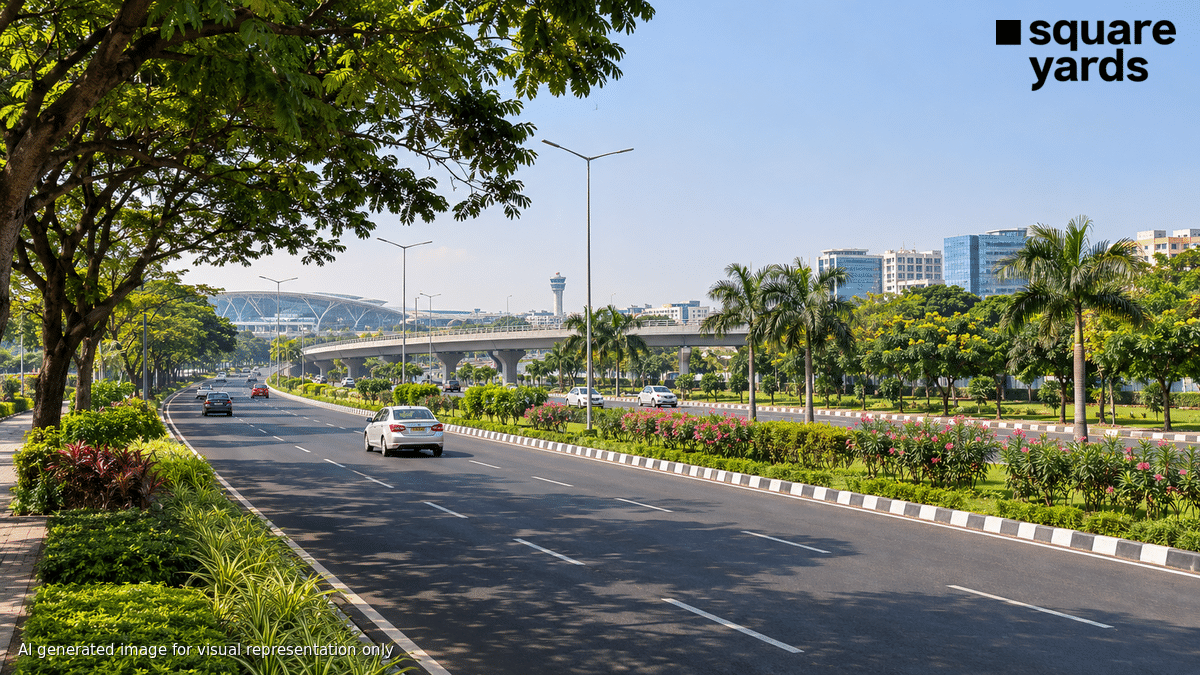
- Environmental Integration: The creation of green corridors and extensive landscaping to mitigate the "urban heat island" effect and improve air quality along the heavy-traffic route.
- Aesthetic Illumination: Installation of modern, energy-efficient lighting systems that enhance both safety and visual appeal during night hours.
- Public Spaces: The redevelopment of the VIP Park, turning it into a landmark within the corridor.
The CMIUDM Umbrella
The project falls under the Chief Minister’s Integrated Urban Development Mission (CMIUDM), a state-wide directive aimed at bridging the infrastructure gap in urban local bodies. For the Greater Chennai Corporation (GCC), this mission has translated into the approval of 680 road and related works, with a total package allocation of Rs. 138.11 crore.
Chronology of Development: From Sanction to Survey
The timeline of the Gateway of Chennai project reflects an accelerated approach to urban infrastructure, moving from administrative approval to ground-level surveys within a condensed period.
Initial Sanction and Strategy
The Tamil Nadu state government recognized the need for a unified approach to urban development, leading to the sanctioning of 2,880 projects across the state worth Rs. 376.65 crore. The Chennai package, totaling Rs. 138.11 crore, was earmarked to address critical gaps in the city’s road network, with the Airport-Kathipara stretch identified as the priority "Gateway."
October 2024: The Turning Point
By late October 2024, the project moved from the planning boards to the field. On October 30, contractor surveys were officially underway along the 4.8-km stretch. These surveys are critical for identifying underground utilities, assessing soil conditions for landscaping, and finalizing the placement of pedestrian amenities.
Commencement of Works
Following the completion of the survey, initial construction and ground-clearing work were slated to begin within the first week of November. This rapid transition indicates the government’s intent to complete the project before the peak of the monsoon season or significant administrative milestones.
Supporting Data: A Statistical Breakdown of Chennai’s Infrastructure Push
The Gateway of Chennai is the "face" of the project, but the underlying data reveals a much broader effort to stabilize and improve the city’s secondary and tertiary road networks. The Rs. 138.11 crore allocation for Chennai covers a diverse range of materials and engineering approaches.
Road Composition in the Chennai Package
The Greater Chennai Corporation has categorized the 680 works into three primary road types, ensuring that the material matches the specific needs of the locality:
| Road Type | Number of Projects | Total Length (km) |
|---|---|---|
| Bituminous (Asphalt) Roads | 595 | 136.57 |
| Concrete (CC) Roads | 58 | 8.47 |
| Interlocking-Block Roads | 25 | 3.06 |
| Total | 680 | 148.1 |
The Statewide Context
While Chennai receives a significant portion of the funding, the CMIUDM is truly provincial in scope.
- Total Projects Sanctioned: 2,880
- Total State Investment: Rs. 376.65 crore
- Focus Areas: Water supply, sanitation, and road connectivity in various urban local bodies (ULBs) across Tamil Nadu.
The concentration of nearly 37% of the total state budget on the Chennai package highlights the capital city’s role as the economic engine of the region.
Official Responses and Regulatory Guidelines
A key aspect of this infrastructure drive is the emphasis on engineering standards and sustainable practices. The Sanction Committee, which oversees the CMIUDM, has issued strict directives to the Greater Chennai Corporation and other local bodies to ensure that the mistakes of the past are not repeated.
The "Milling" Mandate
One of the most critical directives issued by the Sanction Committee involves the elevation of roads. In previous years, repeated relaying of roads without "milling" (scraping off the old layer) led to road levels rising above the plinth level of adjacent houses, causing severe flooding during the monsoon.
- Official Directive: Local bodies are strictly prohibited from raising the existing road levels during the relaying process.
- The Goal: To maintain the existing drainage topography and protect residential properties from runoff water.
Urban Planning Vision
Official statements from the GCC suggest that the Gateway of Chennai is intended to serve as a blueprint for future "smart" corridors. By integrating green corridors and lighting with road work, the department aims to move away from "siloed" infrastructure development where roads, lights, and trees are managed as separate, often conflicting, entities.
Implications: Real Estate, Livability, and the Urban Economy
The "Gateway of Chennai" project is more than just a beautification drive; it has tangible implications for the local economy and the real estate market in South Chennai.
Impact on Residential Real Estate
The corridor directly influences two of Chennai’s most prominent residential and commercial hubs: Alandur and Guindy.
According to data from Square Yards Research (as of late 2026), the property market in these areas remains robust, though the impact of the Gateway project is currently viewed as an "amenity boost" rather than a direct price driver.
| Area | Indicative Asking Rate (per sq. ft.) |
|---|---|
| Alandur | Rs. 10,850 |
| Guindy | Rs. 15,650 |
Analysis of the Real Estate Shift:
- Aesthetic Premium: While streetscaping does not reduce commute times, it significantly enhances the "curb appeal" of a neighborhood. For high-end developments in Guindy, a well-lit, landscaped approach can justify higher rental yields.
- Pedestrian Connectivity: As Chennai moves toward a more "walkable city" model, areas with improved footpaths (like those planned for Alandur) become more attractive to the modern workforce, particularly those employed in the nearby IT corridors and the Olympia Tech Park ecosystem.
- Indirect Benefits: The project’s focus on not raising road levels is a significant "hidden" benefit for property owners. By mitigating flood risks, the long-term value of assets along the corridor is better preserved.
The Economic Signal
For international investors and corporate entities, the Airport–Kathipara stretch is their first interaction with Tamil Nadu’s infrastructure. A world-class entry corridor signals administrative efficiency and economic stability. The "Gateway of Chennai" project is, in many ways, an exercise in brand-building for the city.
Challenges and Considerations
Despite the optimism, urban planners note that the project’s success depends on long-term maintenance. Streetscape projects often suffer from "post-completion neglect," where landscaping withers due to lack of water or footpaths are encroached upon by vendors. Furthermore, while the Gateway project improves the look of the corridor, the broader housing demand in Alandur and Guindy will continue to be driven by proximity to the Metro Rail, employment hubs, and essential civic services.
Conclusion: A Vision for a Modern Chennai
The Gateway of Chennai project stands as a testament to the evolving priorities of the Tamil Nadu government. By leveraging the Chief Minister’s Integrated Urban Development Mission, the state is attempting to marry functional necessity with aesthetic excellence.
As the contractor surveys conclude and the first layers of the new 4.8-km corridor are laid, the residents of Alandur, Guindy, and the wider city look forward to a transformation that promises more than just smoother rides. If executed according to the Sanction Committee’s guidelines—prioritizing drainage, pedestrian safety, and green cover—the Gateway of Chennai will not only be a path to the airport but a milestone in Chennai’s journey toward becoming a truly global metropolis.
The coming months will be crucial as the Greater Chennai Corporation balances the speed of execution with the quality of construction, ensuring that this Rs. 138.11-crore investment delivers a lasting legacy for the "Gateway of the South."