Introduction: A Strategic Evolution in the Premium MPV Segment
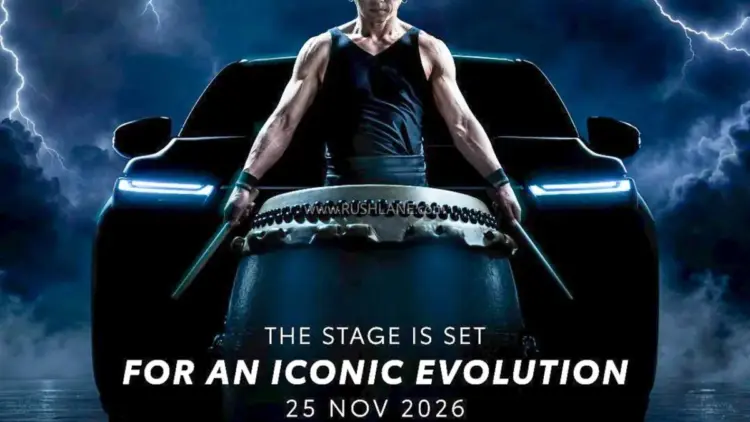
The Indian automotive landscape is standing on the precipice of a significant transformation as Toyota Kirloskar Motor (TKM) prepares to unveil the first major update to its flagship MPV, the Innova Hycross. Scheduled for a high-profile launch on November 25, 2026, the Innova Hycross facelift represents more than just a mid-life cosmetic refresh. It serves as a pivotal moment for Toyota, blending aesthetic modernization with a groundbreaking leap into sustainable propulsion through flex-fuel technology.
Since its global debut and subsequent Indian launch in 2022, the Innova Hycross has redefined the premium multi-purpose vehicle (MPV) segment. By shifting from the traditional ladder-frame chassis of the Innova Crysta to the sophisticated TNGA-C (Toyota New Global Architecture) monocoque platform, Toyota successfully transitioned the "Innova" brand from a rugged utilitarian workhorse to a refined, high-tech family cruiser. As the brand’s second best-selling model in India, the upcoming facelift aims to solidify this dominance while addressing the evolving regulatory and environmental demands of the Indian market.
1. Main Facts: What to Expect from the 2026 Facelift
The upcoming Toyota Innova Hycross facelift is designed to streamline the vehicle’s visual appeal while significantly enhancing its technological suite. The primary objective of this update is twofold: to align the Indian model with international specifications—specifically those recently introduced in the Indonesian market—and to introduce a world-first powertrain option that could alter the trajectory of the Indian energy economy.
Key Highlights of the Update:
- Official Launch Date: November 25, 2026.
- Design Philosophy: A move toward an "upright" and "clutter-free" aesthetic.
- Technological Integration: Adoption of a larger 12.3-inch infotainment system and advanced telematics.
- Powertrain Innovation: The potential introduction of a 100% bioethanol-powered (E100) flex-fuel hybrid engine.
- Market Positioning: Maintaining its status as a premium alternative to the Kia Carnival and a more upscale sibling to the Maruti Suzuki Invicto.
2. Chronology: The Journey of an Icon
To understand the significance of the 2026 facelift, one must look at the timeline of the Innova brand’s evolution in India, which has been characterized by consistent market leadership.

- 2005 – The Birth of a Legend: Toyota replaces the aging Qualis with the Innova. It immediately becomes the benchmark for reliability and comfort in India.
- 2016 – The Crysta Era: Toyota launches the Innova Crysta, moving the brand upmarket with a more powerful diesel engine and a more luxurious cabin.
- November 2022 – The Paradigm Shift: Toyota unveils the Innova Hycross. It marks the departure from Rear-Wheel Drive (RWD) and Diesel engines, embracing Front-Wheel Drive (FWD) and Strong Hybrid technology.
- 2023–2024 – Market Dominance: Despite long waiting periods extending over a year for certain trims, the Hycross becomes a runaway success, proving that Indian buyers are ready for premium hybrids.
- July 2026 – Spied Testing: Test mules of the facelifted version are spotted on Indian roads, sporting camouflaged front and rear profiles, hinting at a revised design language.
- August 2026 – Indonesian Benchmark: Toyota updates the "Kijang Innova Zenix" (the Hycross’s Indonesian counterpart) with new screens and features, providing a blueprint for the Indian facelift.
- November 2026 – The Teaser and Announcement: Toyota releases the first official teasers, and Union Minister Nitin Gadkari confirms the launch of the E100 version, setting the stage for the November 25 reveal.
3. Exterior and Interior Refinements: Aesthetic Modernization
The first official teasers released by Toyota confirm that while the iconic silhouette of the MPV remains intact, the "face" of the vehicle will undergo a sophisticated surgery.
Exterior Design: "The Upright Stance"
The 2026 facelift focuses on creating a more commanding presence. Based on test sightings and teaser images, the front fascia will feature a new slatted grille design. This new grille is expected to be more integrated with the lower air dam, reducing the "cluttered" look of the current multi-layered bumper.
The lighting elements are also slated for an upgrade. We expect sharper, more angular LED headlamp units with revised Daytime Running Lights (DRLs). The side profile will largely remain unchanged, preserving the squared-off wheel arches and the gently sloping roofline that gives the Hycross its SUV-esque character. However, new 18-inch alloy wheel designs are expected to provide a fresh side-on perspective. At the rear, the tailgate is expected to be "flattened" to provide a cleaner look, complemented by revised internal detailing in the LED tail lamps.
Interior and Equipment: A Tech-Forward Cabin
The interior of the current Hycross is already lauded for its space, but the facelift aims to address the few criticisms regarding plastic quality and infotainment size. Drawing inspiration from the Indonesian Zenix, the Indian facelift is expected to feature:
- 12.3-inch Touchscreen: Replacing the current 10.1-inch unit, offering better resolution and a more responsive interface.
- Digital Instrument Cluster: An updated 7-inch TFT Multi-Information Display (MID) with enhanced graphics for hybrid energy flow.
- In-Car Connectivity: Integrated Wi-Fi hotspots for all passengers and an expanded suite of "Toyota i-Connect" features.
- Safety Tech: An upgraded 360-degree camera with a "Panoramic View Monitor" and the inclusion of front and rear Digital Video Recorders (DVR) as standard in top trims.
4. Supporting Data: Powertrains and Specifications
The Innova Hycross currently operates on a two-pronged engine strategy, which is expected to continue alongside the new flex-fuel variant.
| Feature | 2.0L Petrol (Existing) | 2.0L Strong Hybrid (Existing) | 2.0L Flex-Fuel (Anticipated) |
|---|---|---|---|
| Engine Type | 4-Cylinder, VVTi | 4-Cylinder, 5th Gen Hybrid | 4-Cylinder, Modified for Ethanol |
| Max Power | 173 hp | 184 hp (Combined) | ~180+ hp |
| Max Torque | 204 Nm | 188 Nm (Engine) / 206 Nm (Motor) | TBD |
| Transmission | CVT | e-Drive (e-CVT) | e-Drive |
| Fuel Compatibility | E20 (20% Ethanol) | E20 (20% Ethanol) | E85 to E100 (100% Ethanol) |
| Drive Type | FWD | FWD | FWD |
The current pricing for the Hycross ranges from approximately Rs 19.53 lakh for the base petrol to Rs 32.95 lakh for the top-tier hybrid. Industry analysts expect a price hike of roughly Rs 50,000 to Rs 1,00,000 for the facelifted versions, with the Flex-Fuel variant potentially commanding a premium due to the specialized hardware required for ethanol compatibility.

5. The Flex-Fuel Revolution: Official Responses and Policy Alignment
Perhaps the most significant aspect of this launch is the official confirmation of a 100% bioethanol-powered variant. Union Road Transport and Highways Minister Nitin Gadkari has been a vocal proponent of this technology.
The Government’s Stance:
Minister Gadkari announced that Toyota’s move to launch an E100-capable Hycross on November 25 is a "milestone for the Indian sugar and farming industry." By using 100% ethanol, the vehicle can drastically reduce carbon emissions while decreasing India’s reliance on expensive crude oil imports.
Toyota’s Technical Response:
Toyota previously showcased a prototype of the Electrified Flex-Fuel Hycross. To make the 2.0-litre engine compatible with E100, Toyota engineers had to modify the fuel pump, fuel injectors, and engine head valves, as ethanol is more corrosive than standard gasoline. The "Electrified" part of the Flex-Fuel system is crucial; it allows the vehicle to run in EV mode frequently, offsetting the lower energy density of ethanol and ensuring that the fuel efficiency remains competitive.
6. Implications: What This Means for the Market
The launch of the Innova Hycross facelift has deep implications for the Indian automotive sector:
For the Consumer
Buyers will now have a choice between a traditional petrol engine, a highly efficient strong hybrid, and an environmentally conscious flex-fuel option. The facelift addresses the "tech-gap" between the Hycross and its rivals, ensuring that the interior feels as premium as the price tag suggests.
For the Competition
The Kia Carnival, which recently saw a generation update in India at a much higher price point, remains the Hycross’s only direct rival in the luxury MPV space. However, the Hycross’s hybrid and flex-fuel options give it a massive edge in running costs and "green" credentials. Furthermore, the Maruti Suzuki Invicto (a rebadged Hycross) will likely receive these updates a few months after Toyota, maintaining the strategic partnership between the two manufacturers.

For the Environment and Economy
If the E100 Hycross sees mass adoption, it could pave the way for other manufacturers to follow suit. For a country like India, which is the world’s third-largest consumer of oil, the shift toward locally produced ethanol could save billions in foreign exchange and provide a significant boost to the agricultural sector.
Conclusion: A Visionary Step Forward
The 2026 Toyota Innova Hycross facelift is not merely a cosmetic exercise designed to keep a model "fresh" in the eyes of consumers. It is a calculated, visionary step by Toyota Kirloskar Motor to align with India’s long-term goals of decarbonization and energy security.
By combining the proven reliability and luxury of the Innova brand with cutting-edge 12.3-inch displays, refined aesthetics, and pioneering flex-fuel technology, Toyota is ensuring that the Hycross remains the undisputed king of the premium MPV segment. On November 25, when the curtains rise, the industry will be watching closely—not just to see a new car, but to witness the beginning of a new, greener chapter in Indian motoring history.