MILAN, ITALY — As the curtains rose at the EICMA 2026 motorcycle show in Milan, the global motorcycling community stood at a crossroads of anticipation. For months, the industry had been abuzz with rumors regarding the "big-bore" evolution of Royal Enfield’s highly successful 650cc parallel-twin platform. While the Chennai-based manufacturer did indeed unveil the formidable Himalayan 750 and the aggressive Continental GT 750, the fate of its most popular modern classic—the Interceptor—took a surprising and calculated turn.
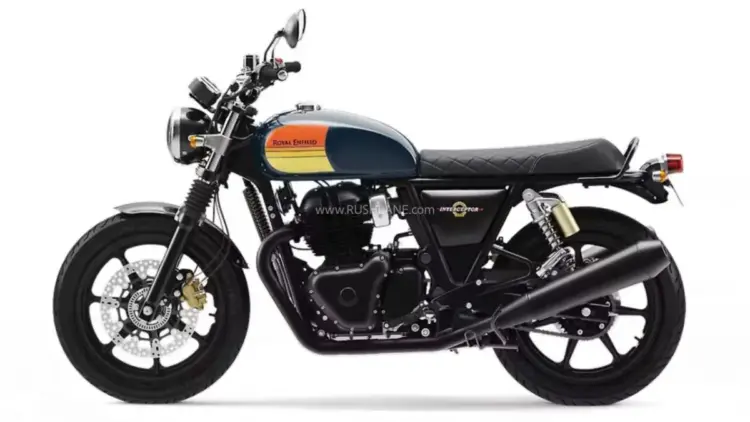
Contrary to widespread speculation that the Interceptor would naturally graduate to the new 750cc displacement, Royal Enfield has officially confirmed that the Interceptor will remain within the 650cc category. However, this is far from a stagnant carry-over. Instead, the company has opted for a "premium hardware" strategy, retaining the beloved 648cc engine while significantly upgrading the motorcycle’s cycle parts to match its new 750cc siblings. This decision marks a sophisticated shift in Royal Enfield’s global product positioning, prioritizing accessibility and "pure motorcycling" over raw displacement for its flagship roadster.
Chronology: The Evolution of a Modern Icon
To understand the weight of this decision, one must look back at the trajectory of the Royal Enfield "Twins." Launched globally in late 2018, the Interceptor 650 and Continental GT 650 were the catalysts that transformed Royal Enfield from a niche Indian manufacturer into a legitimate global powerhouse. The 648cc parallel-twin engine was lauded for its smoothness, characterful 270-degree crank, and approachable power delivery.
By 2023, the platform had seen incremental updates, including LED headlamps, improved switchgear, and the introduction of alloy wheels. However, as competitors in the middleweight segment began pushing the boundaries of displacement and technology, pressure mounted for Royal Enfield to "level up."
In early 2025, spy shots of a larger, oil-cooled parallel-twin engine began circulating. Enthusiasts dubbed this the "750cc platform." Given that the Interceptor and Continental GT have historically shared the same chassis and engine, it was a foregone conclusion among analysts that both would receive the 750cc heart.
The timeline reached its climax at EICMA 2026. While the Continental GT was indeed showcased with the new 743cc "big-bore" engine to cement its status as a performance-oriented cafe racer, the Interceptor 650 was presented as a refined evolution. This move signals a strategic decoupling of the two models, allowing them to cater to distinct rider demographics.
Supporting Data: Comparing the 650cc vs. 750cc Powerplants
The decision to keep the Interceptor at 650cc is rooted in the technical specifications and the "sweet spot" the current engine occupies.
The Current 650cc Engine (The Interceptor Choice):
- Displacement: 648cc
- Horsepower: 47 bhp @ 7,250 rpm
- Torque: 52 Nm @ 5,250 rpm
- Transmission: 6-speed with slipper clutch
- Character: Linear, forgiving, and compliant with European A2 licensing requirements without the need for electronic restriction.
The New 750cc Engine (The Continental GT/Himalayan Choice):
- Displacement: 743cc
- Horsepower: 55 bhp
- Torque: 63 Nm
- Transmission: 6-speed optimized for higher torque loads
- Character: More aggressive mid-range punch, designed for riders seeking a step up in highway cruising speeds and overtaking capability.
While the 750cc engine offers a nearly 17% increase in horsepower and a 21% increase in torque, it also brings complexities in terms of heat management and pricing. By retaining the 650cc unit for the Interceptor, Royal Enfield maintains a lower price floor and preserves the "easy-going" nature that made the bike a global bestseller.
The Hardware Overhaul: Performance Beyond the Engine
While the engine remains the same, the Interceptor 650 is receiving a "trickle-down" of premium components from the 750cc development program. These updates address the two most common critiques of the original 650 platform: suspension damping and braking bite.

1. Showa Adjustable Suspension:
The updated Interceptor 650 will feature a sophisticated suspension suite developed in collaboration with Showa. Unlike the non-adjustable units of the past, the new forks and rear twin-shocks will offer preload adjustability. This allows riders to tune the motorcycle’s geometry based on their weight, pillion requirements, or luggage loads—a significant upgrade for touring enthusiasts who found the original setup either too soft or under-damped for spirited riding.
2. Dual Disc Front Braking System:
Perhaps the most striking visual and functional change is the adoption of a dual-disc setup at the front. Previously reserved for high-performance superbikes or heavier cruisers, the twin-disc configuration provides significantly better heat dissipation and stopping power. This move is a direct response to the global market’s demand for higher safety margins, especially as the Interceptor is often used for long-distance touring on high-speed motorways.
Official Rationale: Why the 650cc Engine Remains
While official press releases from the EICMA floor emphasize "refinement," industry insiders and Royal Enfield’s strategic planners suggest three primary reasons for keeping the Interceptor at 650cc:
A. The A2 Licensing Factor:
In Europe, one of Royal Enfield’s largest growth markets, the A2 license tier caps motorcycles at 35kW (roughly 47 bhp). The 650cc engine sits perfectly at this limit. Moving the Interceptor to 750cc would push it into the "Full A" license category or require a digital restrictor kit. By keeping it at 650cc, Royal Enfield ensures the Interceptor remains the "aspirational first big bike" for thousands of new riders every year.
B. Cost Sensitivity and Market Positioning:
The Interceptor 650 has always been marketed as a value proposition—offering a "twin" experience at a "single" price point. Transitioning to the 750cc engine would necessitate a price hike due to the increased manufacturing costs of the larger block and the associated cooling requirements. Keeping the 650cc engine allows the Interceptor to remain the most affordable twin-cylinder roadster in its class.
C. Brand Differentiation:
Royal Enfield is moving toward a more nuanced portfolio. By reserving the 750cc engine for the Continental GT (the "racer") and the Himalayan (the "adventurer"), they create a clear hierarchy. The Interceptor remains the "Classic Roadster"—focused on style, comfort, and ease of use rather than outright speed.
Implications: What This Means for the Market
The decision to upgrade the hardware while retaining the engine displacement is a masterstroke in "sleeper" engineering. It addresses the bike’s mechanical weaknesses without altering its soul or its price-to-performance ratio.
For Consumers:
Riders who were waiting for a 750cc Interceptor may initially feel disappointed, but the addition of Showa suspension and dual discs arguably offers a greater improvement to the daily riding experience than an 8-hp bump would have. The Interceptor 650 will now handle better, stop faster, and feel more premium, all while remaining an accessible, easy-to-ride machine.
For the Competition:
This move puts immense pressure on brands like Triumph (with the Speed 400 and Bonneville T100) and Kawasaki (with the Z650RS). Royal Enfield is effectively offering a "premium-spec" middleweight twin that bridges the gap between budget 400s and expensive 900cc classics.
For the Aftermarket:
The modularity of the Royal Enfield platform remains its greatest strength. Since the 750cc engine is a big-bore derivative of the 650cc unit, the custom scene will undoubtedly flourish with "750 conversion kits" for those Interceptor owners who truly crave the extra displacement, using official parts from the Continental GT 750.
Conclusion
Royal Enfield’s showing at EICMA 2026 proves that the company is no longer just following trends—it is setting them through sophisticated market segmentation. The "new" Interceptor 650 is a testament to the philosophy that a motorcycle’s greatness isn’t measured solely by its displacement, but by the harmony of its components. By pairing the iconic 650cc twin with world-class Showa suspension and enhanced braking, Royal Enfield has ensured that the Interceptor remains not just a nostalgic choice, but a technologically competent one for the next decade of motorcycling.
The message from Milan is clear: The 750cc era has arrived for the thrill-seekers, but for the purists, the 650cc Interceptor is now better than it has ever been.