

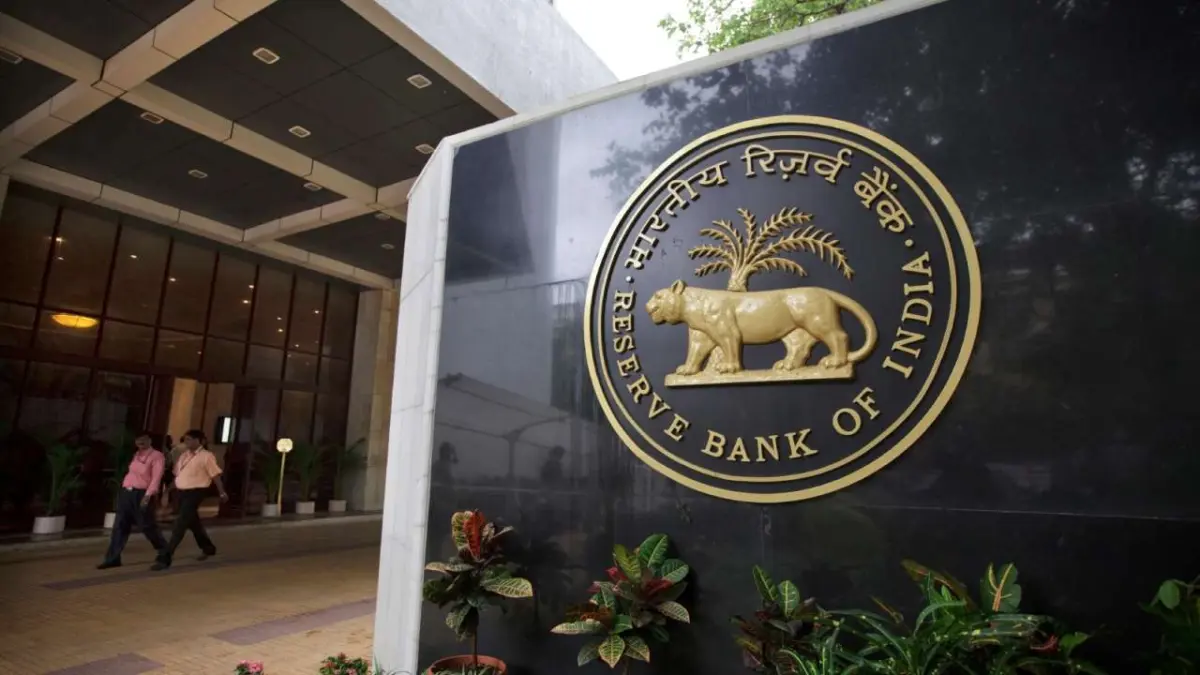
Mumbai, India – October 6, 2026 – In a widely anticipated yet impactful move, the Reserve Bank of India (RBI) today announced a 25-basis-point increase in its benchmark repo rate, pushing it to 5.50% from the previous 5.25%. This decision, unanimously taken by the Monetary Policy Committee (MPC) led by Governor Sanjay Malhotra, signals a decisive shift towards a "calibrated tightening" monetary policy stance, a strategy not employed since 2018. The central bank’s action is primarily aimed at reining in persistent inflationary pressures fueled by a volatile global environment, even as it projects robust domestic economic growth.
The immediate and most tangible consequence of this hike will be felt by millions of Indian households and businesses through higher Equated Monthly Installments (EMIs) on various loans. From home loans and car financing to personal and education loans, the cost of borrowing is set to climb, impacting disposable incomes and potentially tempering consumer spending. While the RBI acknowledges strong economic momentum, its primary focus remains on safeguarding price stability amidst a backdrop of escalating geopolitical tensions, soaring international crude oil prices, and a weakening rupee.
Main Facts: A Decisive Stance Against Inflation
The Reserve Bank of India’s Monetary Policy Committee, comprising six members and chaired by Governor Sanjay Malhotra, concluded its three-day deliberation on Wednesday, October 6, 2026, with a unanimous vote to raise the policy repo rate by 25 basis points (0.25%). This hike takes the rate at which commercial banks borrow short-term funds from the central bank from 5.25% to 5.50%. Simultaneously, the RBI shifted its monetary policy stance from "neutral" to "calibrated tightening," indicating a sustained commitment to combat inflation.
This increase marks a significant step in the RBI’s ongoing efforts to anchor inflation expectations, which have been severely tested by a confluence of global and domestic factors. While the central bank also upgraded its real GDP growth forecast for the financial year 2026-27 from 6.7% to a more optimistic 7.1%, this decision underscores its prioritization of price stability. The move is expected to directly impact lending rates across the banking sector, making borrowing more expensive for individuals and corporations alike.
)
Chronology of a Critical Decision: Navigating Global Headwinds
The RBI’s decision did not emerge in a vacuum but is the culmination of several months of evolving economic dynamics, both domestically and internationally.
The Pre-Meeting Economic Landscape: A Perfect Storm
Leading up to the October 2026 MPC meeting, the Indian economy, much like its global counterparts, had been grappling with a complex mix of challenges. International crude oil prices, a perennial concern for net oil importers like India, had been on an upward trajectory for several months, driven largely by supply concerns emanating from escalating geopolitical tensions. The Middle East crisis, which had been simmering for some time, appeared to be intensifying, with the US-Iran war posing a significant threat to global oil supplies and international trade routes. This uncertainty translated into higher import bills and, consequently, imported inflation.

Simultaneously, the Indian Rupee had been under considerable pressure against major global currencies, particularly the US Dollar. A weaker rupee exacerbates imported inflation by making goods purchased from abroad, including crucial commodities like crude oil, more expensive in local currency terms. This depreciation was partly driven by global capital outflows as major central banks in developed economies, particularly the US Federal Reserve, had been signaling or implementing tighter monetary policies, drawing capital away from emerging markets.
Domestically, while economic activity showed resilience, evidenced by the RBI’s own upgraded GDP growth forecast, consumer price inflation (CPI) had remained stubbornly above the central bank’s comfort zone of 2-6%. Food inflation, in particular, had been volatile due to erratic weather patterns affecting agricultural output. Core inflation, which excludes the volatile food and fuel components, also showed signs of stickiness, indicating broad-based price pressures within the economy.
)
The MPC Deliberation: A Unanimous Call for Action
Against this challenging backdrop, the six-member MPC convened. Their mandate is clear: maintain price stability while keeping in mind the objective of growth. The deliberations would have involved a thorough assessment of current and projected inflation trajectories, an analysis of the transmission mechanism of monetary policy, and a careful evaluation of global risks.
The unanimous vote to increase the repo rate by 25 basis points reflects a strong consensus among committee members regarding the necessity of immediate action. Such unanimity often signals a clear and present danger to the inflation outlook and a collective resolve to address it proactively. The committee likely weighed the potential impact on growth against the imperative of containing inflation before it becomes entrenched in expectations, which could prove far more damaging in the long run.
)
The Announcement: Shifting Gears
Governor Sanjay Malhotra, in his post-policy address, articulated the rationale behind the MPC’s decision. He emphasized the global inflationary environment, the persistent trade uncertainty, and the fragile global sentiment, explicitly referencing the potential disruptions from the Iran war on trade and supply chains. This forward guidance was crucial in setting market expectations. The shift to a "calibrated tightening" stance, replacing the earlier "neutral" stance, was a clear signal to markets and banks that the RBI is prepared to take further measures if inflationary pressures persist or intensify. This strategic communication aims to reinforce the central bank’s commitment to its inflation mandate and to guide market behavior accordingly.
Supporting Data: The Economic Indicators Driving the Change
The RBI’s latest policy decision is firmly anchored in a comprehensive analysis of prevailing economic indicators and future projections. Several key data points played a pivotal role in shaping the MPC’s hawkish stance.
)
Inflationary Pressures: A Persistent Threat
The primary driver behind the repo rate hike is the elevated and sticky inflation. While specific figures for October 2026 were not provided in the original text, it can be inferred that Consumer Price Index (CPI) inflation had likely remained above the RBI’s medium-term target of 4% (with a band of +/- 2%) for a sustained period. This persistent inflation was not merely a transient phenomenon but showed signs of becoming generalized, impacting a wide range of goods and services.
- Imported Inflation: The surge in international crude oil prices, possibly hovering around $100-120 per barrel due to geopolitical instability, directly fed into domestic fuel prices and transportation costs. Given India’s high reliance on oil imports, this was a significant inflationary impulse.
- Weakening Rupee: The depreciation of the Indian Rupee, perhaps crossing the 85-86 mark against the US Dollar, made all imports, not just oil, more expensive. This "pass-through" effect added further pressure on domestic prices of various commodities and manufactured goods.
- Supply Chain Disruptions: The geopolitical events, particularly the Middle East crisis and the US-Iran war, were likely causing disruptions in global supply chains. Blockages in key maritime routes or increased shipping costs contributed to higher input prices for Indian industries.
- Domestic Demand: While the RBI aims to curb demand-side inflation, underlying domestic demand remained robust, as indicated by the upgraded GDP forecast. This strong demand, coupled with supply constraints, created an environment ripe for price increases.
Robust GDP Growth: A Unique Dilemma
Interestingly, the RBI announced the rate hike alongside an upward revision of its real GDP growth forecast for FY 2026-27, from 6.7% to 7.1%. This suggests that despite global headwinds, the domestic economy exhibited strong resilience. Factors contributing to this momentum likely include:
)
- Strong Domestic Consumption: Pent-up demand and rising incomes potentially sustained consumer spending.
- Government Capital Expenditure: Continued government investment in infrastructure projects provided a fillip to economic activity.
- Manufacturing and Services Sector Resilience: Certain sectors likely maintained healthy growth, contributing to overall economic buoyancy.
- Improved Capacity Utilization: Businesses operating at higher capacities signaled healthy demand.
This combination of strong growth and high inflation presented the RBI with a unique policy challenge. Typically, central banks hike rates when growth is overheating or cut rates when growth is sluggish. Here, the RBI chose to prioritize inflation control, signaling that unchecked price rises could ultimately undermine sustainable long-term growth. The central bank’s confidence in the economy’s ability to absorb a moderate rate hike without significantly derailing growth allowed it to take a more aggressive stance against inflation.
Rupee Under Pressure: The External Sector Challenge
The external sector’s health was another critical factor. The sustained pressure on the Indian Rupee was not only a source of imported inflation but also raised concerns about external stability. A weaker currency can deter foreign investment and lead to capital flight, further complicating economic management. Higher interest rates are often used as a tool to attract foreign capital, as they make domestic assets more attractive to international investors seeking better returns. By raising rates, the RBI likely aimed to bolster the rupee’s stability and mitigate capital outflows.
)
Official Responses: Articulating the Central Bank’s Resolve
The Reserve Bank of India, through its Governor and the collective voice of the Monetary Policy Committee, provided a clear articulation of its rationale and future intentions.
Governor Sanjay Malhotra’s Address: A Pragmatic Outlook
Governor Sanjay Malhotra, in his post-policy statement, minced no words about the challenges confronting the Indian economy. His remarks painted a picture of a global economy besieged by uncertainty, directly impacting India’s macroeconomic stability.
)
"Global inflation is expected to rise," Governor Malhotra stated, acknowledging the pervasive nature of price pressures originating from international markets. He underscored the fragility of the global sentiment, noting that "Trade uncertainty continues to linger," a direct reference to the ongoing geopolitical friction and its potential to disrupt global supply chains. Critically, he highlighted the tangible threat posed by the escalating conflict, asserting, "The impact of the Iran war could also disrupt trade and supply chains." This pointed warning indicated that the RBI’s assessment incorporated a forward-looking view of how external events could exacerbate domestic inflationary pressures.
His address effectively communicated that the repo rate hike was a pre-emptive measure, designed to insulate the Indian economy as much as possible from these external shocks. It reflected the central bank’s commitment to its primary mandate of price stability, even while recognizing the strong domestic growth momentum. The Governor’s tone suggested a cautious but determined approach, emphasizing vigilance and readiness to adapt to evolving circumstances.
)
The Shift to "Calibrated Tightening": A Powerful Signal
Perhaps the most significant aspect of the RBI’s official communication, beyond the rate hike itself, was the change in its monetary policy stance from "neutral" to "calibrated tightening." This change is not merely semantic; it carries profound implications for market expectations and the future trajectory of interest rates.
-
"Neutral" Stance: Under a "neutral" stance, the central bank maintains flexibility to either raise or cut interest rates depending on the prevailing economic conditions, without a pre-set bias. It signifies a wait-and-watch approach, reacting to data as it unfolds. India had been under a "neutral" stance for a considerable period, allowing the RBI to support growth when needed and tighten when inflation surfaced.
)
-
"Calibrated Tightening" Stance: This stance, last adopted by the RBI in 2018 during a previous period of significant global and domestic inflationary pressures, signals a clear bias towards tightening monetary policy. It implies that the RBI is prepared to take further corrective steps – potentially more rate hikes – if inflationary pressures persist or intensify. The term "calibrated" suggests that these actions will be measured and gradual, avoiding abrupt shocks to the economy, but the direction is unequivocally towards tightening.
This shift sends a strong message to commercial banks, businesses, and consumers. It indicates that the era of relatively accommodative monetary policy is over, at least for the foreseeable future. Banks are expected to factor in this hawkish outlook when setting their lending and deposit rates. For the economy, it means a period where borrowing costs are likely to remain elevated or even rise further, as the central bank prioritizes bringing inflation within its target band. The RBI is effectively pre-announcing its intent to remain vigilant and proactive in its fight against inflation.
)
Implications: The Ripple Effect Across the Economy
The RBI’s decision to increase the repo rate and adopt a "calibrated tightening" stance will send significant ripples throughout the Indian economy, impacting various stakeholders from individual borrowers to large corporations, and influencing consumption, investment, and employment.
I. Impact on Borrowers: The EMI Burden
The most immediate and direct consequence will be felt by individuals and businesses holding loans.
)
-
Increased EMIs for Floating Rate Loans:
- Home Loans: The vast majority of home loans in India are on floating interest rates. Banks will likely increase their External Benchmark Linked Lending Rates (EBLR) or Repo Linked Lending Rates (RLLR), which are directly tied to the repo rate. This means borrowers will see their EMIs rise. For an existing home loan of, say, ₹50 lakh with a remaining tenure of 15 years, a 25-basis-point hike could translate to an increase of approximately ₹800-₹900 in the monthly EMI, depending on the current interest rate. While seemingly small individually, this adds up significantly over the loan’s lifetime and impacts household budgets. Banks may initially increase the tenure to keep EMIs stable, but eventually, higher EMIs become unavoidable.
- Car Loans, Personal Loans, Education Loans: Similar to home loans, many of these are also linked to external benchmarks or the bank’s Marginal Cost of Funds Based Lending Rate (MCLR), which will also adjust upwards. This makes new loans more expensive and increases the burden on existing floating-rate borrowers.
- Corporate Loans: Businesses, particularly small and medium enterprises (MSMEs) reliant on bank credit for working capital and expansion, will face higher borrowing costs. This can dampen investment appetite, reduce profit margins, and potentially hinder growth.
-
Higher Cost for New Loans: Anyone planning to take out a new loan – be it for a house, car, or business venture – will face higher interest rates from the outset. This could defer large purchases or investment plans, impacting demand in sectors like real estate and automobiles.
)
II. Impact on Savers: A Silver Lining
While borrowers face headwinds, savers might find a silver lining.
- Higher Fixed Deposit Rates: To attract deposits and manage their cost of funds, commercial banks are likely to increase interest rates on fixed deposits (FDs) and savings accounts. This is good news for conservative investors, retirees, and those who rely on interest income, providing a better return on their savings. However, the increase might not fully offset inflation, still resulting in negative real returns for some.
III. Impact on Banks: Navigating Margins
For commercial banks, the repo rate hike presents a mixed bag.
)
- Increased Cost of Funds: The rate at which banks borrow from the RBI (repo rate) has increased, making their funds more expensive.
- Pressure on Net Interest Margins (NIMs): While banks will pass on the rate hike to borrowers, the speed and extent of this transmission can vary. There might be a lag in adjusting deposit rates, or intense competition might prevent them from fully passing on the hikes to certain customer segments, potentially squeezing their NIMs in the short term.
- Asset Quality Concerns: Higher EMIs could lead to an increase in defaults or non-performing assets (NPAs), especially among vulnerable borrowers, though this impact typically manifests with a lag.
IV. Broader Economic Impact: The Trade-offs
The RBI’s move aims to achieve macroeconomic stability but comes with inherent trade-offs.
- Inflation Control: The primary objective is to cool down demand-side inflationary pressures. By making money more expensive, the RBI hopes to reduce overall demand in the economy, thereby alleviating pressure on prices. It aims to anchor inflation expectations, preventing a wage-price spiral.
- Impact on Consumption: Higher EMIs and increased borrowing costs reduce the disposable income of households. This can lead to a decrease in discretionary spending, particularly on big-ticket items, potentially slowing down economic activity.
- Impact on Investment and Growth: Higher interest rates increase the cost of capital for businesses, discouraging new investments, capacity expansion, and job creation. While the RBI revised its GDP forecast upwards, a prolonged period of high interest rates could eventually temper growth momentum. This presents a delicate balancing act for the central bank.
- Job Market Implications: Reduced investment and consumption can lead to slower economic growth, which in turn can impact job creation. Companies facing higher input costs and reduced demand may defer hiring plans or even resort to layoffs, potentially increasing unemployment.
- Rupee Stability: Higher interest rates can make Indian assets more attractive to foreign investors, potentially leading to increased capital inflows. This can help strengthen the rupee, thereby mitigating imported inflation and improving India’s external account stability.
- Government Borrowing: The government’s borrowing costs will also increase, as the yields on government securities tend to move in tandem with policy rates. This could impact the fiscal deficit and the government’s ability to fund public welfare schemes or infrastructure projects.
V. Sector-Specific Impacts: Uneven Distribution
The impact of the rate hike will not be uniform across all sectors.
)
- Real Estate: This sector is highly sensitive to interest rates. Higher home loan EMIs could dampen housing demand, particularly in the affordable and mid-income segments. Developers might face higher borrowing costs for project financing, potentially leading to a slowdown in new launches.
- Automobile Sector: Car sales, often financed through loans, could see a slowdown as EMIs become more expensive, affecting both passenger vehicles and commercial vehicles.
- Manufacturing and MSMEs: Small and medium-sized enterprises (MSMEs) are often more vulnerable to higher borrowing costs due to thinner margins and limited access to diversified funding sources. This could impact their operational viability and expansion plans.
- Financial Services: Non-Banking Financial Companies (NBFCs) and Housing Finance Companies (HFCs) also rely on market borrowings. Their cost of funds will rise, which they will pass on to their customers.
Future Outlook: Continued Vigilance
The RBI’s "calibrated tightening" stance strongly suggests that the central bank will remain highly vigilant regarding inflation. Future policy decisions will heavily depend on the trajectory of domestic inflation, the evolution of global commodity prices (especially crude oil), the stability of the rupee, and the geopolitical landscape. If inflation remains stubbornly high, further rate hikes cannot be ruled out. Conversely, a significant easing of global pressures or a sharper-than-expected slowdown in domestic growth could lead the RBI to pause or even reverse its tightening cycle.
For the common man, this means a period of belt-tightening and careful financial planning. Managing increased EMIs, exploring options for fixed-rate loans (if available and suitable), and prioritizing savings will become even more crucial in the coming months as the Indian economy navigates this phase of monetary tightening. The RBI’s objective is clear: to ensure long-term stability, even if it entails short-term pain for certain segments of the economy.
