

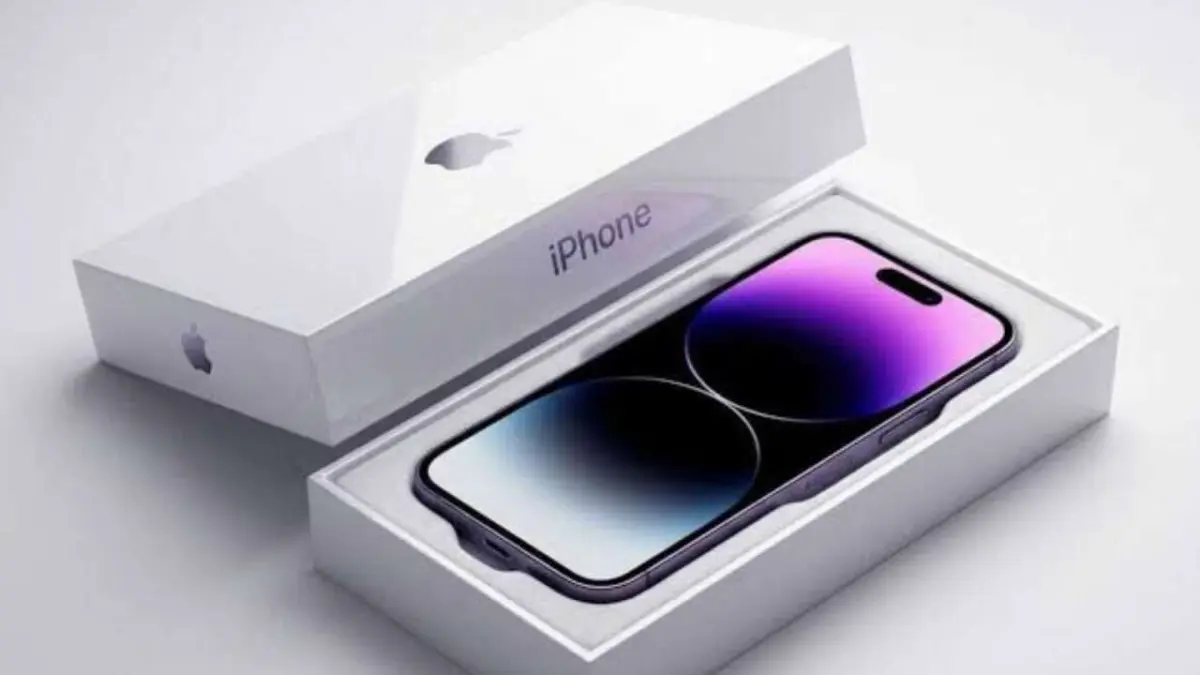
CUPERTINO, CA – October 9, 2026 – Apple Inc., the technology titan synonymous with premium smartphones, is reportedly confronting a challenging landscape for its latest flagship devices, the iPhone 18 Pro and iPhone 18 Pro Max. Just weeks after their much-anticipated September launch, industry sources indicate a significant recalibration in Apple’s production strategy, signaling a potential cooling of consumer demand. This development comes amid a confluence of factors, including escalating device prices, a surge in memory chip costs, and a broader deceleration in the global smartphone market.
Main Facts: A Sudden Shift in Production Strategy
The tech world is abuzz with reports suggesting that Apple has initiated a notable reduction in component orders for its high-end iPhone 18 Pro series. According to a detailed report from Nikkei Asia, the Cupertino-based giant has instructed its extensive network of suppliers to decrease component production for both the iPhone 18 Pro and iPhone 18 Pro Max by a substantial 15 to 20 percent for the month of October. This move, a stark departure from the typical post-launch ramp-up, points to an immediate response to market signals.
The primary drivers behind this reported cutback are twofold: the higher price points introduced with the iPhone 18 Pro series and the relentless increase in global memory chip costs, which are directly impacting manufacturing expenses. These factors appear to be exerting significant pressure on sales volumes, leading Apple to adjust its supply chain expectations downwards. Further corroborating these concerns, analysts from UBS have noted a decline in average waiting times for the iPhone 18 Pro across more than 30 global markets. While this could ostensibly indicate improved supply chain efficiency, it more commonly serves as a bellwether for softening demand, suggesting that the initial rush of early adopters may be tapering off faster than anticipated. The implications of such a reduction, particularly so soon after a major product launch, resonate deeply across the vast ecosystem of Apple’s suppliers and the broader technology sector.
Chronology: From Enthusiastic Launch to Cautious Adjustment
The journey of the iPhone 18 Pro series from its grand unveiling to the current production adjustments paints a compelling picture of the volatile dynamics within the premium smartphone market.
The iPhone 18 Series Launch: High Hopes and Premium Positioning
The global technology community eagerly anticipated Apple’s annual September launch event, where the iPhone 18 Pro and iPhone 18 Pro Max took center stage. The presentation showcased a suite of advancements, including a rumored next-generation A-series chip promising unprecedented performance, significant enhancements to the camera system with advanced computational photography capabilities, and refined design elements, potentially featuring new materials or a more durable construction. Apple emphasized its commitment to innovation, highlighting features designed to enhance user experience, productivity, and connectivity.
Initial market reception, as often is the case with new iPhone generations, was marked by considerable buzz. Pre-order figures, though not publicly disclosed by Apple, were widely speculated to be robust, fueled by loyal customers and tech enthusiasts eager to experience the latest in smartphone technology. Analysts, in their pre-launch forecasts, largely projected strong sales, banking on Apple’s brand loyalty and its ability to command a premium in the market. The pricing strategy for the iPhone 18 Pro series, however, was a notable talking point even then. With a reported $100 increase in the US market and an even more significant hike in emerging economies like India, where the Pro model started at Rs 1,64,900 and the Pro Max at Rs 1,79,900, Apple clearly positioned these devices at the absolute apex of the smartphone market, banking on the perceived value and aspirational appeal of its products. This premium pricing was justified by the company and its proponents through a narrative of superior technology, ecosystem integration, and long-term value.
)
Emerging Market Signals: The First Cracks in Demand
Within weeks of the initial launch euphoria, the first subtle signs of potential headwinds began to emerge. The earliest public indicator came from UBS analysts, who meticulously tracked average waiting times for the iPhone 18 Pro across over 30 international markets. The observation of decreased waiting periods, while seemingly positive from a supply chain perspective, quickly shifted the conversation towards demand. In the context of a new iPhone launch, a rapid reduction in wait times often implies that the initial burst of demand is being met more quickly than expected, or, more critically, that overall demand is simply not as robust as initial projections.
This analytical insight soon gained tangible support with the Nikkei Asia report, which surfaced in early October, less than a month after the devices hit retail shelves. The report, citing multiple sources within Apple’s supply chain, detailed specific instructions from Apple to its component manufacturers to scale back production for October by 15-20 percent for the Pro models. This direct action by Apple, rather than a mere observation, elevated the concerns from speculative analysis to confirmed operational adjustments, indicating that the company itself had identified a gap between initial production targets and actual market absorption.
Broader Economic Context: A Challenging Global Environment
The trajectory of the iPhone 18 Pro series cannot be fully understood without considering the broader global economic climate. The period leading up to and during its launch has been characterized by persistent inflationary pressures across major economies. Consumers worldwide have been grappling with increased costs of living, from groceries to energy, which inevitably impacts discretionary spending on high-value items like premium smartphones.

Furthermore, while the immediate post-pandemic era saw significant supply chain disruptions, leading to component shortages and production delays, the landscape has gradually shifted. Manufacturers are now facing different challenges, including potential oversupply in certain sectors and the escalating costs of crucial components. The memory chip market, in particular, has seen a dramatic price surge, driven by heightened demand from burgeoning AI data centers and other advanced technological applications. This has a direct impact on the bill of materials for smartphones, forcing manufacturers to either absorb higher costs, which eats into profit margins, or pass them on to consumers, which risks alienating price-sensitive segments. For Apple, traditionally adept at navigating supply chain complexities, these combined economic forces represent a significant test of its pricing power and market resilience.
Supporting Data: The Interplay of Price, Costs, and Market Dynamics
The reported production cuts for the iPhone 18 Pro series are not isolated incidents but rather symptomatic of deeper trends affecting both Apple and the broader smartphone industry. A closer examination of the underlying data reveals a complex interplay of pricing strategies, rising component costs, and shifting consumer behavior in a challenging economic environment.
The Pricing Conundrum: Apple’s Premium Strategy Under Scrutiny
Apple’s decision to elevate the price point for the iPhone 18 Pro series has emerged as a central factor in the cooling demand. In India, the Pro model’s starting price of Rs 1,64,900 and the Pro Max’s Rs 1,79,900 represent a significant investment for consumers. Similarly, the $100 price hike in the United States, pushing the entry-level Pro model potentially over the psychological $1,000 or even $1,100 mark, places it firmly in the ultra-premium segment.
)
Historically, Apple has successfully executed a premium pricing strategy, relying on brand loyalty, perceived quality, and a robust ecosystem to justify higher costs. However, in an era of global economic uncertainty and tightening household budgets, even the most dedicated Apple enthusiasts may find these prices prohibitive. The psychological impact of a higher price point cannot be overstated; it forces consumers to meticulously evaluate the incremental value proposition against the backdrop of their financial realities. This is particularly pertinent in markets like India, where disposable income, while growing, remains sensitive to significant price increases, especially when older iPhone models or equally capable Android alternatives are available at more accessible price points. The gap between the aspiration to own the latest iPhone and the practical affordability of doing so appears to be widening for a significant segment of the market.
The Memory Chip Factor: A Supply Chain Squeeze
A critical, often unseen, contributor to the iPhone 18 Pro’s higher cost and subsequently, its demand challenges, is the escalating price of memory chips. These essential components, including DRAM and NAND flash memory, are vital for the smooth operation and data storage capabilities of modern smartphones. The current surge in their prices is not merely an inflationary ripple but a direct consequence of a paradigm shift in global technology.
The exponential growth of Artificial Intelligence (AI) and the massive infrastructure required to support it – primarily AI data centers – have created an unprecedented demand for high-performance memory. Tech giants are investing heavily in these data centers, voraciously acquiring advanced memory chips to power their AI models and services. This intense competition for supply has driven up prices across the board, impacting not just Apple but all manufacturers of smartphones and other electronic devices. For Apple, known for its vast purchasing power and long-term supplier contracts, this still translates into higher input costs. These increased costs either erode Apple’s traditionally healthy profit margins or are passed on to the consumer, contributing to the elevated retail prices that are now potentially dampening demand. The intricate dance between supply, demand, and technological evolution in the semiconductor industry is directly playing out in the hands of iPhone buyers.
)
Global Smartphone Market Trends: A Shrinking Pie with Higher Stakes
The challenges faced by the iPhone 18 Pro series are also situated within a broader, less optimistic outlook for the global smartphone market. Research firm IDC projects a significant 16.7% drop in global smartphone shipments in 2026. This forecast indicates a continued contraction in the overall market, suggesting that consumers are either holding onto their devices for longer periods, opting for more budget-friendly alternatives, or simply delaying upgrades.
Compounding this contraction, IDC also anticipates that the average selling price (ASP) of smartphones is expected to rise by 27.6%. This paradoxical trend – a shrinking market coupled with higher prices – creates a particularly challenging environment for premium segment players like Apple. While higher ASPs might initially seem beneficial for revenue, they can lead to lower unit sales if consumers balk at the increased cost, especially in a contracting market. This scenario intensifies competition, forcing manufacturers to differentiate their offerings more aggressively or risk losing market share. The days of guaranteed exponential growth in smartphone shipments appear to be over, replaced by a more mature and discerning market where value proposition and affordability are becoming increasingly critical.
Regional Economic Pressures: The Rupee’s Role in India’s Pricing
The impact of global economic trends is often amplified at a regional level, and India provides a salient example. The weakening of the Indian Rupee against major global currencies, particularly the US Dollar, significantly exacerbates the pricing challenge for imported electronics. Since Apple sources components globally and prices its products in US Dollars before converting them for local markets, a depreciating Rupee directly translates into higher landed costs for the iPhone.
)
This currency fluctuation forces Apple to adjust local pricing upwards to maintain its profit margins, further pushing the iPhone 18 Pro series out of reach for many Indian consumers. India is a crucial growth market for Apple, and these local economic pressures complicate its strategy to penetrate deeper into the country’s vast consumer base. The confluence of global component cost increases and local currency depreciation creates a double whammy, making premium iPhones disproportionately expensive in a market where price sensitivity is relatively high compared to developed economies. Similar challenges are likely faced by Apple in other markets experiencing economic instability or significant currency depreciation.
The Foldable Frontier: iPhone Duo’s Pre-Launch Challenges
Beyond the current flagship models, Apple’s foray into the foldable smartphone market with the rumored "iPhone Duo" is already facing scrutiny, even before its official launch. The reported delay and the staggering price point of Rs 2,99,900 for the 256GB model in India highlight the immense challenges inherent in this nascent technology. A source speaking to Nikkei Asia bluntly described the device as "pricey for a smartphone," an understatement given its near-three-lakh rupee cost.
The manufacturing process for a foldable display is inherently more complex and costly than traditional flat-panel screens. This involves sophisticated hinge mechanisms, ultra-thin flexible glass, and intricate internal component arrangements, all of which contribute to higher production expenses. Furthermore, Apple’s legendary, almost obsessive, commitment to quality standards adds another layer of complexity and cost. Ensuring the durability, longevity, and seamless user experience of a foldable device to Apple’s exacting specifications requires extensive research, development, and stringent testing, which inevitably prolongs the development cycle and inflates manufacturing costs.
)
The iPhone Duo, at its projected price, clearly targets an extremely niche segment of the market – early adopters who prioritize a large, versatile screen in a compact form factor, and for whom cost is a secondary concern. However, its exorbitant price tag undoubtedly places it beyond the reach of the vast majority of consumers, even within the premium segment. The challenges facing the iPhone Duo underscore the innovation vs. affordability dilemma that plagues many cutting-edge technologies. While it may showcase Apple’s engineering prowess, its commercial viability, at least initially, appears limited by its prohibitive cost and the technical hurdles of mass production.
Official Responses: Apple’s Characteristic Silence and Analyst Interpretations
In the high-stakes world of technology, market rumors, especially concerning production cuts for a flagship product, can send ripples through investor confidence and supplier networks. How companies respond, or choose not to respond, often becomes part of the story itself.
Apple’s Silence: A Strategic Stance
True to its long-standing corporate policy, Apple Inc. has maintained a characteristic silence regarding the reports of iPhone 18 Pro production cuts and component order reductions. The company rarely, if ever, comments on supply chain rumors, speculative production figures, or unofficial sales data. This strategic reticence serves multiple purposes. Firstly, it prevents Apple from inadvertently providing competitive intelligence to rivals. Secondly, and perhaps more critically, it protects the company from the immense stock market sensitivity associated with such information. Any official confirmation or denial could trigger significant fluctuations in its share price, impacting investor confidence and market capitalization. By adhering to a policy of non-disclosure outside of official earnings reports and product announcements, Apple controls its narrative and avoids validating or refuting potentially misleading information.
)
Therefore, while the market eagerly awaits an official word, it is highly improbable that Apple will issue a statement directly addressing the Nikkei Asia report or the UBS analyst observations. Any insights into the company’s performance or forward-looking guidance will almost certainly be reserved for its upcoming quarterly earnings call, where executives provide a broader overview of sales, revenue, and market conditions, often couched in careful language that avoids granular details about specific product models or production volumes.
Supplier Perspectives: Indirect Signals and Market Impact
While Apple’s direct suppliers are bound by strict non-disclosure agreements and will not comment publicly on specific orders, the impact of such news resonates through the broader manufacturing ecosystem. Reports of production cuts for a major client like Apple can cause ripple effects, influencing the stock prices of key component manufacturers and contract assemblers. These companies’ financial forecasts are often closely tied to anticipated Apple orders, and any downward adjustment can necessitate their own internal revisions.
The general sentiment within the tech manufacturing sector also shifts. When a bellwether like Apple adjusts its production, it can be interpreted as an early indicator of wider market trends, prompting other players to reassess their own strategies and inventory levels. While direct statements are absent, the collective movement of supplier stock prices and internal industry chatter often serve as indirect confirmations of such market shifts.
)
Analyst Interpretations: Refining Forecasts and Market Outlook
In the absence of official statements from Apple, financial analysts and market researchers play a crucial role in interpreting available data and guiding investor sentiment. UBS’s observation of decreased waiting times for the iPhone 18 Pro, for instance, was an early, data-driven indicator that suggested a potential demand imbalance. Following the Nikkei Asia report, other analytical firms and investment banks would undoubtedly be re-evaluating their sales forecasts for Apple’s current fiscal quarter and the upcoming year.
These analysts differentiate between short-term adjustments and long-term trends. A 15-20% cut for a single month might be seen as a tactical response to initial market feedback, rather than a catastrophic failure. However, if these adjustments persist or deepen in subsequent months, it would signal a more systemic challenge for Apple’s premium iPhone strategy. Analysts will be closely scrutinizing Apple’s upcoming earnings call for any subtle cues or forward guidance that might shed more light on the company’s internal assessment of the market and its plans to address potential demand shortfalls. Their interpretations will shape investor perceptions of Apple’s immediate future and its ability to navigate a complex economic landscape.
Implications: Navigating a Shifting Technological and Economic Landscape
The reported production cuts for the iPhone 18 Pro series, coupled with the challenges facing the potential iPhone Duo, carry significant implications for Apple, the premium smartphone market, and consumers worldwide. This moment could mark a critical juncture, prompting strategic re-evaluations and influencing future product development.
)
For Apple’s Strategy: Re-evaluating the Premium Proposition
For Apple, these developments underscore the increasing difficulty of maintaining aggressive growth in a mature and saturated smartphone market, especially with ever-increasing price points. The company might be compelled to adjust its long-term strategy in several ways. This could include a renewed focus on its burgeoning services division, which offers recurring revenue streams and is less susceptible to hardware sales fluctuations. Diversifying its product line beyond the iPhone, perhaps with greater emphasis on wearables, home devices, or augmented/virtual reality, could also become a more urgent priority.
Critically, Apple may need to re-evaluate its pricing strategy. While its premium positioning has been a cornerstone of its success, the market might be signaling a ceiling for what consumers are willing or able to pay. This could lead to greater differentiation between the Pro and non-Pro iPhone models, offering more compelling features on the Pro to justify its higher cost, or even exploring more accessible pricing tiers for certain markets. The tension between pushing innovation and maintaining affordability will become a more central challenge for Apple’s product development and marketing teams.
For the Premium Smartphone Market: A Bellwether for Broader Trends
Apple’s challenges often serve as a bellwether for the broader premium smartphone market. If even Apple, with its unparalleled brand loyalty and ecosystem, struggles with demand for its high-end devices at elevated price points, it suggests a wider market fatigue. This could force other premium smartphone manufacturers, particularly those in the Android ecosystem, to re-examine their own strategies. They might find themselves in an even more precarious position, lacking Apple’s brand power to command similar price premiums.
)
The current environment could lead to increased competition, not just on features, but intensely on value. High-end Android manufacturers might double down on offering more features, superior specifications, or innovative designs at price points significantly below the iPhone Pro series, aiming to capture consumers who are looking for premium experiences without the "Apple tax." This could intensify the battle for market share among the top-tier smartphone brands.
For Consumers: The Power of Prudence and Patience
For consumers, these market dynamics present both challenges and opportunities. The advice from the original article – "Users with functional phones should wait and compare options" – becomes even more pertinent. The cooling demand and potential production adjustments mean that initial scarcity might ease, leading to better availability and potentially even future promotions or discounts, though Apple is historically reluctant to cut prices directly.
Consumers now have a stronger incentive to evaluate the value proposition of older iPhone models, which often offer significant capabilities at a reduced cost, or to consider high-quality refurbished devices. Furthermore, the robust competition in the Android premium segment means there are numerous compelling alternatives that might offer comparable features or unique selling points at more attractive price points. The era of automatic upgrades might be waning, replaced by a more considered purchasing process where factors like longevity, repairability, and overall value become paramount. The increasing importance of financing options, trade-in programs, and carrier subsidies will also shape how consumers access these high-value devices.
)
Economic Barometer: Apple as a Microcosm of Global Health
Apple’s sales performance, particularly for its flagship products, is often seen as a significant indicator of global consumer spending health. As the world grapples with inflation, geopolitical uncertainties, and varying economic growth rates, the tech sector, and especially premium consumer electronics, tends to react acutely to shifts in discretionary income. A slowdown in iPhone sales can therefore be interpreted as a broader signal of economic caution among consumers worldwide, reflecting tighter budgets and a greater reluctance to splurge on non-essential, high-cost items. Apple’s upcoming earnings call will be closely watched not just for its own performance, but as a barometer for the broader economic climate.
The Future of Foldables: A Niche, Costly Innovation
The challenges highlighted for the iPhone Duo – its prohibitive price and manufacturing complexity – cast a long shadow over the immediate future of foldable smartphones. While undeniably innovative, these devices appear destined to remain a niche luxury item for the foreseeable future, rather than a mass-market phenomenon. The cost barriers associated with developing and manufacturing reliable foldable displays and hinges are simply too high for widespread adoption at present.
This implies that while foldables will continue to represent the cutting edge of smartphone design, their impact on overall market share will likely remain minimal for years to come. The innovation-vs.-affordability dilemma is particularly acute in this segment, forcing manufacturers like Apple to balance technological ambition with commercial viability. Until significant advancements in materials science and manufacturing processes drive down costs, and consumer demand truly justifies the premium, foldable phones will likely appeal only to a select group of early adopters and technology enthusiasts.
)
In conclusion, the reported production adjustments for the iPhone 18 Pro series mark a significant moment for Apple. They reflect a complex interplay of internal pricing strategies, external economic pressures, and evolving consumer behavior in a global market that is becoming increasingly challenging to navigate. How Apple responds to these headwinds will undoubtedly shape its product strategy, market positioning, and financial performance in the years to come, sending ripples across the entire technology industry.
