

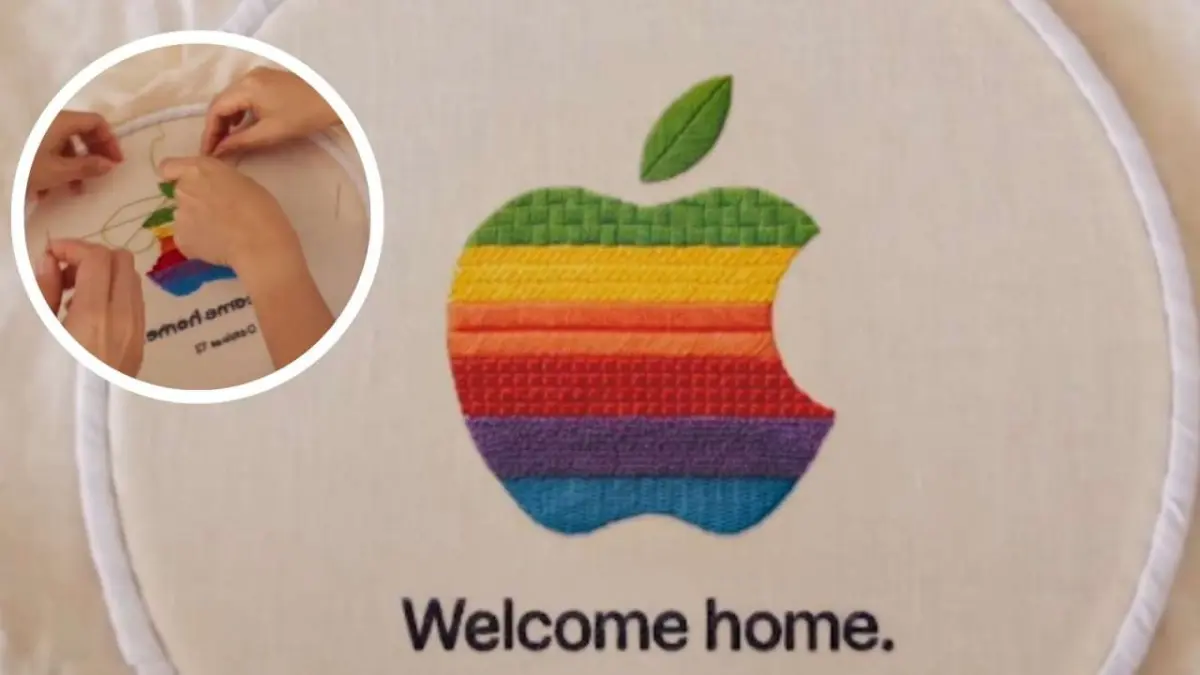
CUPERTINO, CA – Apple is poised to redefine the smart home landscape with its highly anticipated "Welcome Home" event, scheduled for October 13. Breaking from its traditional product unveilings, this event is branded as an "Apple Experience," signaling a focused and immersive presentation dedicated to the connected home. Industry analysts and consumers alike are buzzing with expectations for a new central smart home hub, rumored to be named HomePad, alongside significant updates to the HomePod mini and Apple TV 4K. This strategic pivot underscores Apple’s ambitious vision to integrate its ecosystem more deeply into daily life, promising a seamless, intelligent, and secure living environment.
Main Facts: Apple Prepares to Unveil its Smart Home Vision
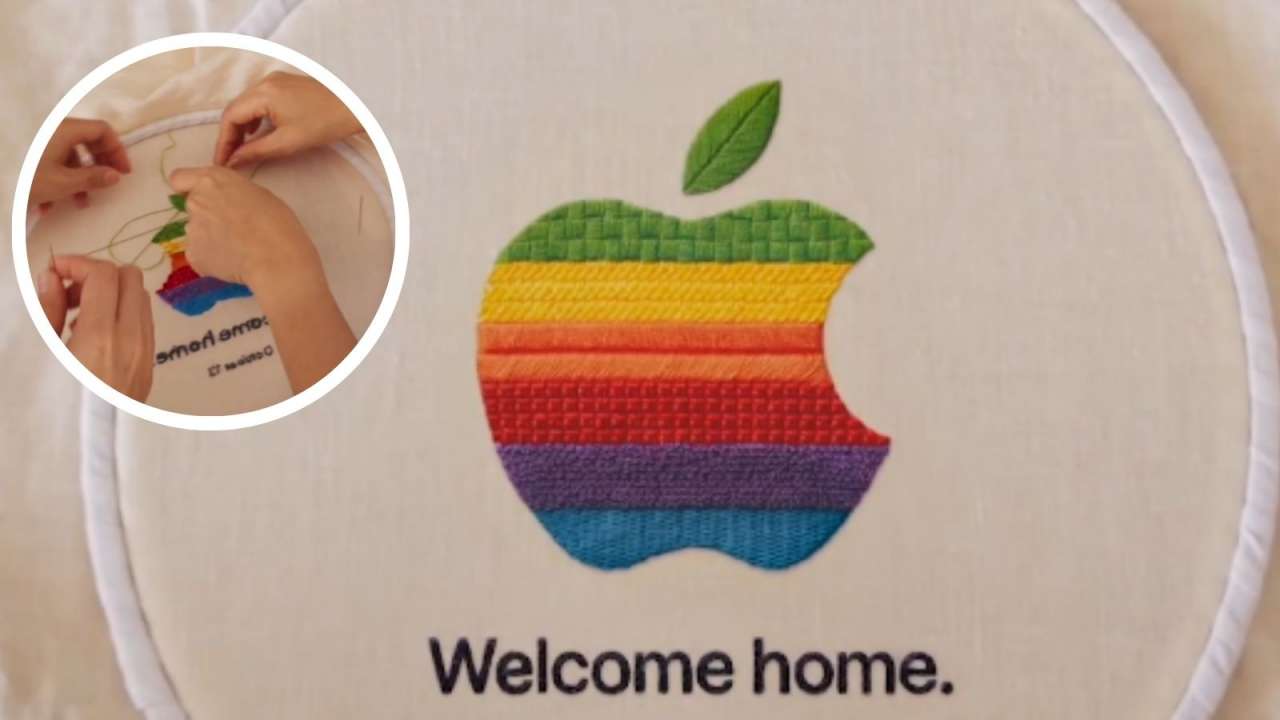
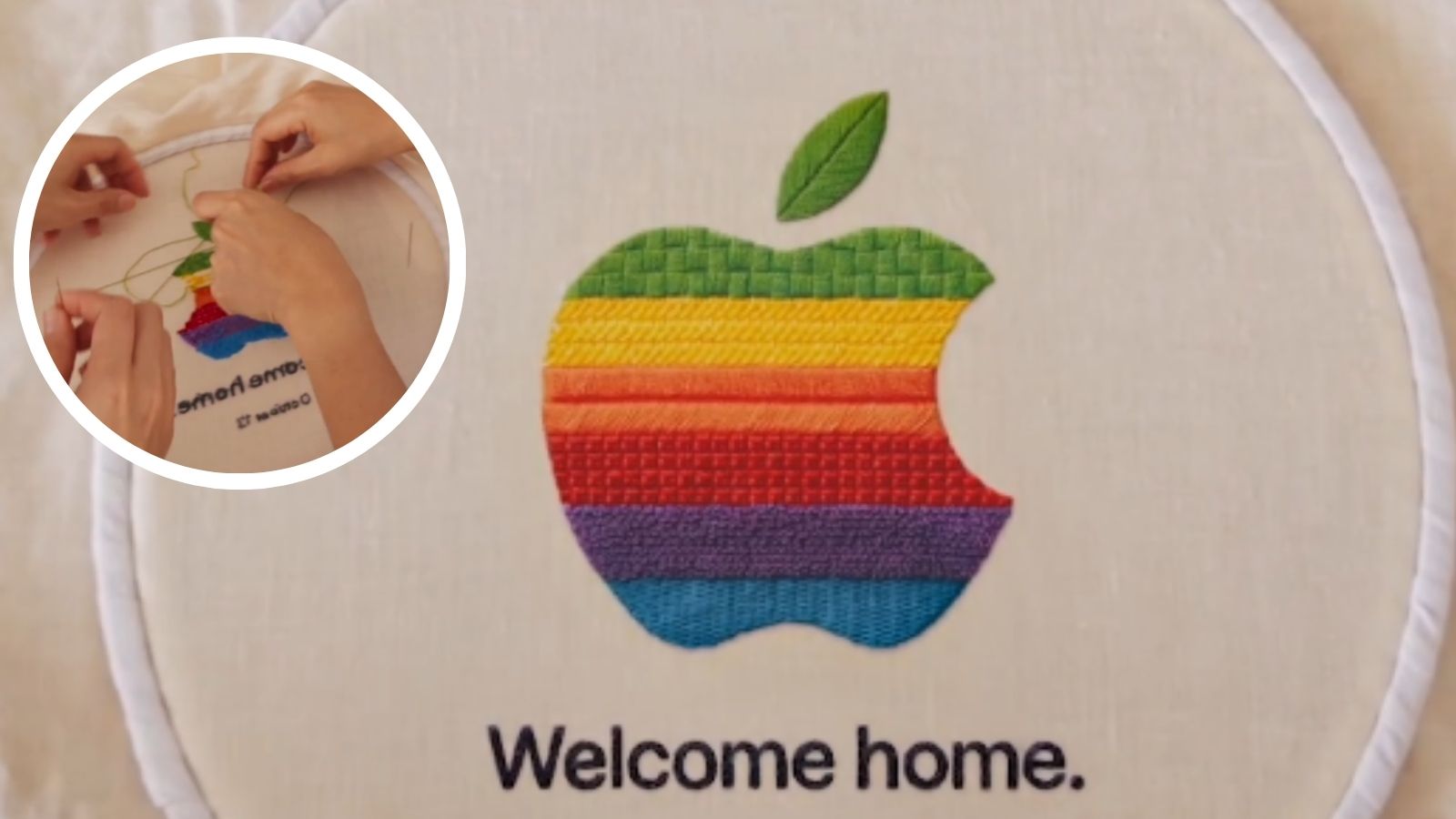
On October 13, at 9 AM ET (6:30 PM IST), Apple will host its pivotal "Welcome Home" event live from New York. This event marks a crucial moment for the tech giant as it shifts its spotlight squarely onto smart home innovation. The central theme, heavily hinted at by Apple’s marketing chief Greg Joswiak’s cryptic teaser on X featuring a retro Apple logo, is the Thread smart home standard and an array of new home devices. This departure from a standard keynote format to an "Apple Experience" suggests a more narrative-driven presentation, designed to showcase the interconnectedness and practical applications of Apple’s smart home ecosystem rather than merely listing specifications.
The flagship announcement is widely expected to be Apple’s first dedicated home hub, provisionally dubbed "HomePad." This device is anticipated to feature a 6-inch screen and arrive in two distinct models: one designed for elegant wall-mounting and another with a speaker base for versatile table placement. Running on a specialized "homeOS," an adaptation of tvOS, the HomePad promises a rich user interface with widgets, Apple applications, a calendar, and comprehensive smart home controls. Crucially, it is rumored to incorporate a camera for FaceTime calls, recipe videos, and advanced presence sensors capable of voice and facial recognition to personalize interactions for individual family members. Pricing is speculated to start around USD 350, or approximately Rs 33,000, in the US market.
Beyond the HomePad, significant enhancements are expected for existing smart home stalwarts. The HomePod mini is slated for an update, potentially featuring a faster processor, the N1 networking chip, support for cutting-edge Wi-Fi 7 and Bluetooth 6, and integrated Thread support, possibly alongside new color options and advanced AI capabilities for Siri. The Apple TV 4K is also in line for a refresh, with expectations of the N1 chip, a powerful A19 or A19 Pro chip, up to 12GB of RAM, and improved Siri AI functions, further cementing its role as a powerful entertainment and smart home hub. Reports also suggest the teasing of LG-related smart home accessories, including an indoor camera, thermostat, and video doorbell, indicating a broadening of Apple’s HomeKit ecosystem.
)
Chronology: Tracing Apple’s Path to the Connected Home
Apple’s journey into the smart home has been a gradual yet deliberate evolution, marked by both innovative breakthroughs and strategic recalibrations. The "Welcome Home" event is not an isolated launch but the culmination of years of development, market observation, and a steadfast commitment to privacy and user experience.
Early Forays and HomeKit’s Genesis:
Apple officially stepped into the smart home arena with the introduction of HomeKit in 2014. Initially, HomeKit was a software framework designed to allow users to securely control compatible smart home accessories using their iOS devices and Siri. It focused on interoperability and privacy, setting a high bar for accessory manufacturers. However, early adoption was slow, partly due to stringent certification requirements and a relatively limited ecosystem of compatible devices.

The Original HomePod and its Challenges:
In 2017, Apple unveiled the original HomePod, a premium smart speaker designed to deliver exceptional audio quality and serve as a powerful Siri-enabled assistant and HomeKit hub. While lauded for its sound fidelity, its high price point (USD 349), limited smart home functionality compared to competitors like Amazon Echo and Google Home, and Siri’s initial limitations outside of Apple’s ecosystem, constrained its market penetration. The original HomePod was eventually discontinued in March 2021, a testament to Apple’s willingness to learn and adapt its strategy.
The Rise of the HomePod mini:
The HomePod mini, launched in October 2020, represented a strategic shift. Priced at a more accessible USD 99, it offered a compelling balance of decent audio, robust Siri capabilities, and crucial support for the Thread networking standard. The HomePod mini quickly gained traction, becoming a cornerstone of Apple’s HomeKit ecosystem, acting as a reliable hub and demonstrating the potential of a more affordable and integrated smart home device.
)
Apple TV as a HomeKit Hub:
Concurrently, the Apple TV has long served as an integral part of Apple’s smart home strategy, functioning as a HomeKit hub. Its role as a media consumption device combined with its always-on connectivity made it a natural fit for managing smart home accessories, automations, and remote access. Subsequent generations of Apple TV have continuously enhanced its processing power, reinforcing its capabilities as a central home device.
The Advent of Matter and Thread:
A significant development influencing Apple’s current smart home trajectory is its active involvement in the development of the Matter standard. Matter, an open-source connectivity standard backed by Apple, Amazon, Google, Samsung, and numerous other industry players, aims to simplify smart home setup and improve interoperability across different brands and ecosystems. Apple’s embrace of Matter, alongside its continued support for Thread (a low-power, mesh networking protocol vital for reliable device communication), signals a commitment to a more open and user-friendly smart home future.
)
Pre-Event Buzz and Joswiak’s Teaser:
The anticipation for the "Welcome Home" event has been fueled by a steady stream of leaks and analyst reports, particularly from reliable sources like Bloomberg’s Mark Gurman, who has long detailed Apple’s ambitions for a screen-equipped smart home device. Greg Joswiak’s recent X post, featuring a retro Apple logo and the "Welcome Home" tagline, served as the sole official teaser. The vintage logo, reminiscent of early Apple iconography, is widely interpreted as a nod to the foundational technologies and open standards like Thread that will underpin Apple’s new smart home vision, emphasizing a return to simplicity and fundamental connectivity. The branding as an "Apple Experience" rather than a traditional keynote also aligns with Apple’s strategy to showcase an integrated lifestyle rather than just individual products.
Supporting Data: A Deep Dive into Anticipated Products
The "Welcome Home" event is expected to unveil a trifecta of devices designed to elevate the smart home experience. Each product, from the revolutionary HomePad to the refined HomePod mini and Apple TV 4K, plays a crucial role in Apple’s comprehensive strategy.
)
The HomePad Hub: The New Central Command
The "HomePad," Apple’s first dedicated home hub with a screen, is poised to be the star of the show. This device represents a significant evolution from previous Apple smart home offerings, merging visual interaction with powerful smart capabilities.
- Name and Concept: While "HomePad" is a speculative name, it aptly conveys its role as a central tablet-like interface for the home. Unlike a standard iPad, it is not merely a portable tablet but a purpose-built, always-on device designed for communal access and fixed locations within the home.
- Design and Models: The rumored 6-inch screen size positions it as an ideal interactive display for common areas like kitchens, living rooms, or hallways. The expectation of two models—a wall-mountable variant and a table-top version with an integrated speaker base—addresses different aesthetic and functional needs. The wall-mountable design offers a sleek, integrated look, potentially serving as a digital art frame or a central control panel. The table-top version, with its speaker base, suggests enhanced audio capabilities, making it suitable for music playback, podcasts, and video calls.
- Operating System: homeOS: The introduction of "homeOS," based on tvOS, is a critical detail. tvOS, known for its clean, intuitive interface on Apple TV, provides a solid foundation for a dedicated home operating system. "homeOS" is expected to offer a visually rich experience with:
- Widgets: Customizable widgets for quick access to information like weather, traffic, news, and family schedules.
- Apple Apps: Integrated access to essential Apple services like Apple Music, Apple TV+, Podcasts, Reminders, and Calendar, tailored for a shared home environment.
- Calendar and Smart Home Controls: A centralized family calendar and intuitive controls for all HomeKit-compatible devices, including lights, thermostats, locks, and cameras, making management effortless.
- Key Features:
- Camera for FaceTime and Recipe Videos: The inclusion of a camera is a game-changer. It opens up possibilities for hands-free FaceTime calls with family and friends, group video chats, and practical applications like displaying recipe videos in the kitchen. Apple’s historical emphasis on privacy will be paramount here, with expected features like privacy shutters or clear indicators when the camera is active.
- Presence Sensors with Voice and Facial Recognition: This advanced capability is perhaps the most exciting and ambitious. By identifying individual family members through voice and facial recognition, the HomePad could offer a truly personalized experience. Imagine waking up to a personalized greeting, a curated news brief, or a calendar update tailored to your schedule. It could also trigger personalized smart home automations, such as adjusting lighting or music preferences as you enter a room. This moves Apple closer to ambient computing, where technology anticipates needs rather than merely responding to commands.
- Pricing and Availability: The anticipated starting price of USD 350 (approximately Rs 33,000) positions the HomePad as a premium smart home hub, aligning with Apple’s usual market strategy. While higher than many competitors, Apple aims to justify this with superior integration, privacy, and user experience.
Updated HomePod mini: Enhanced Intelligence in a Compact Form
The HomePod mini has been a quiet success story for Apple, and its expected update will solidify its role as a ubiquitous smart speaker and HomeKit hub throughout the home.
)
- Processor and Connectivity: The update is likely to include a faster, more efficient processor, ensuring snappier performance for Siri requests and smart home automations. The inclusion of the N1 networking chip, Wi-Fi 7, and Bluetooth 6 signifies a significant leap in connectivity. Wi-Fi 7 offers substantial speed and lower latency, crucial for high-bandwidth audio streaming and reliable smart home communication. Bluetooth 6 will enhance device pairing and connection stability. Crucially, continued and possibly enhanced Thread support will improve mesh networking capabilities, ensuring seamless and robust communication between all compatible smart home devices.
- Design and Aesthetics: While the core design is expected to remain largely unchanged, new color options could be introduced. Apple often refreshes its product lines with new colors to maintain appeal and offer consumers more choice, helping the HomePod mini blend seamlessly into various home aesthetics.
- AI Features for Siri: The most impactful upgrade for the HomePod mini will likely be enhanced AI features for Siri. This could manifest as:
- More Natural Conversations: Improved contextual understanding, allowing Siri to follow multi-part commands and remember previous interactions.
- Proactive Assistance: Siri might become more proactive, suggesting actions based on routines, calendar events, or learned preferences.
- Advanced Smart Home Control: More granular and intuitive control over HomeKit devices, including complex scene activations and troubleshooting.
- Personalized Responses: Leveraging on-device machine learning to provide more personalized information without compromising privacy.
New Apple TV 4K: The Entertainment and Home Hub Powerhouse
The Apple TV 4K has long served a dual purpose: a premium entertainment hub and a reliable HomeKit bridge. The rumored update will significantly boost its capabilities in both areas.
- Chipset and Performance: The integration of the N1 chip, along with a powerful A19 or A19 Pro chip, will bring a massive leap in processing power. This will translate to:
- Enhanced Gaming: Smoother graphics, faster load times, and support for more demanding games from Apple Arcade and other platforms.
- Seamless Streaming: Faster navigation, quicker app launches, and potentially support for even higher frame rates or advanced video codecs in the future.
- Robust HomeKit Hub: More efficient processing of smart home commands, faster automation execution, and the ability to manage a larger number of connected devices without lag.
- RAM: An increase to up to 12GB of RAM is substantial for a set-top box. This will allow for more applications to run simultaneously in the background, smoother multitasking, and improved overall system responsiveness, especially when juggling high-resolution video streams, games, and smart home functions.
- Siri AI Functions: Similar to the HomePod mini, the new Apple TV 4K is expected to gain enhanced Siri AI capabilities. This could improve content discovery, allow for more natural voice commands for media playback, and deepen its integration with smart home controls, making it an even more intuitive central interface for the living room.
- Role in HomeKit: With a more powerful chip and enhanced AI, the Apple TV 4K will further solidify its position as an indispensable HomeKit hub, capable of handling more complex automations and serving as a reliable backbone for the entire smart home ecosystem.
LG-related Accessories and Broader Ecosystem Expansion
Reports indicating the teasing of LG-related accessories—an indoor camera, thermostat, and video doorbell—are highly significant. This suggests a potential collaboration between Apple and a major appliance manufacturer for co-branded or deeply integrated HomeKit-native accessories.
)
- Strategic Collaboration: Partnering with a company like LG, a global leader in home appliances, could dramatically expand the HomeKit ecosystem and offer consumers Apple-approved, high-quality smart home devices beyond Apple’s own hardware.
- Filling Gaps: These accessories—a camera, thermostat, and video doorbell—address core smart home needs that Apple has not directly produced. This move could provide a more comprehensive, end-to-end Apple-centric smart home solution.
- Staggered Release: The mention of sales beginning a few months later suggests a strategic rollout, allowing Apple to focus the "Welcome Home" event on its core hardware before expanding into a broader accessory lineup.
Other Potential Announcements (Brief Mention)
While the October 13 event focuses on the smart home, it’s worth noting that Apple is rumored to be planning another presentation on October 27, potentially unveiling new Macs and an OLED iPad mini. This highlights a busy fall product launch schedule for Apple, with a clear delineation between its computing, tablet, and smart home initiatives.
Official Responses: Apple’s Calculated Secrecy
In the highly competitive technology landscape, Apple is renowned for its tightly guarded secrecy regarding unreleased products. This tradition of silence serves multiple strategic purposes, including building intense anticipation, preventing competitors from gaining an early advantage, and ensuring that product announcements deliver maximum impact.
)
For the "Welcome Home" event, Apple has adhered strictly to this policy. There have been no explicit official statements confirming the HomePad, the specifics of the HomePod mini or Apple TV 4K updates, or any LG-related accessories. The sole official teaser came from Greg Joswiak’s post on X (formerly Twitter). His cryptic tweet, featuring the retro Apple logo and the "Welcome Home" tagline, is a classic example of Apple’s marketing strategy: a subtle hint that sparks widespread speculation and interpretation, thereby generating significant pre-event buzz without revealing concrete details.
The retro logo, as discussed, has been widely deciphered by analysts as a nod to the Thread smart home standard, emphasizing Apple’s commitment to foundational, open technologies for its connected home vision. The event’s branding as an "Apple Experience" rather than a standard "keynote" is also an official communication, albeit one that requires interpretation. It signals a departure from a purely technical rundown, suggesting a more holistic, user-centric demonstration of how these new products integrate into and enhance daily life.
)
Regarding privacy and security, while there have been no specific official statements for these unreleased devices, Apple’s long-standing public stance on user privacy remains a foundational principle across all its products. With devices featuring cameras, microphones, and presence sensors (like facial and voice recognition), it is virtually certain that Apple will reiterate its commitment to on-device processing for sensitive data, robust encryption, and clear user controls over data sharing during the event. This proactive approach to privacy will be crucial for building trust, especially as smart home devices become more deeply embedded in personal spaces.
In essence, Apple’s "official response" to pre-event leaks and rumors is a deliberate non-response, punctuated by strategically placed, evocative teasers designed to control the narrative and maximize the impact of the actual unveiling.
)
Implications: Reshaping the Smart Home Landscape
The "Welcome Home" event and its anticipated product lineup carry profound implications for the smart home market, user experience, and Apple’s strategic position in the broader technology industry.
Market Impact and Competition:
- Intensified Competition: The introduction of HomePad directly pits Apple against established players like Amazon (Echo Show devices), Google (Nest Hub devices), and to a lesser extent, Samsung (SmartThings). Apple’s entry with a premium, screen-equipped hub will likely intensify competition, particularly in the higher-end segment of the market.
- Premium Positioning: Apple’s anticipated pricing for the HomePad (USD 350) reinforces its strategy of offering premium products. This differentiates it from the often more budget-friendly offerings from competitors, appealing to users who prioritize design, seamless integration within the Apple ecosystem, and strong privacy features.
- Strengthening HomeKit: The new devices, especially the HomePad, will significantly bolster the HomeKit ecosystem. A dedicated hub with a screen provides a more intuitive and centralized control point, potentially overcoming some of the complexity associated with managing a smart home solely through an iPhone or Siri.
- Matter Adoption Catalyst: Apple’s continued commitment to Thread and its active role in Matter’s development will accelerate the adoption of these open standards. A strong push from Apple, particularly with new hardware supporting Matter, will encourage more manufacturers to integrate the standard, ultimately benefiting consumers through greater interoperability.
- Developer Ecosystem Opportunities: The introduction of "homeOS" and a dedicated screen interface could unlock new opportunities for third-party developers within the HomeKit ecosystem. Developers could create specialized widgets, applications, and integrations tailored for the HomePad, fostering innovation and expanding the utility of Apple’s smart home platform.
User Experience and Privacy:
- Seamless Integration and Simplicity: The core promise of Apple’s smart home vision is seamless integration. The HomePad, HomePod mini, and Apple TV 4K are designed to work harmoniously with each other and with existing Apple devices like the iPhone and Apple Watch. This ecosystem approach aims to simplify the often fragmented smart home experience, making setup, control, and automation more intuitive.
- Personalization and Ambient Computing: Features like facial and voice recognition on the HomePad represent a significant step towards truly personalized and ambient computing. The ability for devices to proactively recognize and respond to individual family members’ needs could transform daily interactions, making technology feel more intuitive and less intrusive.
- Unwavering Focus on Privacy and Security: With advanced sensors and cameras, privacy concerns are paramount. Apple’s historical commitment to privacy will be a key differentiator. Expect robust on-device processing for biometric data, clear indicators for camera and microphone usage, and granular user controls over data sharing. This focus is crucial for building trust in devices that operate within the most personal spaces of our homes.
- Accessibility: Apple’s consistent efforts in accessibility features will likely extend to these new smart home devices, ensuring they are usable by a wide range of individuals, including those with disabilities.
Future of the Smart Home and Apple’s Vision:
- Ubiquitous and Contextually Aware Technology: This event signals Apple’s clear intent to push towards a future where technology is ubiquitous but invisible, contextually aware, and integrated into the fabric of daily life. The HomePad, with its sensors and personalized interactions, is a prime example of this vision.
- Open Standards as a Foundation: Apple’s embrace of Thread and Matter highlights its belief that open standards are essential for the long-term growth and success of the smart home. By advocating for interoperability, Apple aims to reduce consumer friction and accelerate market adoption for the entire industry.
- Long-Term Ecosystem Play: The "Welcome Home" event is not just about individual products; it’s about solidifying Apple’s long-term play in the connected home. By creating a robust, secure, and integrated ecosystem, Apple aims to increase user loyalty and expand its footprint beyond personal devices into the entire living environment. This positions Apple as a central orchestrator of the future intelligent home.
- Potential Challenges: Despite the ambitious vision, challenges remain. The premium price points may limit broad adoption, especially in a market with many affordable alternatives. Educating consumers on the benefits of an integrated ecosystem and overcoming existing smart home fatigue will also be crucial. However, if Apple can deliver on its promise of a truly seamless, intuitive, and private smart home experience, the "Welcome Home" event could indeed mark a significant turning point in the evolution of smart living.
The "Welcome Home" event on October 13 is more than just a product launch; it is Apple’s definitive statement on the future of the smart home. By introducing a dedicated hub, enhancing its existing devices, and championing open standards, Apple is poised to not only enrich its own ecosystem but also profoundly influence the direction of the entire smart home industry, inviting users to experience a truly connected and intelligent way of living.
