

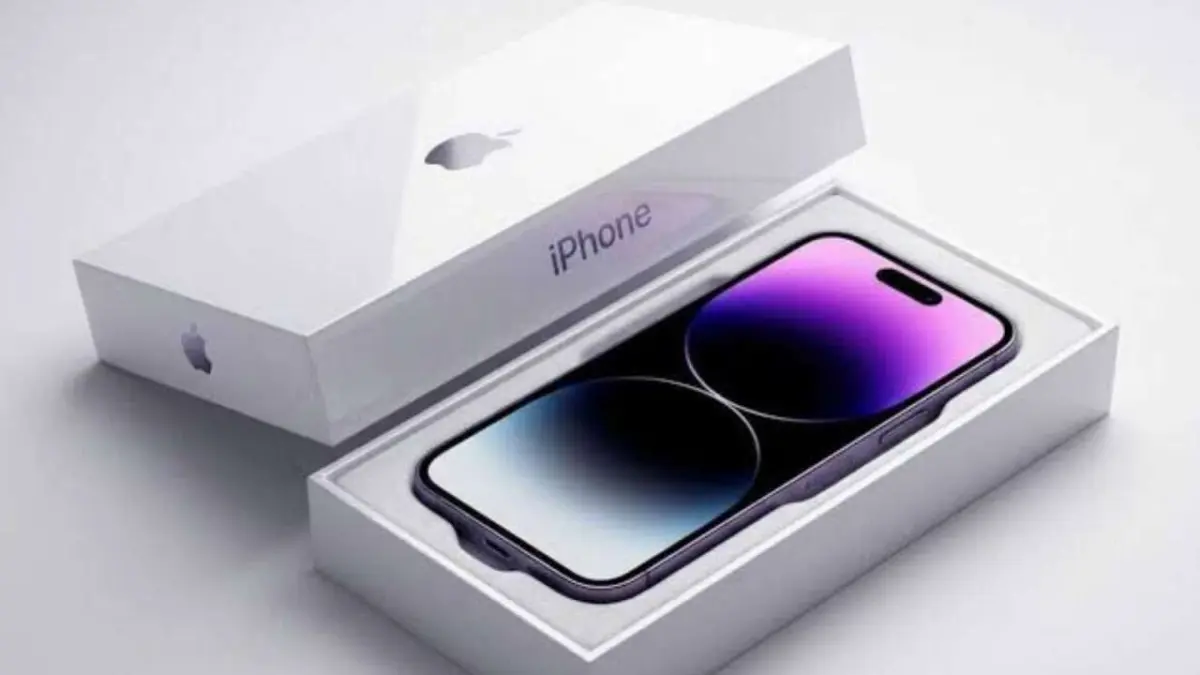
CUPERTINO, CA – October 2026 – In a significant development signaling potential shifts in the high-end smartphone market, Apple Inc. has reportedly instructed its suppliers to reduce component orders for its flagship iPhone 18 Pro and iPhone 18 Pro Max models. The decision, coming just weeks after their much-anticipated September launch, suggests a cooler reception than initially projected, primarily attributed to elevated pricing and a global surge in memory chip costs. This move has sent ripples through the tech industry, prompting questions about consumer spending habits and the sustainability of ever-increasing device prices.
Main Facts: A Sudden Downturn for the Pro Series
Reports emerging from Nikkei Asia, a respected voice in supply chain intelligence, indicate that Apple has requested a substantial reduction in component production for its latest professional-grade iPhones. The directive calls for a cut of 15 to 20 percent for the month of October, directly impacting the manufacturing pipeline for the iPhone 18 Pro and its larger sibling, the iPhone 18 Pro Max. This swift adjustment, so soon after a major product unveiling, is a clear indicator that initial sales projections or ongoing demand are not meeting the tech giant’s internal expectations.
The primary culprits cited for this unexpected slowdown are a confluence of factors: the higher price points at which the iPhone 18 Pro series was introduced, and a global increase in the cost of crucial memory chips, driven by burgeoning demand from the artificial intelligence sector. Furthermore, macroeconomic pressures, such as currency fluctuations in key emerging markets like India, are exacerbating the pricing challenge, making these premium devices even less accessible to a broader consumer base.
UBS analysts have corroborated signs of softening demand, observing a noticeable decrease in average waiting times for the iPhone 18 Pro across more than 30 global markets. While this could, in theory, point to improved supply chain efficiency, the context of reduced production orders strongly suggests that it is a reflection of dwindling consumer interest rather than an abundance of available stock. This development marks a critical juncture for Apple, a company renowned for its robust product launches and typically insatiable consumer demand.
)
A Shift in Fortunes: Chronology of the iPhone 18 Pro Launch
The journey of the iPhone 18 Pro series, from its pre-launch hype to its current production adjustments, offers a compelling narrative of market dynamics at play.
Pre-Launch Hype: Building Anticipation
As is customary with any major Apple release, the months leading up to the iPhone 18 Pro’s unveiling were characterized by an escalating drumbeat of rumors, leaks, and speculative reports. Tech enthusiasts and industry analysts alike eagerly dissected every whisper regarding potential new features, design innovations, and performance enhancements. Expectations were particularly high for the 18 Pro series, with predictions of groundbreaking camera technologies, a more powerful A-series chip leveraging advanced neural engines for on-device AI capabilities, and possibly new display advancements. The anticipation was further fueled by an industry-wide push towards integrating more sophisticated AI features into consumer devices, with Apple expected to lead the charge. This sustained pre-launch buzz typically translates into strong initial demand and pre-orders, setting the stage for a successful product cycle.

The September Unveiling: Innovation Meets Elevated Pricing
The grand unveiling of the iPhone 18 Pro and iPhone 18 Pro Max in September 2026 was met with the usual fanfare. Apple showcased a suite of impressive enhancements, likely focusing on an even more advanced computational photography system, perhaps a revolutionary new display technology, and significant performance gains from its latest proprietary silicon. The emphasis was undoubtedly on the "Pro" capabilities – appealing to power users, content creators, and those seeking the absolute pinnacle of smartphone technology.
However, a notable aspect of this launch was the pronounced increase in pricing. In India, the iPhone 18 Pro started at a steep Rs 1,64,900, with the Pro Max commanding Rs 1,79,900. In the crucial U.S. market, a uniform $100 price hike was applied across the Pro series. While Apple has historically pushed price boundaries, these new thresholds represented a significant jump, especially against a backdrop of global economic uncertainties. Initial market reception, while seemingly strong in the immediate aftermath of the launch event, appears to have quickly encountered resistance from consumers weighing value against cost.
)
Initial Market Reception: Early Indicators and Lingering Doubts
Following the launch, early reports and pre-order figures often paint a picture of initial consumer appetite. While specific numbers are rarely disclosed by Apple, the usual narrative involves rapid sell-outs of initial stock, particularly for the higher-end Pro models. However, even during this initial phase, some analysts might have noted subtle shifts. Perhaps the most expensive configurations weren’t selling as quickly, or certain regions showed less enthusiasm. These early indicators, combined with broader economic sentiment, likely laid the groundwork for the adjustments now being reported. The "honeymoon period" for the iPhone 18 Pro series appears to have been unusually short, quickly transitioning from initial excitement to cautious market re-evaluation.
The October Adjustment: A Pivotal Production Cut
The decision to cut component orders by 15 to 20 percent for October marks a pivotal moment in the iPhone 18 Pro’s product cycle. This is not merely an optimization of supply chain logistics; it is a direct response to observed market performance. Such a significant reduction, so early in the device’s lifecycle, suggests that Apple’s internal sales forecasts have been downgraded. The timing indicates that the company has analyzed early sales data, monitored consumer feedback, and assessed the broader economic climate, concluding that demand at the current price points cannot sustain the initially planned production volumes. This adjustment reflects a proactive measure to prevent overproduction and manage inventory levels, a crucial aspect of Apple’s tightly controlled supply chain operations.
)
Deconstructing the Demand Dip: Supporting Data and Market Dynamics
The reported slowdown in iPhone 18 Pro demand is not an isolated incident but rather a symptom of several interconnected economic and technological trends shaping the global consumer electronics landscape.
The Price Barrier: Reaching the Ceiling of Consumer Willingness
The most immediate and tangible factor impacting sales is the elevated price point of the iPhone 18 Pro series. The $100 increase in the U.S., translating to even higher figures in markets like India due to currency exchange rates and import duties, pushes these devices further into ultra-premium territory. For many consumers, even loyal Apple users, this increment may have proven to be the tipping point. Global economic conditions in 2026, characterized by persistent inflation, rising interest rates, and general cost-of-living increases, have tightened discretionary spending. Consumers are increasingly scrutinizing major purchases, and a smartphone, despite its integral role in modern life, remains a significant investment.
)
Comparing this to previous iPhone generations, Apple has progressively increased prices, but usually alongside clear, demonstrable leaps in technology that justify the cost. For the iPhone 18 Pro, while undoubtedly packed with advanced features, the perceived value proposition may have diminished for a segment of the market. Consumers might be opting to hold onto their current, still highly capable devices for longer, or exploring older, slightly more affordable iPhone models, or even considering premium Android alternatives that offer competitive features at a lower cost.
The Rising Cost of Components: A Supply-Side Squeeze
Beyond consumer-facing prices, Apple faces internal cost pressures, most notably from the escalating price of memory chips. The original article specifically highlights "heightened demand from tech companies for AI data centers." This surge is a direct consequence of the rapid proliferation of artificial intelligence technologies, which require vast amounts of high-bandwidth memory (HBM) and conventional DRAM for processing and storing massive datasets. As cloud providers, enterprise AI solution developers, and even other device manufacturers race to build out their AI infrastructure, the demand for these crucial components has outstripped supply, driving up prices significantly.
)
This increase in the Bill of Materials (BOM) for smartphones directly impacts manufacturing costs. While Apple is known for its strong negotiation power with suppliers, it is not immune to global market forces. These higher component costs either eat into Apple’s notoriously high profit margins or, as seen with the iPhone 18 Pro, are passed on to the consumer in the form of higher retail prices. This creates a difficult balancing act for Apple: absorb the costs and risk lower profitability, or raise prices and risk alienating consumers. The current situation suggests they chose the latter, with an evident impact on demand. Beyond memory chips, other components like advanced display panels, camera modules, and even logistical costs can contribute to overall price pressures.
Global Smartphone Market Trends: A Broader Contraction
The challenges faced by the iPhone 18 Pro series are also situated within a broader, less optimistic outlook for the global smartphone market. Research firm IDC, a leading authority on technology market intelligence, anticipates a significant 16.7% drop in global smartphone shipments for the year 2026. This forecast paints a picture of a maturing market, where saturation levels are high, and innovation, while present, struggles to compel consumers to upgrade as frequently as they once did.
)
Several factors contribute to this anticipated contraction:
- Market Saturation: Most individuals in developed and even many developing markets already own a smartphone. The pool of first-time buyers is shrinking.
- Longer Upgrade Cycles: Modern smartphones are incredibly durable and powerful, often lasting 3-5 years without significant performance degradation. Consumers are finding less compelling reasons to upgrade annually or biennially.
- Economic Uncertainties: Global economic instability, inflation, and reduced consumer confidence directly impact discretionary spending on non-essential items like new smartphones.
- Increasing Average Selling Prices (ASPs): IDC’s forecast also includes an expected 27.6% rise in the average selling price of smartphones. This trend, driven by component costs and manufacturers’ strategies to focus on higher-margin premium devices, further contributes to consumers delaying purchases or opting for more budget-friendly options.
Even Apple, traditionally seen as somewhat insulated from broader market downturns due to its loyal customer base and premium branding, cannot entirely defy these overarching industry trends. When the tide goes out for the entire market, even the strongest swimmers feel the drag.
)
Regional Peculiarities: The Indian Market Perspective
The Indian market offers a specific illustration of how macroeconomic factors amplify global trends. The original article highlights the "weakening rupee" as a further contributor to price increases. As the Indian rupee depreciates against the U.S. dollar, the cost of importing goods denominated in dollars – including iPhones and their components – rises proportionally when converted to local currency. This means that even if Apple maintains its dollar pricing, the rupee equivalent becomes more expensive for Indian consumers.
India is a highly price-sensitive market, even in the premium segment. While a growing middle class and aspirational buyers contribute to a thriving premium smartphone market, there are still significant thresholds beyond which demand begins to taper off rapidly. The Rs 1,64,900 starting price for the iPhone 18 Pro is a substantial investment for the vast majority of Indian consumers, and any further increase due to currency weakness makes it even more prohibitive. This context makes the demand cooling in India particularly pronounced, forcing Apple to re-evaluate its strategy for one of the world’s largest and fastest-growing smartphone markets.
)
UBS Analyst Insights: Waiting Times as a Barometer
The observation by UBS analysts regarding decreased average waiting times for the iPhone 18 Pro across over 30 markets serves as a critical real-time indicator. Historically, long waiting times immediately post-launch were a hallmark of strong iPhone demand, often stretching into weeks or even months for the most popular configurations. While some might argue that improved supply chain management could lead to quicker availability, the concurrent reports of production cuts strongly suggest the opposite interpretation: demand is simply not as robust as anticipated. Fewer people are lining up (virtually or physically) for the new devices, allowing existing stock to be fulfilled more quickly. This data point, derived from market monitoring rather than direct company statements, provides a valuable, independent confirmation of the cooling demand narrative.
Apple’s Official Stance and Market Silence
In the face of these circulating reports and analytical observations, Apple has maintained its characteristic silence regarding specific production figures or sales performance.
)
Corporate Secrecy and Public Statements
Apple has a long-standing policy of not commenting on supply chain rumors, production adjustments, or detailed sales figures between its quarterly earnings calls. This corporate discretion is a fundamental part of its communication strategy, aiming to control the narrative and prevent market speculation from unduly influencing stock prices or competitive positioning. Therefore, while Nikkei Asia’s report is based on sources within the supply chain, an official confirmation or denial from Apple itself is highly unlikely until their next financial reporting. This silence, however, does not diminish the credibility of the reports, as supply chain leaks have historically proven to be reliable indicators of Apple’s operational adjustments.
Implications of Silence
The market, accustomed to Apple’s tight-lipped approach, relies heavily on these supply chain leaks and third-party analyst reports to gauge the company’s performance. The absence of an official response means that analysts and investors must interpret the implications of the reported production cuts based on available external data. This often leads to increased volatility in Apple’s stock price as investors react to perceived headwinds without direct clarification from the company. Competitors, too, will be closely watching, looking for any signs of vulnerability in Apple’s typically dominant market position.
)
No Price Adjustments: Upholding the Premium Brand
Crucially, the original article notes that "Apple has not announced price cuts, and prices are expected to remain stable." This stance is deeply ingrained in Apple’s brand strategy. The company meticulously cultivates an image of premium quality, aspirational technology, and stable value. Rapidly cutting prices so soon after launch would not only undermine this carefully constructed brand identity but also risk alienating early adopters who paid the full premium price.
Instead of direct price cuts, Apple typically employs other strategies to manage demand and inventory for devices that are not selling as quickly:
)
- Channel Adjustments: Slowing down shipments to retail partners.
- Marketing Push: Increasing promotional activities or trade-in offers.
- Focus on Older Models: Shifting consumer attention or offering minor discounts on previous generation iPhones to capture a wider segment of the market.
This unwavering commitment to stable pricing, even in the face of cooling demand, underscores Apple’s long-term brand building strategy, prioritizing perceived value and exclusivity over short-term sales boosts.
Broader Implications and Future Trajectories
The reported production cuts for the iPhone 18 Pro series carry significant implications, not just for Apple but for its vast ecosystem of suppliers, investors, and the broader smartphone industry.
Impact on Apple’s Ecosystem and Financials
A 15-20 percent reduction in component orders for a flagship product like the iPhone 18 Pro will undoubtedly ripple through Apple’s extensive supply chain. Manufacturing partners, component suppliers (like those for memory chips, displays, and camera modules), and logistics providers will all feel the impact, potentially leading to lower revenue forecasts for them. For Apple itself, if the cooling demand persists, it could necessitate adjustments to its revenue and profit forecasts for the upcoming quarters. While Apple’s diversified portfolio, including services and other hardware categories, offers some insulation, the iPhone remains its primary revenue driver. Any significant underperformance of a flagship model could affect investor sentiment and, consequently, its stock performance. The market will be keenly watching Apple’s next earnings call for official confirmation and forward-looking guidance.
)
The Foldable Frontier: iPhone Duo’s Uphill Battle
The article introduces the "iPhone Duo," Apple’s purported first foldable phone, which is also reportedly facing scrutiny due to delays and an exorbitant price tag. At Rs 2,99,900 for the 256GB model in India, the Duo positions itself as an ultra-luxury device, far exceeding the Pro series. Nikkei Asia’s source aptly notes that the phone is "pricey for a smartphone."
The challenges for the iPhone Duo are multi-faceted:
)
- Manufacturing Complexity: Foldable displays are notoriously difficult and expensive to produce, requiring precision engineering for the display panel, hinge mechanism, and internal components. Apple’s stringent quality standards would further complicate and extend the production timeline.
- Durability Concerns: Early foldable phones from competitors faced issues with screen durability and hinge reliability. Apple would need to ensure its first foray into this segment is robust, adding to development costs and time.
- Niche Market: Even if perfected, the foldable form factor appeals to a very specific, affluent, and early-adopter demographic. The value proposition of a large screen in a compact device, while appealing, must overcome the significant price barrier.
Given the current headwinds facing the more conventional, albeit premium, iPhone 18 Pro series, the prospect of launching an even more expensive and technologically complex device like the iPhone Duo into a potentially softening market presents a significant strategic challenge for Apple. It raises questions about whether the company can successfully expand into experimental, ultra-premium categories when its core high-end offering is already experiencing demand pressures. Is the Duo an audacious experiment that can redefine a segment, or a luxury item destined for limited appeal in an increasingly price-conscious world?
Strategic Adjustments and Future Outlook
The current situation might prompt Apple to consider several strategic adjustments for its future product cycles:
- Pricing Strategy Re-evaluation: While Apple rarely cuts prices, it might need to re-evaluate its pricing trajectory for future generations, finding a balance between innovation, component costs, and consumer affordability.
- Innovation Focus: Doubling down on truly revolutionary features that compel upgrades, perhaps in areas like battery life, advanced health sensors, or truly integrated AI experiences that differentiate it from competitors and older models.
- Diversification of Portfolio: Continuing to expand its services segment and other hardware categories (e.g., augmented reality devices, wearables) to reduce sole reliance on iPhone sales.
- Market Segmentation: Potentially offering a wider range of price points within its lineup, making premium features more accessible in slightly less expensive models, or offering more aggressive trade-in programs.
The "innovation vs. affordability" dilemma is a perennial challenge for Apple. As technology matures and consumer expectations evolve, finding the sweet spot between pushing technological boundaries and maintaining market accessibility becomes increasingly critical. This current episode with the iPhone 18 Pro could serve as a vital lesson in navigating these shifting sands.
)
Conclusion: Navigating the Shifting Sands
The reported reduction in iPhone 18 Pro component orders marks a notable moment for Apple, highlighting the growing challenges faced even by industry giants in an increasingly complex global market. The confluence of higher device prices, escalating component costs driven by AI demand, and broader economic headwinds appears to have created a perfect storm, cooling consumer enthusiasm for Apple’s latest premium offerings.
For consumers, the advice remains pertinent: in a market characterized by high prices and rapidly evolving technology, prudence is key. "Users with functional phones should wait and compare options, while those needing a new device should evaluate the iPhone 18 Pro alongside older models and other premium choices before deciding." The current landscape offers a unique opportunity for discerning buyers to weigh true value against the latest innovations.
)
While Apple possesses unparalleled brand loyalty, robust financials, and a proven track record of adapting to market changes, the iPhone 18 Pro’s early performance suggests that even the most anticipated launches are not immune to the forces of economics and consumer sentiment. How Apple responds to these challenges – whether through subtle strategic shifts or more pronounced innovations – will undoubtedly shape its trajectory in the years to come and provide crucial insights into the future direction of the premium smartphone market.
