

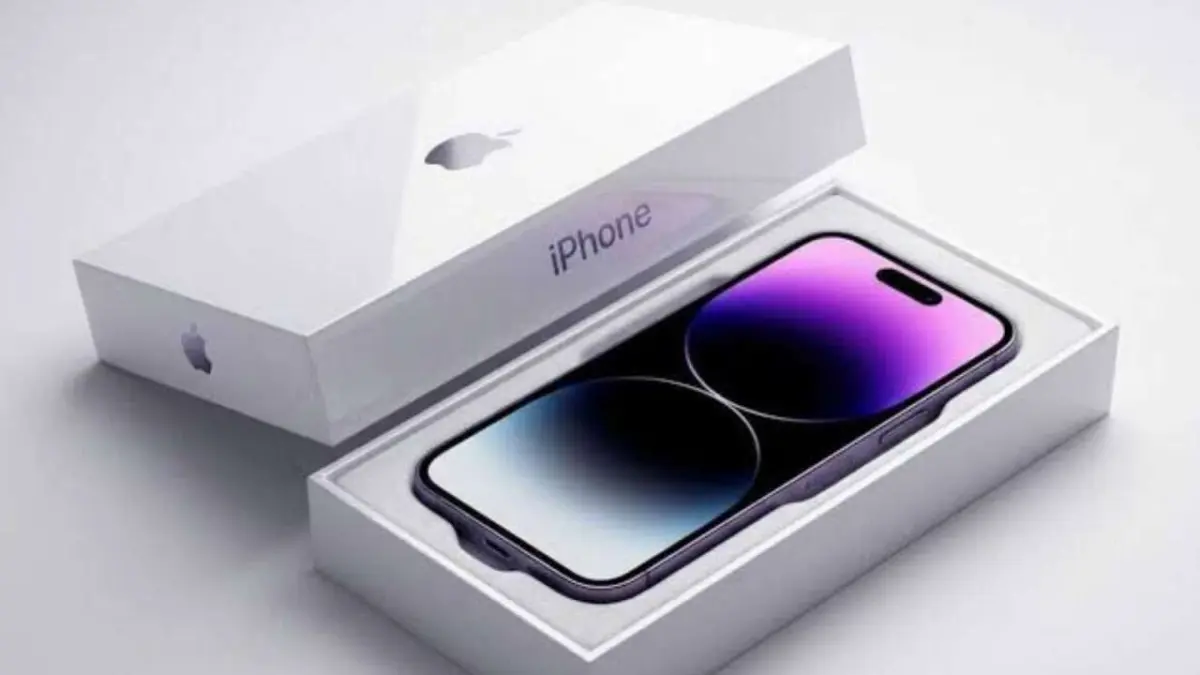
CUPERTINO, CALIFORNIA – October 9, 2026 – In a significant development signaling potential headwinds for its latest flagship smartphones, technology giant Apple has reportedly instructed its suppliers to reduce component orders for the high-end iPhone 18 Pro and iPhone 18 Pro Max. This move comes barely a month after their much-anticipated September launch, with industry sources citing signs of cooling consumer demand, exacerbated by higher retail prices and a global surge in memory chip costs.
The decision, first brought to light by a Nikkei Asia report, indicates a planned cut of 15 to 20 percent in component production for the Pro models for the month of October. Such a reduction, particularly so early in a product cycle, typically reflects a reassessment of initial sales projections and often precedes broader adjustments to manufacturing output. For Apple, a company renowned for its meticulous supply chain management and historically robust demand, this report introduces a rare note of caution regarding its premium smartphone offerings.
Main Facts: A Challenging Debut for the iPhone 18 Pro Series
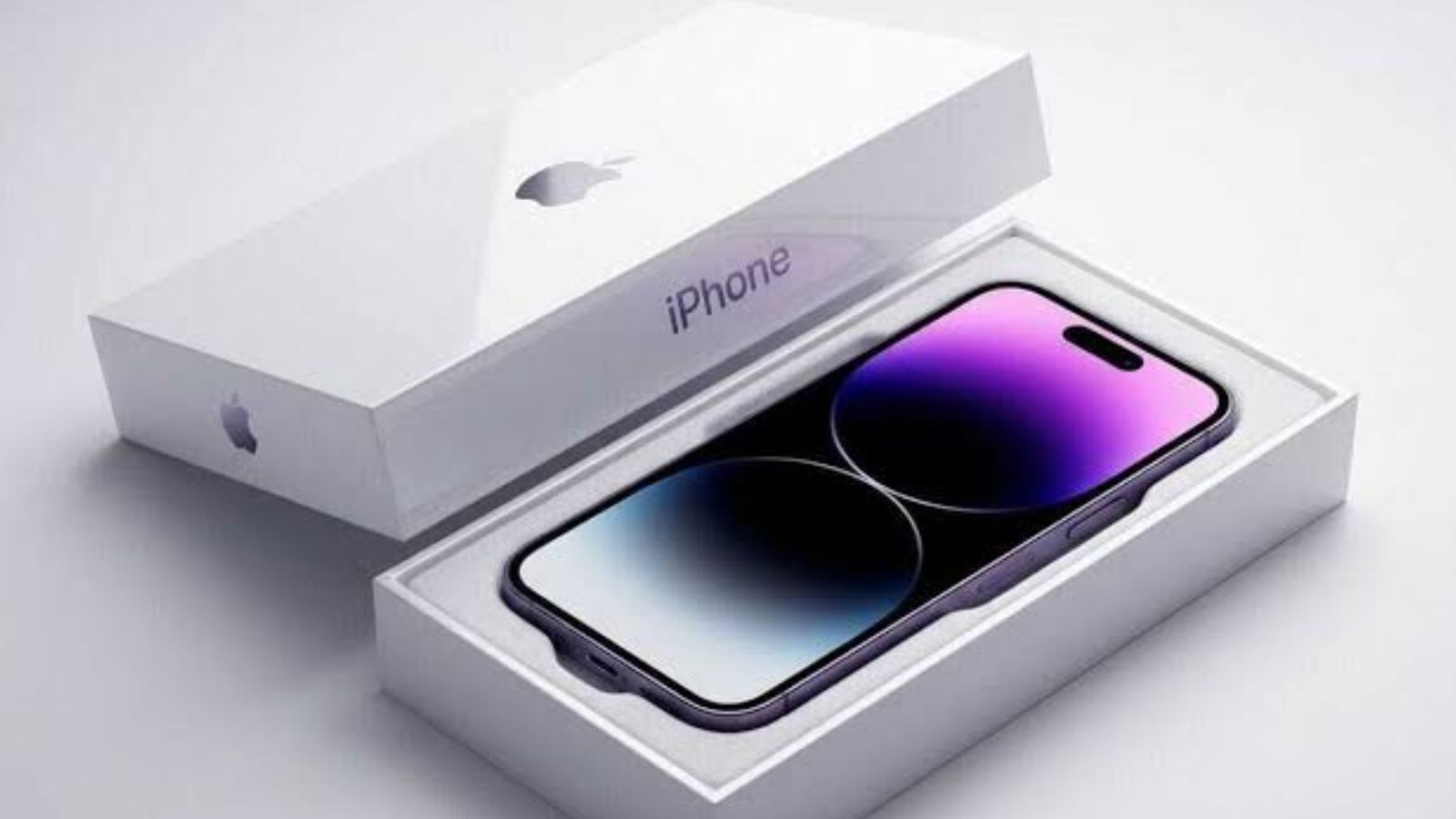
The core of the unfolding narrative revolves around Apple’s reported directive to scale back component orders for its flagship iPhone 18 Pro and iPhone 18 Pro Max. This reduction, estimated at 15 to 20 percent for October, directly targets the most profitable segment of Apple’s smartphone lineup, which traditionally sees strong demand immediately following a launch. The primary drivers behind this adjustment are multifaceted: a perceived slowdown in consumer enthusiasm for the latest models, stemming from their elevated price points, and an industry-wide increase in the cost of crucial memory components.
The iPhone 18 Pro series launched with significantly higher price tags than its predecessors. In India, for instance, the iPhone 18 Pro starts at a staggering Rs 1,64,900, with the Pro Max commanding Rs 1,79,900. Consumers in the United States also faced a $100 price hike across the Pro range. These increases come at a time when global economic uncertainties, including persistent inflation and rising interest rates, are squeezing household budgets and making consumers more cautious about discretionary spending on premium electronics.
Further compounding the issue is the escalating cost of memory chips, a fundamental component in all modern smartphones. This surge is attributed to heightened demand from data centers, which are rapidly expanding their infrastructure to support the booming artificial intelligence (AI) sector. This increased demand from the enterprise segment is driving up prices across the board, inevitably impacting the manufacturing costs of consumer electronics, including iPhones.
Early market indicators, such as a report from UBS analysts, corroborate the softening demand. They note a decrease in average waiting times for the iPhone 18 Pro in over 30 markets worldwide. While improved supply chain efficiency could be a factor, a significant reduction in waiting times, particularly for a newly launched Apple product, is often interpreted as a sign of demand cooling more rapidly than anticipated.
)
Chronology of Anticipation, Launch, and Adjustment
The journey of any new iPhone model typically begins with months of fervent speculation, leaks, and an almost palpable anticipation from consumers and investors alike. The iPhone 18 Pro series was no exception, building on Apple’s legacy of innovation and design prowess.
Pre-Launch Hype and Expectations (Early 2026): As is customary, the months leading up to the annual iPhone launch were filled with rumors about new features, design enhancements, and performance upgrades. Analysts and industry watchers projected strong initial demand, particularly for the Pro models, which represent the pinnacle of Apple’s smartphone technology and typically contribute disproportionately to its revenue and profit margins. Expectations were high for incremental upgrades in camera technology, processor performance, and possibly new display features, fueling a sense of inevitability regarding robust sales.
The September Unveiling (September 2026): Apple officially unveiled the iPhone 18 Pro and iPhone 18 Pro Max at its signature fall event. The presentation highlighted the devices’ advanced capabilities, premium materials, and software innovations, aiming to captivate a global audience. Initial reviews often lauded the incremental improvements, reinforcing the perception of Apple’s continued leadership in the premium smartphone segment. The launch was met with the usual fanfare, with long queues at retail stores and strong pre-order numbers reported in key markets.

Post-Launch Period and Emerging Signals (Late September – Early October 2026): Following the initial rush, the market began to stabilize, and the first true indicators of sustained demand started to emerge. While initial sales figures might have appeared strong, reflecting pent-up demand and brand loyalty, subtle shifts in consumer behavior became apparent. Reports from supply chain partners and market analysts began to paint a picture less buoyant than the initial enthusiasm suggested. UBS analysts, observing real-time market data, were among the first to flag a noticeable reduction in average waiting times for the iPhone 18 Pro across numerous regions. This observation, typically a bellwether for demand, suggested that either supply had become exceptionally efficient very quickly, or, more likely, that the initial surge in demand was not being sustained at the expected levels.
The October Production Adjustment (Early October 2026): Based on these evolving market dynamics and internal sales data, Apple reportedly communicated its revised projections to its vast network of component suppliers. The directive to reduce component orders by 15 to 20 percent for October marks a critical juncture. It indicates that Apple’s internal forecast models, which continuously track sales trends and inventory levels, have identified a need to recalibrate production downwards. This proactive measure aims to prevent an oversupply of components and finished goods, which could lead to increased inventory costs and potential future price adjustments to clear stock. This is a common, albeit concerning, step for any manufacturer when demand deviates from initial projections, and it underscores the sensitivity of the tech market to economic shifts and consumer sentiment.
Supporting Data: Economic Headwinds, Supply Chain Pressures, and Market Trends
The reported production cuts for the iPhone 18 Pro series are not isolated incidents but rather symptoms of a broader confluence of economic pressures and evolving market dynamics impacting the global technology sector. A detailed examination of supporting data reveals the intricate web of factors at play.
)
The Weight of Elevated Pricing
The most immediate and tangible factor influencing demand is the increased price point of the iPhone 18 Pro series. Apple’s decision to raise prices by $100 in the US, translating to even higher figures in international markets like India (Rs 1,64,900 for Pro, Rs 1,79,900 for Pro Max), comes at a challenging economic juncture. Global inflation, which has seen the cost of living rise significantly across many nations, has eroded consumer purchasing power. Central banks worldwide have implemented aggressive interest rate hikes to combat inflation, making credit more expensive and further tightening household budgets.
For many consumers, an iPhone, particularly a Pro model, represents a significant discretionary purchase. When faced with rising costs for essentials like food, fuel, and housing, the appetite for a premium smartphone costing upwards of $1,000 or Rs 1.5 lakh naturally diminishes. Consumers are increasingly scrutinizing the "value proposition" of new devices, questioning whether incremental upgrades justify the substantial investment, especially when older models or competing Android flagships offer compelling alternatives at lower price points.
In specific markets like India, the situation is further complicated by currency fluctuations. The weakening Indian Rupee against the US Dollar means that imported goods, including iPhones, become more expensive in local currency terms, even if their dollar price remains constant or only sees a modest increase. This currency depreciation acts as an additional hidden surcharge for Indian consumers, exacerbating the impact of Apple’s global price adjustments.
)
Rising Memory Chip Costs: The AI Factor
A critical, yet often unseen, pressure point is the escalating cost of memory chips. These components, including DRAM and NAND flash, are essential for smartphone operation, dictating speed, storage capacity, and overall performance. The Nikkei Asia report specifically highlights "rising memory chip costs" as a contributing factor to the iPhone 18 Pro’s challenges.
The primary driver for this increase is the burgeoning demand from the artificial intelligence (AI) sector. AI data centers require vast quantities of high-performance memory to train complex models and process massive datasets. As companies like Google, Microsoft, Amazon, and various AI startups invest heavily in AI infrastructure, they are voraciously consuming available memory chip supply. This heightened enterprise demand is creating a supply squeeze in the broader memory market, pushing up prices for all buyers, including smartphone manufacturers like Apple.
For Apple, higher component costs directly impact its bill of materials (BOM), potentially eroding its famously high profit margins if it cannot pass these costs onto consumers. While Apple has opted to pass on some of these costs through higher retail prices for the iPhone 18 Pro, this strategy appears to be encountering resistance from price-sensitive consumers, creating a difficult balancing act for the company.
)
Broader Smartphone Market Downturn
The challenges faced by the iPhone 18 Pro series are not occurring in a vacuum. The global smartphone market has been experiencing a significant slowdown, a trend that predates the current economic headwinds but has been exacerbated by them. Research firm IDC, a leading authority on market intelligence, anticipates a substantial 16.7% drop in global smartphone shipments for the year 2026. This forecast underscores a maturing market where longer upgrade cycles, economic caution, and a lack of truly revolutionary features are contributing to reduced unit sales.
Despite the projected drop in shipments, IDC also anticipates that the average selling price (ASP) of smartphones is expected to rise by a staggering 27.6%. This seemingly contradictory trend highlights the industry’s pivot towards premiumization – as overall unit sales decline, manufacturers are focusing on selling fewer, more expensive devices to maintain revenue. While this strategy can be effective for companies like Apple, it also carries the inherent risk of alienating a significant portion of the consumer base, particularly in emerging markets where affordability is paramount. The iPhone 18 Pro’s situation serves as a stark illustration of the potential pitfalls of this premiumization strategy when consumer spending power is constrained.
The Foldable Dilemma: iPhone Duo’s High-Stakes Bet
Adding another layer of complexity to Apple’s product strategy is the reported "iPhone Duo," Apple’s first foray into the foldable smartphone market. While not directly tied to the iPhone 18 Pro’s production cuts, the mention of the Duo in the Nikkei Asia report highlights a future product that could face similar, if not greater, challenges related to pricing and market acceptance.
)
The 256GB model of the iPhone Duo is projected to cost an astonishing Rs 2,99,900 in India, placing it firmly in the ultra-premium, niche category. Sources cited by Nikkei Asia describe the phone as "pricy for a smartphone," an understatement given its cost. Foldable technology, while innovative, is inherently more expensive to manufacture due to the complex display technology, specialized hinges, and rigorous durability standards required. Apple’s notorious commitment to uncompromising quality further complicates production, potentially leading to lower yields and higher per-unit costs.
At nearly Rs 3 lakh, the iPhone Duo would appeal to a very narrow segment of early adopters and tech enthusiasts seeking the ultimate large-screen experience in a compact form factor. However, its prohibitive price point makes it inaccessible to the vast majority of consumers, raising questions about its potential market impact and profitability. Should the foldable market not expand rapidly, or if consumer resistance to such extreme pricing persists, the iPhone Duo could face an even tougher road than its traditional Pro siblings, echoing the broader industry’s struggle to justify ever-increasing prices with compelling new experiences.
Official Responses: Apple’s Customary Silence
In situations involving production adjustments or sales figures, Apple maintains a steadfast policy of not commenting on rumors, speculation, or specific production numbers. This approach is consistent across all its product lines and is intended to prevent market manipulation and maintain competitive secrecy.
)
Therefore, there has been no official statement from Apple regarding the Nikkei Asia report or the reported cuts to iPhone 18 Pro component orders. This customary silence, while expected, places greater emphasis on information gleaned from supply chain sources, industry analysts, and market intelligence firms like UBS and IDC.
For investors and market watchers, the absence of an official denial or confirmation means that they must rely on these indirect indicators to gauge the health of Apple’s product cycles. Supply chain reports, particularly from reputable outlets like Nikkei Asia, are often seen as highly credible due to their direct access to manufacturers and component suppliers who are intimately involved in Apple’s production processes. Analysts then interpret these signals, combining them with their own market research and economic forecasts, to provide guidance on Apple’s potential financial performance. This reliance on third-party reporting underscores the opaqueness that often surrounds the internal workings of major tech companies, particularly when sales figures might be falling short of initial expectations.
Implications: Ripple Effects Across the Ecosystem
The reported production cuts for the iPhone 18 Pro series carry significant implications, not only for Apple but also for its vast network of suppliers, the broader smartphone industry, and consumers worldwide.
)
For Apple: A Strategic Reassessment
For Apple, the immediate implications could include a slight downward revision of its revenue and profit forecasts for the current fiscal quarter and potentially the full year. The Pro models are crucial for Apple’s average selling price (ASP) and overall profitability, so any significant slowdown in their sales can have a disproportionate impact. While Apple’s robust services division continues to grow and diversify its revenue streams, the iPhone remains its core product and primary revenue driver.
The situation might prompt Apple to re-evaluate its aggressive pricing strategy, especially in a tightening global economy. Future product development could focus more intensely on features that truly differentiate and justify premium prices, or perhaps explore strategies to offer more compelling value propositions in its standard models. Inventory management will also be critical; Apple will aim to avoid an oversupply of finished goods, which could necessitate future discounts, potentially impacting brand perception and future sales cycles. Furthermore, the episode could strain relationships with suppliers who rely on stable, high-volume orders from Apple.
For the Smartphone Industry: A Maturing Market Signal
The challenges faced by the iPhone 18 Pro serve as a stark reminder of the global smartphone market’s maturation and the ongoing economic headwinds. If even Apple, with its unparalleled brand loyalty and market power, is experiencing softening demand for its premium devices, it signals a challenging environment for the entire industry.
)
Other smartphone manufacturers, particularly those in the premium Android segment, will be closely watching Apple’s response. The incident might reinforce a broader industry trend towards longer upgrade cycles, as consumers hold onto their devices for longer periods, finding less compelling reasons to upgrade annually. This could intensify competition in the mid-range and value segments, forcing manufacturers to innovate not just in features, but also in pricing and financing options. The industry may also see an increased focus on sustainability and repairability as consumers seek to maximize the lifespan of their expensive devices.
For Consumers: Prudence and Patience Rewarded
For consumers, the reported production cuts and the underlying economic factors translate into several key considerations for their purchasing decisions. The advice to "wait and compare options" becomes more pertinent than ever.
Firstly, the potential for future price adjustments or promotional offers cannot be ruled out if demand continues to lag. While Apple is historically reluctant to cut prices on its latest flagships, market conditions can sometimes necessitate such moves, or at least the introduction of attractive trade-in deals or bundle offers.
)
Secondly, the value proposition of older iPhone models or even competing premium Android devices becomes stronger. With incremental upgrades being the norm, an iPhone 17 Pro or even an iPhone 16 Pro might offer a nearly identical user experience for significantly less money. Consumers are encouraged to carefully evaluate whether the latest features of the iPhone 18 Pro genuinely justify the higher price tag, especially when their current phone remains perfectly functional.
The incident also highlights the power of informed purchasing. By understanding the market dynamics, economic pressures, and supply chain reports, consumers can make more strategic decisions, potentially saving money or getting better value for their investment. The shift in market power, however slight, back towards the consumer in a softening demand environment means that patience and careful consideration could be well rewarded.
Long-term Outlook: Navigating a New Era
In the long term, this development underscores the need for the tech industry to navigate a new era defined by economic uncertainty, supply chain volatility, and evolving consumer expectations. The relentless pursuit of higher average selling prices, while lucrative in the short term, may become unsustainable if not balanced with genuine innovation and affordability.
)
Apple, known for its resilience and strategic prowess, will undoubtedly adapt. This might involve a renewed focus on differentiating its Pro models with truly groundbreaking features, or a more nuanced approach to pricing that considers regional economic realities. The success of future products like the iPhone Duo, with its extreme price point, will be a litmus test for how much consumers are willing to pay for cutting-edge technology in an increasingly price-sensitive world. The global economic landscape, driven by inflation, interest rates, and geopolitical shifts, will continue to play a pivotal role in shaping the fortunes of even the most dominant technology companies.
