

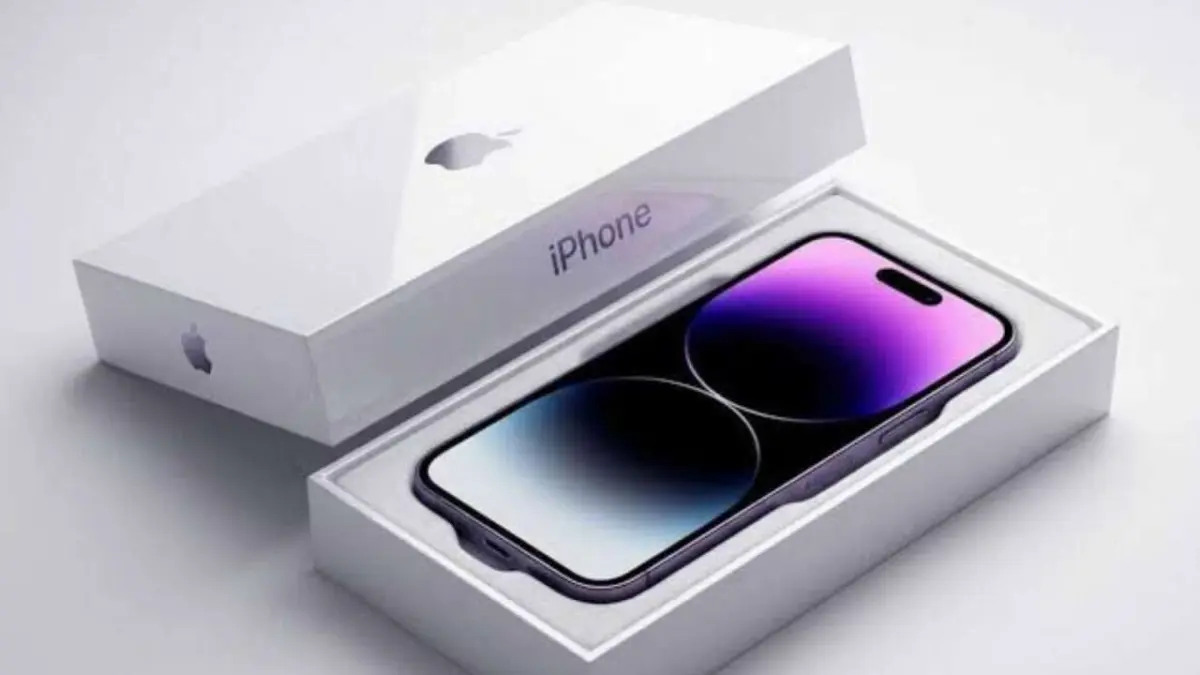
A Significant Shift: Apple Reportedly Scales Back iPhone 18 Pro Production
In a notable development signaling potential shifts in the high-end smartphone market, technology giant Apple has reportedly initiated a significant cut in component orders for its latest flagship devices, the iPhone 18 Pro and iPhone 18 Pro Max. Launched to much fanfare in September, these premium models appear to be encountering softer demand than initially anticipated, prompting the Cupertino-based company to adjust its supply chain strategy mere weeks after their release. This move underscores growing economic pressures and evolving consumer behavior impacting even the most resilient brands in the global technology landscape.
According to a detailed report by Nikkei Asia, a respected authority on Asian economic and business news, Apple has communicated with its vast network of suppliers, requesting a reduction in component production. The directive specifically targets the iPhone 18 Pro and iPhone 18 Pro Max, with an estimated cut ranging from 15 to 20 percent for the month of October. This adjustment is understood to be a direct response to early indicators of cooling consumer interest, exacerbated by the series’ higher price points and the rising costs of essential memory chips globally. The situation paints a complex picture for Apple, a company renowned for its meticulous supply chain management and its ability to consistently drive robust demand for its premium products.
Chronology of a Cooling Market
The narrative surrounding the iPhone 18 Pro series began with the usual blend of anticipation and speculation that precedes any major Apple product launch.
Pre-Launch Hype and Expectations
Leading up to its September unveiling, the iPhone 18 Pro series was expected to continue Apple’s tradition of strong sales, particularly within the affluent premium smartphone segment. Analysts and enthusiasts alike keenly followed leaks and rumors, predicting incremental yet significant upgrades in processing power, camera capabilities, and perhaps even minor design refinements. The Pro models, in particular, are crucial for Apple, contributing disproportionately to the company’s revenue and profit margins due to their higher selling prices. Industry watchers had largely factored in Apple’s pricing power, assuming consumers would absorb potential increases given the brand’s perceived value and ecosystem lock-in.
)
The September Launch: A Grand Unveiling
Apple officially launched the iPhone 18 Pro and iPhone 18 Pro Max in September, presenting them as the pinnacle of smartphone technology. The launch event highlighted new features, enhanced performance, and a refined user experience, aimed at captivating its global customer base. Initial pre-order periods often serve as an early barometer of demand, and while Apple typically keeps specific figures under wraps, the initial public reception and availability across various markets seemed to suggest a standard, if not exceptional, rollout. Waiting times for the latest Pro models are often an informal indicator of demand versus supply, with longer waits suggesting high demand outstripping initial production.
Post-Launch Observations and Emerging Trends
Within weeks of the launch, subtle shifts began to emerge. Reports from financial analysts and supply chain observers started to pick up on nuances that suggested the initial frenzy might be subsiding faster than in previous cycles. One key indicator cited by UBS analysts was a noticeable decrease in average waiting times for the iPhone 18 Pro across more than 30 markets globally. While shorter waiting times can sometimes indicate improved supply chain efficiency and faster delivery, in this context, coupled with the Nikkei Asia report, it strongly suggests a potential softening of demand. This rapid decrease in wait times, so soon after launch, is often a red flag for companies and investors, prompting a closer examination of underlying market dynamics.

Historical Context of Apple’s Production Adjustments
It is not entirely unprecedented for Apple to adjust its production orders. The company operates one of the most sophisticated and agile supply chains in the world, constantly calibrating production to meet real-time demand fluctuations. However, significant cuts, particularly for Pro models so early in their product cycle, are relatively uncommon and often indicative of more systemic challenges rather than minor market corrections. Historically, Apple has made such adjustments in response to broader economic downturns, intensified competition, or specific product reception issues. The current situation, therefore, warrants a deeper analysis into the confluence of factors contributing to this decision.
Supporting Data: Unpacking the Headwinds
The reported production cuts are not isolated events but rather symptoms of a complex interplay of economic, technological, and market forces.
)
The Price Premium: A Growing Barrier
One of the most immediate and tangible factors impacting sales of the iPhone 18 Pro series is its significantly higher price point compared to its predecessors. In India, for instance, the iPhone 18 Pro starts at Rs 1,64,900, while the Pro Max commands an even steeper Rs 1,79,900. These figures represent a substantial premium over last year’s models, pushing the devices further into the ultra-luxury segment. The United States market also saw a notable increase, with a reported $100 bump in pricing for the Pro series.
This pricing strategy, while aimed at maintaining Apple’s premium positioning and profit margins, comes at a time when global consumers are grappling with persistent inflation, rising interest rates, and a general tightening of discretionary spending. The psychological barrier of crossing the $1,000 or Rs 1,50,000 mark for a smartphone becomes more pronounced when household budgets are strained. Even loyal Apple customers may pause before upgrading, especially if their current device remains perfectly functional. The value proposition is scrutinized more closely, with potential buyers weighing the incremental improvements against the substantial financial outlay.
)
The Memory Chip Conundrum: Rising Costs and AI Demand
Beyond the retail price, Apple’s own cost structure is under pressure from the global memory chip market. Memory chip prices, particularly for DRAM and NAND flash, have been on an upward trajectory worldwide. This surge is primarily driven by an unprecedented increase in demand from tech companies heavily investing in artificial intelligence (AI) data centers. The insatiable need for high-performance memory to power AI models and infrastructure has diverted supply and pushed up prices across the board.
For smartphone manufacturers like Apple, memory chips are critical components, directly impacting the Bill of Materials (BOM) for each device. Higher chip costs translate directly into increased manufacturing expenses, which companies often pass on to consumers through higher retail prices. This creates a difficult dilemma: absorb the costs and erode profit margins, or raise prices and risk alienating consumers already feeling the pinch. The current environment suggests Apple chose the latter, but the market response indicates a limit to consumers’ willingness to pay. This dynamic highlights the intricate global supply chain dependencies and how macro trends in one tech sector (AI) can have significant ripple effects on another (smartphones).
)
Global Smartphone Market Contraction and Rising ASPs
The challenges facing the iPhone 18 Pro series are not isolated to Apple but reflect broader trends in the global smartphone market. Research firm IDC, a leading market intelligence provider, anticipates a substantial 16.7% drop in global smartphone shipments in 2026. While 2026 might seem distant, this long-term forecast reflects an ongoing trend of market saturation and extended upgrade cycles, signaling a cautious outlook for the industry as a whole. Consumers are holding onto their devices for longer, driven by the diminishing returns of incremental technological advancements and the escalating costs of new models.
Paradoxically, alongside the projected decline in shipments, IDC also forecasts that the average selling price (ASP) of smartphones is expected to rise by 27.6%. This seemingly contradictory trend underscores the market’s bifurcation: while overall unit sales are shrinking, the remaining sales are concentrated in the higher-priced segments, driven by premium features and rising component costs. This means fewer, more expensive phones are being sold, putting immense pressure on manufacturers to justify their premium pricing with compelling innovation.
)
Currency Fluctuations: The Indian Market’s Added Burden
In specific markets like India, the pricing challenge is further exacerbated by unfavorable currency exchange rates. The weakening Indian Rupee against the US Dollar means that imported goods, including iPhones, become more expensive when converted into local currency. Apple prices its products globally based on a US Dollar benchmark, and local currency depreciation directly translates to higher retail prices for Indian consumers. This adds another layer of complexity to Apple’s pricing strategy in a crucial emerging market, making the Pro series even less accessible to a significant portion of its potential customer base.
Consumer Behavior in a Global Economic Downturn
Underpinning all these factors is a fundamental shift in consumer behavior. The lingering effects of global inflation, energy crises, and geopolitical uncertainties have led to a more conservative approach to discretionary spending. Consumers are becoming more value-conscious, meticulously evaluating purchases of high-ticket items like premium smartphones. The "must-have" urgency for the latest model has diminished, replaced by a more pragmatic "need-to-have" mindset. Many are opting to extend the lifespan of their existing devices, repair instead of replace, or consider older generation models or even competing brands that offer better value for money. This shift impacts even the most loyal customer bases, including Apple’s, which has historically enjoyed a degree of immunity from such economic headwinds.
)
Official Responses: Apple’s Stance
As is typical with Apple, the company has maintained its customary silence regarding supply chain rumors and production adjustments. Apple rarely, if ever, comments on speculative reports concerning its manufacturing volumes or component orders. This policy is deeply ingrained in its corporate communications strategy, aimed at preventing market manipulation and maintaining a tightly controlled narrative around its business operations.
However, during investor calls and financial briefings, Apple executives often provide broad commentary on market conditions, supply chain resilience, and consumer demand trends, albeit in a general sense. While they won’t confirm specific production cuts, any future statements hinting at "macroeconomic headwinds," "currency impacts," or "supply chain optimizations" could be interpreted as indirect acknowledgements of the challenges currently being reported. The lack of an official denial, combined with credible reports from outlets like Nikkei Asia and analyst observations from UBS, lends significant weight to the narrative of cooling demand and adjusted production. Investors will be keenly watching Apple’s next earnings report for any subtle cues or revised guidance that might shed further light on the performance of the iPhone 18 Pro series.
)
Implications: Ripple Effects Across the Tech Ecosystem
The reported production cuts for the iPhone 18 Pro series carry significant implications, not just for Apple but for its extensive network of suppliers, the broader technology market, and consumers worldwide.
For Apple: Revenue, Strategy, and Stock Performance
For Apple, the immediate implication is a potential impact on its quarterly revenue and profit forecasts. The Pro models are high-margin products, and a significant reduction in their sales volume could directly affect the company’s financial performance. This could lead to increased scrutiny from investors and potentially affect Apple’s stock price, which often reacts sensitively to supply chain rumors.
)
Strategically, this situation might force Apple to re-evaluate its pricing strategy for future premium devices. The company might need to find a more delicate balance between maintaining high margins and ensuring market accessibility, especially in a world grappling with persistent economic challenges. It could also accelerate Apple’s focus on diversifying its revenue streams, placing even greater emphasis on its burgeoning services division to offset any slowdowns in hardware sales. Furthermore, it might prompt a renewed push for innovation in core features that genuinely compel upgrades, rather than relying solely on brand loyalty and incremental improvements.
For Suppliers: The Domino Effect in the Tech Supply Chain
Apple’s production adjustments send ripples throughout its vast global supply chain. Manufacturers of critical components – from chipmakers like TSMC and Samsung to display makers, camera module providers, and memory suppliers – will feel the impact of reduced orders. Assembly partners, primarily Foxconn, will also need to adjust their production lines and workforce planning.
)
These suppliers often dedicate significant capacity and resources to fulfill Apple’s massive orders. A 15-20% cut can translate into substantial revenue losses for these companies, potentially leading to underutilized factories, inventory build-ups, and revised financial outlooks for their own businesses. This domino effect highlights the immense influence Apple wields in the tech ecosystem, where its decisions can dictate the fortunes of numerous other industry players. It also underscores the inherent risks for suppliers who are heavily reliant on a single dominant customer.
For Consumers: Choices, Value, and Upgrade Cycles
For consumers, the situation presents both challenges and potential opportunities. On one hand, the higher prices and cooling demand might signal that current models are reaching a point where their value proposition is less compelling for many. Users with functional phones are increasingly encouraged to wait longer before upgrading, comparing the iPhone 18 Pro alongside older models (which might see price drops) and other premium choices from competitors like Samsung or Google.
)
On the other hand, if demand continues to soften, Apple might eventually be pressured to offer discounts or more attractive trade-in programs to stimulate sales, particularly as the product cycle progresses. This could benefit consumers who are patient and strategically time their purchases. It also reinforces the idea that functional longevity is becoming a more valued trait in smartphones, pushing consumers to demand more durability and longer software support from their expensive devices.
For the Wider Smartphone Market: A Bellwether Moment
The iPhone 18 Pro’s reported struggles could serve as a bellwether for the entire premium smartphone segment. If even Apple, with its unparalleled brand loyalty and market power, is experiencing demand headwinds for its top-tier devices, it signals a broader market trend. This could intensify competition among premium Android manufacturers, forcing them to innovate more aggressively, optimize their pricing, or focus on niche markets.
)
It also highlights the maturity of the smartphone market. The era of exponential growth driven by fundamental technological breakthroughs might be receding, replaced by a period of refinement and optimization. Future growth might depend more on integrated ecosystems, AI-driven experiences, and entirely new form factors, rather than incremental improvements in cameras or processing speed.
The Foldable Future: Will the iPhone Duo Face Similar Issues?
The article also touches upon a speculative future product, the "iPhone Duo," Apple’s rumored first foldable phone. This device, priced at an astonishing Rs 2,99,900 for the 256GB model in India, is already under scrutiny due to its anticipated delay and extreme cost. A source informed Nikkei Asia that the phone is "pricey for a smartphone," and its manufacturing is complicated by its foldable display and Apple’s rigorous quality standards.
)
In the context of the iPhone 18 Pro’s current challenges, the potential market for such an ultra-premium, cutting-edge device becomes even more questionable. At nearly Rs 3 lakh (approximately $3,600 USD), the iPhone Duo would appeal to an extremely niche segment of buyers seeking a large screen in a compact device, but it would undoubtedly be out of reach for the vast majority. If consumers are already hesitant to upgrade to a standard premium phone at Rs 1.6-1.8 lakh, the barrier for a Rs 3 lakh foldable would be significantly higher. This situation underscores the immense challenge Apple faces in introducing truly innovative but costly new form factors into a market increasingly sensitive to price and value. The "Duo" might represent Apple’s next big bet, but the current market sentiment suggests that its path to widespread adoption could be even more arduous than that of the traditional Pro series.
Conclusion: Navigating a New Era of Tech Consumption
The reported production cuts for Apple’s iPhone 18 Pro series mark a pivotal moment, reflecting a confluence of economic pressures, evolving consumer sentiment, and rising manufacturing costs. While Apple’s ability to navigate market challenges is legendary, these early adjustments signal a more cautious outlook for the premium smartphone segment. The company, its vast supply chain, and consumers alike are entering a new era where value, necessity, and economic realities increasingly shape purchasing decisions. As the global economy continues to evolve, the tech industry will be closely watching how Apple adapts its strategies – from pricing and innovation to supply chain management – to maintain its dominance in a market that is undeniably maturing and demanding more for less.
