

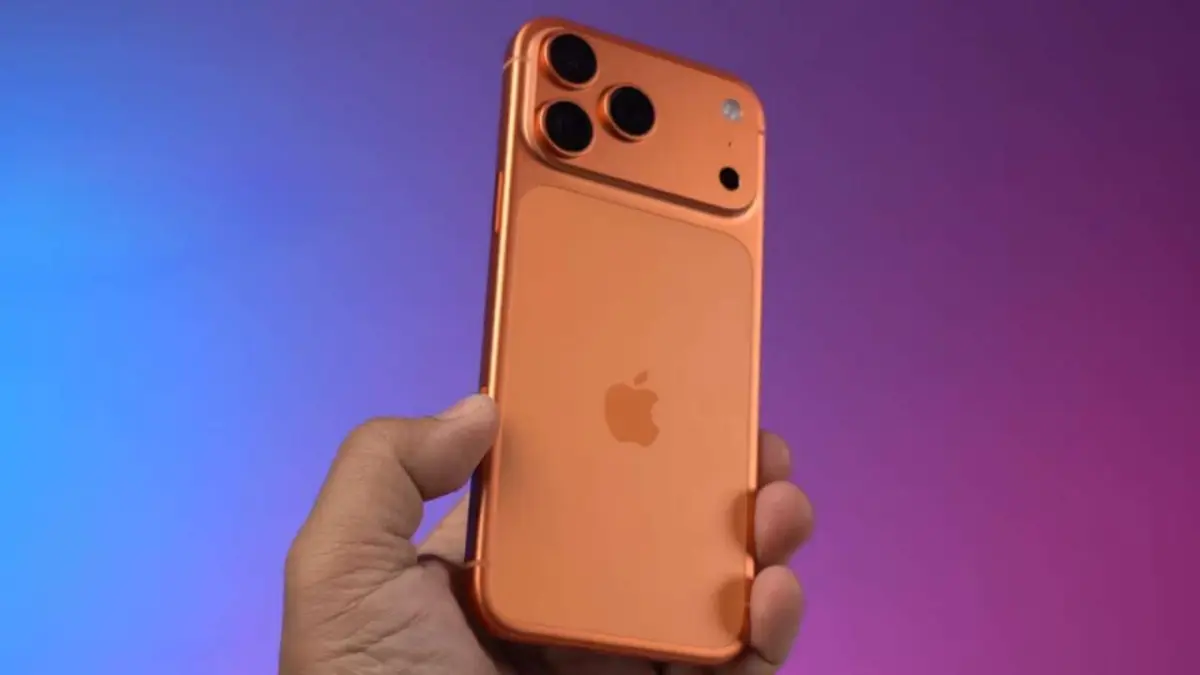
TECHNOLOGY – New Delhi, India – The aspirational allure of Apple’s latest flagship, the iPhone 17 Pro, often clashes with its premium price tag in a market as price-sensitive yet tech-hungry as India. With a base price of Rs 1,34,900, the device represents a significant investment for most consumers. However, during India’s vibrant festive sale seasons, a confluence of strategic retail partnerships, aggressive exchange programs, and attractive bank offers can dramatically slash this formidable price, bringing the coveted smartphone within an unprecedented effective price range of Rs 57,000 to Rs 70,000. This substantial reduction, which sees the effective cost plummet by over 50%, underscores a sophisticated market strategy designed to broaden Apple’s footprint in one of the world’s fastest-growing smartphone markets.
The prospect of acquiring a cutting-edge device like the iPhone 17 Pro – renowned for its advanced camera system, powerful A-series chip, and seamless iOS ecosystem – at such a steep discount is a game-changer for many. It transforms a luxury purchase into a more accessible upgrade, fueling consumer enthusiasm and driving sales volumes across major online and offline retail channels. This intricate dance of discounts is not merely a seasonal gimmick but a carefully orchestrated effort by retailers and financial institutions to leverage the festive spirit, making high-end technology more attainable for the discerning Indian consumer.
The Phenomenon of Festive Discounting: A Strategic Imperative
The Indian retail landscape is profoundly shaped by its numerous festivals, which are not just cultural celebrations but also pivotal periods for consumer spending. From Diwali and Dussehra to the Republic Day and Independence Day sales, these periods witness an extraordinary surge in demand for electronics, particularly smartphones. The deep discounts offered on premium devices like the iPhone 17 Pro are a direct response to this unique market dynamic, serving as a critical mechanism for retailers and brands to capture a larger share of the festive windfall.
A Chronology of Accessibility: Apple’s Journey in the Indian Market
Early Days and Niche Appeal (2008-2015): When Apple first entered India, its products were largely considered ultra-premium, targeting a very niche segment of affluent consumers. Pricing was often higher than in Western markets due due to import duties and distribution challenges. Discounts were rare, and brand prestige was the primary selling point.
The Rise of E-commerce and Financing (2016-2020): The explosion of e-commerce platforms like Flipkart and Amazon (with its "Great Indian Festival") dramatically changed the retail paradigm. These platforms introduced aggressive pricing, no-cost EMI options, and nascent exchange programs, which slowly began to chip away at the iPhone’s formidable price barrier. Bank tie-ups for cashback became more prevalent, especially during major sales events. Apple also began to show more strategic interest in India, recognizing its potential.
Direct Engagement and Aggressive Localization (2021-Present): Apple’s commitment to India deepened with the opening of its first official retail stores in Mumbai and Delhi, signifying a more direct approach to market engagement. Simultaneously, local manufacturing initiatives (for select models) aimed at reducing import dependencies and potentially stabilizing prices. Critically, the sophistication of exchange programs and bundled offers matured significantly during this period, turning festive sales into a high-stakes arena where consumers could genuinely secure substantial savings on flagship devices. The iPhone 17 Pro’s current discount strategy is a direct descendant of these evolving market forces, demonstrating a refined understanding of the Indian consumer’s aspirations and purchasing habits.
The Consumer’s Path to Savings: A Step-by-Step Guide
For the average consumer, navigating the labyrinth of discounts can be daunting. However, understanding the chronological steps involved in securing the maximum savings is crucial:
- Anticipation and Research: Months before major festive sales, consumers begin researching potential upgrade models and tracking price trends. This proactive approach allows them to identify the iPhone 17 Pro as a target.
- Pre-Sale Valuation of Old Devices: Prospective buyers typically get their existing smartphones appraised, either through online tools provided by retailers or at physical stores. This gives them an estimate of the exchange value, which is the cornerstone of the deep discount.
- Comparing Retailer Strategies: As sales dates approach, major retailers like Reliance Digital, Croma, and Flipkart begin to tease their offers. Consumers meticulously compare the bundled deals – focusing on the combined value of exchange, bonus, and bank offers.
- Bank Offer Verification: Identifying eligible credit/debit cards and understanding the specific terms and conditions of bank cashback or instant discounts is the next critical step.
- The Purchase Window: During the actual sale period, often limited to a few days, swift action is required to capitalize on the best deals, which can fluctuate rapidly based on inventory and demand.
- Post-Purchase Assessment: After the transaction, consumers often review their total effective cost, celebrating the significant savings achieved on their premium device.
Deconstructing the Savings: Supporting Data and Mechanisms
The journey from Rs 1,34,900 to an effective price of Rs 57,000-70,000 is meticulously crafted through a combination of three primary discount layers: smartphone exchange value, additional exchange bonuses, and bank offers.
The Cornerstone: Maximizing Smartphone Exchange Value
The most substantial reduction in the iPhone 17 Pro’s price comes from trading in an old smartphone. This is not merely a simple swap; the valuation process is complex and depends on several critical factors:
- Brand and Model: Newer, premium-segment smartphones, especially previous-generation iPhones (e.g., iPhone 14 Pro, iPhone 15) or high-end Android flagships (e.g., Samsung Galaxy S23 Ultra, OnePlus 11/12), command significantly higher exchange values. An iPhone 15 Pro Max in excellent condition, for instance, could fetch upwards of Rs 45,000-55,000. In contrast, an older Android mid-ranger might only yield Rs 10,000-15,000.
- Age and Storage: Generally, newer phones and models with higher internal storage receive better valuations.
- Physical and Functional Condition: This is paramount. A phone with a pristine screen, no major dents or scratches, fully functional ports, buttons, and camera, and a healthy battery (typically above 80% health for iPhones) will fetch the highest value. Any damage, even minor, can drastically reduce the offer.
- Original Accessories: While not always mandatory, having the original box, charger, and cables can sometimes slightly enhance the perceived value or simplify the exchange process.
Retailers like Reliance Digital, Croma, and Flipkart employ different valuation algorithms and partner with various third-party buyback providers. During peak festive sales, these retailers often sweeten their standard exchange values. For eligible premium phones in excellent condition, offers can range from Rs 44,500 to Rs 55,000. For example, trading in an iPhone 14 Pro (256GB) in mint condition could yield approximately Rs 50,000-52,000 in direct exchange value.
The Strategic Incentive: Additional Exchange Bonuses
Beyond the base exchange value, retailers frequently introduce an "exchange bonus" during festive periods. This is a limited-time, promotional offer designed to further incentivize upgrades. These bonuses typically range from Rs 10,000 to Rs 12,000 and are often applicable to specific high-value trade-in models or during a defined sale window.
- Mechanism: This bonus is usually added on top of the calculated exchange value. So, if your iPhone 14 Pro fetches Rs 50,000 in exchange, an additional Rs 10,000 bonus brings the total trade-in benefit to Rs 60,000.
- Retailer Objectives: These bonuses serve multiple purposes: they drive foot traffic and online engagement, help clear inventory of new devices, and encourage consumers to commit to an upgrade by presenting a seemingly irresistible offer. They are particularly effective in converting fence-sitters into buyers.
The Final Edge: Bank Offers and No-Cost EMI
The last layer of savings comes from partnerships with leading banks. These offers typically fall into two categories:
- Instant Discounts/Cashback: These are direct deductions or post-purchase cashback credited to the cardholder’s account, usually ranging from Rs 3,000 to Rs 4,000. Major banks like HDFC Bank, ICICI Bank, SBI, and Axis Bank are frequent partners in these promotions. These offers are applicable on specific credit and sometimes debit cards, often requiring a minimum transaction value.
- No-Cost EMI (Equated Monthly Installment): While not a direct discount on the price, no-cost EMI options are a powerful financial incentive. They allow consumers to pay for the iPhone 17 Pro over several months (typically 3, 6, 9, or 12 months) without incurring any interest charges. The interest component is usually absorbed by the retailer or brand, making the purchase more manageable on a monthly budget. This is particularly appealing for high-value purchases, alleviating the immediate financial burden.
Example Scenario (Hypothetical Calculation):
- iPhone 17 Pro Base Price: Rs 1,34,900
- Exchange Value (e.g., for iPhone 14 Pro in excellent condition): – Rs 50,000
- Additional Exchange Bonus: – Rs 10,000
- Bank Instant Discount (e.g., HDFC Credit Card): – Rs 4,000
- Effective Price: Rs 1,34,900 – Rs 50,000 – Rs 10,000 – Rs 4,000 = Rs 70,900
In a best-case scenario, where the trade-in phone is newer and in pristine condition, the exchange value and bonus could be higher, pushing the effective price closer to the Rs 57,000 mark. This level of discount fundamentally alters the value proposition for the iPhone 17 Pro.
Where to Find the Best Deals: Retailer Showdown
The competitive nature of the Indian retail market ensures that these offers are available across both online and offline channels. However, some retailers are known for particularly aggressive bundling during festive sales:
- Reliance Digital: Often cited for providing the most comprehensive and aggressive bundled deals. Their strategy frequently includes a combination of high exchange values, substantial exchange bonuses, and competitive bank offers. Their extensive physical presence also allows for immediate physical inspection of trade-in devices, streamlining the process.
- Croma: As part of the Tata Group, Croma is another strong contender, known for its reliable service and competitive pricing during festive periods. They also run similar stacked offers, focusing on customer experience and transparency in the exchange process.
- Flipkart: As an e-commerce giant, Flipkart’s "Big Billion Days" sale is legendary for its deep discounts across categories, including premium smartphones. While their exchange values might be competitive, the convenience of online transaction and delivery is a significant draw. However, the online exchange process can sometimes be more stringent in terms of condition assessment.
It is crucial for consumers to compare offers across these platforms, as prices and specific terms can change rapidly. The final amount paid will depend entirely on the model and condition of the old phone being traded in, as well as the specific bank offers available at the time of purchase.
Official Responses and Industry Insights
While Apple rarely comments directly on retailer-specific discounts, the prevalence and depth of these festive offers in India speak volumes about its strategic approach to the market.
Industry Analyst Perspective: "The Indian market is unique in its blend of aspiration and price sensitivity," explains Ms. Priya Sharma, a Senior Tech Analyst at MarketPulse Research (hypothetical). "For a brand like Apple, which prides itself on premium positioning, these retailer-led promotions are a masterstroke. They allow Apple to maintain its global pricing integrity while simultaneously tapping into a broader aspirational consumer base in India. The effective discounts during festive sales are crucial for driving market share in the premium segment, especially against fierce competition from Android flagships."
)
Retailer Spokesperson (Generic): A representative from a major electronics retail chain, speaking on condition of anonymity, stated, "Festive sales are a win-win. Consumers get access to high-end technology at an unprecedented value, and we see massive footfall and online traffic. The bundled offers, especially the exchange programs, are designed to make upgrades irresistible, driving not just sales of new iPhones but also ensuring a healthy churn in the overall smartphone ecosystem."
Consumer Advocacy View: "While these discounts are tempting, consumers must exercise due diligence," advises Mr. Rajesh Kumar, a spokesperson for the National Consumer Rights Forum (hypothetical). "Always read the fine print on exchange conditions, bank offer terms, and return policies. Ensure your trade-in phone is accurately assessed and that the final effective price matches your expectations. Transparency is key to a satisfying purchase."
Apple’s Indirect Strategy: Apple’s overarching strategy in India appears to be one of controlled accessibility. By empowering its retail partners and banks to create these attractive financing and exchange schemes, Apple can indirectly stimulate demand without directly devaluing its brand through official price cuts. This approach is vital for Apple’s long-term growth ambitions in a market where the average selling price of smartphones is significantly lower than in developed nations, yet the appetite for premium experiences is rapidly growing.
Implications: Reshaping the Premium Smartphone Landscape in India
The deep discounting on devices like the iPhone 17 Pro during festive sales carries significant implications for various stakeholders:
Impact on Consumers: Unlocking Aspiration and Accelerating Upgrades
For millions of Indian consumers, these offers transform the iPhone 17 Pro from a distant dream into a tangible reality. It democratizes access to cutting-edge technology, allowing a wider segment of the population to experience Apple’s ecosystem. This accelerates the upgrade cycle, as consumers are more inclined to trade in their older devices when the financial barrier to a premium upgrade is substantially lowered. The psychological satisfaction of securing a high-value product at a significant discount also plays a powerful role in consumer decision-making. However, it also presents the potential pitfall of hasty decisions or overspending if consumers are not careful about budgeting and verifying all terms.
Impact on the Indian Smartphone Market: Intensified Competition and Premiumization
The aggressive pricing of the iPhone 17 Pro during festive sales undoubtedly intensifies competition in India’s premium smartphone segment. Android flagships from Samsung, OnePlus, and Google will face renewed pressure to offer compelling alternatives or match these aggressive value propositions. This competition ultimately benefits the consumer through better choices and more innovative offerings. Furthermore, these sales contribute to the ongoing "premiumization" trend in the Indian market, where consumers are increasingly willing to spend more for high-quality, feature-rich devices. The proliferation of traded-in phones also fuels the robust refurbished smartphone market, creating a secondary economy for older devices.
Impact on Retailers: Volume, Loyalty, and Operational Complexity
For retailers, these sales are crucial for driving massive sales volumes and revenue during peak seasons. They also serve as powerful tools for customer acquisition and loyalty, as a positive purchase experience with a premium product at a great price can foster long-term relationships. However, managing the complexity of multiple layered offers, coordinating with banks, handling trade-ins, and managing inventory during high-demand periods poses significant operational challenges. Retailers must invest heavily in logistics, customer service, and robust IT infrastructure to execute these sales successfully.
Future Outlook: The New Norm for Premium Tech?
The trend of deep discounts on flagship smartphones during festive sales in India is unlikely to recede. As the market matures and competition intensifies, such strategies may become the new norm for premium tech accessibility. We might see even more sophisticated AI-driven personalized offers, more flexible financing options, and an even greater integration of online and offline retail experiences. However, concerns about sustainability and the rapid upgrade cycle, as well as the environmental impact of device disposal, will also come under increasing scrutiny.
In conclusion, the ability to acquire an iPhone 17 Pro for an effective price of Rs 57,000-70,000 during India’s festive sales is a testament to the country’s dynamic retail environment and Apple’s evolving market strategy. It represents a unique opportunity for consumers to embrace premium technology, while simultaneously shaping the future trajectory of the high-end smartphone market in one of the world’s most vibrant economies. For the astute consumer, careful planning and timely action can truly unlock the dream of owning the latest Apple flagship, making it a purchase that is as smart as it is satisfying.
