

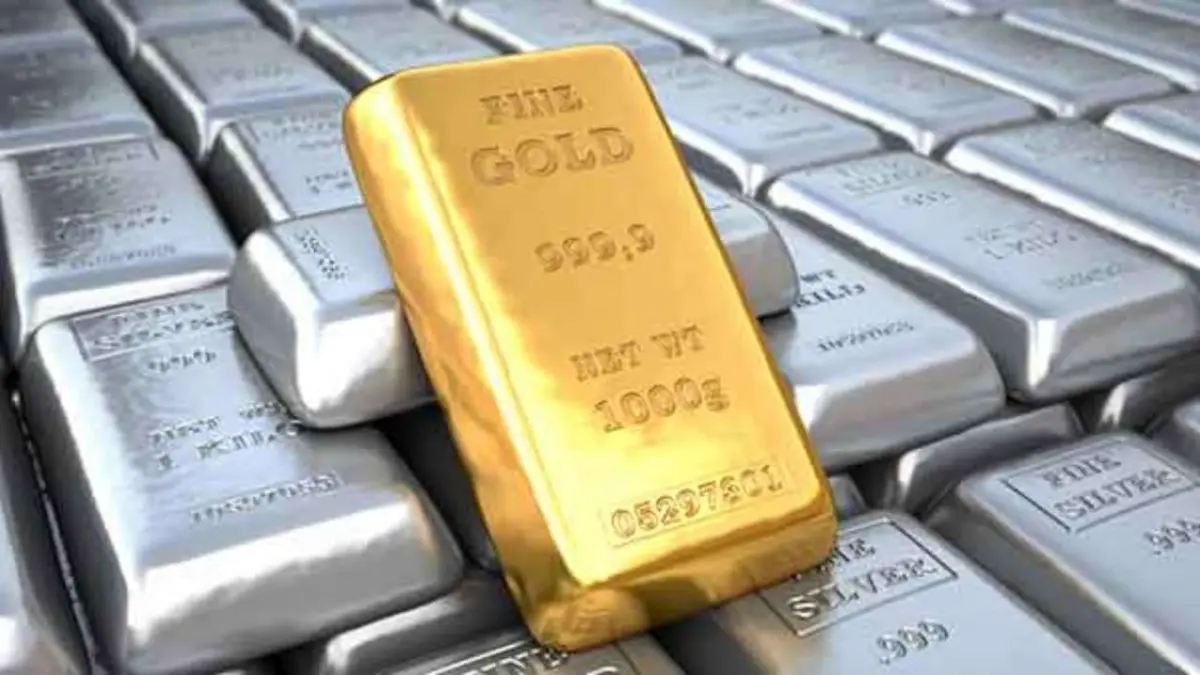
NEW DELHI, India – October 10, 2026 – India’s vibrant bullion market continues to reflect the intricate interplay of global economic forces and robust domestic demand. As of Friday, October 10, 2026, the prices of gold and silver across major Indian cities have registered a slight uptick, influenced predominantly by persistent global inflationary pressures, a strengthening safe-haven appeal, and the ever-present fluctuations in currency exchange rates. The current market dynamics underscore the enduring significance of these precious metals as both cultural touchstones and critical investment assets in the Indian economy.
Today’s movements come amidst a backdrop of cautious optimism in global markets, punctuated by ongoing concerns over supply chain disruptions and the monetary policies of major central banks. For Indian consumers and investors, the daily price variations of gold and silver are not merely numbers but indicators of economic stability and investment opportunity, particularly as the nation gears up for its auspicious festive and wedding seasons.
The Intricate Dance of Global and Local Factors
The Indian precious metals market is a complex ecosystem, sensitive to a confluence of international and domestic variables. Globally, factors such as geopolitical tensions, crude oil prices, interest rate decisions by the U.S. Federal Reserve, and the overall health of the world economy significantly impact the international price of gold and silver, which is often benchmarked in U.S. dollars. Any strengthening or weakening of the dollar, therefore, has a direct bearing on the rupee-denominated prices in India.
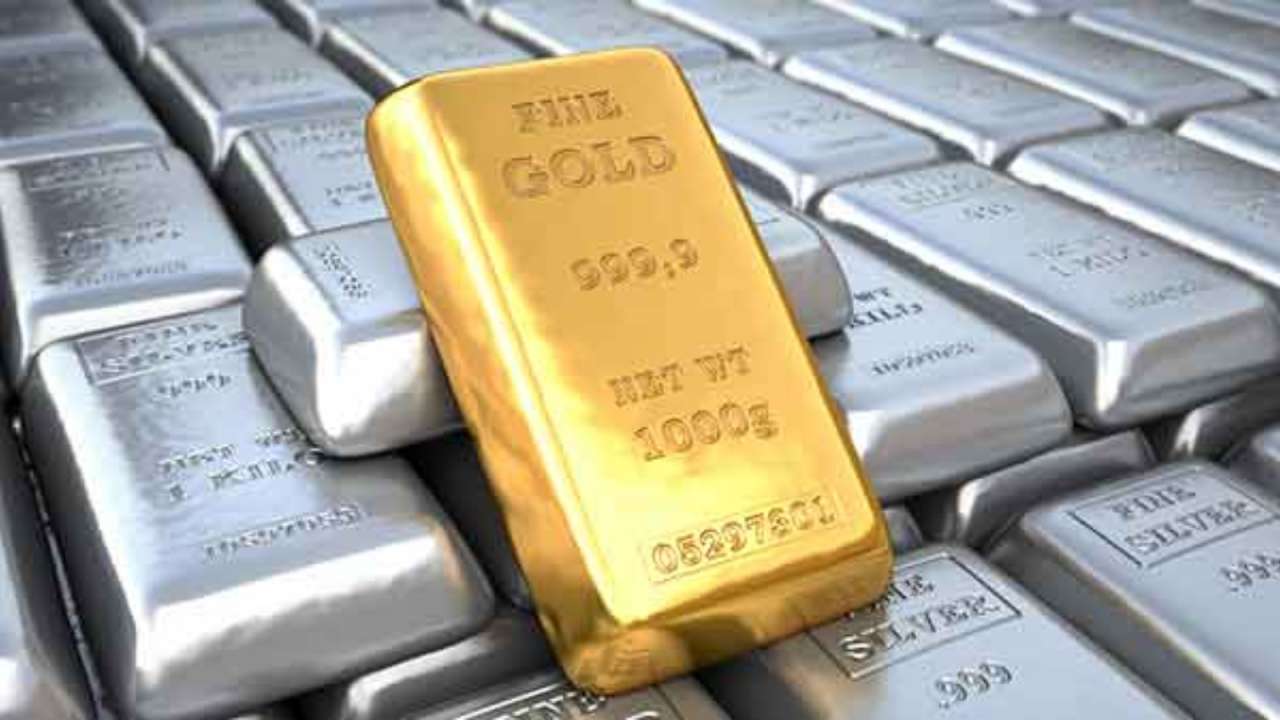
Domestically, India’s insatiable appetite for gold, rooted deeply in tradition, culture, and its role as a hedge against inflation, drives substantial demand. The upcoming festive season, which typically commences around this time of year and extends into the wedding season, historically fuels a surge in purchases, often overriding short-term price fluctuations. Rural demand, intricately linked to agricultural output and monsoon performance, also plays a crucial role, as a significant portion of the country’s population invests their savings in physical gold. Government policies, including import duties and taxation, further sculpt the market landscape, adding another layer of complexity to price determination.
A Look Back: Recent Trends in the Bullion Market
The year 2026 has been characterized by a period of sustained volatility and resilience in the precious metals market. Following a robust performance in the earlier part of the decade, gold and silver experienced a correction in late 2024 and early 2025 as global economies showed signs of recovery and central banks hinted at tighter monetary policies. However, renewed inflationary concerns and a more cautious outlook on global growth spurred a resurgence in safe-haven demand towards the latter half of 2025 and into 2026.
Analysts point to persistent global inflationary pressures, exacerbated by energy price volatility and supply chain bottlenecks, as a primary driver for gold’s recent ascent. Investors are increasingly turning to gold as a traditional store of value, seeking to preserve capital amidst currency debasement fears. Silver, often dubbed "poor man’s gold," has mirrored some of gold’s gains, benefiting from both its safe-haven attributes and its burgeoning industrial demand, particularly from sectors like solar energy, electric vehicles, and electronics, which are experiencing rapid expansion. The market has also closely watched central bank gold purchases, which have provided a floor to prices, signaling continued confidence in the metal as a reserve asset.
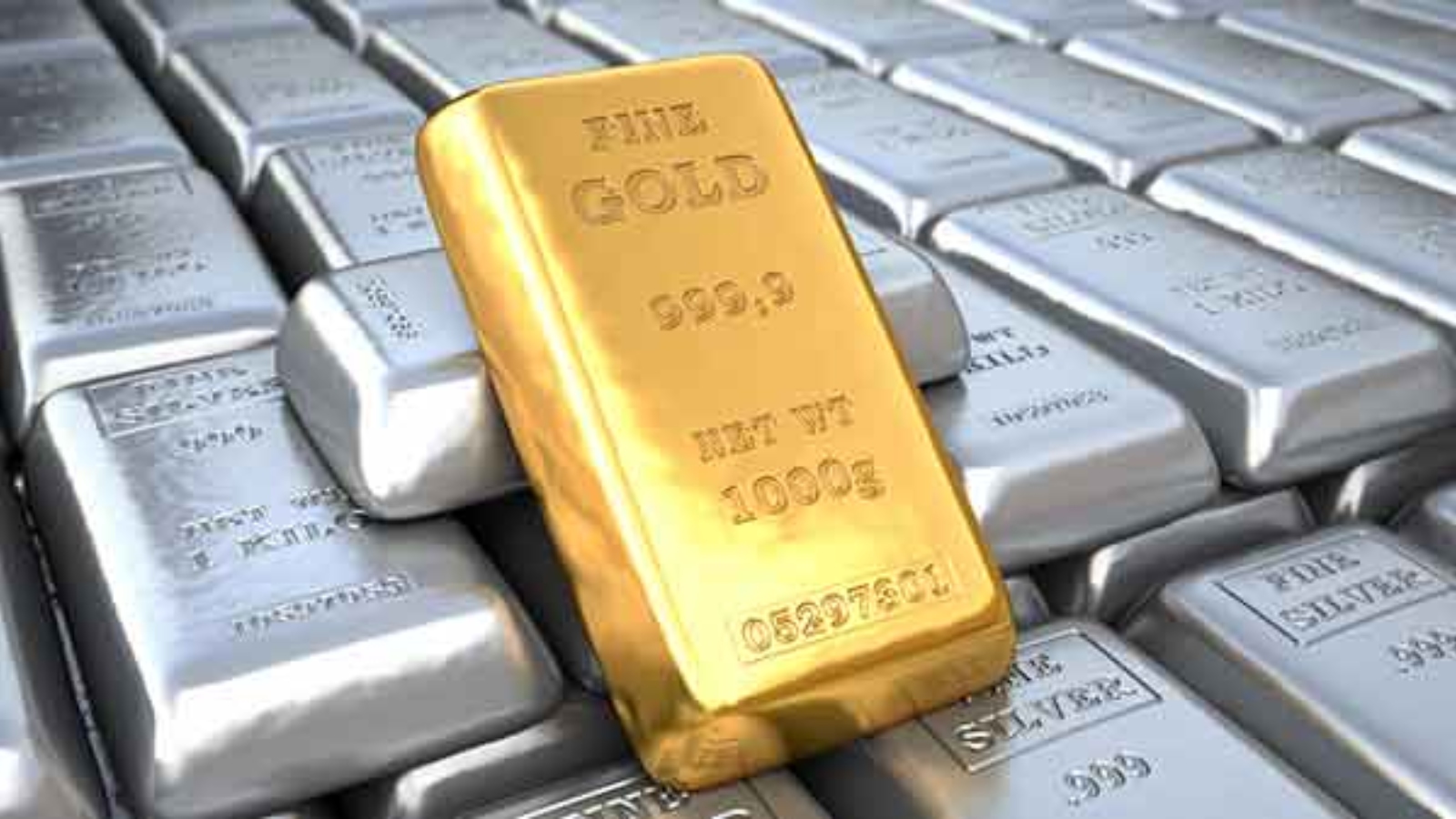)
Detailed Breakdown: Gold Prices on October 10, 2026
Today, gold prices in India reflect a slight but notable increase, primarily attributed to heightened global demand and the ongoing battle against inflationary pressures. The precious yellow metal continues to command strong interest from both retail buyers and institutional investors.
Understanding Gold Purity:
- 24K Gold (999 Purity): This represents 99.9% pure gold, often used for investments in bars and coins. It is the purest form available in the market.
- 22K Gold (916 Purity): Containing 91.67% pure gold and the remaining 8.33% consisting of other metals like copper, silver, or zinc, 22K gold is the most common purity for making jewellery due to its added durability.
As of October 10, 2026, the national average for 24K gold (999 pure gold) stands at Rs 14,923 per gram. For 22K gold (commonly used in jewellery), the price is recorded at Rs 13,679 per gram.

City-wise Gold Rates Today (Source: Good Returns):
-
Gold Prices in Delhi:
- 24K Gold: Rs 14,940 per gram
- 22K Gold: Rs 13,694 per gram
- Delhi, as a major commercial and consumption hub, often sees slightly varied rates influenced by local taxes and demand.
-
Gold Prices in Mumbai:
)
- 24K Gold: Rs 14,923 per gram
- 22K Gold: Rs 13,679 per gram
- Mumbai, India’s financial capital and a significant bullion trading center, typically aligns closely with national benchmarks.
-
Gold Prices in Kolkata:
- 24K Gold: Rs 14,923 per gram
- 22K Gold: Rs 13,679 per gram
- Kolkata, with its rich cultural heritage and strong affinity for gold, maintains prices consistent with the broader market.
-
Gold Prices in Chennai:
- 24K Gold: Rs 14,923 per gram
- 22K Gold: Rs 13,679 per gram
- Chennai, a prominent South Indian city known for its vibrant jewellery market, reflects the national average for gold prices today.
These prices are dynamic and can fluctuate throughout the day based on live market conditions, international spot prices, and the rupee-dollar exchange rate.
)
Detailed Breakdown: Silver Prices on October 10, 2026
While often overshadowed by gold, silver holds its own significant place in the Indian market, valued for its affordability, cultural significance, and crucial industrial applications. Today, silver prices have also shown resilience, underpinned by both investment interest and robust industrial demand.
Understanding Silver Purity:
- Silver 999 (Fine Silver): This refers to 99.9% pure silver, the highest purity available, primarily used for investment bars, coins, and industrial applications.
- Silver 925 (Sterling Silver): Comprising 92.5% pure silver and 7.5% other metals (usually copper), sterling silver is widely used for jewellery, silverware, and decorative items due to its durability and malleability.
As of today, the price of Silver 999 (fine silver) in India is approximately Rs 2,34,900 per kilogram. For Silver 925 (sterling silver), the rate is recorded at Rs 2,34,000 per kilogram.
)
City-wise Silver Rates Today (per 10 grams):
-
Silver Price in Delhi Today:
- Silver 999: Rs 2349 per 10 grams
- Delhi’s silver market, catering to both industrial and retail demand, shows a stable rate.
-
Silver Price in Mumbai Today:
)
- Silver 999: Rs 2349 per 10 grams
- Mumbai, a key trading hub, aligns with the broader national silver price trends.
-
Silver Price in Kolkata Today:
- Silver 999: Rs 2349 per 10 grams
- Kolkata, with its historical ties to silver craftsmanship, mirrors the consistent national rate.
-
Silver Price in Chennai Today:
- Silver 999: Rs 2399 per 10 grams
- Chennai stands out with a slightly higher price for silver today, possibly influenced by strong regional demand for silver ornaments and temple offerings.
Silver’s dual role as a precious metal and an industrial commodity means its price is particularly sensitive to global economic health. Strong manufacturing data or increased investment in green technologies (like solar panels, where silver is a key component) can significantly boost demand and, consequently, prices.
)
Expert Insights: Navigating the Precious Metals Landscape
Market analysts and industry veterans offer valuable perspectives on the current trends and future trajectory of gold and silver.
"The current stability, coupled with a modest upward trend in gold and silver prices, reflects a market grappling with persistent global uncertainties," explains Dr. Anjali Sharma, Chief Economist at Zenith Capital Management. "Inflationary pressures worldwide are undoubtedly playing a significant role, pushing investors towards traditional safe-haven assets. Central banks’ cautious stance on interest rate hikes, despite inflation concerns, also makes non-yielding assets like gold more attractive by keeping the opportunity cost of holding gold relatively low."
Mr. Rajeev Mehta, President of the Indian Bullion and Jewellers Association (IBJA), highlights the domestic perspective: "In India, the festive season is just around the corner, and we anticipate a strong demand for both gold and silver jewellery and investment products. While global cues set the baseline, local sentiment, cultural practices, and the intrinsic belief in gold as a long-term store of wealth ensure sustained interest, irrespective of minor daily fluctuations. The slightly higher silver prices in regions like Chennai could be attributed to concentrated regional demand for ceremonial silver items."
)
He further adds, "The government’s stance on import duties also plays a critical role. Any adjustments can instantly impact local prices. We continuously advocate for policies that support a stable and transparent bullion market for both consumers and businesses."
Regarding silver, Ms. Priya Singh, a Senior Commodities Analyst at Global Market Insights, notes: "Silver’s performance is increasingly tied to the green energy transition. As the world moves towards decarbonization, demand for silver in solar panels, electric vehicle components, and other high-tech applications is set to soar. This industrial demand acts as a powerful floor for silver prices, often allowing it to outperform gold during periods of robust economic growth, even while retaining its safe-haven appeal during downturns. Investors should view silver as a metal with significant growth potential driven by technological advancements."
Implications and Future Outlook
The current pricing structure of gold and silver carries significant implications for various stakeholders:
)
For Investors:
Precious metals continue to serve as vital portfolio diversifiers. In an environment of elevated inflation and geopolitical instability, gold remains a preferred hedge. Investors have multiple avenues, including physical gold (bullion, coins), digital gold platforms, Gold Exchange Traded Funds (ETFs), and Sovereign Gold Bonds (SGBs) offered by the government, which provide interest income in addition to capital appreciation. Silver, with its lower entry point and dual nature (investment and industrial), presents an attractive option for those seeking exposure to both safe-haven and growth-oriented assets.
For Consumers:
The current prices might present a moment of deliberation for consumers planning purchases for the festive season or weddings. While prices have seen a slight increase, the long-term upward trajectory of precious metals suggests that waiting indefinitely might not be optimal. Many jewelers offer schemes like gold saving plans that allow consumers to accumulate gold at an average price over time, mitigating the impact of short-term volatility.
For the Jewellery Industry:
Jewelers face the challenge of managing inventory in a fluctuating price environment. High gold prices can sometimes temper demand for heavier pieces, shifting consumer preference towards lighter, more intricate designs or opting for silver. The industry relies heavily on stable policies and transparent pricing mechanisms to thrive. The festive season is a crucial period, and jewelers are likely preparing with diverse collections to cater to varied budget segments.
)
Broader Economic Impact:
India is one of the world’s largest importers of gold. Higher international gold prices, coupled with a depreciating rupee, can inflate the country’s import bill, potentially widening the trade deficit. This makes the government’s foreign exchange management and import duty policies particularly sensitive to global bullion market movements. However, the domestic recycling of old gold also plays a role in offsetting some import requirements.
Looking ahead, the precious metals market is expected to remain dynamic. Global economic recovery, central bank policies, and geopolitical developments will continue to be primary drivers. Should inflation persist or escalate, gold and silver are likely to maintain their upward momentum. Conversely, aggressive interest rate hikes or a significant strengthening of the U.S. dollar could exert downward pressure.
Domestically, demand will continue to be underpinned by cultural significance and the absence of comparable alternative long-term savings avenues for many households. As India progresses, the digital transformation of gold buying and selling is also expected to gain further traction, offering more accessible and transparent options for investors.
)
The daily price updates of gold and silver are more than just market numbers; they are a pulse check on global economic health and a reflection of India’s enduring relationship with its cherished precious metals. As October 10, 2026, draws to a close, the market holds steady, poised for whatever economic winds may come next.
