

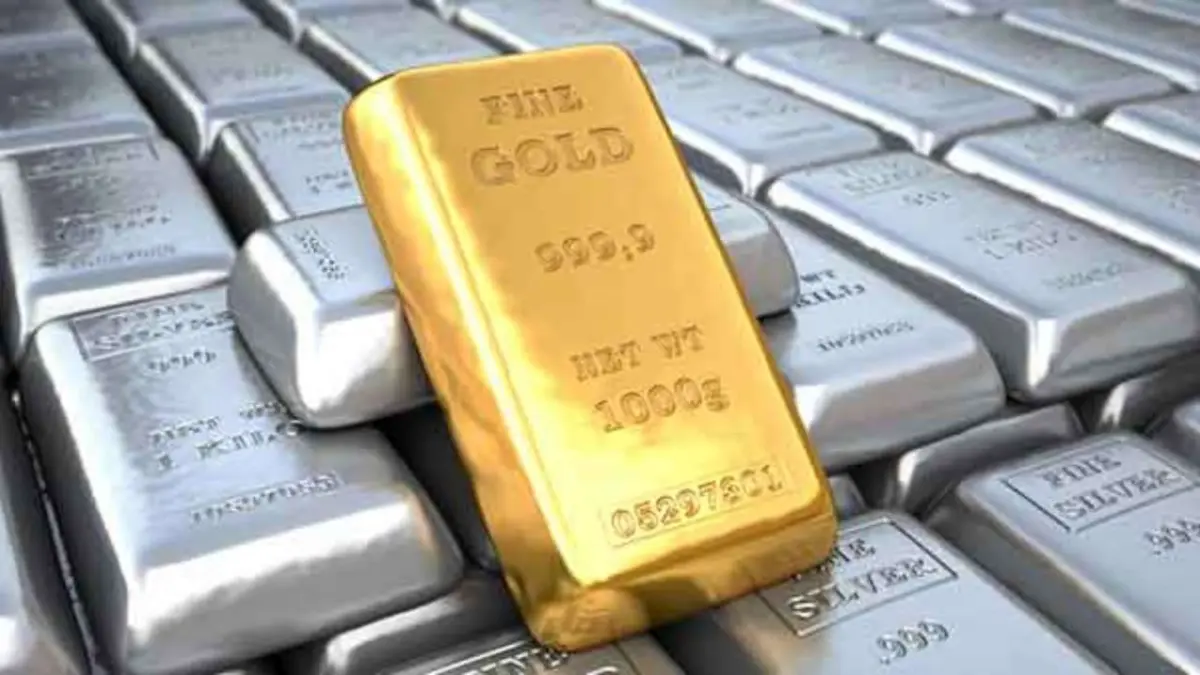
NEW DELHI, India – October 10, 2026 – India’s vibrant precious metals market is navigating a complex interplay of global economic shifts, persistent inflationary pressures, and robust domestic demand as of October 10, 2026. Gold prices have registered a slight uptick, driven primarily by international market trends and a continued flight to safety, while silver, buoyed by both investment and industrial interest, maintains a steady, albeit higher, valuation. Consumers and investors alike are closely monitoring these dynamics, which are shaped by geopolitical developments, currency fluctuations, and the eagerly anticipated festive season.
The precious metals, deeply ingrained in India’s cultural and economic fabric, serve not only as adornment but also as critical investment vehicles and hedges against economic uncertainty. Today’s price movements reflect a sophisticated global market, yet resonate profoundly with local sentiment and purchasing power.
The Precious Metals Landscape: A Snapshot of October 10, 2026
As the global economy grapples with varied challenges, including inflationary concerns and fluctuating geopolitical stability, the appeal of safe-haven assets like gold and silver remains strong. On October 10, 2026, the price of 24-carat gold (999 purity) stood at an average of ₹14,923 per gram across major Indian cities, while 22-carat gold (91.67% purity), preferred for jewellery, was priced at ₹13,679 per gram. Silver, a more industrially driven metal, commanded approximately ₹2,34,900 per kilogram for 999 purity, with sterling silver (925 purity) at ₹2,34,000 per kilogram. These figures underscore the intrinsic value and current market sentiment surrounding these commodities.
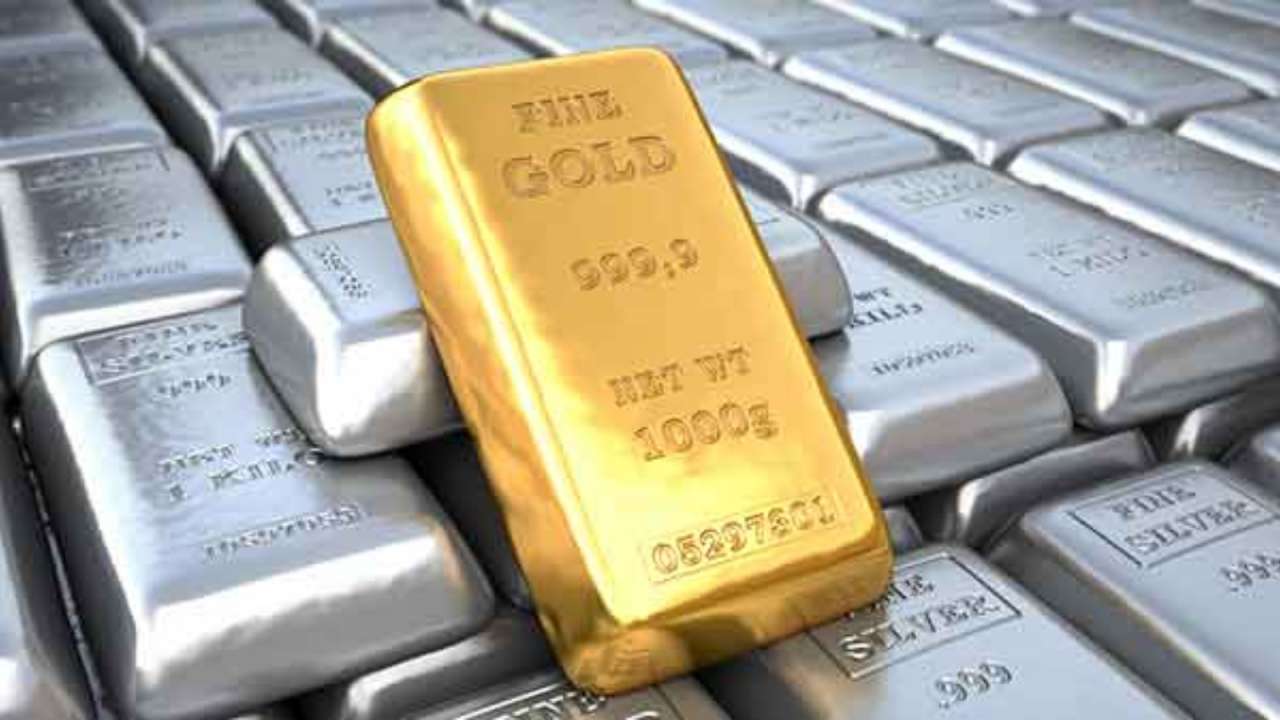
The slight increase in gold prices is directly attributable to heightened global demand, particularly from institutional investors seeking refuge from equity market volatility and the erosive effects of inflation. Simultaneously, the Indian rupee’s performance against the US dollar plays a pivotal role, as a weaker rupee makes dollar-denominated gold imports more expensive for local buyers, translating into higher domestic prices.
A Historical Perspective: Tracing the Path to Today’s Valuations
The current pricing structure for gold and silver on October 10, 2026, is not an isolated event but rather the culmination of several months of evolving market dynamics. The latter half of 2025 and early 2026 saw a period of considerable volatility in precious metals. Initially, expectations of aggressive interest rate hikes by global central banks, particularly the U.S. Federal Reserve, created headwinds for non-yielding assets like gold, leading to some price corrections. Investors, anticipating higher returns from fixed-income instruments, temporarily shifted away from precious metals.
However, this trend began to reverse significantly in the second and third quarters of 2026. A confluence of factors contributed to this shift. Persistent global inflation, particularly in key economies, proved more stubborn than initially anticipated, prompting renewed interest in gold as a traditional inflation hedge. Geopolitical tensions, stemming from various regional conflicts and trade disputes, intensified, further solidifying gold’s role as a safe haven. Simultaneously, concerns about the stability of certain financial systems resurfaced, prompting central banks and large institutional investors to increase their gold reserves, providing a strong demand floor.
)
For silver, the narrative has been slightly different but equally compelling. While also benefiting from the safe-haven appeal, silver’s price trajectory in 2026 has been significantly influenced by its dual role as an industrial metal. The ongoing global push towards green energy, particularly the expansion of solar power infrastructure and the burgeoning electric vehicle market, has spurred robust industrial demand for silver. This industrial consumption, coupled with growing investment interest as a more affordable alternative to gold, has prevented any significant downside pressure, even during periods of broader market uncertainty.
The Indian market, specifically, has mirrored these global trends, albeit with its own unique characteristics. The depreciation of the Indian Rupee against the US Dollar throughout much of 2026 has consistently made imported gold and silver more expensive in local currency terms, effectively setting a higher baseline for domestic prices. Furthermore, the anticipation of India’s major festive season, which traditionally kicks off in late September and peaks around Diwali, has seen a gradual build-up in consumer and trade demand, providing additional upward momentum to prices in the weeks leading up to October 10. Thus, today’s prices reflect a cautious yet firm market, poised between global uncertainties and robust domestic fundamentals.
Gold in Focus: Detailed Breakdown and Influencing Factors
Gold, often revered as the ultimate store of value, continues to captivate the Indian market. Its price movements are a delicate dance between international benchmarks and localized demand-supply dynamics.

National Gold Prices
As of October 10, 2026, the indicative national average for 24K gold (999 purity) is approximately ₹14,923 per gram. This purity is typically purchased in the form of gold bars, coins, and for high-value investment purposes. For 22K gold (91.67% purity), which is the standard for most Indian jewellery due to its durability and malleability, the average price hovers around ₹13,679 per gram. The slight difference in pricing between cities, as detailed below, can be attributed to local taxes, transportation costs, and specific market premiums or discounts.
City-Wise Gold Rates (Source: Good Returns)
The regional variations in gold prices across India underscore the fragmented nature of its bullion market, influenced by local taxes, logistical costs, and regional demand patterns.
-
Gold Prices in Delhi:
)
- 24K Gold (999 purity): ₹14,940 per gram
- 22K Gold (91.67% purity): ₹13,694 per gram
Delhi, as a major commercial and political hub, often sees slightly higher prices due to its status as a significant consumption and distribution centre.
-
Gold Prices in Mumbai:
- 24K Gold (999 purity): ₹14,923 per gram
- 22K Gold (91.67% purity): ₹13,679 per gram
Mumbai, the financial capital, serves as a key gateway for gold imports and a major trading centre, often reflecting the national average closely.
-
Gold Prices in Kolkata:
- 24K Gold (999 purity): ₹14,923 per gram
- 22K Gold (91.67% purity): ₹13,679 per gram
Kolkata, with its strong cultural affinity for gold, particularly during festive occasions and weddings, typically mirrors the national trends.
-
Gold Prices in Chennai:
)
- 24K Gold (999 purity): ₹14,923 per gram
- 22K Gold (91.67% purity): ₹13,679 per gram
Chennai and the broader South Indian region are renowned for their high gold consumption, yet prices here also align with national benchmarks, influenced by efficient supply chains.
Decoding Gold’s Dynamics: Key Price Drivers
The forces that move gold prices are multifaceted and interconnected, often reacting instantaneously to global and local developments:
-
Global Economic Indicators:
- Inflationary Pressures: As highlighted in the original report, rising global inflation diminishes the purchasing power of fiat currencies, making gold a desirable hedge against value erosion.
- Interest Rates: While higher interest rates generally make non-yielding assets less attractive, if real interest rates (nominal rate minus inflation) remain low or negative, gold’s appeal persists.
- Economic Uncertainty: Periods of global economic slowdowns, recessions, or financial market instability typically drive investors towards gold’s safe-haven properties.
- Geopolitical Tensions: Conflicts, political instability, and trade wars across the globe invariably boost gold’s demand as a refuge asset.
-
Domestic Demand:
)
- Festive Season & Weddings: India’s cultural calendar is dotted with festivals and wedding seasons (Dhanteras, Diwali, Akshaya Tritiya, etc.), which are traditionally auspicious times for gold purchases. This seasonal demand provides a consistent floor and often upward pressure on prices.
- Cultural Significance: Gold holds immense cultural and religious significance in India, often passed down through generations, making it a staple in household savings and gifting.
- Investment Hedging: For many Indians, gold is a primary form of savings and a hedge against local economic uncertainties and currency depreciation.
-
Currency Exchange Rates:
- USD-INR Exchange Rate: Since gold is primarily traded in US dollars on international markets, a weaker Indian Rupee against the dollar makes gold imports more expensive in local currency, directly impacting domestic prices. Importers pay more rupees for the same amount of gold, a cost that is passed on to consumers.
-
Central Bank Holdings:
- Global central banks, including the Reserve Bank of India, strategically hold gold as part of their foreign exchange reserves to diversify assets and provide stability. Increased buying by central banks can signal confidence in gold and exert upward price pressure.
-
Supply Chain & Mine Production:
)
- The global supply of newly mined gold has remained relatively constrained, and disruptions in mining operations or supply chains can impact availability and prices. Recycling of old gold also contributes to supply but is often price-sensitive.
Silver’s Shine: Market Performance and Regional Variations
Silver, often termed "poor man’s gold," possesses a unique market identity, influenced by both its monetary value and its indispensable role in industrial applications.
National Silver Prices
On October 10, 2026, the price of 999 pure silver across India stood at approximately ₹2,34,900 per kilogram. For consumers and investors purchasing smaller quantities, this translates to roughly ₹234.90 per 10 grams. Silver 925 (sterling silver), commonly used in jewellery and silverware, was priced at about ₹2,34,000 per kilogram. Silver’s affordability compared to gold makes it a popular entry point for new investors and a widespread choice for ornamental purposes in many Indian households.
City-Wise Silver Rates
Similar to gold, silver prices exhibit minor regional differences, although less pronounced due to its lower per-unit value.
)
-
Silver Price in Delhi Today:
- Silver 999: ₹2349 per 10 grams
Delhi’s industrial and commercial activities contribute to a steady demand for silver.
- Silver 999: ₹2349 per 10 grams
-
Silver Price in Mumbai Today:
- Silver 999: ₹2349 per 10 grams
Mumbai, as a trading hub, often sets the benchmark for silver prices across the country.
- Silver 999: ₹2349 per 10 grams
-
Silver Price in Kolkata Today:
)
- Silver 999: ₹2349 per 10 grams
Kolkata maintains consistent silver pricing in line with major metros.
- Silver 999: ₹2349 per 10 grams
-
Silver Price in Chennai Today:
- Silver 999: ₹2399 per 10 grams
Notably, Chennai shows a slightly higher price for silver, potentially reflecting stronger local demand for silver ornaments and traditional articles in South India, which can sometimes command a regional premium.
- Silver 999: ₹2399 per 10 grams
Factors Shaping Silver’s Trajectory
Silver’s price dynamics are influenced by a distinct set of factors, in addition to those it shares with gold:
-
Industrial Demand: This is arguably the most significant driver for silver. Its exceptional conductivity and photosensitivity make it crucial in various high-tech industries, including:
)
- Electronics: In connectors, conductors, and switches.
- Solar Panels: A key component in photovoltaic cells for renewable energy. The global push for green energy significantly boosts this demand.
- Medical Applications: Used in various medical devices and antimicrobial agents.
- Photography: Though less prevalent now, it was historically a major consumer.
A robust global economy generally translates to higher industrial demand for silver.
-
Investment Demand:
- Affordability: Silver’s lower price point per unit makes it more accessible for small investors, often serving as an entry-level precious metal investment.
- Diversification: Investors use silver to diversify their precious metals portfolio.
- Safe-Haven Appeal: Like gold, silver also benefits from increased investment during times of economic uncertainty and inflation.
-
Gold-Silver Ratio: This ratio, which indicates how many ounces of silver it takes to buy one ounce of gold, is a widely watched metric. When the ratio is high, silver is considered undervalued relative to gold, often attracting investors looking for potential upside. The current ratio provides insights into the relative strength of each metal.
-
Global Economic Health: Given its strong industrial ties, silver’s price is often more sensitive to global economic growth forecasts than gold. A strong global manufacturing sector typically supports higher silver prices.
)
Expert Perspectives and Market Sentiments
Market analysts and economists are closely watching the evolving landscape of precious metals, offering insights into current trends and future trajectories. According to Ms. Priya Sharma, a Senior Market Analyst at FinCorp India, "The current uptick in gold prices reflects a growing apprehension among investors regarding global economic stability and persistent inflationary pressures. We are seeing a classic flight to quality, where gold acts as a reliable store of value when traditional assets face headwinds."
Mr. Rajeev Mehta, a prominent bullion trader in Mumbai, adds, "The festive season in India is a perennial demand driver. While global cues set the baseline, local purchasing power and cultural significance ensure a robust demand floor. This year, despite higher prices, we anticipate strong buying, particularly as people continue to view gold as an essential asset for wealth preservation."
Regarding silver, Dr. Anjali Singh, an economic advisor specializing in commodities, commented, "Silver’s performance is a fascinating blend of monetary and industrial factors. The aggressive global shift towards sustainable energy solutions, particularly solar, is creating unprecedented industrial demand. This, combined with its traditional role as a precious metal, provides a strong dual support for its price. Investors are recognizing its long-term potential beyond just being ‘gold’s little brother.’" Experts largely agree that the current environment favors precious metals, with underlying inflation and geopolitical uncertainties continuing to provide tailwinds.
)
Implications for Investors and Consumers
The current market scenario for gold and silver carries significant implications for various stakeholders within the Indian economy.
Investment Strategy
- Gold as a Hedge: For investors, gold continues to serve as a vital hedge against inflation and currency devaluation. Its role in portfolio diversification becomes even more critical during periods of market volatility. Long-term investors may view current prices as part of an upward trend, driven by macro-economic factors.
- Silver’s Dual Role: Silver offers a unique proposition due to its dual nature. While it provides a safe-haven appeal similar to gold, its industrial demand linkages mean its price can also surge during periods of economic growth and technological advancement. This makes it an attractive option for investors looking for exposure to both commodity and industrial cycles.
- Risk Management: Investors are advised to consider their risk appetite and investment horizon. While precious metals offer stability, they are not immune to short-term fluctuations. A balanced approach, incorporating both physical and digital forms of gold (e.g., Gold ETFs, Sovereign Gold Bonds), is often recommended.
Consumer Behaviour
- Festive Buying: Despite the slight price increase, the upcoming festive season is expected to witness substantial consumer buying. Gold and silver jewellery remain integral to Indian celebrations, weddings, and gift-giving traditions. Consumers may adapt by purchasing lighter weight jewellery or opting for silver, which offers a more affordable entry point into precious metal ownership.
- Long-Term Savings: For many Indian households, buying gold is synonymous with long-term savings. Current prices may encourage some to accelerate purchases, viewing it as a prudent investment in an inflationary environment, while others might defer, hoping for a correction.
- Jewellery Industry Impact: The jewellery industry, a significant employer and economic contributor, directly feels the impact of price fluctuations. Higher raw material costs can squeeze margins or lead to higher retail prices, potentially affecting sales volumes. However, the inherent demand ensures continued activity, albeit with strategic adjustments like promoting lighter designs or diversifying into silver jewellery.
Economic Impact
- Import Bill and Trade Deficit: India is one of the world’s largest importers of gold and silver. Higher international prices and a depreciating rupee mean a larger import bill, which can exacerbate the country’s current account deficit and put pressure on foreign exchange reserves.
- Inflationary Pressures: The rising cost of precious metals, particularly gold, can feed into broader inflationary expectations within the domestic economy, influencing consumer spending and investment patterns.
- Economic Sentiment: Gold prices often serve as a barometer of economic confidence. Rising prices, while beneficial for those holding physical gold, can sometimes indicate underlying economic anxieties, prompting caution among policymakers.
Outlook and Future Projections
Looking ahead, the market for gold and silver in India is expected to remain dynamic. Experts suggest that several key factors will dictate their trajectory in the coming months.
The global macroeconomic environment will be paramount. Should inflationary pressures persist or intensify, gold’s appeal as an inflation hedge will likely strengthen, potentially pushing prices higher. Conversely, any decisive action by major central banks to curb inflation, such as sustained interest rate hikes that lead to higher real yields, could temper gold’s rally. Geopolitical developments, including the resolution or escalation of existing conflicts and the emergence of new flashpoints, will continue to inject volatility and drive safe-haven demand.
)
For silver, the long-term outlook appears robust due to the accelerating demand from green energy technologies. As countries worldwide commit to reducing carbon emissions and expanding renewable energy infrastructure, the industrial consumption of silver is projected to grow significantly. Any breakthroughs in solar panel efficiency or electric vehicle battery technology that rely on silver could provide additional upward impetus.
Domestically, the continued strength of Indian consumer demand, particularly around the upcoming wedding seasons and the major festival of Diwali, will provide crucial support for both metals. The performance of the Indian Rupee against the US Dollar will also be a critical determinant; a weaker rupee would sustain higher local prices, while a strengthening rupee could offer some relief. Investors and consumers are advised to stay informed about global economic data releases, central bank policy statements, and geopolitical events, as these will be the primary drivers shaping the precious metals market in the foreseeable future. The inherent allure of gold and silver in India ensures that these commodities will remain at the forefront of financial discussions, embodying both wealth and cultural heritage.
