

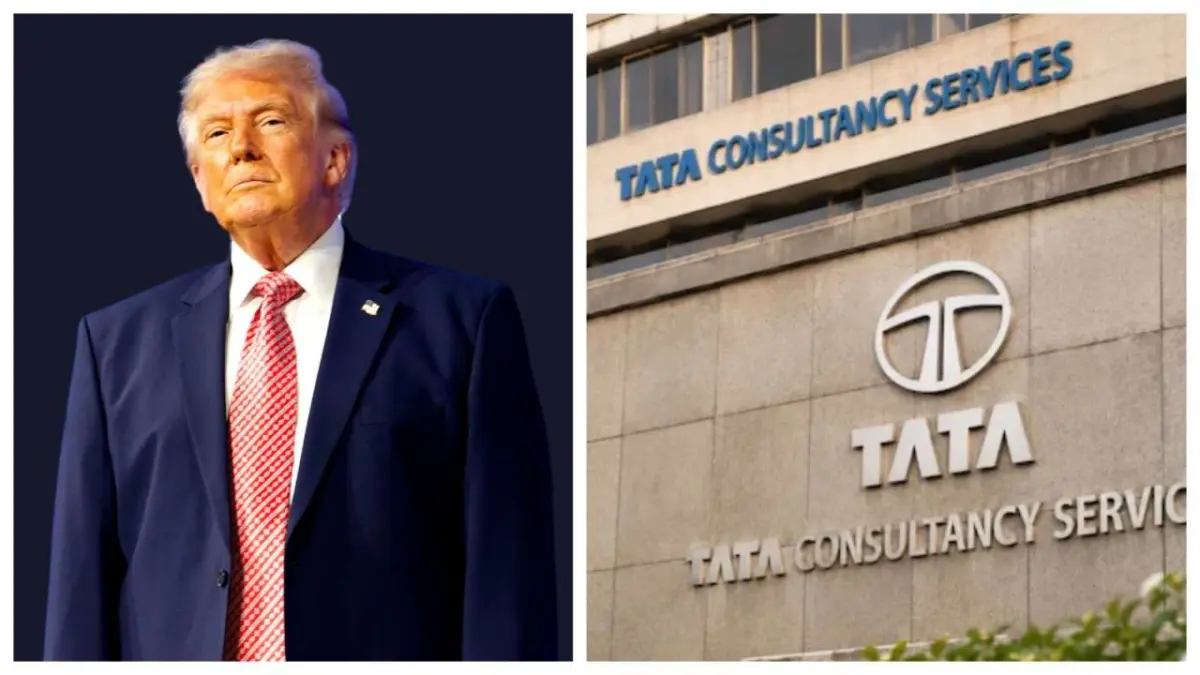
Mumbai, India / New York, USA – [Current Date, e.g., October 12, 2026] – In a development that has sent ripples through the global technology sector, India’s largest IT services exporter, Tata Consultancy Services (TCS), has confirmed its temporary suspension from the US government’s Permanent Labour Certification (PERM) programme. This move, part of a broader action affecting eight major technology firms, comes as the US administration intensifies its scrutiny of employment-based immigration avenues, citing concerns over alleged misuse and the imperative to protect American jobs.
Despite the high-profile nature of the suspension, TCS has moved swiftly to reassure stakeholders, asserting that the decision will not significantly impact its strategic workforce planning or its extensive customer engagements in the United States. The company highlighted that its PERM applications have been "in single digits" over the past two years, significantly limiting the immediate operational ramifications. Crucially, TCS reiterated its ambitious commitment to hire an additional 15,000 individuals in the US over the next five years, underscoring a robust and ongoing strategy focused on local talent acquisition.
Main Facts: Navigating the PERM Suspension
On October 8, the US government announced a significant policy adjustment, suspending eight prominent technology companies from the Permanent Labour Certification (PERM) programme. This program is a crucial gateway for US employers seeking to sponsor eligible foreign workers for permanent residency, commonly known as a green card, by certifying that there are no qualified American workers available for the position. The list of affected entities reads like a who’s who of global tech giants and IT service providers, including TCS, Infosys, Wipro, HCLTech, Cognizant, Capgemini, Microsoft, and Adobe.
The stated rationale behind the US administration’s decision centres on allegations of misuse within employment-based immigration programmes and a renewed emphasis on safeguarding American employment opportunities. For companies like TCS, which maintain substantial operations and client bases in the United States, such suspensions naturally prompt questions about workforce stability and future growth strategies.
)
However, TCS, in a subsequent filing to stock exchanges, offered a calm and calculated response. The IT behemoth clarified that its PERM applications had remained in the "single digits" during the preceding two years. This critical detail forms the bedrock of the company’s assertion that the suspension is unlikely to materially affect its overarching workforce strategy or its commitments to clients. Furthermore, TCS took the opportunity to reaffirm its long-standing strategy of localizing its US operations. The company restated its previously announced intention to recruit an additional 15,000 professionals within the United States over the next five years, a clear signal of its continued investment in domestic talent and its strategic alignment with the "Hire American" sentiment prevalent in US policy circles. The company also pledged full compliance with any directives issued by the Department of Labor, demonstrating its commitment to legal and regulatory adherence.
A Detailed Chronology of Events
The recent PERM suspension is not an isolated incident but rather the latest chapter in a long-running narrative concerning employment-based immigration in the United States, particularly as it pertains to the technology sector. Understanding the sequence of events and the underlying policy motivations is crucial for grasping the full implications.

The US Department of Labor’s Announcement (October 8)
The initial tremor was felt on October 8, when the US Department of Labor (DOL) made public its decision to suspend eight major technology companies from the PERM programme. The DOL’s statement was unequivocal, citing concerns regarding "alleged misuse" of employment-based immigration processes. While specific details of the alleged misuse were not immediately made public, the broader context points to an ongoing effort by the US government to ensure that foreign worker programs genuinely supplement, rather than supplant, the American workforce. The PERM process itself is designed to protect US workers by requiring employers to conduct recruitment efforts to determine if there are sufficient US workers who are able, willing, qualified, and available to perform the job. The suspension suggests that the DOL believes some companies may not have adhered strictly to the spirit or letter of these protective regulations. This action signals a more aggressive stance from the US administration on immigration enforcement, moving beyond rhetoric to concrete operational restrictions for specific entities.
TCS’s Swift Disclosure and Reassurance
Following the DOL’s announcement, Tata Consultancy Services moved quickly to address the situation. In a filing submitted to Indian stock exchanges on the subsequent Friday (likely October 9th or 10th, depending on the week’s calendar), TCS provided its official response. The company acknowledged the US government’s decision and affirmed its commitment to comply with all directives from the Department of Labor. Crucially, the filing detailed the limited scale of TCS’s PERM applications in recent years. By stating that these applications were in "single digits" over the last two years, TCS aimed to mitigate potential investor concerns and underscore that the suspension would not materially disrupt its extensive US operations or its ability to serve its vast client base. This proactive communication strategy aimed to manage perceptions and stabilize stakeholder confidence in the wake of the potentially unsettling news. The rapid disclosure is characteristic of a publicly traded company’s obligation to inform the market about events that could reasonably be expected to influence its business or stock performance.
)
Historical Context of Immigration Policies
The current suspension is set against a backdrop of evolving and often contentious US immigration policies, particularly concerning skilled foreign workers. Over the past two decades, various US administrations have grappled with the complexities of balancing the needs of the technology sector for specialized talent with concerns about domestic job protection. The H-1B visa program, which allows US employers to temporarily employ foreign workers in specialty occupations, has frequently been at the centre of this debate, facing periodic caps, increased scrutiny, and calls for reform. The "Buy American, Hire American" executive order issued by a previous administration amplified the focus on prioritizing US workers and tightening eligibility criteria for various visa categories. While the PERM program targets permanent residency, it is intrinsically linked to the pipeline of skilled foreign workers who often initially enter the US on temporary visas like the H-1B. The suspension, therefore, can be seen as an extension of a broader governmental effort to review, and potentially recalibrate, the mechanisms through which foreign talent enters and remains in the US workforce, especially in sectors where domestic job growth is a political priority. This historical context suggests that the current action is not an isolated punitive measure but part of a larger, ongoing policy trajectory.
Supporting Data and Contextual Analysis
The impact of the PERM suspension on TCS cannot be assessed in a vacuum. It requires a deeper dive into the company’s operational footprint in the US, its historical hiring patterns, and the broader trends within the Indian IT services industry.
)
The Significance of "Single Digit" Applications
TCS’s statement that its PERM applications were in "single digits" over the past two years is a pivotal piece of information. To appreciate its significance, one must consider the sheer scale of TCS’s operations. As one of the world’s largest IT services companies, TCS employs hundreds of thousands globally, with a substantial presence in the United States. Its US workforce alone numbers in the tens of thousands, distributed across numerous offices and delivery centres. In this context, "single digits" for PERM applications indicates a remarkably low reliance on this specific pathway for permanent residency.
This low number suggests several possibilities. Firstly, TCS may have been strategically prioritizing other visa categories for its US-based foreign employees, such as L-1 visas for intra-company transfers or H-1B visas for specialized temporary workers. For many global IT firms, the H-1B remains the primary vehicle for bringing foreign talent to the US. Secondly, it strongly reinforces TCS’s stated commitment to local hiring. If a company is predominantly filling its US roles with US citizens, green card holders, or individuals already authorized to work permanently in the US, its need for new PERM sponsorships would naturally be minimal. This low figure lends significant credibility to TCS’s claim that the suspension will not impede its operational capabilities or strategic growth in the US market. It positions the company as already having a diversified and localized talent strategy that is resilient to targeted program suspensions.
)
TCS’s Existing US Workforce and Local Hiring Strategy
TCS has consistently emphasized its deep commitment to building a robust local workforce in the United States. The company operates 31 offices and delivery centres strategically located across the country, serving a vast array of American clients across diverse industries. These centres are not merely administrative hubs but often house significant technical and delivery capabilities, staffed by a considerable percentage of US-based employees.
The company’s "anchor" in local talent is further solidified by its robust campus recruitment model. TCS actively engages with American universities and colleges, recruiting graduates directly into its US operations. This strategy is multi-faceted: it addresses client preferences for local teams, aligns with governmental pushes for domestic job creation, and reduces reliance on complex and often scrutinized immigration pathways. By investing in local talent development, training, and career progression, TCS cultivates a stable and integrated workforce that is less susceptible to fluctuations in immigration policy. The reiteration of the 15,000 new US hires over five years further solidifies this commitment, indicating a long-term strategic investment in the American talent pool, independent of the PERM program’s availability. This approach positions TCS as a significant contributor to the US economy, creating jobs and fostering local expertise.
)
The Broader Landscape of Indian IT in the US
The suspension of eight companies, including several major Indian IT service providers, highlights a broader trend within the industry. For years, Indian IT firms have been pivotal in addressing the US tech talent gap, often leveraging H-1B visas and, to a lesser extent, PERM, to bring specialized skills to American projects. However, increasing regulatory scrutiny and protectionist policies in the US have spurred a fundamental shift in their operating models.
Companies like Infosys, Wipro, HCLTech, and Capgemini have all been actively pursuing similar localization strategies, establishing more delivery centres in the US, increasing local hiring, and investing in reskilling programs for American workers. While the "single digit" PERM applications may be specific to TCS, it is likely that other large, established Indian IT players have also diversified their talent acquisition strategies to reduce dependence on any single visa or permanent residency pathway. The US market remains critical for these companies, representing a significant portion of their global revenues. Therefore, adapting to the changing immigration landscape by prioritizing local talent has become an imperative, not merely a preference. This collective strategic pivot indicates a maturing industry response to geopolitical and regulatory pressures, aiming to build more resilient and locally integrated business models in key markets like the US.
)
Official Responses and Industry Reactions
The PERM suspension has elicited careful responses from the affected companies and has sparked discussions within the broader tech industry and legal circles regarding the future of employment-based immigration.
TCS’s Commitment to Compliance and Transparency
TCS’s official statement, "We have noted the announcement by the US Government on the Permanent Labour Certification Program (PERM) and TCS will comply with any directive from the Department of Labour," reflects a standard and prudent corporate posture. This commitment to compliance is paramount for any global entity operating within a foreign jurisdiction, particularly concerning sensitive areas like immigration and labour laws. By publicly stating its intent to adhere to US government directives, TCS reinforces its image as a responsible corporate citizen.
)
Furthermore, the transparency with which TCS communicated the "single digit" nature of its PERM applications demonstrates an effort to proactively manage investor and public sentiment. In a landscape often fraught with misinformation or speculation regarding visa programs, providing concrete data, even if minimal, helps to clarify the actual operational impact. This approach aims to differentiate TCS from any general narrative about widespread reliance on PERM and to reinforce that its strategic direction is already aligned with a localized model. This level of communication is vital for maintaining trust with shareholders, clients, and employees globally.
US Department of Labor’s Perspective and Rationale
The US Department of Labor’s rationale for the suspension – "alleged misuse of employment-based immigration programmes and concerns about protecting American jobs" – is consistent with previous statements and actions by the US administration concerning immigration. While specific allegations against the eight suspended companies have not been detailed publicly, such actions are typically preceded by investigations or audits revealing patterns of non-compliance with PERM regulations. These regulations include strict requirements for advertising job openings, interviewing US applicants, and documenting the unavailability of qualified US workers before an employer can seek PERM certification for a foreign national.
)
The suspension signals a heightened level of enforcement by the DOL, suggesting that the government is moving beyond merely auditing applications to taking more drastic measures against companies found to be in potential violation. This could involve scrutinizing the genuineness of recruitment efforts, the qualifications specified for roles, or the employer’s attestations regarding US worker availability. This action sends a clear message to all employers utilizing the PERM program that adherence to its protective clauses is under severe scrutiny, and non-compliance will lead to significant repercussions. It also underscores a persistent political narrative around "protecting American jobs," which often drives stricter immigration policies.
Broader Industry and Expert Commentary
The industry’s reaction, while not extensively quoted in the original article, can be inferred. Immigration attorneys are likely advising clients on increased due diligence for all PERM applications and preparing for potential audits. Industry analysts would be assessing whether this move is a precursor to broader immigration reforms or a targeted enforcement action. The consensus among experts would likely be that companies relying heavily on PERM would need to urgently review and adjust their talent strategies.
)
Competitor companies, particularly those not on the suspension list, would be evaluating their own PERM application volumes and compliance measures. The suspension serves as a stark warning, reinforcing the trend that global IT firms must further localize their operations and reduce dependency on foreign worker visas for long-term strategic stability in the US market. Experts might also highlight the ongoing debate regarding the actual impact of skilled foreign workers on US jobs, often citing studies that show these workers create more jobs through innovation and economic growth rather than taking them away. However, the political will often prioritizes perceived immediate job protection.
Implications for TCS, the IT Sector, and US Immigration Policy
The PERM suspension, while seemingly limited in its immediate effect on TCS due to its "single digit" reliance, carries significant long-term implications for the company, the broader IT services sector, and the trajectory of US immigration policy.
)
Strategic Reinforcement of Localized Operations for TCS
For TCS, the PERM suspension serves as a powerful validation and accelerator for its existing localized operational strategy in the US. The company’s proactive investment in hiring and training US talent, establishing numerous delivery centres, and engaging in campus recruitment demonstrates a foresight that now pays dividends. The fact that their PERM applications were minimal underscores that their growth and operational stability in the US are not heavily contingent on this specific immigration pathway.
This event will likely prompt TCS to double down on its commitment to its stated goal of hiring 15,000 additional people in the US over the next five years. These new hires will almost certainly be predominantly US citizens, green card holders, or individuals with existing work authorization, further embedding TCS within the American economic fabric. The suspension might also influence talent acquisition and retention strategies, emphasizing continuous upskilling of the local workforce and fostering stronger ties with US academic institutions. This strategic reinforcement positions TCS as a more resilient and locally integrated player, potentially enhancing its appeal to US clients who value stability and alignment with national employment objectives.
)
The Future of Employment-Based Immigration
The suspension of eight major tech companies from the PERM program signals a critical inflection point for employment-based immigration in the US. It indicates a clear shift towards stricter enforcement and potentially broader reforms. For other companies, especially those with a higher reliance on PERM, this action is a stark warning. They will need to urgently review their internal processes, ensuring meticulous compliance with DOL regulations, and consider diversifying their talent pipelines.
This development could lead to a broader chilling effect, where companies become more hesitant to sponsor green cards via PERM, even if they are compliant, fearing increased scrutiny or similar suspensions. It may also accelerate calls for comprehensive immigration reform, pushing for either more streamlined processes for highly skilled workers or, conversely, even tighter restrictions to prioritize domestic workers. The economic arguments for skilled immigration – filling critical skills gaps, fostering innovation, and contributing to economic growth – will continue to clash with political narratives focused on protecting American jobs. The future might see a more bifurcated system: one that is highly selective and difficult to navigate for general IT services roles, and perhaps a more expedited path for truly niche, cutting-edge specializations that demonstrably lack domestic talent.
)
Potential Long-Term Effects on US-India Tech Relations
While directly related to a specific immigration program, the PERM suspension could have subtle but significant long-term implications for US-India tech relations. India is a powerhouse of IT talent, and its service providers have been crucial partners for US businesses for decades. Actions that are perceived as restrictive or discriminatory could, over time, influence the strategic outlook of Indian tech companies and potentially foster a greater focus on other global markets or greater investment in offshore capabilities.
While the immediate impact on bilateral trade might be minimal, the cumulative effect of various immigration restrictions could reshape how Indian tech firms view the US as a primary destination for talent deployment. It might encourage further investment in automation and AI-driven solutions to reduce reliance on human capital mobility, or a greater emphasis on recruiting talent from other countries to serve US clients. This underscores the delicate balance between national immigration policies and the broader geopolitical and economic partnerships that underpin global trade and technological advancement.
)
Operational Adaptations for Global IT Firms
In response to this and similar immigration challenges, global IT firms will likely pursue several operational adaptations:
- Increased Localization: A further acceleration of hiring US citizens and green card holders, expanding university partnerships, and investing in local training programs.
- Diversification of Global Talent Pools: Reducing over-reliance on any single country or region for talent, instead sourcing from a wider array of nations to mitigate risks from localized immigration policies.
- Enhanced Automation and AI: Investing more heavily in automation, artificial intelligence, and low-code/no-code platforms to reduce the overall need for human intervention in certain IT tasks, thereby lessening the demand for large-scale talent mobility.
- Strategic Offshoring and Nearshoring: While localization is key, companies might also optimize their global delivery models by expanding operations in other nearshore (e.g., Latin America, Canada) or offshore locations (e.g., Eastern Europe, Southeast Asia) to serve US clients, balancing cost efficiencies with geopolitical risks.
- Robust Compliance Frameworks: Investing in stronger legal and compliance teams to navigate complex and evolving immigration laws, ensuring meticulous adherence to all regulations to avoid future suspensions or penalties.
In conclusion, while TCS has adeptly positioned itself to weather the immediate storm of the PERM suspension, the incident serves as a potent reminder of the ever-changing landscape of global talent mobility. It underscores a persistent trend towards greater localization and scrutiny within the US tech sector, compelling all major players to continuously adapt their strategies to remain competitive and compliant in a world where talent, policy, and geopolitics are inextricably linked.
