

NEW DELHI – In a development that has sent ripples through India’s financial markets, the Indian rupee sharply depreciated against the US dollar on Wednesday, breaching the critical 96.70 mark to trade around 96.78. This significant weakening occurred despite the Reserve Bank of India (RBI) implementing its first repo rate hike since February 2023, raising it by 25 basis points to 5.50 percent. The market’s counter-intuitive reaction underscores the immense pressure exerted by a confluence of potent global and domestic factors, which seemingly outweighed the customary support expected from tighter monetary policy.
The rupee’s fall, which saw it open at 96.42 and touch an intraday low of 96.85 before stabilizing slightly, has left currency experts and market participants scrutinizing the intricate dynamics at play. Typically, higher domestic interest rates enhance the attractiveness of a country’s assets, drawing in foreign capital and bolstering its currency. However, this week’s movement presented a stark reversal, signaling that the prevailing global risk aversion, soaring commodity prices, and an insatiable demand for the greenback are currently dictating the rupee’s trajectory.
Main Facts: The Paradoxical Decline
The core narrative unfolding in the Indian foreign exchange market is one of paradox. The RBI’s decision to increase the repo rate, a move designed to curb inflation and potentially shore up the currency by making rupee-denominated assets more appealing, failed to provide the anticipated strength. Instead, the rupee experienced a notable weakening, plummeting around 50 paise against the dollar post-announcement, a reaction described by experts as "unusual."
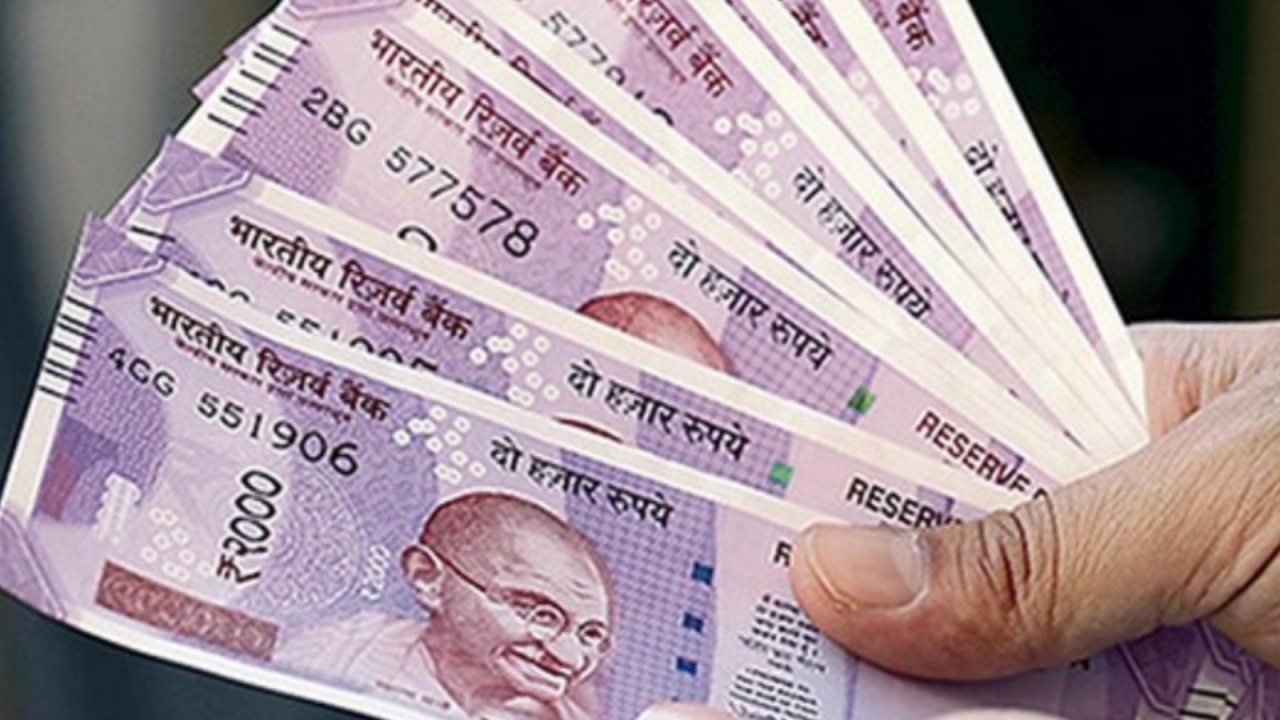
The key drivers behind this perplexing decline are multifaceted:
- Elevated Crude Oil Prices: Brent crude surged past $101.50 per barrel, significantly impacting India, one of the world’s largest crude importers, and increasing its dollar demand for energy purchases.
- Higher Global Bond Yields: Particularly in the US, rising bond yields attract capital towards safer, higher-yielding dollar assets, leading to outflows from emerging markets like India.
- Firmer US Dollar Index (DXY): The dollar’s broad-based strength against a basket of major currencies reflects its safe-haven appeal amid global uncertainties and robust US economic indicators.
- Sustained Foreign Equity Outflows: Foreign institutional investors (FIIs) continue to pull funds from Indian equities, further depleting dollar supply in the domestic market.
- Aggressive Importer Demand: Domestic importers are reportedly engaging in "panic buying" of dollars, exacerbating the demand-supply imbalance.
- Mismatch in Interest Rate Differentials and Forward Premiums: Currency experts point to a significant discrepancy between the current yield differentials and the forward market pricing, suggesting underlying expectations of continued rupee depreciation.
This complex interplay of forces has pushed the rupee close to its all-time lows, creating a challenging environment for policymakers and businesses alike.
Chronology: A Policy Shift Amidst Global Turbulence
The recent rate hike marks a significant pivot in the RBI’s monetary policy stance, coming after a period of accommodative measures.
)
December 2024: A New Era Under Governor Malhotra
The current phase of RBI policy is being steered under the leadership of Governor Sanjay Malhotra, who assumed charge in December 2024. Wednesday’s rate hike represents the first such increase during his tenure, signaling a potential shift towards a more hawkish stance in response to evolving economic realities. Governor Malhotra’s initial months at the helm saw him inheriting a policy framework shaped by previous cycles, setting the stage for his first major intervention.
February 2023: The Last Rate Adjustment
Prior to this week’s decision, the RBI had last adjusted the repo rate in February 2023. That period was characterized by a different set of economic challenges and policy priorities. The subsequent period saw a concerted effort to support economic growth, particularly in the wake of global slowdowns and domestic inflationary pressures that were deemed manageable or transitory.
2025: A Cycle of Easing
Throughout the calendar year 2025, the central bank had embarked on a significant easing cycle. The repo rate was cumulatively lowered by 125 basis points, bringing it down from 6.50 percent to 5.25 percent. This series of cuts aimed to inject liquidity into the financial system, reduce borrowing costs, and stimulate investment and consumption, thereby bolstering economic recovery. The current hike, therefore, represents a clear reversal from this accommodative stance, reflecting a renewed focus on inflation management and currency stability, even if its immediate impact on the rupee proved counterintuitive.

Wednesday’s Market Action: A Day of Depreciation
On Wednesday, the Indian rupee commenced trading at 96.42 against the US dollar. However, market sentiment quickly deteriorated, leading to a steady decline throughout the trading session. By 3:30 pm, the currency was hovering around 96.78, having touched an intraday low of 96.85. This intra-day movement vividly illustrates the intense selling pressure and dollar demand that dominated the market, effectively negating the positive sentiment that a rate hike would typically generate.
Supporting Data: Unpacking the Drivers of Weakness
The rupee’s unexpected decline despite a rate hike is not merely a transient anomaly but a symptom of deep-seated economic forces, both global and domestic. A closer examination of these factors reveals why the RBI’s policy action provided only limited immediate support.
Global Headwinds: A Stormy Economic Environment
)
-
Soaring Crude Oil Prices: India’s vulnerability to global energy price shocks is a perennial concern. As one of the world’s largest net importers of crude oil, an increase in international oil benchmarks directly translates into a higher import bill. With Brent crude surpassing $101.50 per barrel, Indian refiners and industries require a larger quantum of US dollars to finance these essential imports. This heightened demand for dollars creates significant downward pressure on the rupee. The economic ripple effect extends beyond trade deficits; higher fuel prices feed into domestic inflation, raising input costs for businesses and potentially eroding consumer purchasing power, further complicating the RBI’s inflation management efforts.
-
Elevated Global Bond Yields and a Strong US Dollar: The appeal of the US dollar as a safe-haven asset, coupled with the rising yields on US Treasury bonds, creates a powerful magnet for global capital. As the US economy demonstrates resilience and the Federal Reserve potentially signals a tighter monetary policy path, the relative return on dollar-denominated assets becomes more attractive. This dynamic encourages foreign portfolio investors (FPIs) to reallocate funds from emerging markets like India to the US, leading to capital outflows. The US Dollar Index (DXY), which measures the dollar’s strength against a basket of six major currencies, has been robust, reflecting this global preference for the greenback amidst geopolitical uncertainties and divergent monetary policy paths globally.
-
Continued Foreign Equity Outflows: The trend of foreign institutional investors (FIIs) pulling money out of Indian equities has been a persistent theme. Factors such as global risk aversion, the allure of higher returns in developed markets (especially the US), and profit-booking in an expensive Indian market contribute to these outflows. When FIIs sell Indian stocks, they repatriate their earnings in dollars, thereby increasing demand for the US currency and weakening the rupee. This trend suggests a broader lack of confidence among a segment of international investors regarding the near-term prospects or stability of emerging markets, despite individual policy actions like rate hikes.
)
Domestic Pressures: The Demand-Supply Imbalance
-
Aggressive Importer Demand and "Panic Buying": Currency expert K.N. Dey highlighted the unusual "panic buying" of dollars by importers. This indicates that despite the RBI’s rate hike, a significant segment of the market anticipates further rupee depreciation. Importers, facing higher costs in the future, are likely front-loading their dollar purchases to lock in current rates, thus creating an immediate surge in demand. This speculative or preemptive buying behavior, driven by fear of further declines, exacerbates the demand-supply imbalance in the spot market, pushing the rupee lower.
-
Mismatch in Interest-Rate Differentials and Forward Market Pricing: Dey also pointed out a crucial technical anomaly: "10-year yield difference between the US and India are around 2% whereas the 3-month forward is 5%, 6 months is 4.4%, and 1-year is 3.82%."
)
- Yield Differential: A 2% difference in 10-year bond yields typically suggests that holding Indian debt offers a higher return than US debt, which should, in theory, attract capital.
- Forward Premiums: However, the significantly higher forward premiums (e.g., 5% for 3-month forwards) imply that the market expects the rupee to depreciate substantially in the future. The forward premium essentially reflects the interest rate differential between two currencies, adjusted for market expectations of future spot rates.
- The Anomaly: When the forward premium is considerably higher than the actual yield differential, it suggests that the market is pricing in a much higher expected depreciation of the rupee than what the current interest rate spread would justify. This indicates strong bearish sentiment and a belief that the rupee’s current value is not sustainable, compelling hedgers (like importers) to pay a higher premium to lock in future exchange rates. This mismatch underscores deep-seated concerns about the rupee’s trajectory that even a spot rate hike cannot immediately alleviate.
-
Market Perception and Efficacy of Rate Hike: The failure of the rate hike to bolster the rupee suggests that either the market had already priced in this 25 basis point increase, or the quantum of the hike was deemed insufficient to counter the formidable global headwinds. It’s possible that market participants viewed the hike as a necessary but perhaps belated step, or simply too small to make a material difference against a backdrop of surging dollar demand and capital outflows. This indicates a potential credibility gap or a perception that the RBI’s actions, while technically sound, are struggling against larger, external forces.
Official Responses and Expert Commentary
The unusual market reaction has naturally drawn sharp commentary from currency experts, highlighting the unprecedented nature of the current situation and offering insights into the underlying dynamics.
K.N. Dey, Currency Expert:
K.N. Dey was particularly vocal about the atypical nature of the rupee’s decline. "On a very rare occasion the Rupee has weakened by 50 paisa after the RBI policy announcement of a rate hike. Totally opposite," he remarked, emphasizing the stark deviation from conventional market behavior. His observation underscores the severity of the selling pressure and the strength of the dollar demand that overwhelmed the positive sentiment typically associated with a rate hike.
Dey’s detailed analysis of the interest-rate differentials versus forward market pricing ("10-year yield difference between the US and India are around 2% whereas the 3-month forward is 5%, 6 months is 4.4%, and 1-year is 3.82%") provides critical technical insight. This significant disparity suggests that market participants are expecting a much sharper depreciation of the rupee in the coming months than what current interest rate spreads alone would imply. This expectation fuels "panic buying" by importers, as Dey noted, who are desperate to hedge their future dollar liabilities at what they perceive to be relatively better rates today, even if those rates are already elevated. "Importers are panic buying. Very rarely seen," he added, pointing to a state of heightened anxiety among businesses reliant on imports.
)
Ajay Kedia, Director of Kedia Advisory:
Ajay Kedia echoed the sentiment that global factors are the predominant force dictating the rupee’s movement. He articulated a clear list of external pressures: "Rupee remained weak near 96.80 per dollar, close to record lows, pressured by a firmer dollar, higher global bond yields, elevated Brent crude above $101.50 and continued foreign equity outflows." Kedia’s comprehensive summary neatly encapsulates the primary drivers detailed earlier, reinforcing the idea that India’s domestic monetary policy, while important, is currently struggling to assert its influence against these powerful international currents.
He further provided crucial technical levels for the rupee’s near-term outlook, stating, "Rupee below 96.40, rupee looks weak toward 96.90–97.20, while RBI intervention may cap losses. Support stands at 96.00 below 96.50." This forecast suggests that if the rupee sustains below the 96.40 level, it could swiftly head towards the 96.90-97.20 range, indicating further depreciation is expected. However, Kedia prudently noted the potential for RBI intervention to "cap losses," acknowledging the central bank’s historical role in managing currency volatility. The mention of support levels at 96.00 and 96.50 indicates potential points where buying interest might emerge or where the RBI might step in more aggressively to prevent a free fall.
Implicit RBI Stance and Intervention:
While there are no direct quotes from the RBI itself in the immediate aftermath of the policy announcement, the mention of "RBI intervention may cap losses" in Kedia’s commentary is highly significant. The RBI traditionally acts as a vigilant guardian of the rupee, intervening in the foreign exchange market by selling dollars from its reserves to curb excessive volatility and prevent sharp depreciations. This intervention serves to inject dollar liquidity into the market, thereby reducing the demand-supply imbalance.
However, the RBI faces a delicate balancing act. While intervention can provide temporary relief, sustained selling of dollars depletes the country’s foreign exchange reserves, which are crucial for economic stability and managing external shocks. The current situation presents a dilemma: how much to intervene to support the rupee without unduly depleting reserves, especially when global factors are so dominant. The market is keenly watching for signs of the RBI’s readiness and capacity to intervene more forcefully if the rupee continues its downward slide. The new Governor, Sanjay Malhotra, will be under pressure to demonstrate a firm hand in managing this challenging currency environment.
Implications: Far-Reaching Consequences and Future Outlook
The persistent weakening of the rupee carries significant implications across various facets of the Indian economy, influencing everything from household budgets to corporate balance sheets and the broader macroeconomic stability.
)
Economic Impact:
-
Inflationary Pressures: A weaker rupee directly fuels imported inflation. As India relies heavily on imports for essential commodities like crude oil, edible oils, and certain raw materials, a depreciated currency makes these imports more expensive in rupee terms. This increased cost is often passed on to consumers, contributing to higher domestic inflation. For the RBI, which has just begun a rate hike cycle to combat inflation, a weakening rupee presents a formidable challenge, potentially negating the impact of its monetary tightening measures.
-
Current Account Deficit (CAD): A higher import bill, exacerbated by a weaker rupee and elevated global commodity prices, inevitably widens India’s current account deficit. The CAD represents the difference between a country’s total exports and imports of goods, services, and transfers. A larger CAD indicates that the country is earning less foreign exchange than it is spending, which needs to be financed by capital inflows. If capital inflows are insufficient, it puts further downward pressure on the currency, creating a vicious cycle.
)
-
Corporate Sector Impact:
- Importers: Businesses that rely on imported inputs or trade in imported goods face higher operational costs, squeezing profit margins. Companies with unhedged foreign currency debt also face increased repayment burdens in rupee terms, raising financial risks.
- Exporters: Conversely, a weaker rupee generally benefits exporters, as their dollar earnings translate into more rupees, making their products more competitive in international markets. However, the benefits might be offset by higher input costs if their raw materials are imported.
- IT Services: The IT and ITES sectors, major exporters of services, typically see their rupee revenues boosted by a depreciating currency, offering some relief in an otherwise challenging global economic climate.
-
Foreign Investment and Capital Flows: Persistent currency depreciation can deter foreign direct investment (FDI) and foreign portfolio investment (FPI). Investors are wary of currency volatility, as it erodes their returns when they repatriate profits. Even with higher interest rates, if the expected currency depreciation is greater than the interest rate differential, it negates the attractiveness of rupee-denominated assets, leading to further capital outflows. This makes financing the CAD more difficult and reduces the availability of capital for domestic investment.
Future Policy Response:
)
-
RBI’s Dilemma: Further Rate Hikes vs. Growth: The RBI faces a tough choice. To stabilize the rupee and rein in imported inflation, it might be compelled to undertake further rate hikes. However, aggressive monetary tightening can dampen economic growth by making borrowing more expensive for businesses and consumers. Governor Malhotra’s challenge will be to strike a delicate balance between price stability, currency stability, and supporting sustainable economic growth. The market will be closely watching for any forward guidance from the RBI on its future policy trajectory.
-
Increased Market Intervention: If the rupee continues its sharp decline towards the 96.90-97.20 levels forecasted by experts like Ajay Kedia, the RBI might be forced to intensify its intervention in the forex market. This would involve selling more dollars from its foreign exchange reserves to infuse liquidity and temper demand. The effectiveness of such intervention, however, depends on the quantum of reserves available and the persistent strength of global headwinds. A prolonged period of intervention could lead to a significant depletion of reserves, which would be a cause for concern for macroeconomic stability.
-
Government’s Role: Beyond monetary policy, the government’s fiscal policy and structural reforms also play a crucial role. Measures to boost exports, attract stable long-term FDI, reduce reliance on crude oil imports (e.g., through renewable energy initiatives), and maintain fiscal prudence can help strengthen the rupee’s fundamentals over the medium to long term. Clear communication and coordinated efforts between the RBI and the government will be essential to restore market confidence.
)
Broader Market Sentiment:
The rupee’s unusual reaction to a rate hike could also signal a broader erosion of market confidence in the face of overwhelming global challenges. It suggests that investors are currently more swayed by external risks than by domestic policy actions, no matter how well-intentioned. This sentiment can lead to increased risk aversion towards Indian assets, making it harder for the country to attract and retain crucial foreign capital.
Conclusion:
The Indian rupee’s significant weakening to around 96.78 against the US dollar, despite the RBI’s repo rate hike to 5.50 percent, highlights the complex and challenging economic environment facing India. The confluence of elevated crude oil prices, rising global bond yields, a firmer US dollar, persistent foreign equity outflows, and aggressive importer demand has created a potent cocktail of pressures that even a hawkish monetary policy stance has struggled to counteract.
)
As the rupee navigates these turbulent waters, the RBI, under Governor Sanjay Malhotra, faces a formidable task of balancing inflation control, currency stability, and economic growth. The market’s unusual reaction underscores that while domestic policy adjustments are vital, the rupee’s near-term trajectory will largely be dictated by the relentless force of global macroeconomic shifts and geopolitical developments. Investors and policymakers alike will be closely monitoring key technical levels, the intensity of global headwinds, and the central bank’s readiness for further intervention, as India strives to maintain economic equilibrium amidst a highly unpredictable international landscape.
