

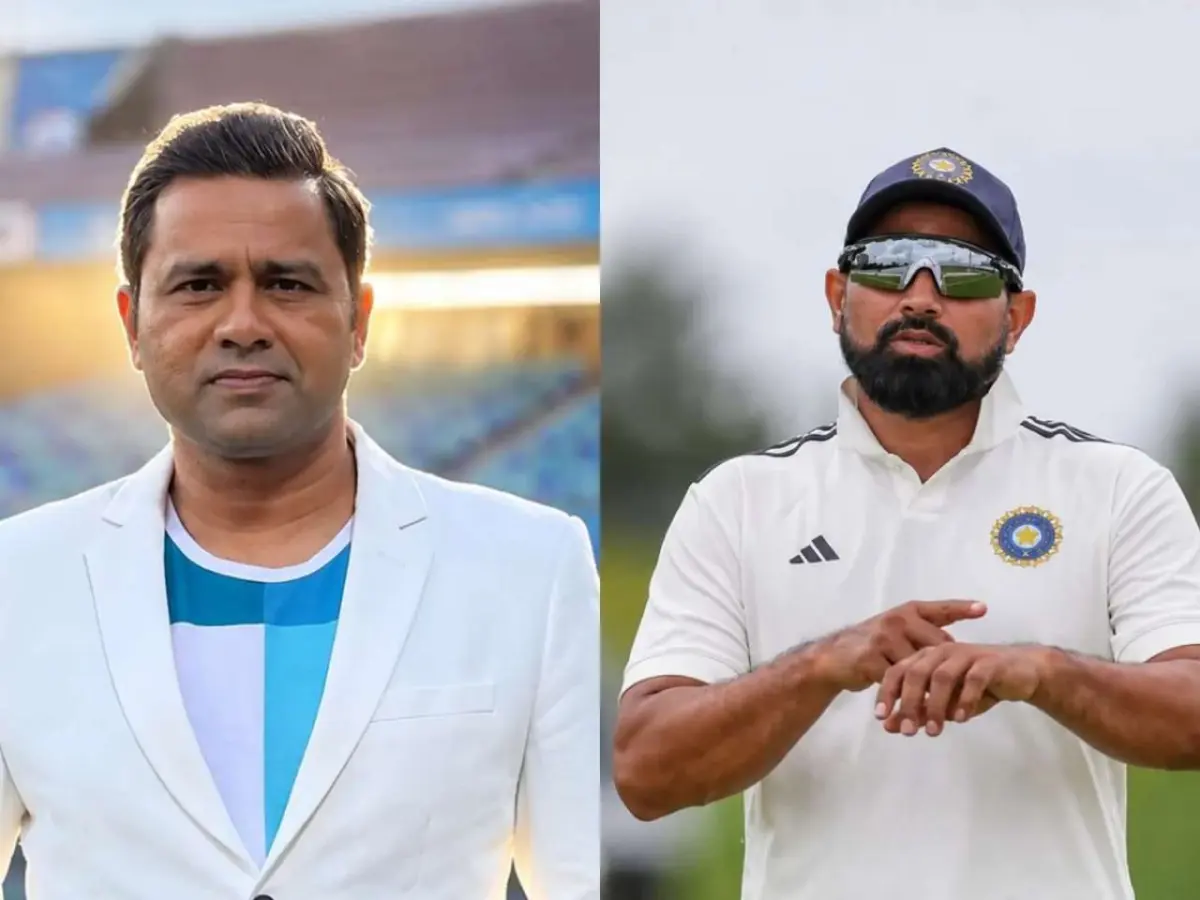
New Delhi, [Date of Publication, e.g., October 8, 2026] – The cricketing world is abuzz with speculation surrounding the potential return of veteran fast bowler Mohammed Shami to the Indian national team. This fervent debate has been reignited following the recent departure of chief selector Ajit Agarkar and the surprising recall of another seasoned pacer, Bhuvneshwar Kumar, at the age of 36. However, former India cricketer and renowned commentator Aakash Chopra has offered a stark, no-holds-barred assessment of Shami’s international future, suggesting that the obstacles to his comeback run far deeper than a single individual.
Chopra’s insights, shared on his popular YouTube channel, paint a challenging picture for the 36-year-old Shami. While the door isn’t entirely shut, Chopra firmly believes that the collective sentiment of the selection committee, rather than Agarkar alone, has been the primary impediment to Shami’s re-entry into the squad. With a demanding tour of New Zealand on the horizon, comprising five T20Is, five ODIs, and two Tests, and the 2027 World Cup cycle beginning to take shape, the stakes for Shami’s potential recall have never been higher.
Main Facts: The Core of the Comeback Conundrum
The central question dominating Indian cricket circles currently revolves around the international future of Mohammed Shami. Will the formidable pace bowler, a stalwart of the Indian attack for over a decade, once again don the national colours? The discussion gained significant traction with the recent shift in the BCCI selection committee, notably the stepping aside of Ajit Agarkar as chief selector. This development, coupled with the surprising recall of 36-year-old fast bowler Bhuvneshwar Kumar, has led many fans and pundits to wonder if the path has now cleared for Shami, who is also 36, to make a similar comeback.
However, Aakash Chopra, a respected voice in cricket analysis, has offered a sobering perspective. According to Chopra, the notion that Agarkar was the sole barrier to Shami’s return is a misconception. He asserts that the hesitancy regarding Shami’s recall was, and likely remains, a collective stance adopted by the entire five-member selection committee. Chopra’s "blunt verdict" suggests that a fundamental difference in strategic thinking or player assessment among the selectors has kept Shami out, rather than a singular viewpoint.
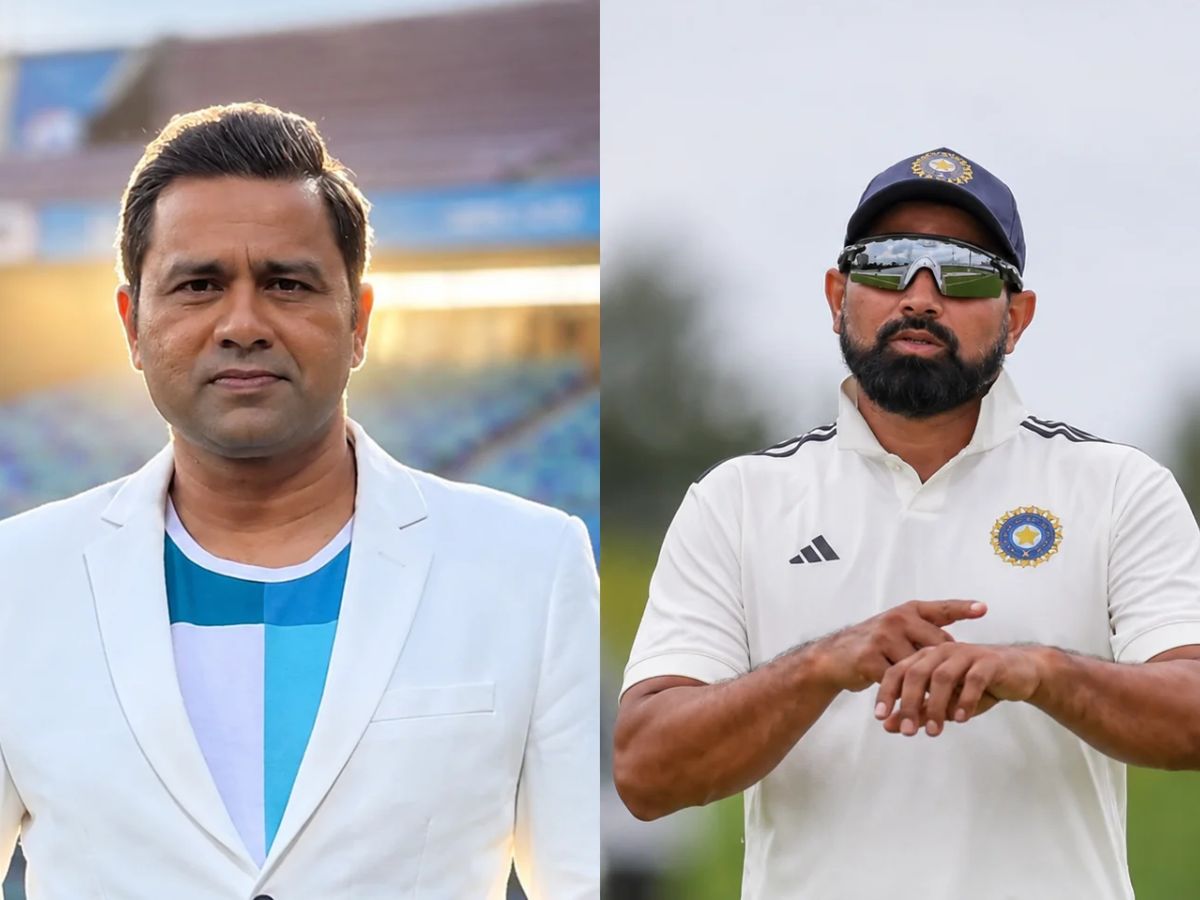)
This assessment comes at a crucial juncture for Indian cricket. The team is grappling with an increasingly demanding international schedule, persistent injury concerns among its fast-bowling contingent – including Jasprit Bumrah’s perennial workload management, and recent setbacks to Harshit Rana, Prasidh Krishna, and Hardik Pandya – and the ongoing challenge of balancing experience with the integration of young talent. The upcoming multi-format tour of New Zealand is expected to require a large pool of fast bowlers, making the selection decisions for the ODI squad, for which Shami is still a potential candidate, particularly scrutinised. Chopra has even gone so far as to label the New Zealand ODI series as potentially Shami’s "last shot" if he harbours ambitions of featuring in the 2027 World Cup.
Chronology: Tracing Shami’s Journey and Recent Developments
To fully grasp the complexity of Mohammed Shami’s current predicament, it is essential to trace his remarkable career trajectory and place it within the context of recent developments in Indian cricket.

Shami’s Illustrious Career and Peak Performances:
Mohammed Shami made his international debut for India in 2013, quickly establishing himself as a potent force across all formats. Known for his devastating seam movement, ability to extract bounce, and reverse swing prowess, Shami became an indispensable part of India’s pace attack. He played a pivotal role in India’s journey to the semi-finals of the 2015 and 2019 ICC Cricket World Cups, consistently featuring among the leading wicket-takers. His Test career, in particular, has been stellar, with memorable spells both at home and overseas, contributing significantly to India’s rise as a formidable red-ball unit. He demonstrated exceptional form during the 2023 ODI World Cup, despite joining the playing XI later, where he finished as the highest wicket-taker with 24 wickets in just 7 matches, showcasing his enduring class and match-winning ability in the 50-over format.
Recent Absence and Selection Dilemmas:
Despite his proven track record, Shami’s international appearances have become more sporadic in recent times, particularly in white-ball cricket. Following the 2023 World Cup, where he was exceptional, his subsequent involvement in ODIs diminished, and he hasn’t featured prominently in T20Is for a while. This reduction in playing time has often been attributed to a strategic shift by the BCCI to manage veteran players’ workloads, focus on grooming a younger crop of pacers, and perhaps a perceived decline in his suitability for the shortest format’s demands. The selection committee has increasingly prioritised multi-format players or specialists deemed more agile and capable of executing varied plans in T20Is and ODIs, even as Shami’s red-ball prowess remained largely undisputed.
)
Ajit Agarkar’s Tenure and Departure:
Ajit Agarkar, a former India all-rounder, assumed the role of Chairman of the BCCI’s Senior Men’s Selection Committee in July [presumed year based on future context, e.g., 2025]. His tenure was marked by a clear emphasis on building a team for the future, with a discernible push to integrate younger talent and manage the workloads of established stars. While Agarkar’s committee made several bold calls, the consistent exclusion of Shami from white-ball squads, despite his 2023 World Cup heroics, remained a point of contention among fans. The reasons for Agarkar stepping aside, which led to a vacancy at the helm of the selection committee, have not been officially detailed, but his departure has undeniably opened a new chapter in India’s selection policy discussions. Many speculated that his exit might lead to a re-evaluation of players who were previously overlooked.
The Surprise Recall of Bhuvneshwar Kumar:
In a move that caught many by surprise, the BCCI selection committee, operating post-Agarkar’s departure, announced the recall of 36-year-old swing bowler Bhuvneshwar Kumar. Bhuvneshwar, much like Shami, is a veteran who had seen his international white-ball opportunities dwindle. His return has sparked widespread debate, with some viewing it as a pragmatic decision to bring back experience amidst an injury crisis, while others see it as a potential backtrack on the "transition" narrative that has been a hallmark of recent selection philosophies. This particular recall is significant because it directly feeds into the argument for Shami’s return: if a 36-year-old pacer like Bhuvneshwar can be given another chance, why not Shami? This event is what largely fuelled the initial hope for Shami’s comeback.
)
The Impending New Zealand Tour:
The upcoming tour of New Zealand is a critical juncture for Indian cricket. With five T20Is, five ODIs, and two Tests scheduled, it represents an arduous assignment that will test the depth and resilience of India’s squad. The sheer volume of matches, coupled with the varying demands of each format, necessitates a robust and versatile bowling attack. The current injury list – including key pacers like Jasprit Bumrah (requiring careful workload management), Harshit Rana, Prasidh Krishna, and the all-rounder Hardik Pandya – exacerbates the challenge. The selectors will be under immense pressure to assemble a bowling unit that can withstand the rigours of the tour while also keeping an eye on long-term goals. Shami’s exclusion from the T20I squad has already been confirmed, turning all attention to the ODI squad announcement, expected around mid-October, to see if his name features.
Supporting Data: Aakash Chopra’s Analysis and The Wider Context
Aakash Chopra’s assessment of Mohammed Shami’s comeback prospects is not merely an opinion; it’s rooted in a deep understanding of the selection process and the dynamics within the BCCI. His insights provide crucial "supporting data" that challenge superficial interpretations and offer a more nuanced view.
)
Chopra’s Detailed Explanation:
Chopra directly addressed the popular sentiment that Ajit Agarkar’s exit might pave the way for Shami. "If Bhuvi has come, will Shami also come? I think we will be fooling ourselves if we feel that one guy was stopping everyone and that only he was resisting and everyone else wanted to pick them," Chopra stated emphatically on his YouTube channel. He further elaborated, "It is not possible because it is a five-member selection committee. I can actually vouch that I have spoken to the selectors, and all of them are on the same page. So, it’s not like the chairman randomly said it and everyone was agreeing."
This statement is critical. It suggests that the decision-making process within the selection committee is largely consensual. If Chopra has indeed spoken to multiple selectors and found them "on the same page" regarding Shami, it implies a collective strategic decision or a shared assessment of the bowler’s current role and future in the team. This moves the discussion beyond individual biases and towards a more systemic approach to team building. It could mean the committee, as a whole, has decided to prioritise younger pacers for white-ball cricket, or perhaps they have specific fitness and agility benchmarks that Shami, at 36, might be struggling to meet consistently for shorter formats.
)
Statistical Realities and Performance Metrics:
While Shami’s performance in the 2023 ODI World Cup was phenomenal (24 wickets in 7 matches), his overall white-ball record in recent years, outside of that tournament, has been less consistent in terms of regular appearances. For the selectors, the challenge lies in balancing a player’s past glories with their current form, fitness, and alignment with the team’s long-term vision.
When considering the pace attack, the selectors often look at a combination of factors:
)
- Pace and Bounce: Shami still possesses this, but consistency over long periods for white-ball formats is key.
- Death Bowling Skills: Execution of yorkers, slower balls, and variations in pressure situations.
- Fielding and Agility: An often-underestimated aspect, but crucial in modern white-ball cricket, especially for pacers who bowl in the powerplay and death overs.
- Injury History and Workload Management: Shami has had his share of injuries, and at 36, managing his body becomes a paramount concern, particularly when playing multiple formats or a packed schedule.
- Format Specialisation: The Indian team has increasingly leaned towards specialists for T20Is, and to some extent, ODIs, rather than relying solely on multi-format players. Shami’s Test credentials remain strong, but his white-ball role has been scrutinised more closely.
India’s Pace Attack Strategy and the "Transition" Narrative:
For several years, the BCCI and team management have spoken about a strategic "transition" in the pace department, aiming to groom a robust pool of young fast bowlers for the future. This strategy is vital, given the demanding nature of international cricket and the need for fresh talent to eventually replace the current generation. Youngsters like Arshdeep Singh, Umran Malik, and others have been given opportunities. However, the recurring injury crisis, as highlighted by the setbacks to Harshit Rana, Prasidh Krishna, and Hardik Pandya, reveals the fragility of this transition. It forces the selectors to sometimes revert to experienced options, as seen with Bhuvneshwar Kumar.
The dilemma for the selection committee is whether to continue backing the younger generation through their development phase, even if it means short-term inconsistencies, or to fall back on proven veterans to plug immediate gaps. The challenge lies in finding a harmonious blend of youth and experience, especially with the 2027 World Cup in mind.
)
The Age Factor and the 2027 World Cup:
Chopra’s comment that the New Zealand series might be Shami’s "last shot" for the 2027 World Cup is a stark reminder of the age factor in elite sports. By 2027, Shami would be 39 years old. While some athletes defy age, fast bowlers, in particular, face immense physical strain. Sustaining peak fitness, pace, and effectiveness at that age, especially after a period out of international contention, is a monumental task. The selectors would need to weigh the immediate benefits of his experience against the long-term sustainability and fitness required for a major global tournament three years down the line. The precedent of other successful fast bowlers at 39 in World Cups is rare, making it a significant hurdle for Shami.
Official Responses: Silence and Speculation
In the world of cricket selection, official responses from the BCCI or the selection committee are often scarce, especially when it pertains to individual players and their exclusion. This silence, however, speaks volumes and fuels a considerable amount of speculation regarding the underlying philosophy and decision-making processes.
)
Absence of Direct Official Communication:
Typically, the BCCI releases squad announcements without elaborate explanations for individual inclusions or exclusions. There has been no official statement from the BCCI or the selection committee directly addressing Mohammed Shami’s absence from recent white-ball squads or clarifying the specific criteria that have kept him out. This lack of transparency, while standard practice, leaves room for media interpretation and fan theories, making the comments from former players like Aakash Chopra even more significant as they offer a rare glimpse into potential internal thought processes.
Implications of the Collective Stance:
If, as Chopra suggests, the entire five-member selection committee is "on the same page" regarding Shami, it indicates a consensus-driven decision rather than a directive from a single individual. This collective stance suggests that the reasons for his omission are likely tied to broader strategic objectives. These might include:
)
- Future Planning: A concerted effort to build a team for the 2027 World Cup, prioritising players who are likely to be at their peak then.
- Fitness and Agility Standards: A belief that Shami, at 36, might not consistently meet the evolving fitness and agility benchmarks required for the dynamic nature of modern white-ball cricket.
- Role Definition: A decision that his specific skill set (e.g., primarily seam movement and reverse swing) might not align perfectly with the desired attack composition for certain conditions or formats, especially when compared to pacers who offer more variations or pace.
- Workload Management for Key Test Players: A conscious decision to manage Shami’s workload to preserve him for Test cricket, where he remains a vital asset.
Coach and Captain’s General Views (Historical Context):
While specific comments on Shami are rare, both current captain Rohit Sharma and head coach Rahul Dravid have, at various points, articulated the challenges of managing player workloads, especially fast bowlers, and the importance of having a robust bench strength. They have also spoken about the need to integrate young players while ensuring the team remains competitive. These general statements provide a backdrop against which the selection committee’s decisions can be understood. For instance, the emphasis on a "pool" of 20-25 players for all formats indirectly suggests that specialisation and strategic rotation are key, which could inadvertently lead to veterans being rested or overlooked for certain series.
The Impact of Agarkar’s Exit: A Nuance:
While Chopra dismisses Agarkar as the sole obstacle, it is worth considering if a change in leadership, even if the underlying philosophy remains similar, can subtly influence selection dynamics. A new chairman (or an interim one) might bring a slightly different lens to player assessment, potentially creating an opportunity for a player like Shami to be reconsidered. However, Chopra’s firm assertion that the entire committee was aligned suggests that any shift would likely be incremental rather than a dramatic reversal of policy. It highlights that the "collective" has greater power than any single voice, even that of the chairman.
)
Implications: The Road Ahead for Shami and Indian Cricket
The ongoing debate surrounding Mohammed Shami’s potential comeback carries significant implications, not only for the veteran pacer himself but also for the broader direction of Indian cricket, particularly its strategy for major ICC tournaments.
Shami’s Immediate Future and the "Last Shot" Assessment:
The immediate focus is squarely on the ODI squad announcement for the New Zealand tour, expected around mid-October. If Shami’s name does not feature in that list, Aakash Chopra’s assessment of it being his "last shot" for the 2027 World Cup gains considerable weight. Missing this opportunity would mean another significant period out of white-ball contention, making a return at age 37, let alone 39 for the World Cup, an even more improbable feat. For Shami, it would likely signal a de facto end to his white-ball international career, allowing him to potentially focus solely on Test cricket where his value remains undisputed. However, for a competitive athlete, the sting of being overlooked, especially after a stellar World Cup performance, would undoubtedly be profound.
)
Impact on Other Veterans and Selection Philosophy:
The Shami-Bhuvneshwar situation sets an interesting precedent. If Bhuvneshwar Kumar’s recall is a short-term measure to address an injury crisis, it suggests that the door isn’t entirely shut for experienced players in specific circumstances. However, if Shami continues to be overlooked despite similar age and proven performance (albeit in a different format context), it sends a mixed message. It could imply that the selection committee has very specific roles in mind for veterans, or that the criteria for white-ball selection are becoming increasingly stringent, potentially favouring younger, more agile options for the future. This could impact other senior players nearing the twilight of their careers, forcing them to re-evaluate their international aspirations.
Team India’s World Cup 2027 Preparations:
The decisions made now regarding the pace attack are critical for India’s preparations for the 2027 ODI World Cup. The team needs to strike a delicate balance between experience and youth. Over-reliance on aging players carries the risk of a sudden drop-off in form or fitness closer to the tournament, while an excessive focus on untested youngsters might leave the team lacking the crucial temperament and big-match experience required for a World Cup. The ideal scenario involves a gradual transition, allowing young pacers to learn alongside seasoned campaigners. The current injury woes, however, complicate this ideal pathway, forcing selectors to make tough choices under pressure. The debate around Shami highlights the tension between immediate needs and long-term vision.
)
Fan Sentiment and Media Debate:
Mohammed Shami enjoys immense popularity among Indian cricket fans, especially after his heroic performance in the 2023 World Cup. His exclusion from white-ball squads has often been met with widespread disappointment and calls for his return. This fervent fan sentiment, amplified by social media and media discussions, adds another layer of pressure on the selection committee. The media’s role in dissecting these decisions, as exemplified by Aakash Chopra’s blunt assessment, ensures that the debate remains vibrant and holds the selectors accountable, even if indirectly, for their choices. The public often demands transparency and logic behind such high-profile exclusions.
The "Transition" Narrative vs. "Experience": Where Does the Balance Lie?
Ultimately, the Shami saga encapsulates the enduring dilemma in modern cricket: how to effectively manage the "transition" from one generation to the next without compromising on immediate performance or discarding invaluable experience too soon. The Indian team has been vocal about its desire to build a strong future, yet the realities of injuries and the unique demands of international cricket often necessitate a reliance on proven hands. The question is not just about Mohammed Shami, but about the philosophical balance the BCCI wishes to strike – will it be a ruthless pursuit of youth, a cautious blend, or a flexible approach dictated by circumstance? The answer to Shami’s comeback question will provide a significant clue to this overarching strategy.
)
As mid-October approaches, all eyes will be on the BCCI’s squad announcement for the New Zealand ODIs. For Mohammed Shami, it might be the moment of truth, a decision that could either reignite his white-ball career or definitively draw the curtains on a chapter of his illustrious journey in Indian colours. The verdict, according to Aakash Chopra, might already be largely sealed, leaving Shami and his legion of fans to ponder the unspoken truth of a collective decision.
