

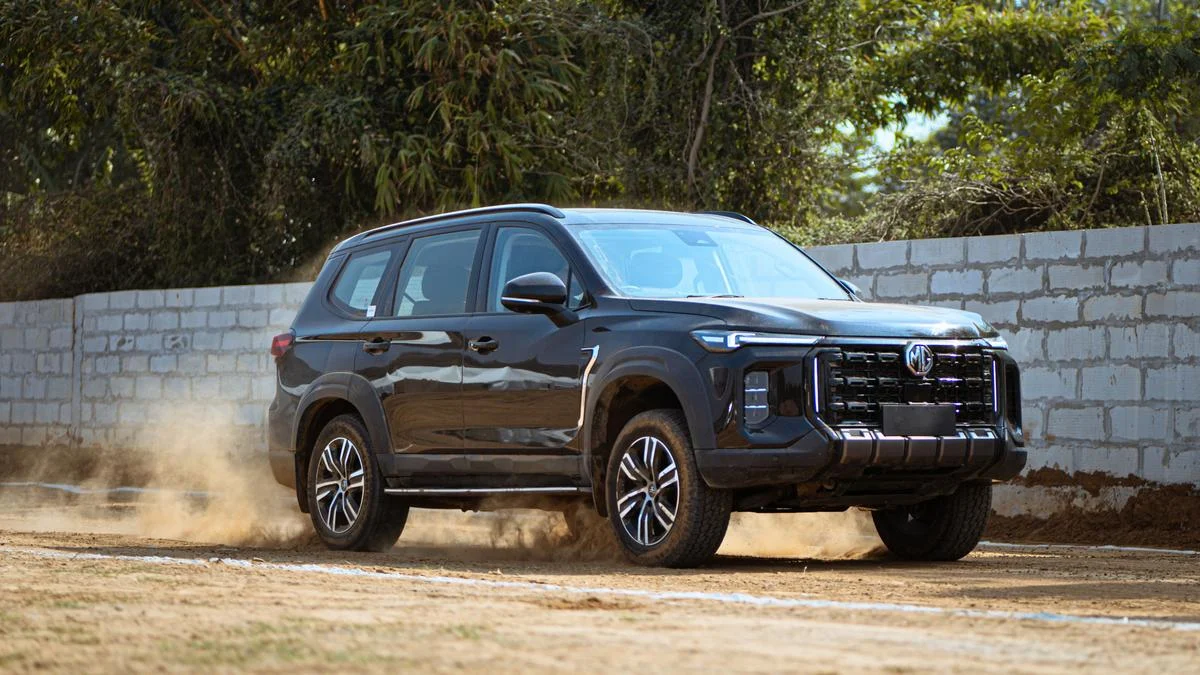
MG Motor India has undergone a significant transformation since its entry into the subcontinent. What began as a brand synonymous with "internet-inside" urban crossovers like the Hector has matured into a manufacturer capable of delivering sophisticated, high-end machinery. The latest testament to this evolution is the MG Majestor, the brand’s most ambitious statement yet in the full-size, internal combustion engine (ICE) SUV segment.
Positioned as the spiritual successor to the MG Gloster, the Majestor is more than just a replacement; it is a recalibration of what a flagship SUV should offer in a market currently dominated by established Japanese and American-rooted icons. By blending rugged, go-anywhere hardware with a tech-saturated cabin, MG is attempting to bridge the gap between a hardcore off-roader and a luxury lounge on wheels.
1. Main Facts: The Majestor at a Glance
The MG Majestor arrives as a ladder-frame powerhouse designed to command both the asphalt and the trail. Below are the core specifications and features that define this new entrant:
- Powertrain: 2.0-litre twin-turbocharged diesel engine.
- Output: Approximately 215 PS of power and 478 Nm of peak torque.
- Transmission: 8-speed torque converter automatic.
- Drivetrain: Available in both 2WD and an advanced 4WD system.
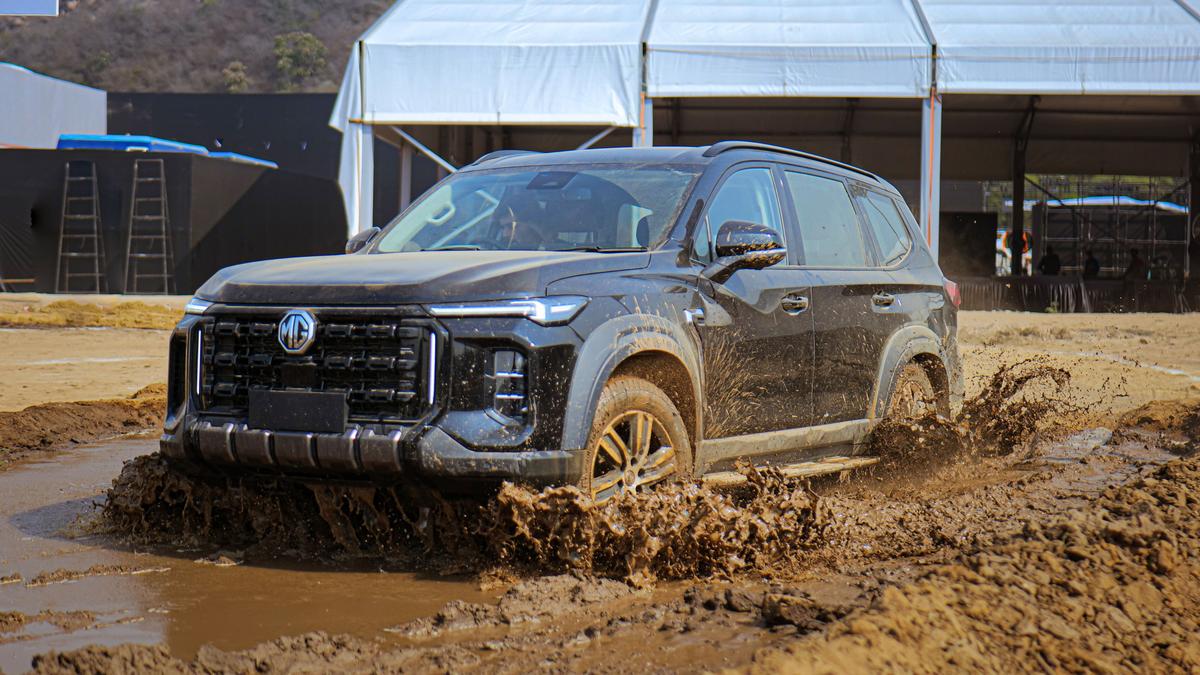
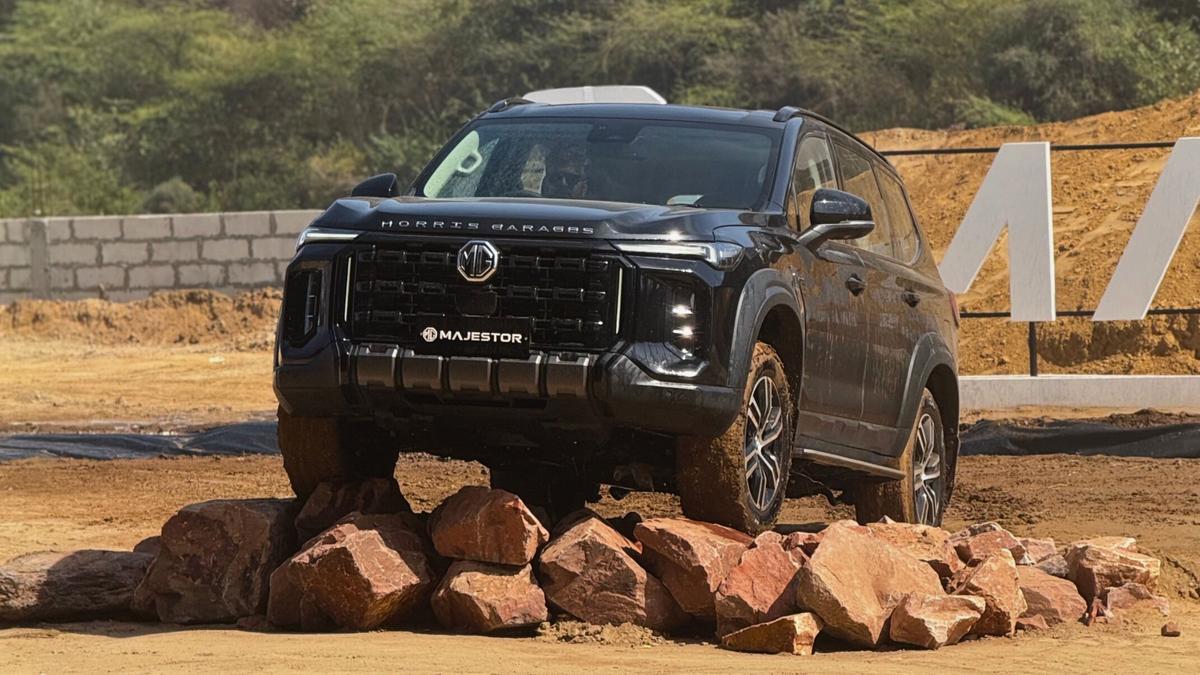
- Off-Road Hardware: Rare triple differential lock setup (Front, Rear, and Centre).
- Cabin Technology: Dual 12.3-inch high-definition displays for infotainment and instrumentation.
- Safety: Level 2 Advanced Driver Assistance Systems (ADAS).
- Expected Price: ₹40 lakh to ₹45 lakh (ex-showroom).
The Majestor distinguishes itself through its "traditionalist" SUV silhouette—a departure from the curvaceous designs of contemporary crossovers. It prioritizes verticality and volume, ensuring that its presence in a rearview mirror is unmistakable.
2. Chronology: The Evolution of MG’s Flagship Strategy
To understand the Majestor, one must look at the timeline of MG’s premium aspirations in India.
The Gloster Era (2020–2023)
MG entered the full-size SUV segment with the Gloster, a rebadged Maxus D90. It was the first in its segment to offer Level 1 ADAS and a massive panoramic sunroof, successfully challenging the Toyota Fortuner on the grounds of "feature-luxury." However, while the Gloster was praised for its space, it was often viewed as a soft-edged behemoth rather than a rugged off-roader.
The Shift to "Rugged Premium" (2024)
As the Indian consumer’s appetite for "overlanding" and lifestyle off-roading grew, MG recognized the need for a vehicle that looked tougher and performed better in technical terrain. The development of the Majestor focused on retaining the Gloster’s luxury but mounting it on a more capable mechanical foundation.
The Arrival of the Majestor (Present)
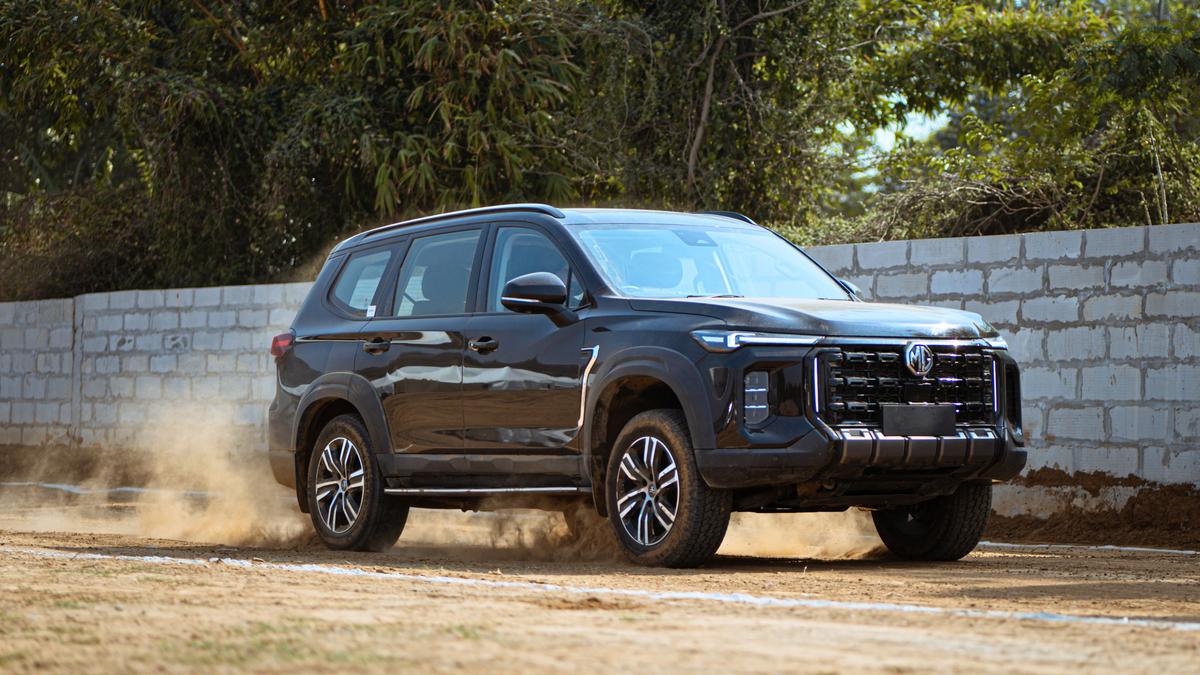
The Majestor represents the "2.0 version" of MG’s flagship philosophy. It moves away from the softer lines of its predecessor in favor of a squared-off, "Majestic" aesthetic (hence the name). It also upgrades the mechanical drivetrain to include hardware usually reserved for specialized off-roaders like the Mercedes-Benz G-Class or the Jeep Wrangler.
3. Supporting Data: Technical Analysis and Performance
The Majestor’s competitiveness is rooted in its technical specifications, which aim to match or exceed the segment leaders.
Engine and Drivability
The 2.0-litre twin-turbo diesel is a refined unit. While the 215 PS figure is competitive, the 478 Nm of torque is the more critical statistic. This torque is tuned to arrive early in the rev range, providing the "low-end grunt" necessary for overtaking on highways and crawling over rocks. The 8-speed automatic transmission is programmed for smooth shifts rather than lightning-fast transitions, prioritizing the "premium" feel MG is known for.
The Triple Differential Lock: A Segment First
Perhaps the most significant piece of supporting data for the Majestor’s "credible" SUV claims is the inclusion of three differential locks.
- Centre Lock: Distributes power 50:50 between the front and rear axles.
- Rear Lock: Ensures both rear wheels spin at the same speed, crucial for mud and sand.
- Front Lock: A rarity in this segment, allowing the vehicle to pull itself out of situations where only one front wheel has traction.
Dimensions and Presence
While sharing a similar 2,950mm wheelbase with the outgoing Gloster, the Majestor’s exterior dimensions have been visually amplified. The upright bonnet and high shoulder line create a larger "visual footprint," making it appear more substantial than its predecessor, even though the interior volume remains largely similar.
4. Official Responses and Design Philosophy
MG’s design team has been vocal about the "Dual-Identity" of the Majestor. According to internal design briefs, the vehicle was intended to satisfy two distinct types of buyers: the "Corporate Captain" who requires a chauffeur-driven status symbol, and the "Weekend Explorer" who demands mechanical reliability in the wilderness.
Exterior Aesthetics: "Commanding First Impression"
The design language is unapologetically bold. The front fascia is dominated by a massive, chrome-finished grille and a split-headlamp layout. The LED Daytime Running Lights (DRLs) serve a dual purpose: providing high visibility and acting as a signature "light-graphic" that identifies the brand from a distance.
Interior Philosophy: "Tech-Forward Luxury"
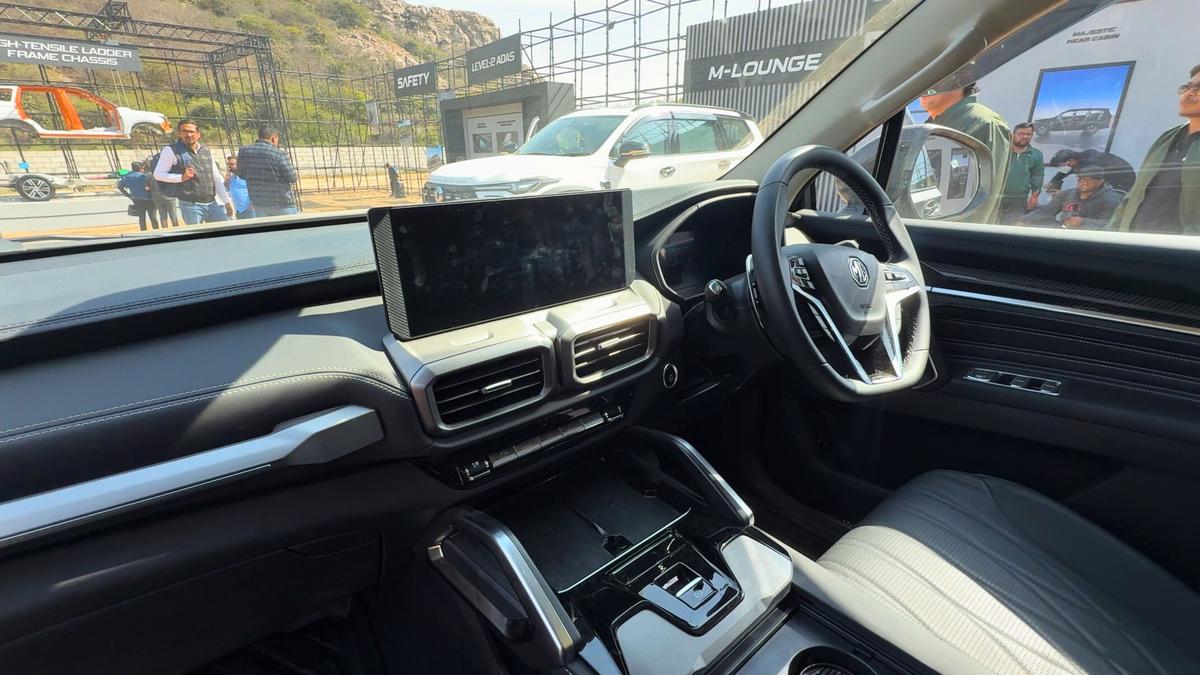
Inside, MG has doubled down on its digital-first approach. The dual 12.3-inch screens are integrated into a clean, horizontal dashboard that minimizes physical clutter.
Key Interior Features Include:
- Seating: Ventilated and massaging front seats with memory functions.
- Convenience: Dual wireless chargers and a 220V power outlet (ideal for laptops or camping equipment).
- Ambience: A multi-speaker premium audio system and 64-color ambient lighting.
However, critics and early testers have noted a "monotone" theme. While the technology is top-tier, the choice of materials in the lower half of the cabin—specifically the hard plastics on the door pads and lower dashboard—suggests that MG still has room to improve if it wishes to truly compete with European luxury marques.
5. Ergonomics and Practicality: The Passenger Experience
A full-size SUV is often judged by its ability to ferry families in comfort. The Majestor offers a mixed bag of results in this department.
The Second Row
The middle row is palatial in terms of legroom. The seats are plush, and the three-zone climate control ensures individual comfort. However, due to the body-on-frame construction and the placement of the 4WD hardware, the floor is relatively high. This results in a "knees-up" seating position for taller adults, which can lead to fatigue on long journeys due to a lack of under-thigh support.
The Third Row and Cargo
The third row remains one of the most usable in the segment. While still best suited for children or teenagers, adults under 5’10" can manage short city stints. With the third row up, boot space is modest, but folding the seats transforms the Majestor into a cavernous freighter capable of carrying significant lifestyle gear.
6. Safety and ADAS: The Digital Shield
MG has consistently led the market in democratizing Advanced Driver Assistance Systems (ADAS), and the Majestor is no exception. The Level 2 ADAS suite includes:
- Adaptive Cruise Control (ACC): Maintains a set distance from the car ahead, even in stop-and-go traffic.
- Lane Keep Assist (LKA): Gently steers the vehicle back into the lane if it begins to drift.
- Automatic Emergency Braking (AEB): Can detect pedestrians and cyclists, applying brakes to prevent or mitigate a collision.
Complementing the software is a 360-degree high-definition camera system, which is essential for maneuvering a vehicle of this magnitude in tight urban parking spots or technical off-road trails.
7. Implications: Market Impact and the Competitive Landscape
The arrival of the MG Majestor has several significant implications for the Indian automotive market.
Challenging the Monopolies
For years, the Toyota Fortuner has enjoyed a near-monopoly in the ₹40-50 lakh SUV space, largely due to its perceived reliability. The Majestor does not try to beat the Fortuner at the "simplicity" game; instead, it offers a vastly superior feature set and more advanced off-road hardware for a similar price point.
The Diesel Longevity
At a time when many manufacturers are abandoning diesel in favor of petrol or electric, MG’s commitment to a 2.0-litre twin-turbo diesel shows a deep understanding of the Indian "Big SUV" buyer. For a vehicle weighing over 2.5 tonnes, diesel remains the only viable fuel for providing the necessary range and torque.
Brand Perception
The Majestor serves as a "halo" product. Even if it does not outsell smaller crossovers, its presence in showrooms elevates the entire MG brand. It proves that MG can engineer complex mechanical systems (like the triple diff locks) and isn’t just a "software company that makes cars."
8. Conclusion: The Verdict
The MG Majestor is a calculated gamble. It leans into the traditional strengths of a full-size SUV—size, power, and ruggedness—while layering on the modern tech that 21st-century buyers demand.
Strengths:
- Unrivaled off-road hardware in its price bracket.
- Imposing road presence and modern LED lighting.
- Comprehensive tech suite and Level 2 ADAS.
Weaknesses:
- Interior material quality is inconsistent in places.
- Second-row ergonomics (high floor) could be better.
- Brand equity in the "rugged" space is still being built compared to legacy players.
With an expected price of ₹40 lakh to ₹45 lakh, the Majestor is positioned as a high-value alternative to the established guard. If MG can back this ambitious product with a robust service network and prove the long-term reliability of its twin-turbo powerplant, the Majestor may well live up to its name and rule its segment.
This report was compiled in association with Motorscribes and The Hindu.
