

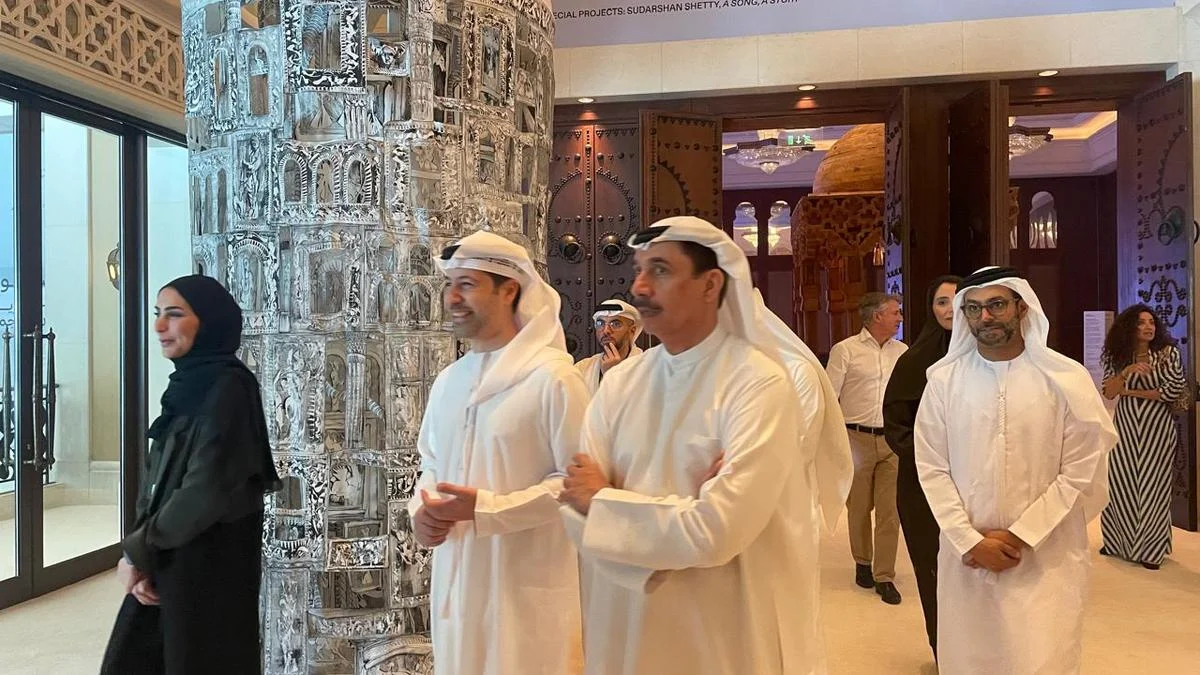
Dubai, UAE – Within the serene, art-filled halls of Madinat Jumeirah, a different narrative unfolded. Visitors moved with a contemplative grace, pausing to absorb the nuances of sculptural forms, decipher the layered meanings in mirrored text, and linger in soundscapes designed to evoke introspection. This peaceful tableau, however, stood in stark contrast to the prevailing mood across the region. In the weeks leading up to Art Dubai’s 20th edition, headlines were dominated by escalating geopolitical tensions between Iran and Israel, significant travel disruptions, and a palpable sense of renewed uncertainty across the Gulf.
This striking dichotomy – a region grappling with conflict on one hand, and an art fair dedicated to dialogue, memory, and exchange on the other – profoundly shaped this year’s iteration of Art Dubai. The event, which had navigated a calendar shift from its original April dates to May 15-17 due to regional instability, opened with a deliberately subdued energy. The emphasis was less on grand spectacle and more on fostering intimate conversations, suggesting a shared recalibration of priorities among both organizers and attendees for this significant anniversary edition.
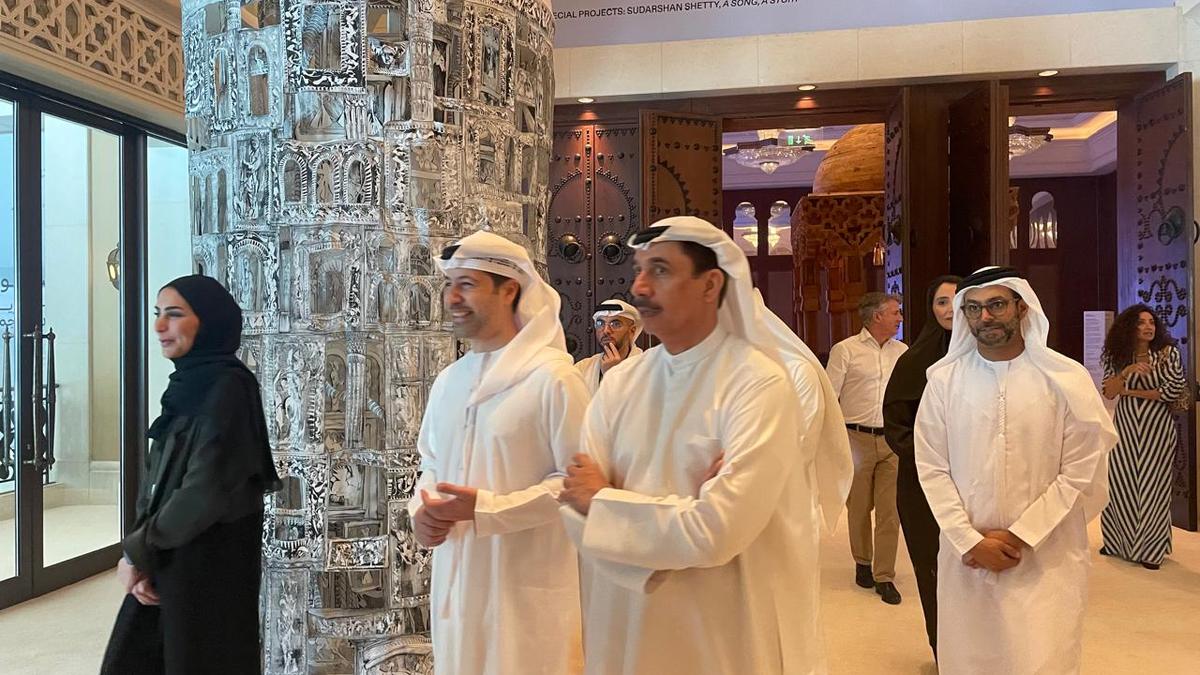
As Art Dubai commemorates two decades of its existence, the fair appears to be shifting its focus beyond mere market theatre, grappling instead with a more urgent and profound question: what role can culture play when the global landscape feels increasingly volatile?
The Evolution of a Cultural Hub: Two Decades of Art Dubai
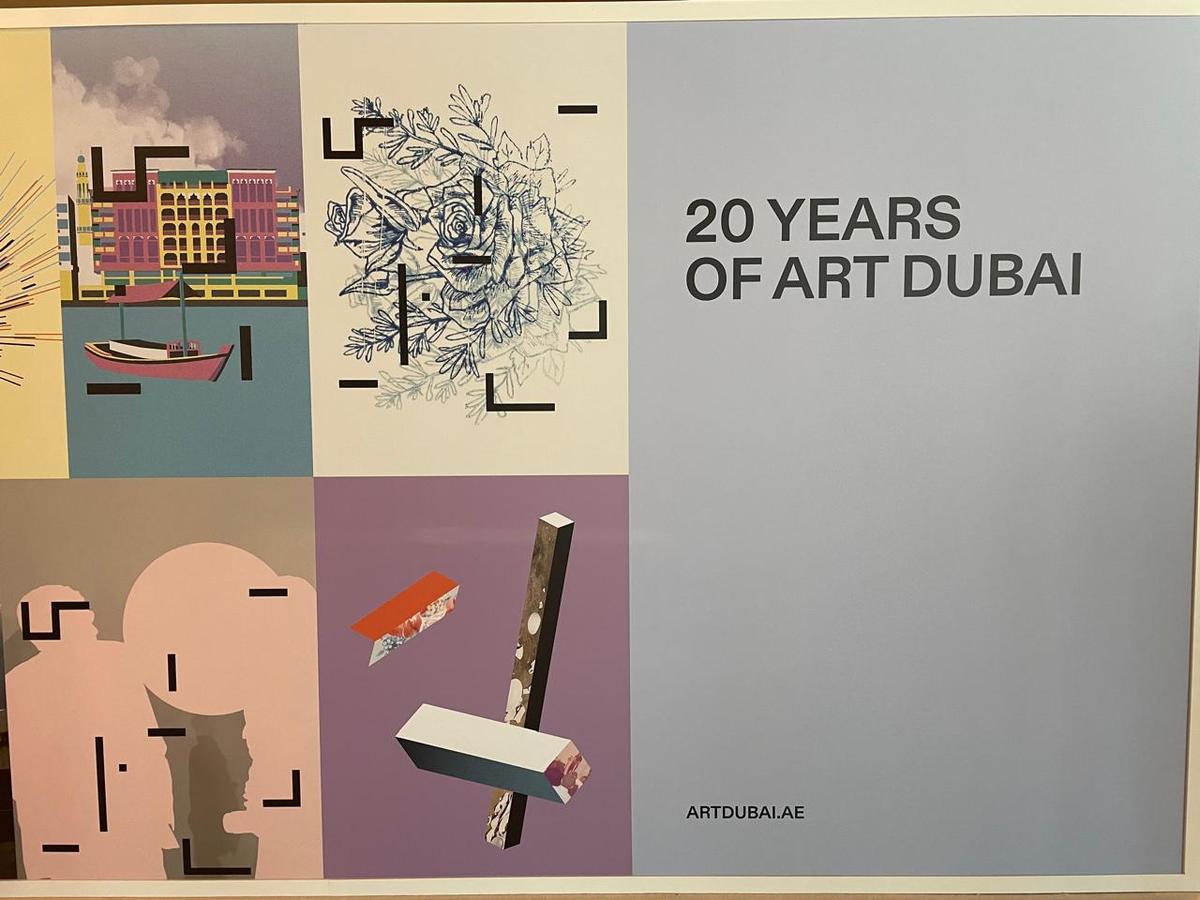
What began in 2007 as the Gulf Art Fair has, over the past twenty years, transformed into a significant cultural institution in West Asia. Art Dubai’s trajectory mirrors Dubai’s own dynamic evolution and the region’s burgeoning influence in the global art discourse. The fair has been instrumental in positioning the Gulf on the international cultural map, contributing to a broader regional strategy of leveraging soft power, nurturing creative economies, and fostering a post-oil cultural identity.
This journey has not been without its challenges. In 2012, reports of a politically sensitive artwork by Iranian artist Khosrow Hassanzadeh being removed ignited debates surrounding censorship, freedom of expression, and the delicate boundaries artists navigate within the region. Despite such moments, the fair’s core mission has remained steadfast.
"The fair has always been about more than commerce," states Alexie Glass-Kantor, Executive Director, Curatorial, at Art Dubai. "In times of crisis, culture becomes something people turn to for renewal, healing, and connection." This sentiment underscored the organizers’ decision to proceed with the 20th edition, even amidst heightened regional tensions.
A Scaled-Back Edition, Amplified Significance
This year’s edition, held at the picturesque Madinat Jumeirah, adopted a deliberately scaled-back and reimagined format. A notable shift was the introduction of free public entry, a significant departure for an event historically associated with seasoned collectors, institutional representatives, and industry insiders. This move signaled a conscious effort to democratize access and broaden engagement with the arts.
Dunja Gottweis, Fair Director of Art Dubai, emphasized the resilience and significance of this anniversary. "This edition is a testament to what 20 years of building can achieve," she remarked. "The heartbeat of this year is the belief that coming together still matters – especially now."
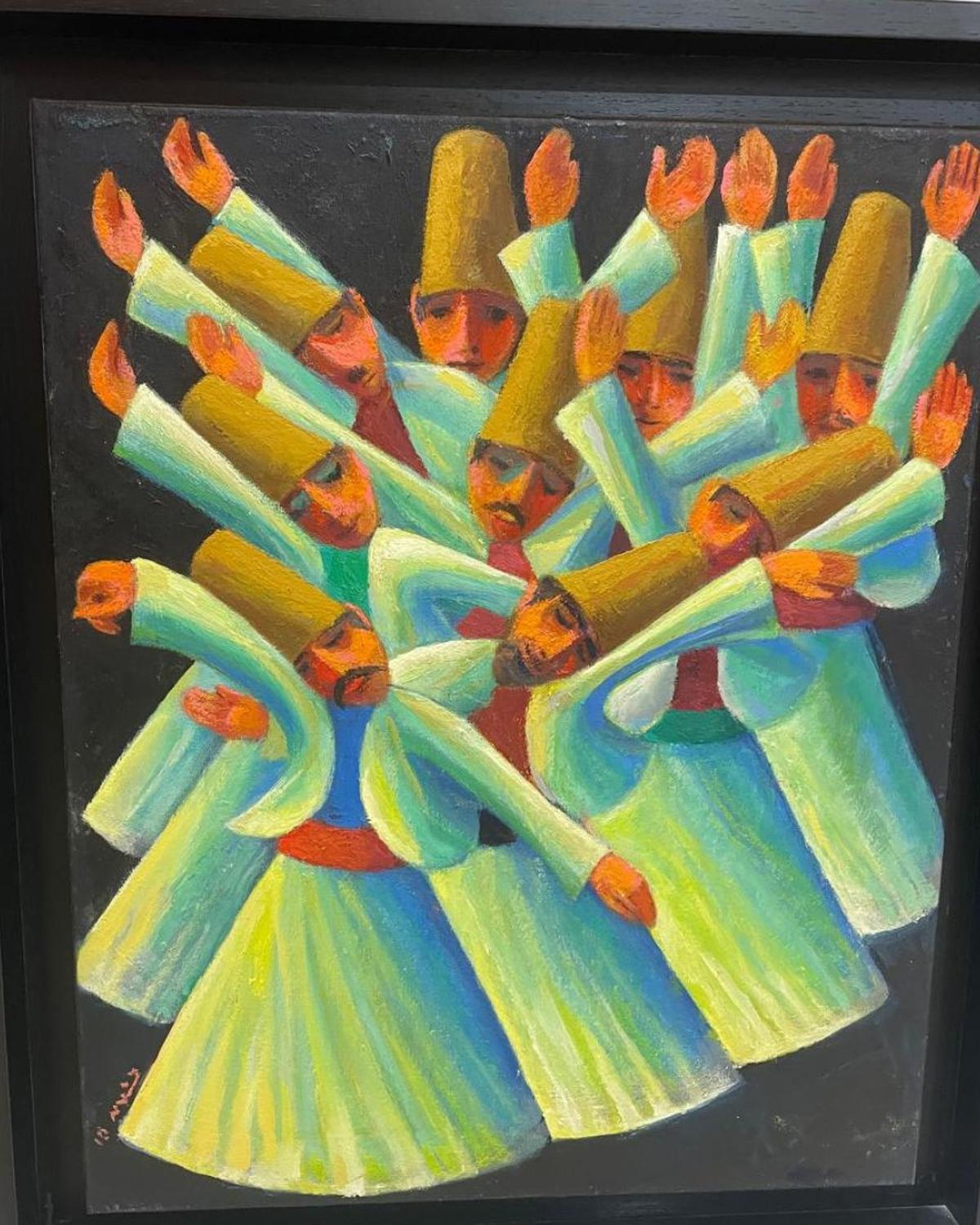
From its inaugural roster of approximately 40 galleries in 2007, Art Dubai has blossomed into a vital platform. Over two decades, it has convened galleries and artists from over 50 countries, solidifying Dubai’s position as a cultural nexus connecting West Asia, South Asia, Africa, and Latin America. Even in its more restrained format this year, the fair successfully brought together 55 galleries, over 500 participants, and more than 300 artists, underscoring its enduring appeal and reach.
Benedetta Ghione, Executive Director of the Art Dubai Group, highlighted the intrinsic link between the fair’s identity and Dubai’s multicultural fabric. "Championing historically underrepresented voices has been central from the beginning, shaping a platform that is both regional and global," she noted.
A Global Stage for Underrepresented Voices: The Indian Artistic Presence
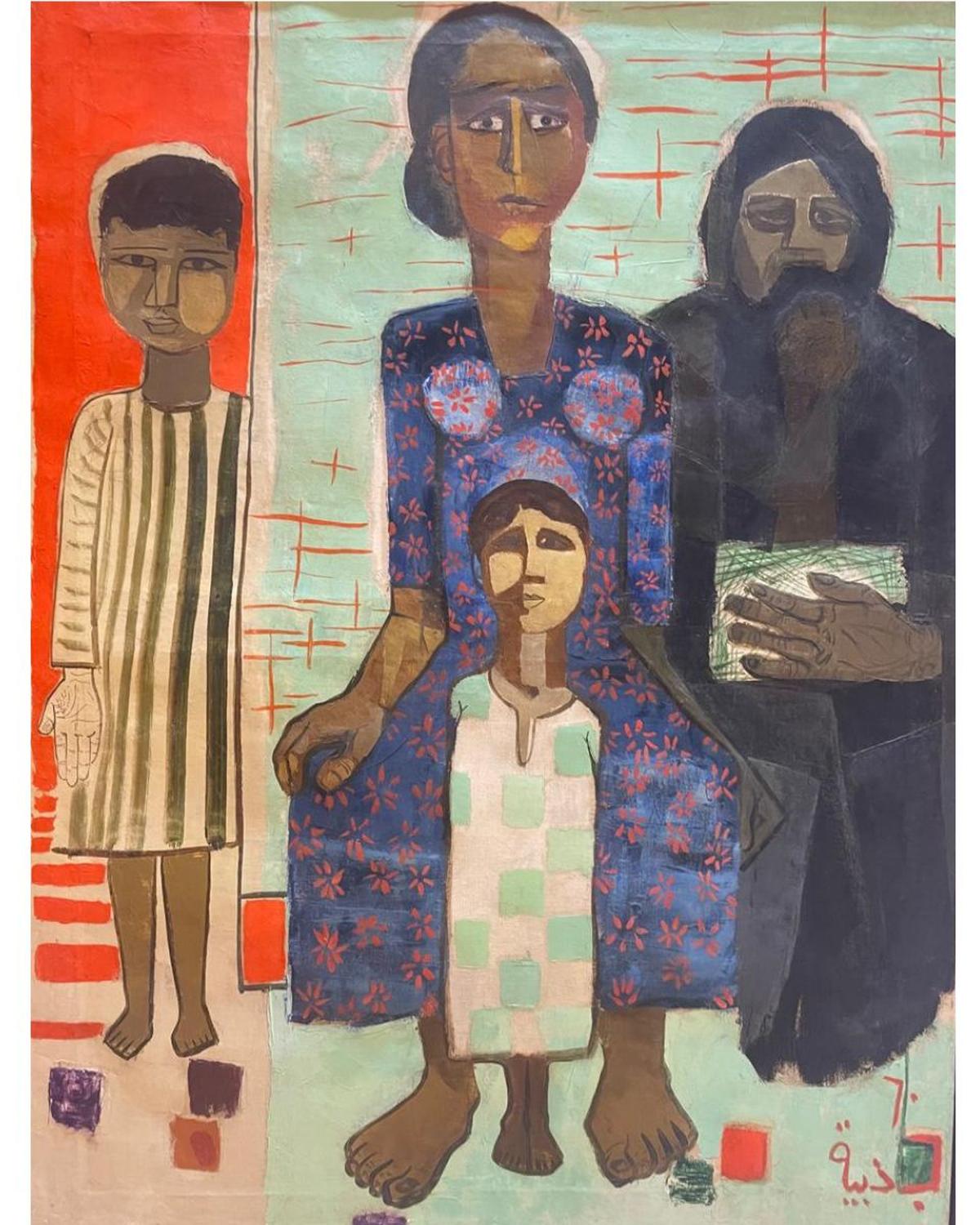
In contrast to many established art fairs anchored to Western markets, Art Dubai has consistently positioned itself as a crucial meeting point for artists, collectors, and curators from geographies often marginalized in the global art market. This year, while Indian galleries were notably absent, the presence of Indian artistic talent remained remarkably strong. Nearly a dozen artists from India were featured across the fair, a testament to the country’s enduring creative influence on the region’s art landscape.
Among these prominent figures were Sudarshan Shetty, Shilpa Gupta, Mithu Sen, and Vikram Divecha, whose practices delve into profound themes of memory, identity, migration, language, and belonging. Their works resonated deeply within the fair’s contemplative atmosphere.
Sudarshan Shetty’s Immersive Dialogue: "A Song, A Story: Sculpture I"
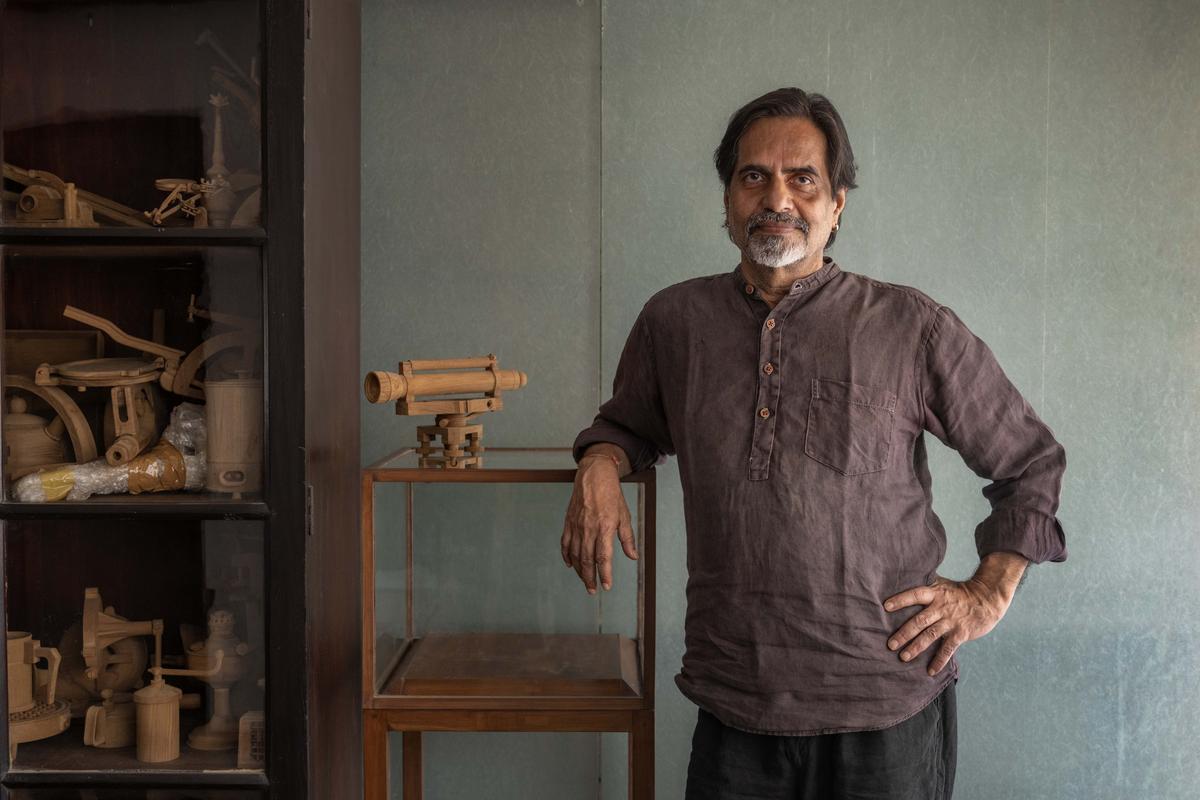
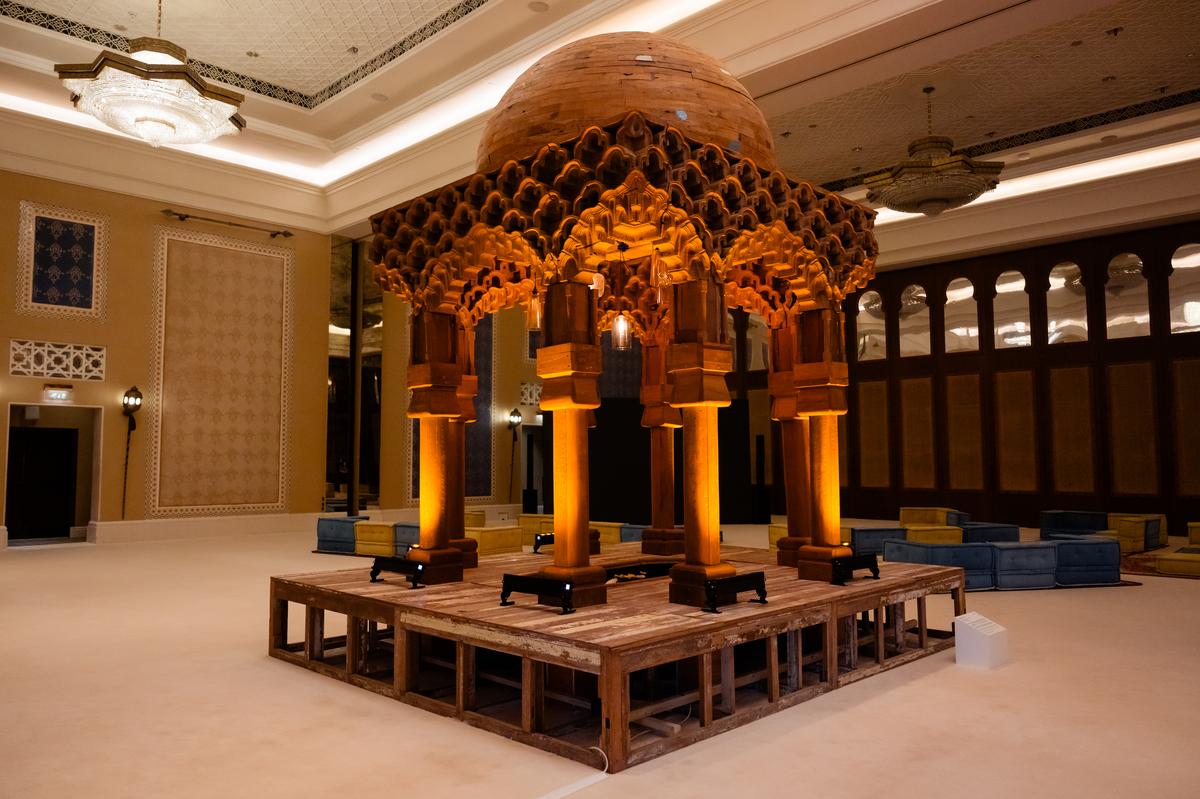
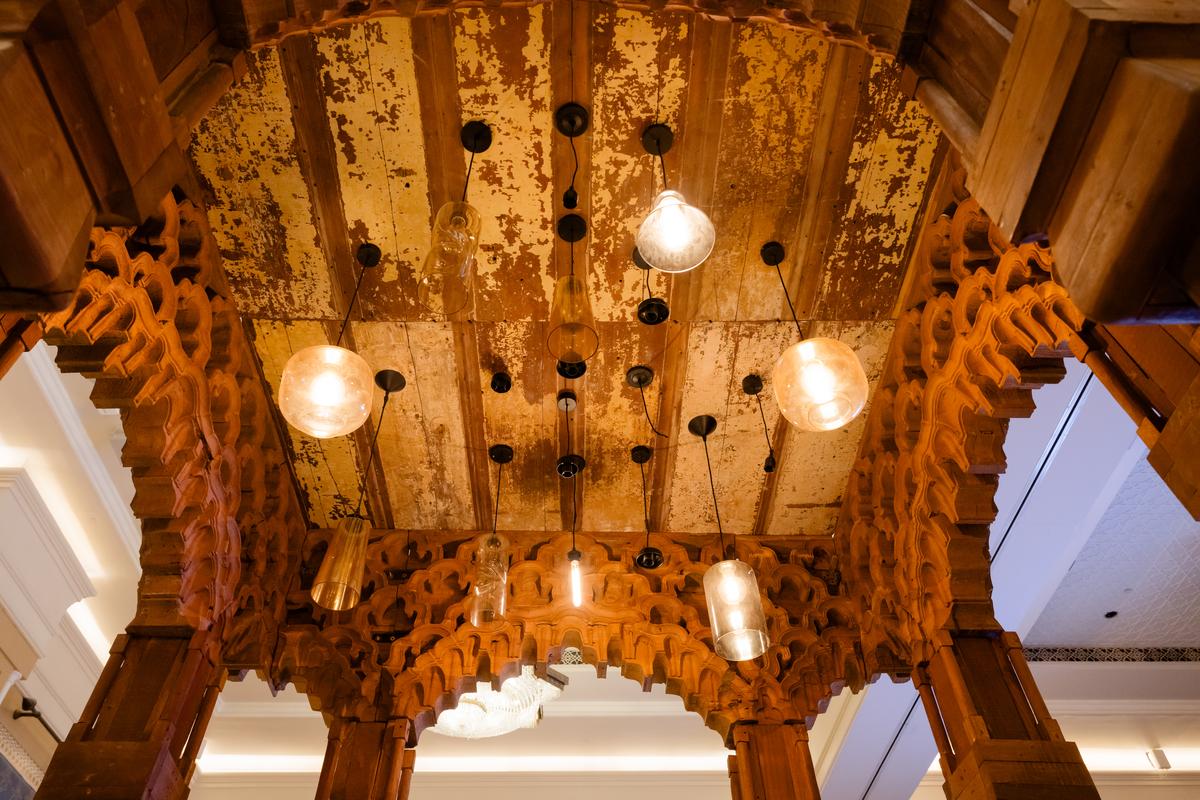
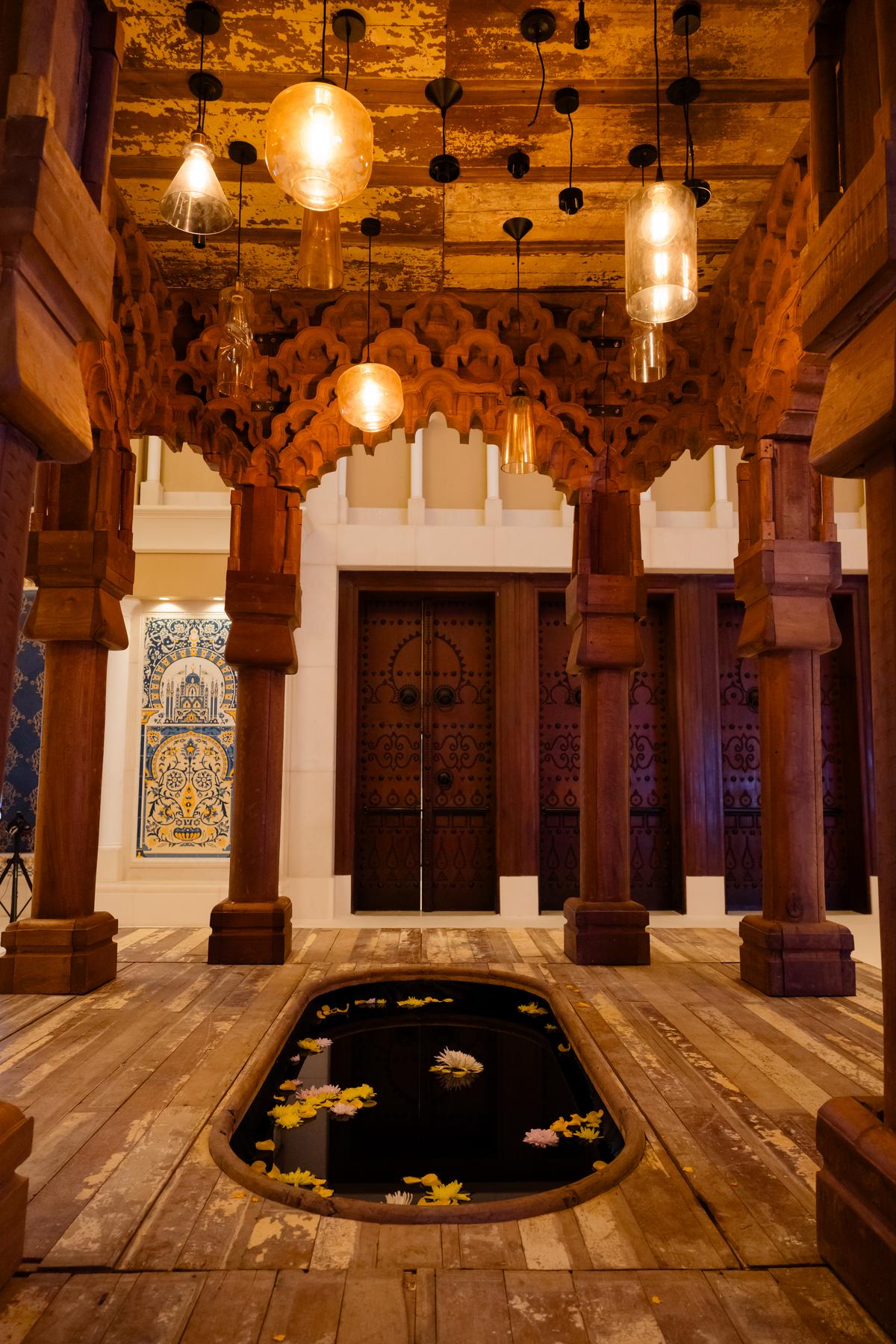
Few works garnered as much sustained attention as Sudarshan Shetty’s installation, A Song, A Story: Sculpture I. Occupying a significant gallery space, the installation was a masterful confluence of sculptural forms, layered soundscapes, moving imagery, and evocative performance references. Suspended wooden elements, meticulously arranged structures, and ambient sound created an immersive environment that encouraged visitors to pause, absorb, and reflect in silence.
Shetty’s work probes the intricate relationship between sound, narrative, and memory, posing questions about the very genesis of stories and songs, and the emergence of expression from silence. "It creates a space where music, cinema, performance, and folklore intersect," Shetty explained. "It draws on forms outside canonical art history to question how time, place, and inherited knowledge are understood."
A Collector’s Perspective: Depth Over Spectacle
For seasoned collector Pallav Patel, the atmosphere at this year’s Art Dubai felt distinctly different. While regional tensions impacted participation and travel plans, leading to fewer galleries being present, the resulting quieter mood fostered a more meaningful and engaged experience.
"After collecting for over a decade and acquiring more than 300 works, I no longer come with a checklist to Art Dubai," Patel shared. "I come to be surprised, to reconnect with trusted gallerists, and to discover new artistic obsessions." His collection has expanded to include emerging talents such as Laxmipriya Panigrahi, Manjot Kaur, Yogesh Ramkrishna, and Firi Rahman, showcasing his commitment to nurturing new artistic voices.
Shilpa Gupta’s Contemplative Exploration: "Still A Sky We Hold"
Artists, too, seemed to respond to the prevailing climate with a heightened sense of introspection. Shilpa Gupta’s new installation, Still A Sky We Hold, presented at Alserkal Avenue’s arts and culture district, offered a powerful exploration of emotional connection, fragility, and resilience. Through the strategic use of mirrored surfaces, illuminated text, and spatial reflection, the work invited viewers to actively engage with its message, moving around it to decipher its meaning.
The repeated use of the word "still" served as both a visual pause and an emotional proposition, encapsulating endurance, uncertainty, and persistence simultaneously. "The work also speaks to borders, belonging, language, and mobility," Gupta elaborated. "These are questions that resonate naturally in Dubai, a city shaped by migration and layered identities."
The Broader Implications: Art as a Force for Connection
Art Dubai’s evolution over two decades is perhaps most evident in its programming, which increasingly resembles a dynamic cultural ecosystem rather than a purely commercial marketplace. Exhibitions, screenings, performances, and conversations unfold in a symbiotic dialogue, supported by a growing network of patrons, institutions, and cultural partners across Dubai.
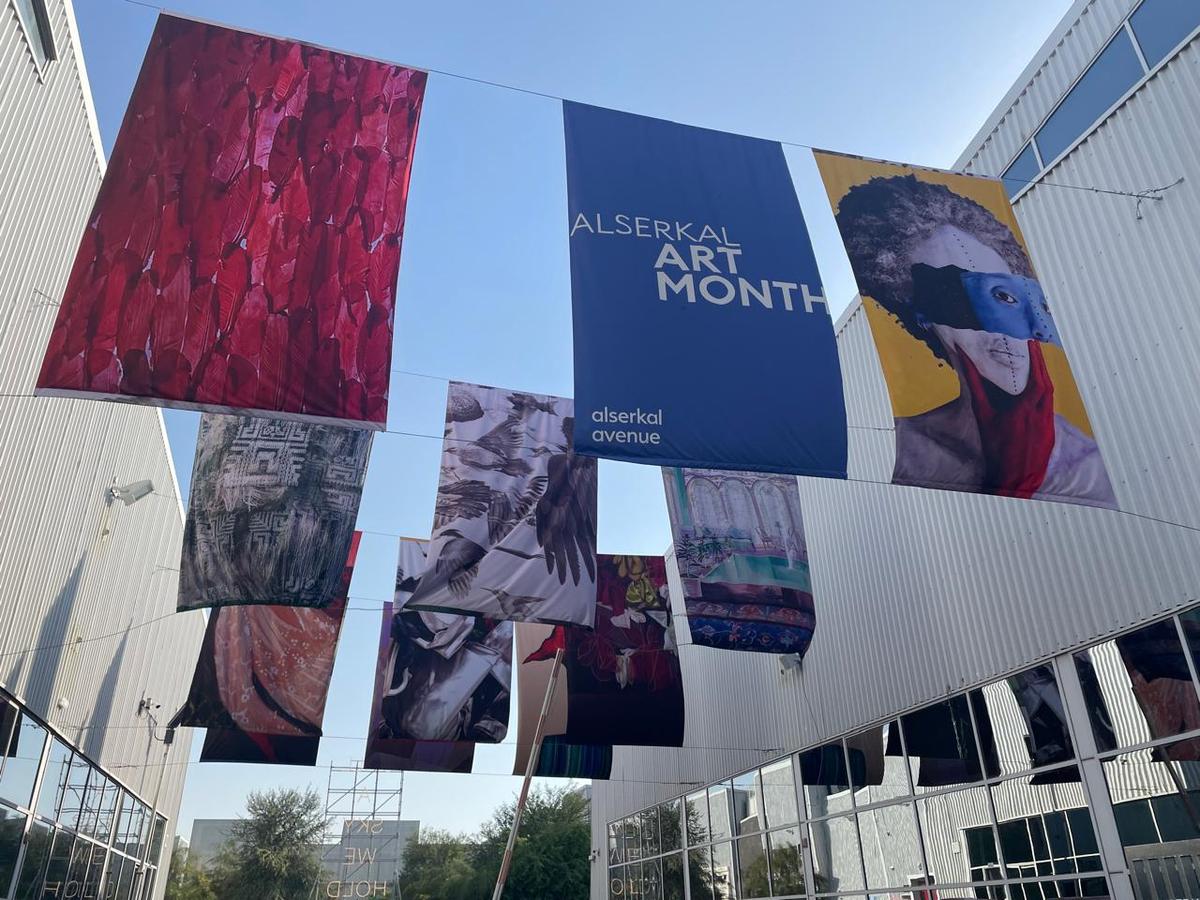
The Moving program, a collaboration with Alserkal Avenue, exemplifies this shift. Featuring works by 13 artists across experimental film, animation, and documentary practices, this moving-image initiative extended the fair’s reach beyond its physical venue, integrating it into the city’s broader cultural landscape.
As Dubai’s iconic skyline continues its relentless evolution, the art displayed within its cultural spaces offers something more profound and enduring. From Shetty’s layered meditations on memory to Gupta’s poignant reflections on language and belonging, these works provide a vital counterpoint to the external world’s turbulence. They offer a much-needed space for contemplation, critical inquiry, and human connection – commodities that are arguably more essential than ever in times of global conflict. Art Dubai, in its 20th year, has reaffirmed its role not just as a marketplace, but as a sanctuary for dialogue and a testament to the enduring power of culture.
