

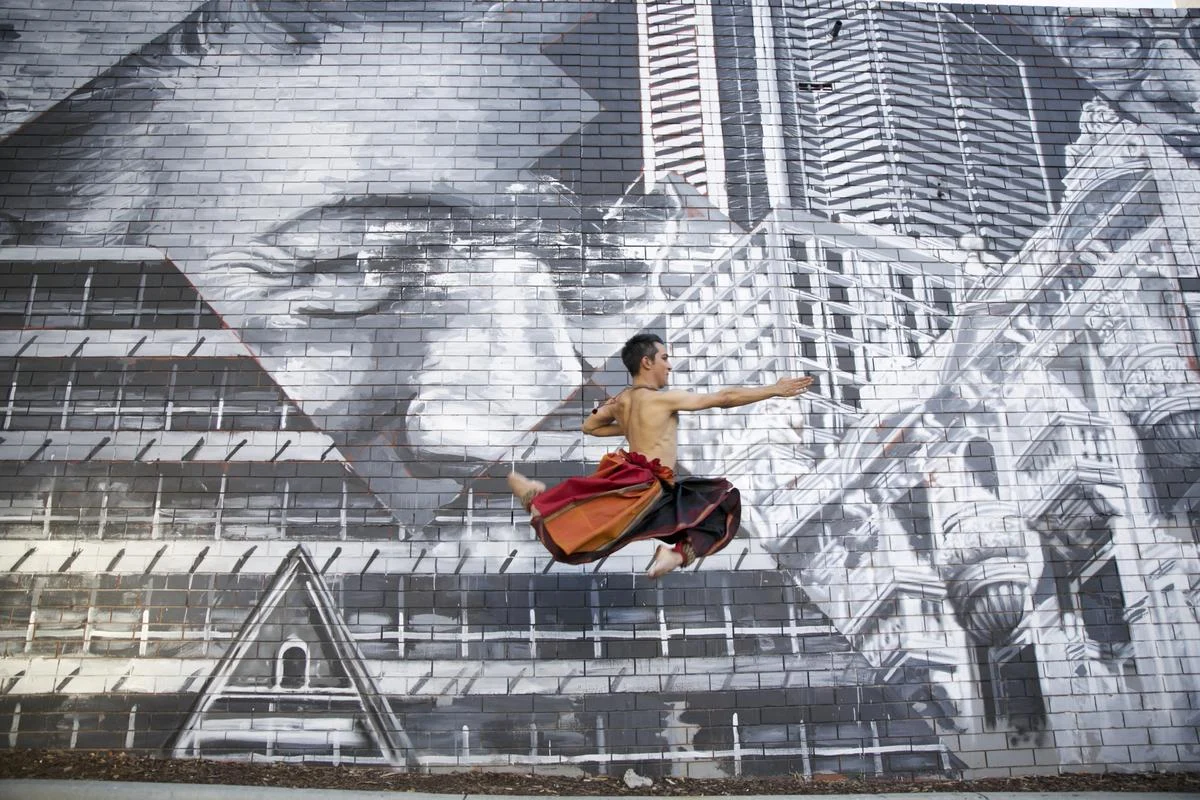
Chennai, India – May 16, 2026 – In the ever-evolving landscape of contemporary performance, Ghirija Jayarraj’s multi-media production, "Wanderland," presented recently at the Alliance Française, emerges as a poignant exploration of selfhood, identity, and the profound impact of formative experiences on an artist’s creative trajectory. Conceived and directed by Jayarraj, "Wanderland" is more than a performance; it is an immersive journey, a tapestry woven from geographical displacement, familial legacies, and the enduring power of artistic expression. The production, a significant offering from Shastram, invites audiences to traverse continents and decades alongside Jayarraj, witnessing firsthand how the crucible of diverse environments shapes an individual’s evolving persona.
The Genesis of "Wanderland": Echoes of Formative Years
The core premise of "Wanderland" rests on a fundamental artistic truth: that the places we inhabit, the experiences we encounter, and the memories we forge during our nascent years often lay the groundwork for the adults we become. For artists, these indelible impressions are not merely recollections but vital sources of inspiration, finding their most potent expression in their creative output. Jayarraj’s "Wanderland" embodies this principle with remarkable clarity. The production acts as a visual and emotional memoir, charting the artist’s personal odyssey through a complex interplay of fragmented narratives, disparate locales, and a rich amalgamation of artistic disciplines. It is a testament to the idea that an individual’s identity is not a static entity but a fluid construct, constantly reshaped by the currents of their life’s journey.
The performance, as described, unfolds as a deliberate mosaic of visual and performative elements. Film footage, spanning varied geographical locations and time zones, captures fleeting glimpses of people and places that have left an imprint on Jayarraj’s consciousness. These cinematic interludes are interwoven with archival scrapbook images, offering a tangible connection to the past, and more recent photographic documentation, bridging the gap between then and now. Crucially, interviews with individuals who have played a role in Jayarraj’s life are integrated, providing personal testimonies and contextual layers to the unfolding narrative. This rich visual tapestry is further animated by live dance performances and theatrical sequences, each meticulously integrated into the overarching narrative, gradually coalescing into a cohesive and emotionally resonant collage of artistic forms and personal memories.
A Chronological and Geographical Tapestry: Sri Lanka, India, and Australia
"Wanderland" embarks on a deeply personal and geographically expansive narrative, charting Jayarraj’s life across three pivotal locations: Sri Lanka, India, and Australia. This geographical triptych represents the foundational pillars that have sculpted her existence and, consequently, her artistic vision. The production delves into the poignant experiences of displacement and familial upheaval during wartime in Sri Lanka, a period that undoubtedly left an indelible mark on her formative years. It then transitions to her experiences in India, likely a place of cultural reconnection or personal growth, before culminating in her new beginnings in Australia, a land of new opportunities and the challenge of forging a new identity.
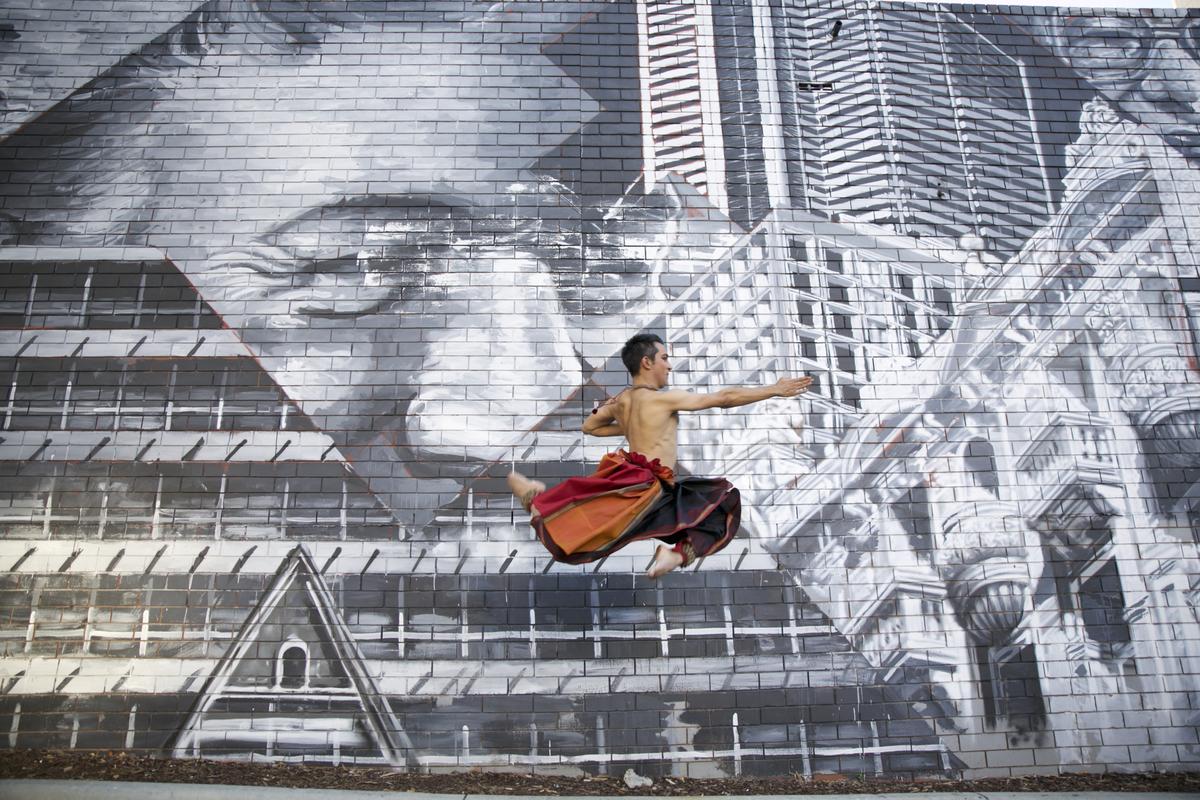
The narrative grapples with the universal human struggle for a sense of belonging, particularly for those who have experienced displacement. In "Wanderland," Jayarraj finds solace and a powerful means of reconnecting with her cultural heritage through the discipline of Bharatanatyam. This classical Indian dance form becomes a vital anchor, a pathway through which she navigates an identity crisis, finding a profound sense of self amidst the complexities of her transnational experience. The dance sequences, performed with notable finesse by Avijit Das, Prateeksha Kashi, Sruthi K.P., and Shwetha Krishna, alongside younger talents Shwetha Jaishree, Sreejith, and Arivu Selvan, are not mere embellishments but integral components of the narrative. They serve as visual manifestations of Jayarraj’s inner journey, her cultural roots, and her evolving sense of self. The seamless integration of these dance performances with the cinematic and photographic elements is a testament to the production’s multi-disciplinary approach, creating a unified and compelling artistic statement.
Small anecdotes and stories that accompany each segment are designed to be both engaging and clarifying, underscoring their relevance to the overarching theme of identity formation. These narrative interludes serve to humanize the broader themes of displacement and cultural negotiation, offering intimate glimpses into the emotional landscape that underpins Jayarraj’s artistic exploration. The cinematography and art direction, credited to Pradeep Kaliyapurath, are crucial in establishing the visual language of "Wanderland," ensuring that the diverse locations and archival materials are presented with a consistent and evocative aesthetic.
Artistic Merit and Constructive Critique: Strengths and Areas for Refinement
"Wanderland" fundamentally aims to forge a bridge between the past and the present, using the personal struggles of displaced communities and individuals as a lens through which to examine broader societal issues. The production’s ambition to connect deeply with its audience on an emotional and intellectual level is commendable. The integration of dance as a narrative device is a powerful choice, allowing for the expression of emotions and experiences that may be difficult to articulate through words alone. The visual richness of the production, drawing from varied sources, creates an immersive experience that draws the audience into Jayarraj’s world.
However, the review offers a nuanced critique, highlighting areas where the production’s impact could have been further amplified. The article suggests that the extensive inclusion of conversations with dance gurus, while perhaps intended to provide pedagogical context or personal mentorship narratives, may have diluted the central focus of the production. Similarly, an "excess of scrapbook images" is noted as potentially detracting from the seriousness of the artistic intention. In performance art, the principle of "less is more" can often lead to a more profound impact. The sheer volume of information, even if personally significant to the artist, can sometimes overwhelm the audience’s ability to absorb and process the core message.

Furthermore, certain theatrical interventions are described as feeling "highly contrived and out of place." This suggests a potential disconnect between the theatrical elements and the predominantly visual and dance-driven narrative. For multi-media productions, the seamless integration of all components is paramount. When disparate elements feel forced or disconnected, it can disrupt the flow and undermine the overall coherence of the artistic statement. The article’s suggestion for a "tighter edit of the footage" is a practical recommendation aimed at enhancing the production’s impact. A more judicious selection and arrangement of visual and narrative materials could have sharpened the focus, allowing the most impactful moments to resonate more powerfully with the audience.
Despite these areas for refinement, the overarching sentiment remains positive. "Wanderland" is recognized as a performance that transcends the boundaries of a conventional dance narrative. It actively engages the viewer, prompting introspection and inspiring a personal mode of self-reflection. This ability to connect with the audience on a deeper, more personal level is a significant achievement for any artistic endeavor.
Supporting Data and Artistic Context: The "Mukuti" Precedent
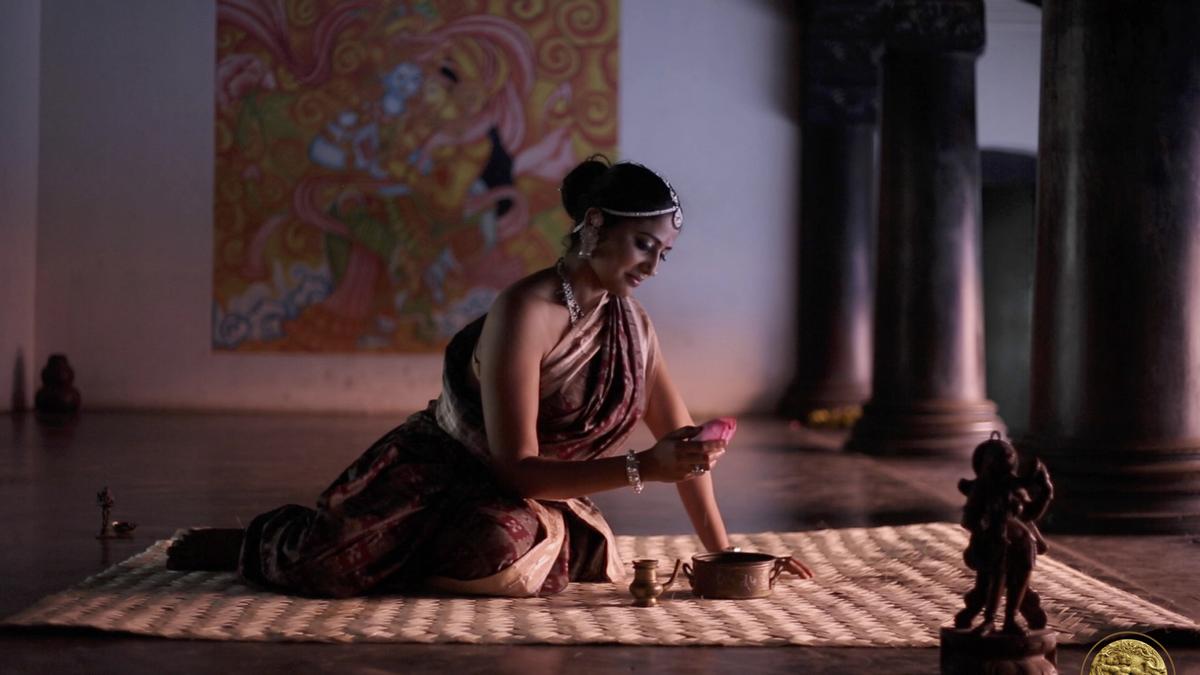
The evening’s program also featured another significant production, "Mukuti," also directed by Ghirija Jayarraj and presented by Shruthi K.P. This earlier piece serves as a valuable point of reference, offering further insight into Jayarraj’s artistic concerns and directorial style. "Mukuti" employs a simple nose ring – the titular mukuti – as a potent metaphor to explore the multifaceted identity of a dancer. Through a compelling blend of music, dance, theatre, and film, the production traces the evolution of Mohiniattam, a classical Indian dance form.
The narrative of "Mukuti" is anchored by a film enactment, which is itself supported by a choreographic work by Nirmala Panicker. The film beautifully captures the world of Meenakshi, a dancer whose passion for her art is juxtaposed with the pressures of social structures and her personal emotions. The visual storytelling is described as effective, portraying the complexities of Meenakshi’s life with sensitivity. However, a point of critique similar to "Wanderland" emerges: the live dance sequences, while part of the performance, did not quite match the impact of the on-screen narrative. This suggests a recurring challenge in balancing the power of cinematic storytelling with the immediacy of live performance within Jayarraj’s directorial framework.
The recurring references to the mukuti serve as an interesting thematic link throughout "Mukuti," providing a unifying element to the exploration of identity. The production effectively visualizes parallel streams, reflecting the dichotomy between different eras and societal expectations, a theme that resonates strongly with the exploration of personal history and cultural negotiation. The inclusion of "Mukuti" in the same program as "Wanderland" provides a richer context for understanding Jayarraj’s artistic journey and her consistent engagement with themes of identity, displacement, and the transformative power of art.
Official Responses and Industry Perspectives
While direct official responses to "Wanderland" and "Mukuti" are not detailed in the provided text, the presentation at the Alliance Française, a respected cultural institution, signifies an endorsement of the productions’ artistic merit and cultural relevance. The Alliance Française is known for fostering cultural exchange and showcasing contemporary artistic voices. Its platform provides a significant opportunity for artists like Jayarraj to reach a diverse audience and engage in critical dialogue.
The nature of the review suggests an engagement with the production from a critical perspective, implying a dialogue within the arts community about the effectiveness of multi-media performance and the exploration of identity in contemporary art. The inclusion of specific dance practitioners and choreographers also points to the interconnectedness of the performing arts ecosystem, where collaborations and shared artistic visions are crucial for innovation and growth.
Implications and Future Directions
"Wanderland" and "Mukuti" collectively offer valuable insights into the contemporary landscape of artistic expression, particularly concerning themes of identity, migration, and cultural heritage. The productions underscore the increasing importance of multi-media approaches in performance, where film, photography, theatre, and dance converge to create richer, more layered experiences.
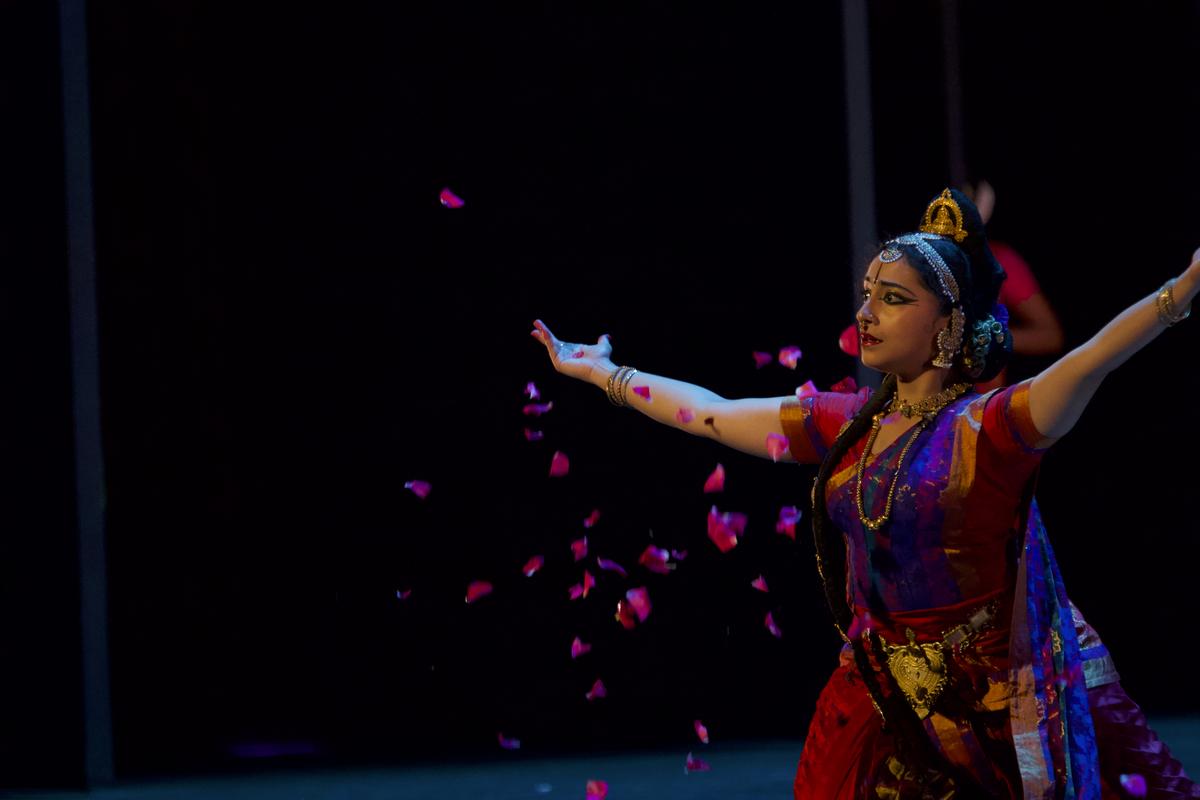
For artists navigating complex personal histories and transnational identities, Jayarraj’s work provides a compelling model for how to translate lived experiences into powerful artistic statements. The exploration of Bharatanatyam and Mohiniattam as anchors of cultural identity in the face of displacement highlights the enduring relevance of traditional art forms in a globalized world.
The critiques offered, particularly regarding the editing and integration of various elements, provide practical lessons for future productions. The pursuit of a more cohesive and impactful narrative through careful selection and refinement of material is a universal challenge in artistic creation. As the performing arts continue to evolve, productions like "Wanderland" push the boundaries of storytelling, inviting audiences to engage with complex personal and societal narratives in innovative and thought-provoking ways. The journey of Ghirija Jayarraj, as depicted in "Wanderland," serves as a potent reminder that our sense of self is a continuous creation, shaped by the landscapes we traverse, the memories we cherish, and the art we bring into being.
