

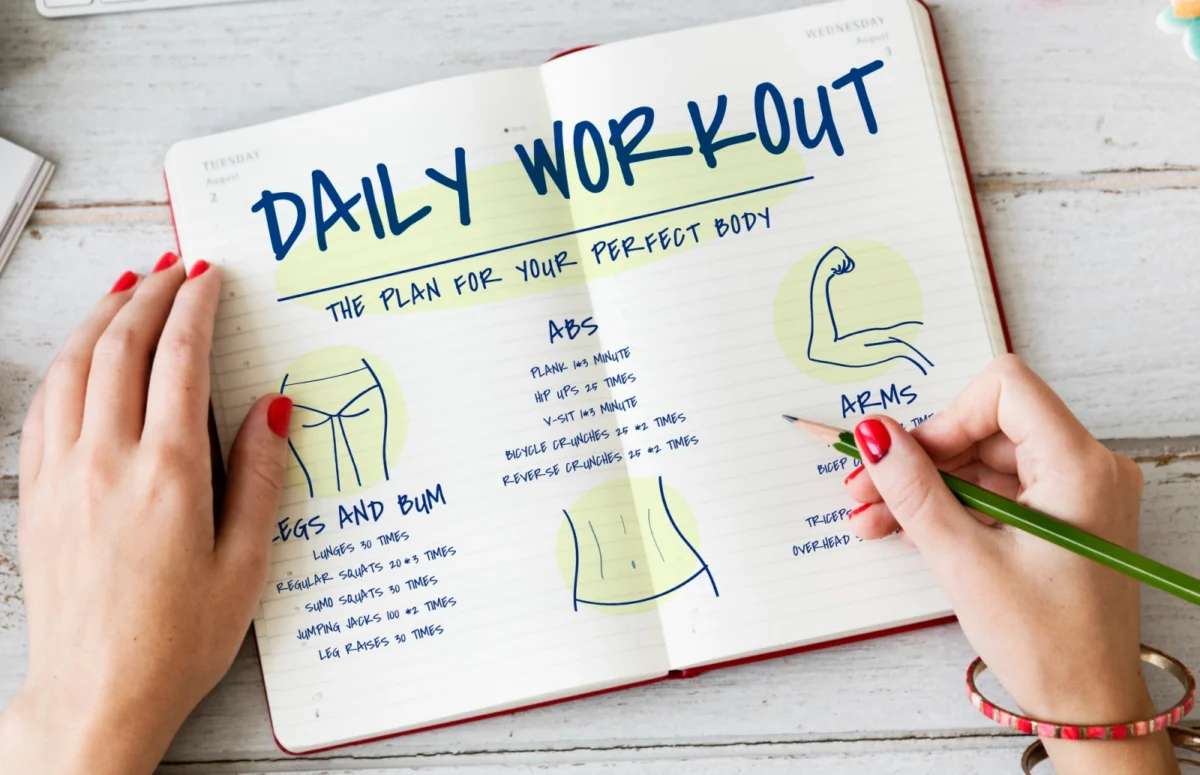
Mumbai, India – In an era where fitness aspirations are often shaped by viral social media challenges and the allure of rapid muscle transformation, a growing chorus of health professionals is calling for a return to fundamental training principles. Renowned fitness coach Ajay Sangwan, during a recent appearance on Pankaj Sharma’s podcast, articulated a clear vision for the "perfect workout," emphasizing a structured, science-backed approach that prioritizes long-term health and injury prevention. His five-step framework – Warm-up, Compound Lifts, Core Training, Cardio, and Stretching – is gaining traction among experts who warn that current fitness trends may be overlooking crucial elements of safe and effective exercise.
This sentiment is echoed by orthopaedic specialists who are witnessing a concerning rise in gym-related injuries, particularly among young adults. Dr. Gazanfar Patel, an Orthopaedic Specialist in Minimal Invasive/Robotic Joint Replacement and Sports Medicine at Wockhardt Hospitals, Mumbai Central, highlights the disconnect between the desire for immediate results and the body’s physiological needs. "As orthopaedic specialists, we are seeing a rise in gym-related injuries, especially among people who jump straight into heavy lifting without preparing the body first," Dr. Patel explains. "Muscles may feel ready mentally, but joints, tendons, and ligaments need gradual activation."
The emphasis on a structured approach, as advocated by Sangwan and supported by Dr. Patel, is more critical than ever, especially as fitness routines become increasingly influenced by the visually driven landscape of social media. This article delves into the core tenets of a scientifically sound workout, examines the pitfalls of trend-driven fitness, and underscores the long-term benefits of prioritizing a balanced and sustainable approach to physical well-being.
The Foundation of Fitness: Ajay Sangwan’s Five Pillars of the "Perfect Workout"
Ajay Sangwan, a respected figure in the fitness coaching community, recently shared his foundational principles for effective training on Pankaj Sharma’s podcast. His "five steps to the perfect workout" offer a clear roadmap for individuals seeking to optimize their fitness journey while minimizing the risk of injury.
- Warm-up: Protect Your Joints Before You Push Them: Sangwan stresses the paramount importance of preparing the body for the demands of exercise. A proper warm-up increases blood flow to the muscles, elevates body temperature, and enhances joint mobility, thereby reducing the likelihood of strains and tears. This preparatory phase is not merely a suggestion but a critical safeguard against acute injuries.
- Compound Lifts: Focus on Movements That Engage Multiple Joints: The cornerstone of effective strength training, according to Sangwan, lies in compound exercises. These movements, such as squats, deadlifts, and presses, involve multiple muscle groups and joint actions simultaneously. They are highly efficient, promote functional strength, and contribute to overall muscular development and coordination.
- Core Training: A Strong Core – Not Just Visible Abs – is the Key to a Healthy Lower Back: Sangwan debunks the common misconception that core training solely pertains to achieving a sculpted midsection. He emphasizes that a robust core is vital for spinal stability, posture, and efficient movement patterns. A strong core acts as a natural brace for the spine, mitigating the risk of lower back pain and improving overall functional capacity.
- Cardio: Keep the Heart Healthy: Cardiovascular exercise is indispensable for maintaining heart health, improving endurance, and supporting the body’s recovery processes. Sangwan advocates for incorporating regular cardio to enhance circulatory function and overall physical resilience.
- Stretching: Never Leave the Gym with Tight, Unrelaxed Muscles: The final, often overlooked, component of Sangwan’s framework is post-workout stretching. This practice helps to restore muscle length, improve flexibility, reduce post-exercise stiffness, and promote faster recovery. Leaving muscles tight can negatively impact posture and increase susceptibility to future injuries.
Sangwan’s concluding remark on the podcast served as a direct challenge to those who may be receiving inadequate guidance: "If your trainer isn’t teaching you these five things, it might be time to find someone who actually understands the science of training."
The Alarming Rise in Gym-Related Injuries: An Orthopaedic Perspective
Dr. Gazanfar Patel’s observations from the front lines of orthopaedic care paint a stark picture of the current fitness landscape. The increasing prevalence of gym-related injuries, particularly among younger demographics, is a cause for significant concern.
"As orthopaedic specialists, we are seeing a rise in gym-related injuries, especially among people who jump straight into heavy lifting without preparing the body first," Dr. Patel states. He elaborates on the physiological disconnect: "Muscles may feel ready mentally, but joints, tendons, and ligaments need gradual activation. The body is a complex system, and neglecting the preparatory stages can lead to significant repercussions."
Dr. Patel meticulously outlines the benefits of a proper warm-up, emphasizing its role in enhancing physiological readiness: "Proper warm-ups improve blood circulation, increase joint mobility, and prepare muscles to safely handle physical load." Conversely, the consequences of skipping this crucial step are severe and multifaceted. "Skipping warm-ups can lead to muscle strains, shoulder impingement, knee pain, lower back issues, and even ligament injuries over time," he warns. The neglect of post-workout stretching also contributes to a cascade of negative effects: "Similarly, avoiding stretching after workouts leaves muscles tight and stiff, which affects posture and recovery."
This expert testimony underscores that while the desire for a fitter physique is commendable, the methods employed can inadvertently lead to debilitating injuries, hindering long-term fitness goals and impacting overall quality of life.
The Social Media Mirage: Are Influencer Workouts Undermining Fitness Science?
The pervasive influence of social media platforms on fitness culture is a double-edged sword. While it can inspire and educate, it also risks promoting superficial trends over scientifically sound practices. Dr. Patel critically analyzes this phenomenon: "Social media has made fitness more visual than functional. People are chasing aesthetic exercises or viral routines without understanding movement mechanics or body alignment."
This shift towards visual appeal over functional efficacy can lead individuals down a path of ineffective and potentially harmful training. The pursuit of aesthetically pleasing poses or quick transformations often overshadows the importance of proper form, progressive overload, and listening to the body’s signals.

Dr. Patel reaffirms the enduring value of foundational exercises: "He explains that foundational exercises such as squats, deadlifts, rows, and presses remain among the most effective because they train multiple muscle groups simultaneously while improving coordination, balance, and joint stability." However, he crucially adds a caveat: "However, he stresses that these exercises must be performed with proper form and gradual progression."
The "no pain, no gain" mantra, often amplified on social media, can be particularly detrimental. "Compound lifts are valuable only when technique is correct," Dr. Patel asserts. "The ‘no pain, no gain’ mindset often pushes people to ignore early warning signs from the body, and that is where injuries begin." This highlights the need for a discerning approach to fitness content consumed online, prioritizing evidence-based advice over fleeting trends.
The Misunderstood Powerhouse: Why Core Strength Matters Beyond Abs
The concept of core strength is frequently misrepresented in contemporary fitness discussions, often being reduced to the pursuit of visible abdominal muscles. Dr. Patel clarifies this critical misunderstanding, emphasizing the true functional significance of a strong core.
"A strong core is not just about visible abs," he states emphatically. "It is the body’s natural support system for the spine." This fundamental role extends far beyond aesthetics, impacting posture, movement efficiency, and injury prevention. Dr. Patel elaborates on the detrimental effects of a neglected core: "Weak core muscles are among the leading causes of chronic lower back pain, poor posture, and movement instability."
The allure of aesthetically driven training can inadvertently sideline the importance of spinal health and overall functional integrity. "Many flashy workouts focus only on appearance-driven training and ignore spinal support, recovery, and movement quality," Dr. Patel observes. He concludes this point with a powerful statement on the enduring principles of fitness: "Fitness science has always prioritized sustainability over shortcuts." This philosophy advocates for a training approach that builds resilience and promotes long-term health rather than chasing ephemeral results.
Crafting a Sustainable Physique: The Pillars of a Balanced Workout
From an orthopaedic standpoint, Dr. Patel outlines the essential components of a truly effective and sustainable workout regimen. His framework emphasizes balance and integration of various fitness modalities to promote holistic well-being.
"From an orthopedic perspective, an ideal workout should include four pillars: mobility, strength, cardiovascular fitness, and recovery," Dr. Patel explains. This comprehensive approach ensures that all aspects of physical health are addressed, leading to a well-rounded and resilient body.
The Structure of a Balanced Session:
- Warm-up and Mobility (5-10 minutes): Dr. Patel recommends initiating every workout session with 5-10 minutes of dynamic warm-up and mobility drills. These exercises prepare the joints and muscles for the upcoming activity, enhancing range of motion and reducing the risk of injury.
- Strength Training (Compound and Isolation): Following the warm-up, structured strength training should be implemented. This includes a combination of compound exercises – those engaging multiple muscle groups and joints – and controlled isolation exercises that target specific muscle groups. This dual approach ensures both functional strength development and targeted muscle refinement.
- Core Training (2-3 times per week): To support spinal health and overall balance, Dr. Patel advises incorporating core work at least two to three times a week. This consistent attention to the core muscles is crucial for preventing back pain and improving movement patterns.
- Cardiovascular Fitness: Cardio remains a vital component for heart health, endurance, circulation, and recovery. Dr. Patel emphasizes its importance in maintaining a healthy cardiovascular system and enhancing the body’s ability to recover from exertion.
- Stretching and Recovery: Post-workout stretching is essential for maintaining flexibility, reducing muscle stiffness, and promoting optimal recovery. This crucial step ensures that muscles remain supple and ready for subsequent training sessions.
Dr. Patel’s overarching philosophy on the "best" workout is both practical and profound: "The best workout routine is not the most intense one. It is the one your body can sustain safely for years without breaking down." This perspective shifts the focus from short-term gains to long-term health and longevity, advocating for a mindful and sustainable approach to fitness that prioritizes the body’s well-being above all else.
Disclaimer: This article is based on information from the public domain and/or the experts we spoke to. Always consult your health practitioner before starting any routine.
