

New Delhi, May 17, 2026 – While Ranthambore National Park in Rajasthan is globally renowned as a premier destination for spotting the majestic Bengal tiger, its sprawling wilderness teems with an astonishing array of other fascinating wildlife. For the discerning nature enthusiast, a safari in Ranthambore offers a profound opportunity to witness a vibrant ecosystem, where elusive predators, graceful herbivores, and intriguing smaller creatures coexist. This report delves into the remarkable biodiversity that Ranthambore safeguards, highlighting the species that are frequently encountered and play crucial roles in the park’s ecological balance, even when the elusive striped king remains out of sight.
A Sanctuary of Diverse Fauna: More Than Just Tigers
Ranthambore National Park, nestled in the Sawai Madhopur district of Rajasthan, is a jewel in India’s crown of wildlife conservation. Covering an area of approximately 1,334 square kilometers, including its buffer zones, the park is characterized by its deciduous forests, rocky ridges, and a network of lakes and water bodies. This varied topography provides a rich tapestry of habitats, supporting a staggering diversity of flora and fauna. While the Bengal tiger (Panthera tigris tigris) undeniably draws the largest crowds, a closer look reveals a complex web of life, with numerous other species contributing to the park’s ecological dynamism.
The park’s management has consistently focused on preserving this biodiversity, ensuring that Ranthambore is not just a tiger reserve, but a thriving sanctuary for a multitude of species. These efforts have resulted in robust populations of several animals, making wildlife sightings a rewarding experience for every visitor. From the stealthy leopard to the industrious sloth bear, and from the ancient marsh crocodile to the graceful sambar deer, Ranthambore offers a compelling narrative of India’s wild heart.
Key Encounters: A Glimpse into Ranthambore’s Wildlife Roster
During a safari through Ranthambore, visitors are often treated to sightings of several remarkable creatures. These encounters offer a deeper appreciation for the park’s intricate ecosystem and the interconnectedness of its inhabitants.
-
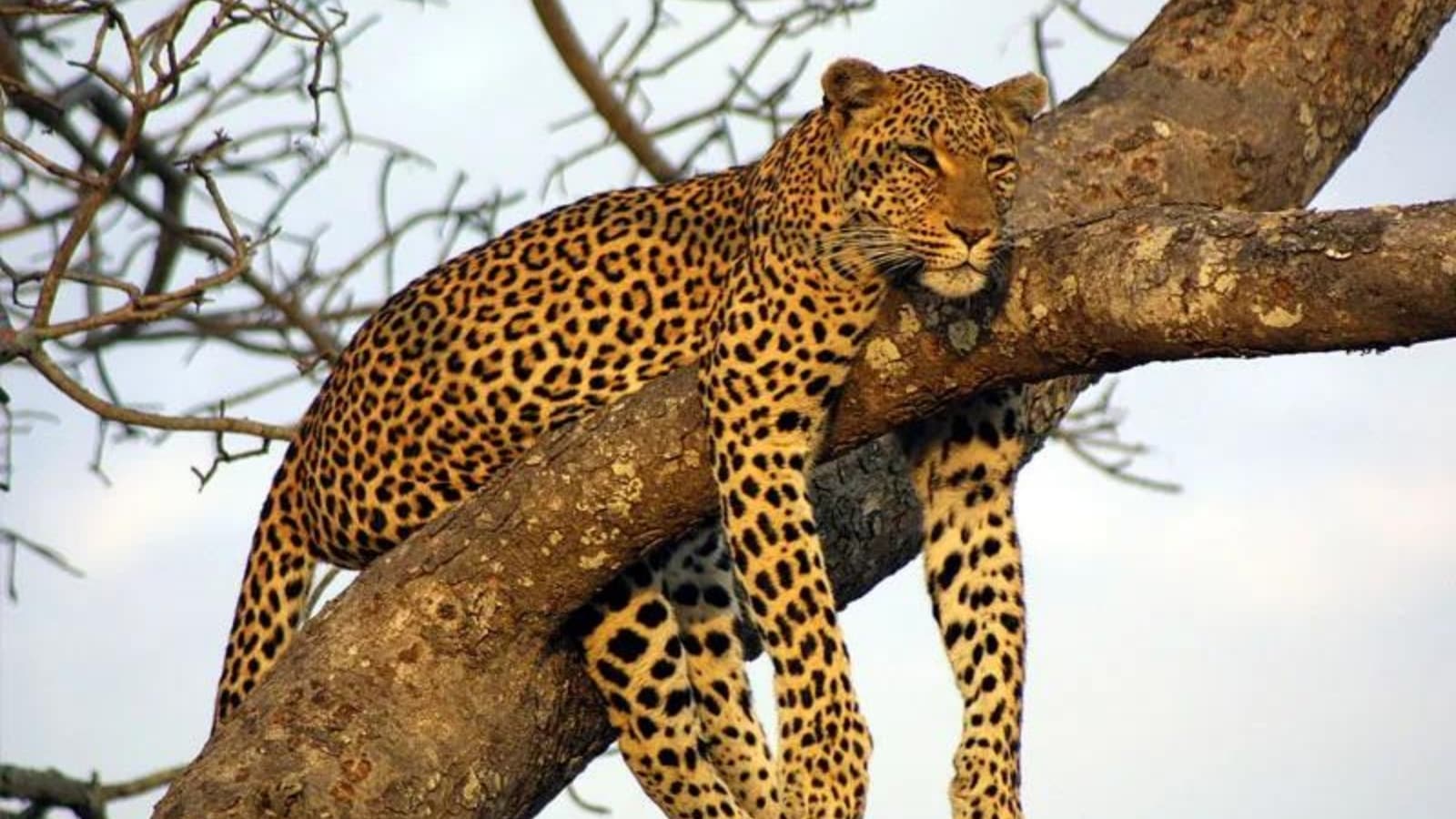
Leopard (Panthera pardus): While their regal cousins, the tigers, often command the spotlight, leopards are a significant and regularly sighted presence within Ranthambore. These highly adaptable felines are masters of camouflage, blending seamlessly into the park’s rocky outcrops and dense foliage. They are often found in quieter zones, preferring to hunt away from the more prominent tiger territories. Their agile climbing abilities allow them to navigate the rugged terrain with ease, and spotting one perched on a rocky ledge or silently traversing the undergrowth is a thrilling experience. Their presence underscores the park’s capacity to support multiple large carnivores.
-
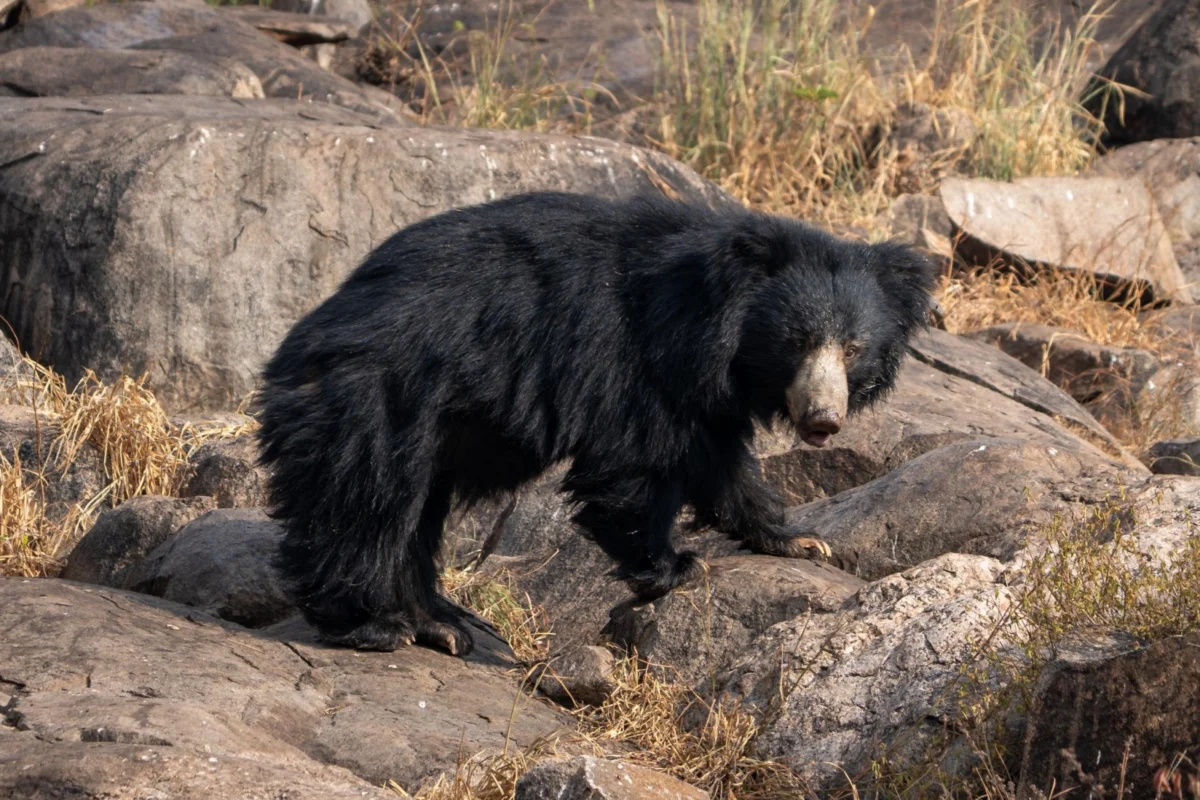
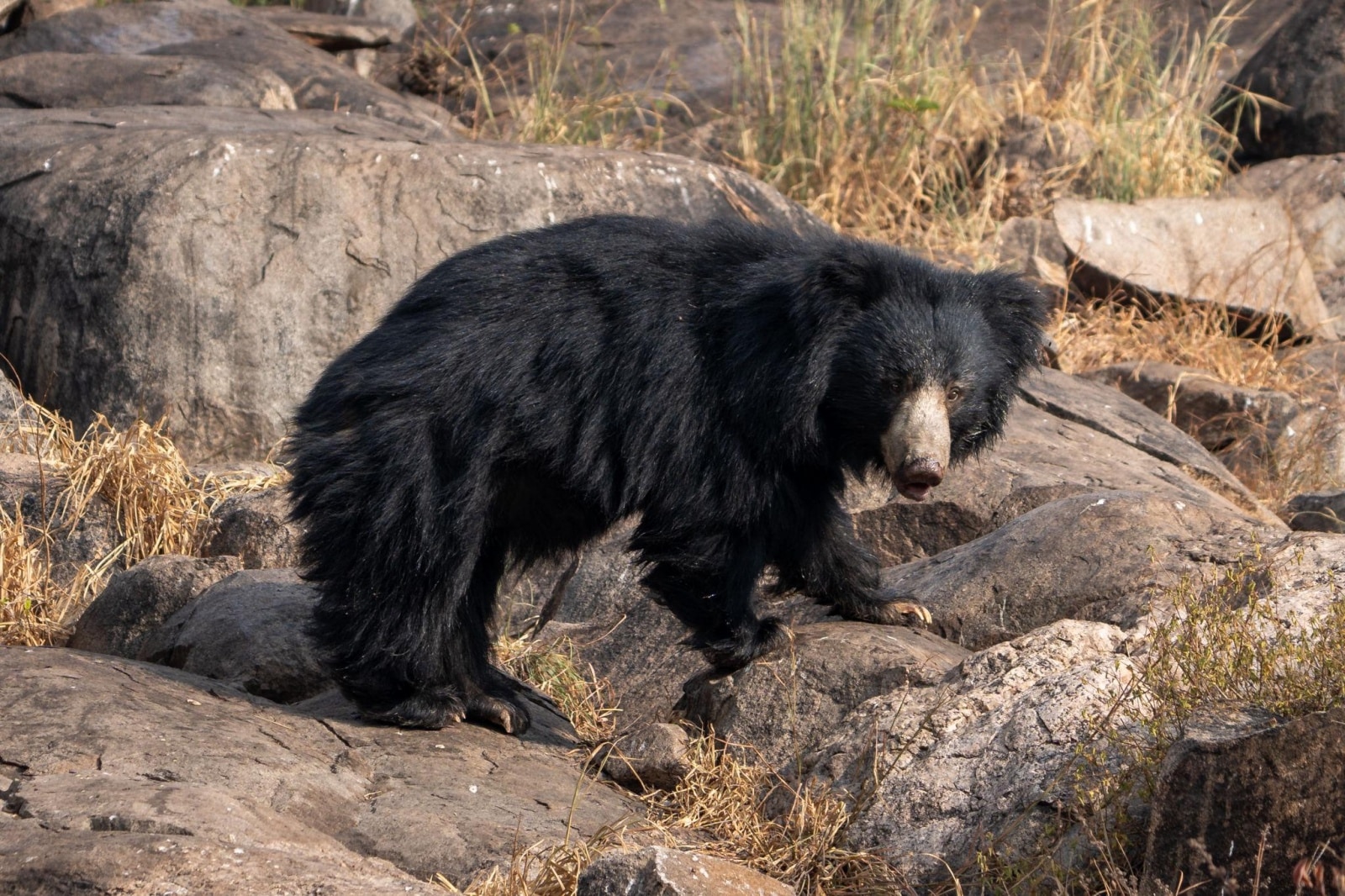
Sloth Bear (Melursus ursinus): Ranthambore is also a haven for the uniquely captivating sloth bear. Characterized by their distinctive shaggy black coats, long snouts, and powerful claws, these fascinating creatures are primarily insectivorous, with a particular fondness for termites. Visitors are most likely to encounter them during the cooler hours of the early morning or late evening, as they meticulously forage for their food. Their slow, deliberate movements and their almost comical appearance make them a delightful sight, reminding us of the diverse forms that mammalian life can take.
-
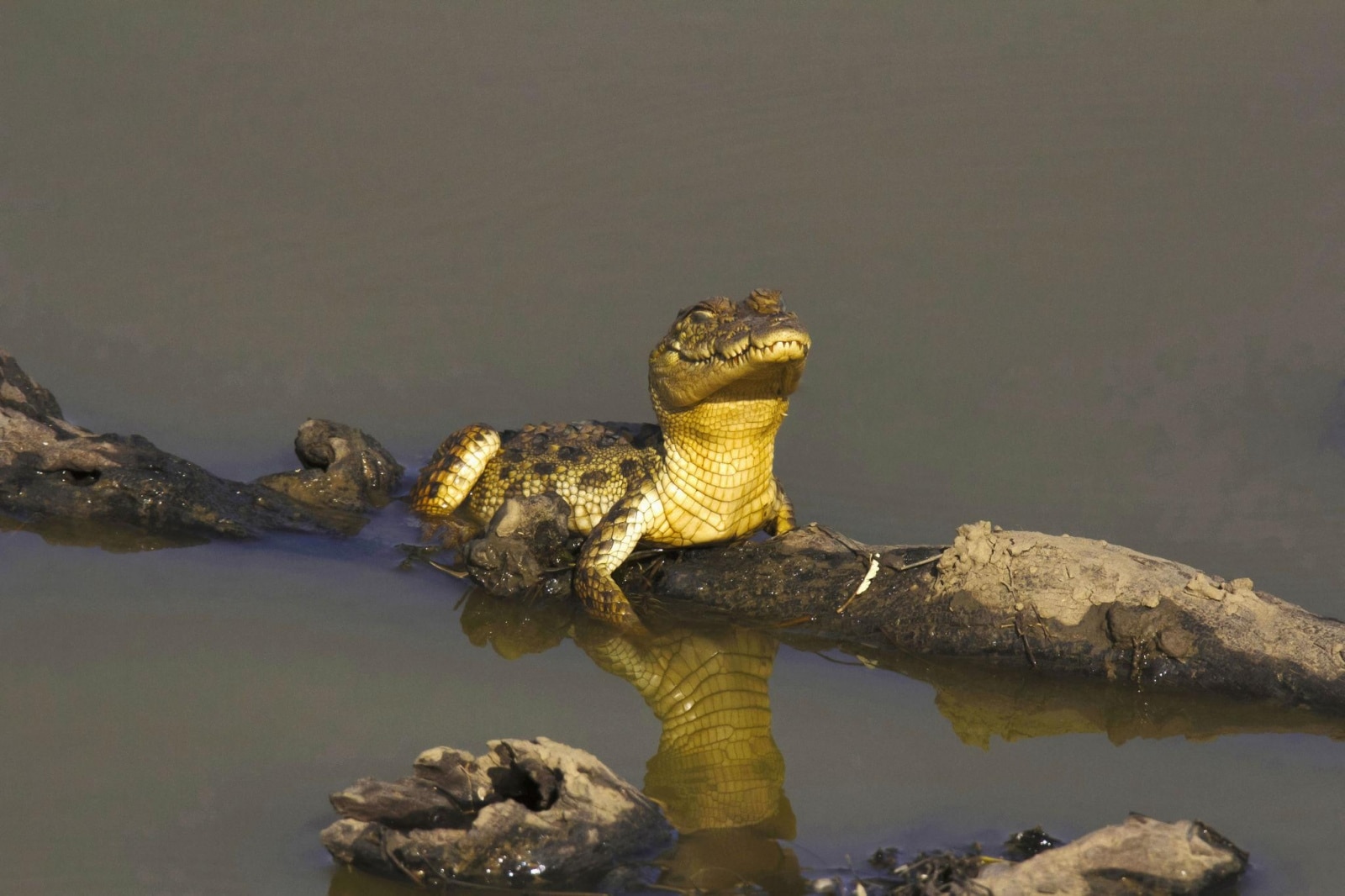
Marsh Crocodile (Crocodylus palustris): The park’s numerous lakes and water bodies, such as the Padam Talao and Malik Talao, are home to a healthy population of marsh crocodiles, also known as mugger crocodiles. These ancient reptiles are often seen basking languidly on the banks, their formidable presence a testament to the health of Ranthambore’s aquatic ecosystems. Their relatively sedentary nature makes them one of the easiest animals to spot during a safari, providing a glimpse into the life of these formidable prehistoric predators.
-
Sambar Deer (Rusa unicolor): As the largest deer species in India, sambar deer are a common and vital component of Ranthambore’s herbivore population. They are frequently observed grazing in open grasslands and around the forest clearings, their majestic antlers a striking feature. Beyond their aesthetic appeal, sambar deer play a crucial role in the park’s food chain. Their alarm calls, a distinctive honking sound, serve as an early warning system for other animals, including tigers and leopards, alerting them to potential danger.
-
Nilgai (Boselaphus tragocamelus): Also known as the blue bull, the nilgai is the largest antelope species in Asia and is a ubiquitous sight across Ranthambore’s open grasslands and scrub forests. Their sturdy build and striking bluish-grey coat make them easily identifiable. They are a primary food source for the park’s large predators and their presence signifies a healthy grazing environment.
-
Langur (Semnopithecus spp.): These charismatic, long-tailed monkeys are an unmissable part of the Ranthambore experience. Often seen in large troops, they are a common sight leaping through the trees or perched near the historic fort ruins that dot the landscape. Langurs are not only entertaining to watch but also play an interesting ecological role. Their keen eyesight and alertness often lead them to spot predators before other animals, and their vocalizations can alert nearby herbivores to danger, fostering a symbiotic relationship within the ecosystem.
-
Indian Peafowl (Pavo cristatus): As India’s national bird, the Indian peafowl is abundant in Ranthambore, adding splashes of vibrant color to the landscape. During the monsoon season and in the early mornings, the sight of peacocks displaying their iridescent, fan-like tails in a mesmerizing courtship dance is truly spectacular. These visually stunning displays are a highlight for many visitors and underscore the park’s rich avian diversity.
-
Striped Hyena (Hyaena hyaena): While often overlooked, the striped hyena is a significant nocturnal predator in Ranthambore. These powerful scavengers, identifiable by their shaggy coat and sloping back, are usually spotted during early morning or evening safaris. They play a crucial role in maintaining the health of the ecosystem by cleaning up carcasses and preventing the spread of diseases. Their presence indicates a robust and balanced food web.
-
Wild Boar (Sus scrofa): Wild boars are among the most frequently encountered animals in Ranthambore. They are often seen in groups, particularly near water sources and in grassland areas, where they root for tubers, insects, and fallen fruits. Their presence is a sign of a healthy undergrowth and a rich soil environment.
-
Indian Fox (Vulpes bengalensis): The small and agile Indian fox is a common inhabitant of the park’s open scrublands. With its distinctive bushy tail and sharp, alert ears, this clever predator is a fascinating creature to observe. They are adept hunters, preying on rodents, insects, and small reptiles, and play an important role in controlling populations of smaller animals.
Chronology of Conservation and Biodiversity Focus
The story of Ranthambore’s biodiversity is intrinsically linked to its conservation history. Initially established as a hunting ground for the Maharaja of Jaipur, the area was declared Sawai Madhopur Game Sanctuary in 1955. The subsequent recognition of its ecological significance led to its inclusion in Project Tiger in 1973, marking a pivotal moment in its transformation into a protected tiger reserve.
The early years of conservation efforts were primarily focused on the flagship species, the tiger. However, as the park’s management evolved, a more holistic approach to biodiversity conservation began to take shape. The establishment of buffer zones and eco-development committees in the late 20th and early 21st centuries aimed to integrate local communities into conservation efforts, reduce human-wildlife conflict, and protect the broader ecosystem. This sustained focus on habitat management, anti-poaching measures, and community engagement has been instrumental in ensuring the thriving populations of not only tigers but also the myriad other species that call Ranthambore home. The success in maintaining healthy populations of leopards, sloth bears, and various ungulates is a testament to these long-term strategies.
Supporting Data: Ranthambore’s Ecological Footprint
While precise, up-to-the-minute census data for all species is a complex undertaking, periodic surveys and estimations provide crucial insights into Ranthambore’s biodiversity.
-
Tiger Population: Ranthambore consistently ranks among the top tiger reserves in India, with official estimates often placing its population in the range of 60-70 tigers. This success is a direct indicator of the health of the entire ecosystem, as tigers require a robust prey base and a large, undisturbed habitat.
-
Prey Base: The abundance of prey species is critical for supporting the predator population. Sambar deer, nilgai, and wild boar populations are estimated to be in the thousands, providing ample food for tigers and leopards. The presence of these herbivores also indicates healthy vegetation cover and grazing lands.
-
Avian Diversity: Ranthambore is a birdwatcher’s paradise, with over 300 species of birds recorded. This includes resident species like the Indian Peafowl, various raptors, waterbirds, and migratory species that visit during the winter months, highlighting the park’s importance as a stopover point and breeding ground.
-
Reptilian and Amphibian Life: Beyond the marsh crocodile, the park is home to various other reptiles, including monitor lizards, snakes (such as cobras and pythons), and turtles, contributing to the intricate food web. The water bodies also support a range of amphibians, further enriching the ecosystem.
-
Invertebrate Richness: While less visible to the casual observer, the park’s invertebrate population, including insects and butterflies, is immense and forms the base of the food chain for many birds, reptiles, and small mammals.
Official Responses and Conservation Strategies
The Forest Department of Rajasthan, in collaboration with the National Tiger Conservation Authority (NTCA) and various wildlife research organizations, plays a vital role in the management and protection of Ranthambore. Their strategies are multifaceted:
- Habitat Management: This includes controlled burning to promote new grass growth, removal of invasive species, and maintenance of water sources to ensure optimal conditions for all wildlife.
- Anti-Poaching Operations: Dedicated forest guards and rangers conduct regular patrols, employing both traditional methods and modern surveillance technologies to combat poaching and illegal activities within the park.
- Monitoring and Research: Regular population estimation exercises for key species, camera trapping, and GPS collaring of animals help in understanding their behavior, movement patterns, and population dynamics. This data is crucial for informed conservation decisions.
- Human-Wildlife Conflict Mitigation: Strategies are in place to minimize conflicts between local communities and wildlife, such as providing compensation for crop damage and livestock depredation, and promoting awareness programs.
- Eco-Tourism Management: Strict regulations are enforced for safari operations to minimize disturbance to wildlife, including designated routes, speed limits, and restrictions on the number of vehicles allowed in certain zones. This ensures that tourism contributes to conservation rather than detracting from it.
Mr. Ramesh Singh, a senior official from the Rajasthan Forest Department, commented, "Ranthambore is a testament to what dedicated conservation can achieve. While the tiger remains our icon, we are equally committed to protecting the entire spectrum of life within its boundaries. The presence of healthy populations of leopards, sloth bears, and other species is a clear indicator of a balanced and resilient ecosystem. Our ongoing efforts are focused on strengthening these foundations for generations to come."
Implications for Conservation and Tourism
The rich biodiversity of Ranthambore National Park has profound implications, both for conservation and for the tourism industry.
- Ecological Significance: The park serves as a crucial gene pool for numerous species, contributing to the broader biodiversity of the region and the nation. Its healthy ecosystem acts as a natural buffer against environmental degradation.
- Scientific Research: Ranthambore provides invaluable opportunities for scientific research into wildlife behavior, ecology, and conservation genetics. This research informs best practices for wildlife management globally.
- Economic Benefits: Wildlife tourism is a significant economic driver for the region, creating employment opportunities in hospitality, guiding, and related sectors. The income generated from tourism can be reinvested into conservation efforts.
- Educational Value: Ranthambore offers an unparalleled educational experience for visitors, fostering a deeper understanding and appreciation for nature and the importance of conservation. This can inspire future generations of environmental stewards.
- Challenges Ahead: Despite its successes, Ranthambore faces ongoing challenges, including increasing human pressure on its periphery, climate change impacts on habitats, and the continuous need for robust anti-poaching measures. Sustained commitment and adaptive management strategies are essential to ensure the long-term survival of its diverse wildlife.
In conclusion, Ranthambore National Park is far more than just a tiger sanctuary. It is a vibrant mosaic of life, where every creature, from the magnificent tiger to the humble Indian fox, plays an integral role in the grand theater of nature. The continued success of Ranthambore underscores the power of dedicated conservation and offers a compelling vision for the future of wildlife protection in India.
