

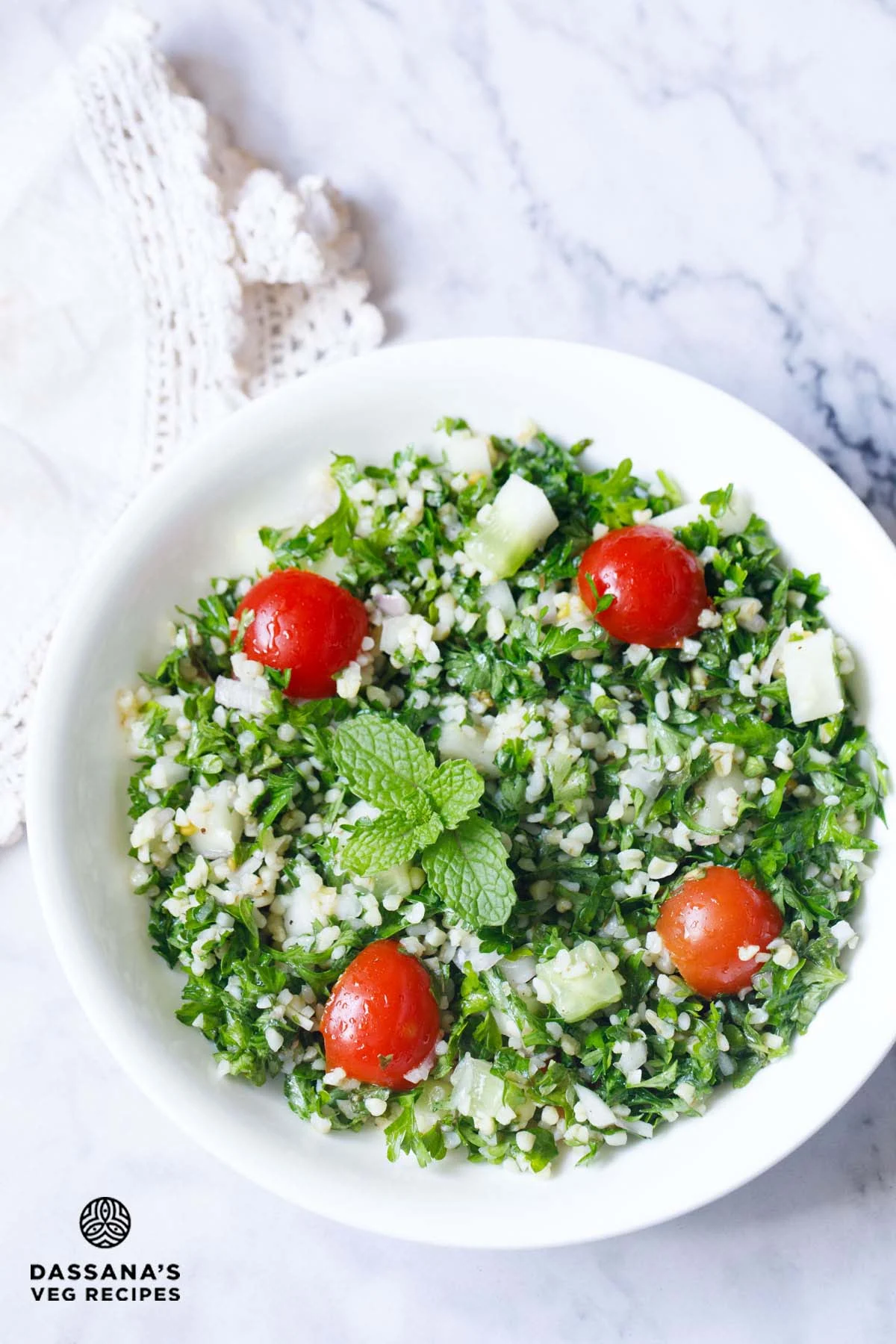
The global culinary landscape has seen a profound shift toward plant-based, nutrient-dense diets, and few dishes embody this movement more elegantly than Tabbouleh. Often referred to as the "national dish of Lebanon," this vibrant herb salad has transcended its Levantine origins to become a staple of international health-conscious dining. More than just a side dish, Tabbouleh represents a sophisticated balance of texture, acidity, and herbal intensity that challenges the Western definition of a "salad."
Main Facts: The Essence of an Authentic Tabbouleh
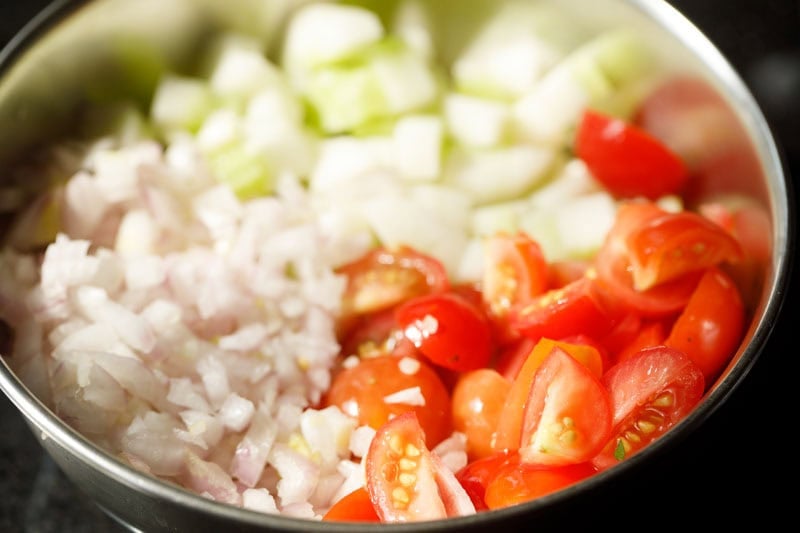
Tabbouleh (also spelled tabouli or tabbouli) is a traditional Middle Eastern salad predominantly composed of finely chopped fresh flat-leaf parsley. While many Western interpretations treat the dish as a grain-based salad—similar to a pilaf—authentic Lebanese Tabbouleh is fundamentally an herb salad. The ingredients include significant quantities of parsley and mint, complemented by small amounts of bulgur wheat, diced tomatoes, and onions, all brought together with a dressing of extra virgin olive oil and fresh lemon juice.
The Compositional Balance
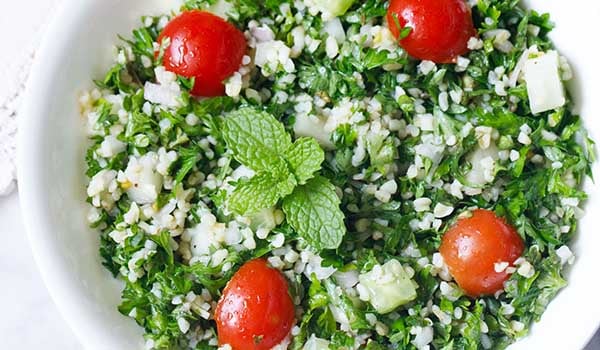
The hallmark of a true Tabbouleh is its "herb-forward" nature. In professional culinary circles, the ratio of greens to grains is the primary metric of authenticity. The bulgur wheat is intended to provide a subtle, chewy texture rather than acting as the bulk of the meal. This distinction is crucial; while the salad is light and refreshing, it is packed with a dense concentration of micronutrients due to the sheer volume of leafy greens used in its preparation.
Regional Significance
While Tabbouleh is celebrated across the Middle East, its heart remains in the Levant—specifically Lebanon and Syria. It is the cornerstone of the mezze—a selection of small dishes served as an appetizer or a multi-course meal. In this context, Tabbouleh serves as a palate cleanser, its sharp acidity and cooling mint preparing the diner for heavier dishes like kebabs or falafel.
Chronology: From Ancient Grains to Modern Tables
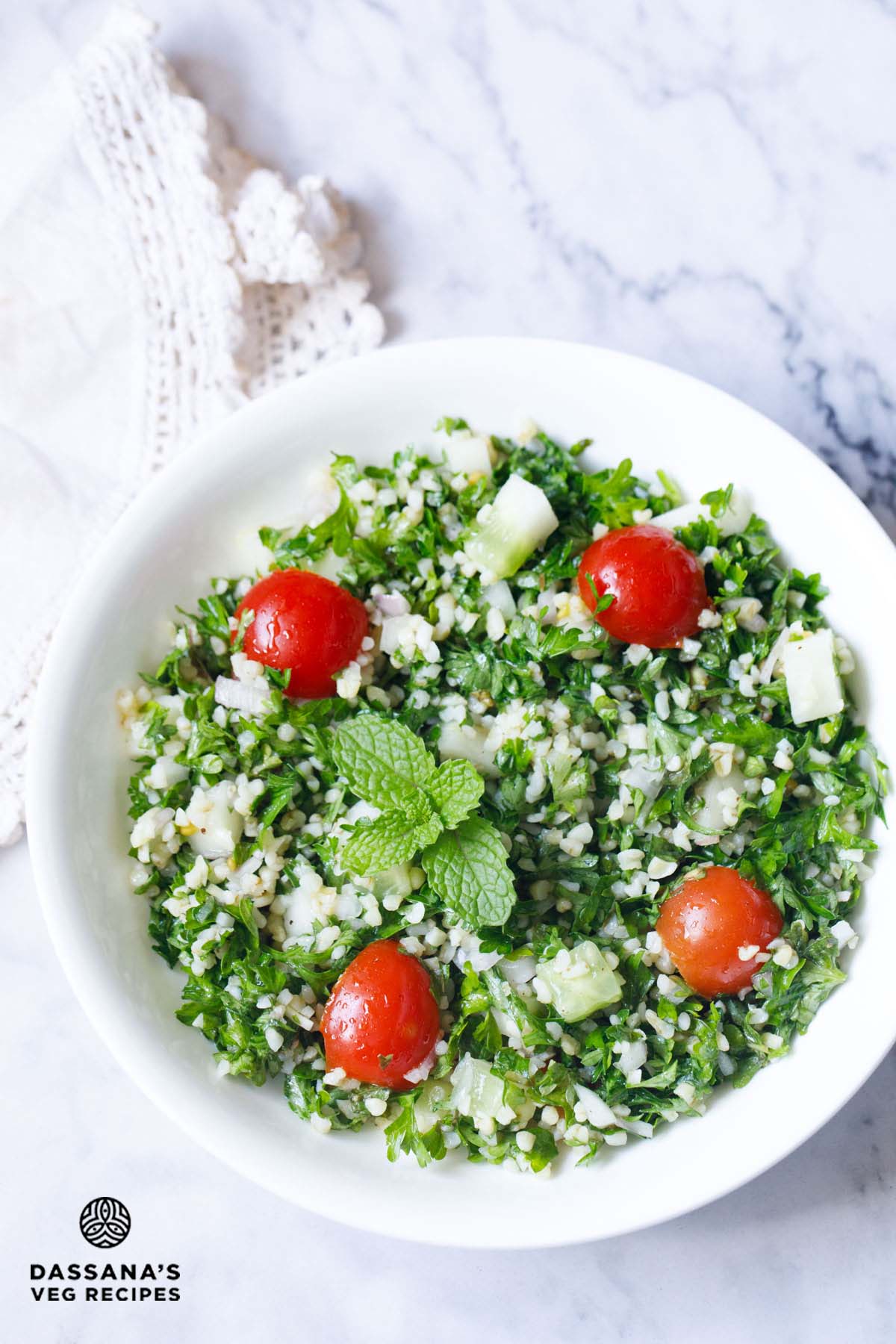
The history of Tabbouleh is inextricably linked to the history of the Levant itself. To understand the dish, one must look at the chronology of its ingredients and the evolution of its preparation techniques.
Ancient Origins of Bulgur
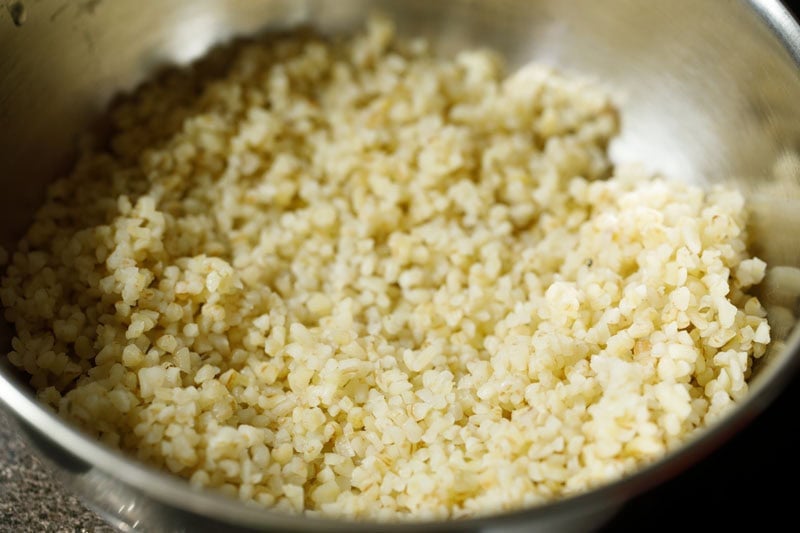
The use of bulgur—cracked whole wheat that has been parboiled and dried—dates back thousands of years in the Fertile Crescent. Ancient civilizations utilized this method to preserve wheat, creating a shelf-stable grain that could be reconstituted quickly. Tabbouleh emerged as a way to utilize this grain alongside the abundance of wild herbs found in the mountainous regions of Lebanon.
The Evolution of the Recipe
Historically, the recipe remained a local secret, passed down through generations of families. It wasn’t until the mid-20th century, with the rise of the Lebanese diaspora, that Tabbouleh began to appear on global menus. In the 1950s and 60s, as Mediterranean cuisine gained a foothold in Europe and the Americas, Tabbouleh was often misinterpreted, leading to the grain-heavy versions often found in modern supermarkets. However, the last decade has seen a "return to roots," with chefs and home cooks alike seeking the authentic, parsley-heavy proportions.
The Life Cycle of Preparation
The preparation of Tabbouleh is a time-intensive ritual that follows a specific chronological order to ensure the integrity of the ingredients:
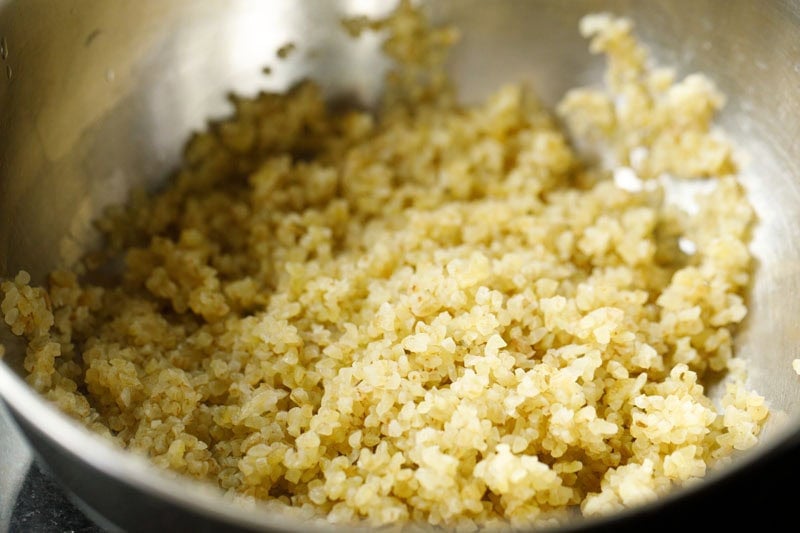
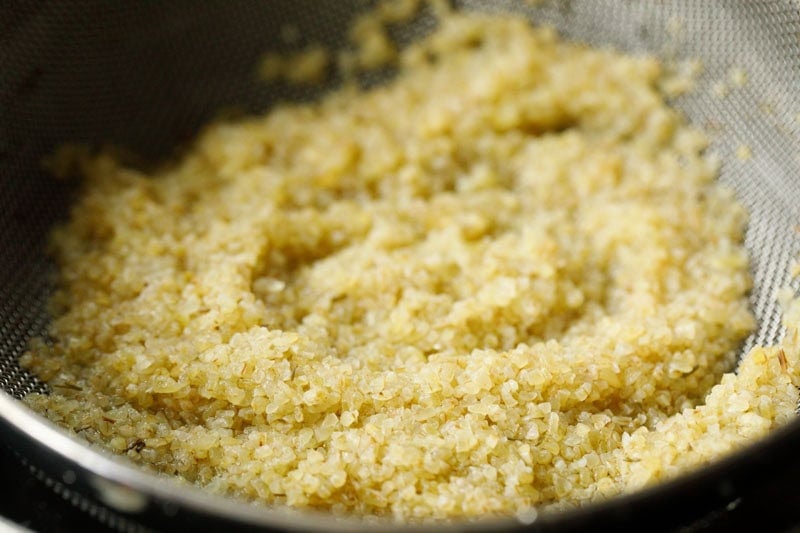
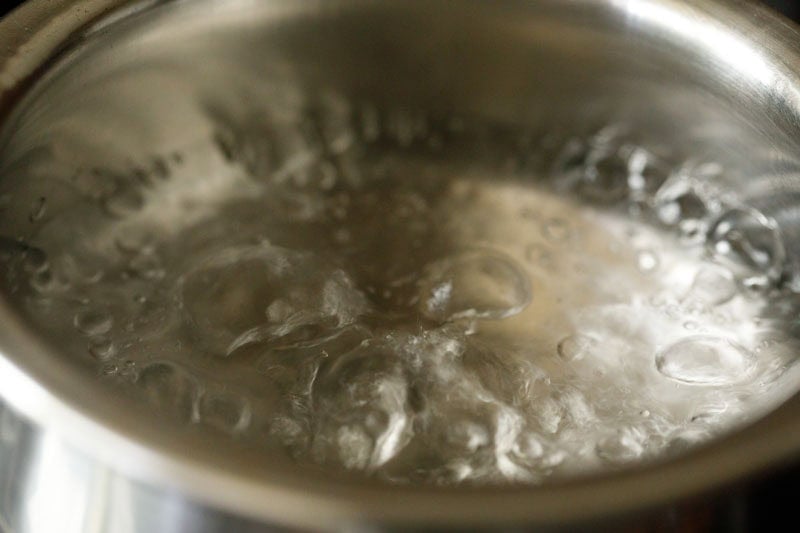
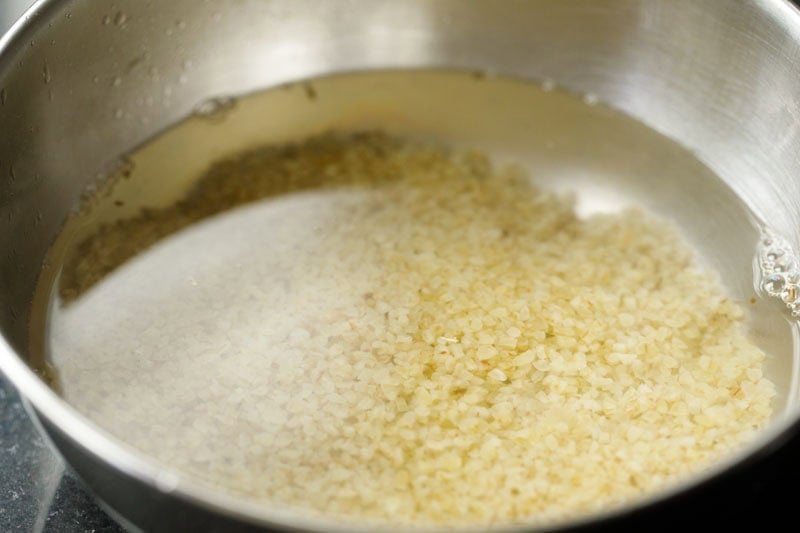
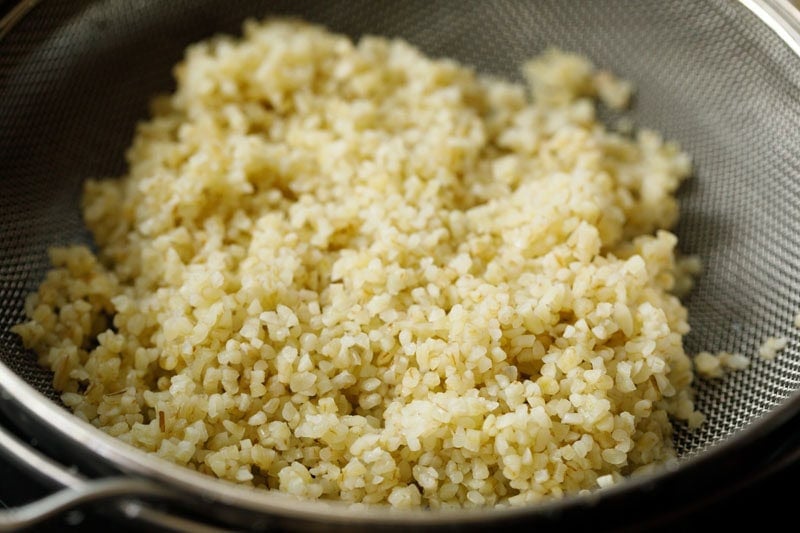
- Hydration: The process begins with the preparation of the bulgur. Fine or super-fine bulgur is rinsed and soaked in boiling water for 15 to 20 minutes until it achieves a "tender-chewy" bite.
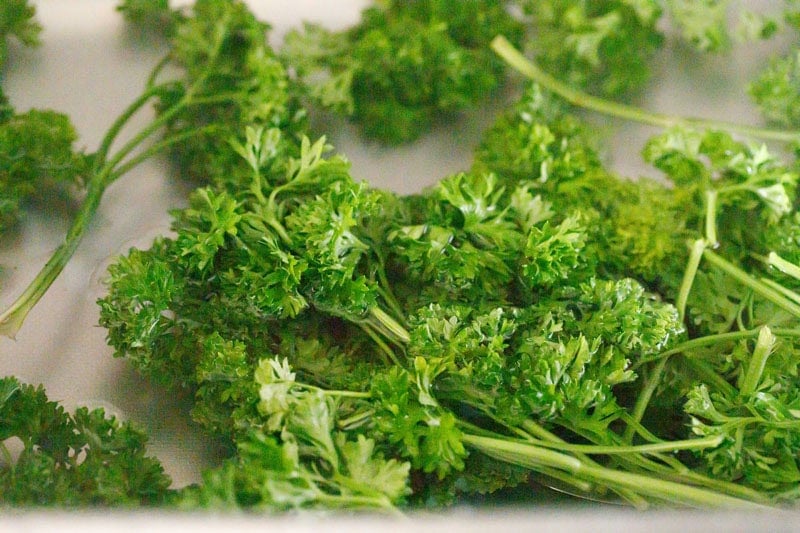
- The Drying Phase: Crucially, the herbs—parsley and mint—must be washed and then dried completely. Professional chefs emphasize that any residual water on the leaves will result in a soggy, wilted salad.
- The Knife Work: The herbs are then chopped by hand. This step is a chronological bottleneck in the recipe but is essential for the dish’s texture.
- Assembly and Maceration: Once the vegetables (tomatoes, cucumbers, and onions) are diced, the salad is assembled. A final 15-minute rest period allows the lemon juice and salt to slightly soften the herbs and allow the flavors to meld.
Supporting Data: Nutritional Density and Culinary Science
Tabbouleh is frequently cited by nutritionists as a "superfood" salad. Its profile is unique because it provides the benefits of a green juice in a whole-food, solid form.
Nutritional Breakdown (Per Serving)
Based on standard culinary data, a typical serving of Tabbouleh (approximately 3 servings per recipe) contains:
- Calories: 233 kcal
- Fiber: 6g (contributing significantly to digestive health)
- Protein: 5g
- Healthy Fats: 15g (primarily monounsaturated fats from olive oil)
The Vitamin Powerhouse
The most striking data point regarding Tabbouleh is its vitamin content. A single serving can provide:
- Vitamin K: 559 µg (well over 100% of the daily recommended intake, essential for bone health and blood clotting).
- Vitamin A: 3063 IU (vital for immune function and vision).
- Vitamin C: 59 mg (a potent antioxidant).
- Iron: 3 mg (crucial for oxygen transport in the blood).
The Science of the Dressing
The dressing of Tabbouleh is a simple emulsion of lemon juice and extra virgin olive oil. From a chemical perspective, the ascorbic acid (Vitamin C) in the lemon juice enhances the bioavailability of the non-heme iron found in the parsley. Meanwhile, the fats in the olive oil are necessary for the absorption of fat-soluble vitamins like A and K.
Official Responses: Expert Perspectives on Authenticity
Culinary experts and cultural historians have long debated the "correct" way to prepare Tabbouleh. The consensus among Lebanese culinary authorities is that the dish’s soul lies in the technique.
The "No-Processor" Rule
"The greatest sin one can commit against Tabbouleh is using a food processor," says one prominent Beirut-based chef. Official culinary guidelines for Lebanese cuisine dictate that herbs must be chopped with a sharp knife. A food processor "bruises" the parsley, releasing chlorophyll and moisture prematurely, which leads to a bitter taste and a "mushy" consistency. The hand-chopping method preserves the "loft" and lightness of the salad.
The Parsley Debate: Flat vs. Curly
While traditionalists insist on flat-leaf (Italian) parsley for its deep, peppery flavor, some modern variations utilize curly parsley. Experts note that curly parsley provides a more voluminous, "fluffy" texture, though it requires even finer chopping to ensure a pleasant mouthfeel. The official stance of most Middle Eastern culinary institutes remains that flat-leaf parsley is the standard for authentic flavor profiles.
Variations and Adaptations
Official responses to the "modernization" of Tabbouleh—such as adding pomegranate arils, feta cheese, or swapping bulgur for quinoa (to make it gluten-free)—are generally positive, provided the herb-to-grain ratio is maintained. These adaptations are seen as a testament to the dish’s versatility and its ability to integrate into diverse dietary requirements.
Implications: Cultural Identity and the Future of Food
The prominence of Tabbouleh in the modern diet has several broader implications, ranging from cultural preservation to global health trends.
Cultural Diplomacy through Cuisine
Tabbouleh is more than a recipe; it is a symbol of Levantine identity. In Lebanon, "National Tabbouleh Day" is celebrated on the first Saturday of July. By exporting this dish, the region engages in a form of "gastro-diplomacy," sharing its history and values through the sensory experience of food. The global popularity of the dish helps to preserve these traditional agricultural and culinary practices in a rapidly industrializing food system.
The Mediterranean Diet and Longevity
The rise of Tabbouleh is closely linked to the scientific validation of the Mediterranean Diet. As clinical studies continue to show that diets high in olive oil, fresh herbs, and whole grains reduce the risk of cardiovascular disease and type 2 diabetes, Tabbouleh has moved from the "ethnic food" aisle to the "health and wellness" sector. Its high fiber and low glycemic index make it an ideal meal for blood sugar management.
Sustainability and Plant-Based Futures
As the world looks for sustainable ways to feed a growing population, Tabbouleh offers a blueprint. It is naturally vegan, requires no animal products, and relies on ingredients that have a relatively low environmental footprint. The use of bulgur wheat—a whole grain that requires minimal processing—further supports a sustainable food model.
Conclusion
Tabbouleh stands as a masterclass in culinary simplicity. Its enduring appeal lies in the tension between its humble ingredients and the rigorous technique required to bring them to life. As consumers continue to prioritize freshness, nutrient density, and cultural authenticity, the "green gold" of Lebanon is poised to remain a permanent fixture on the global table. Whether served as a refreshing summer lunch or a vibrant component of a festive mezze, Tabbouleh is a reminder that the most sophisticated flavors often come directly from the garden, chopped with care and seasoned with tradition.
